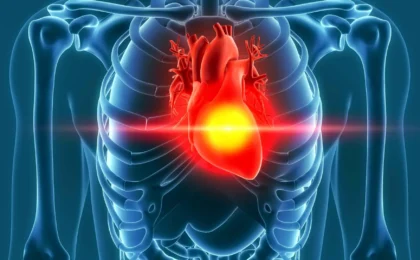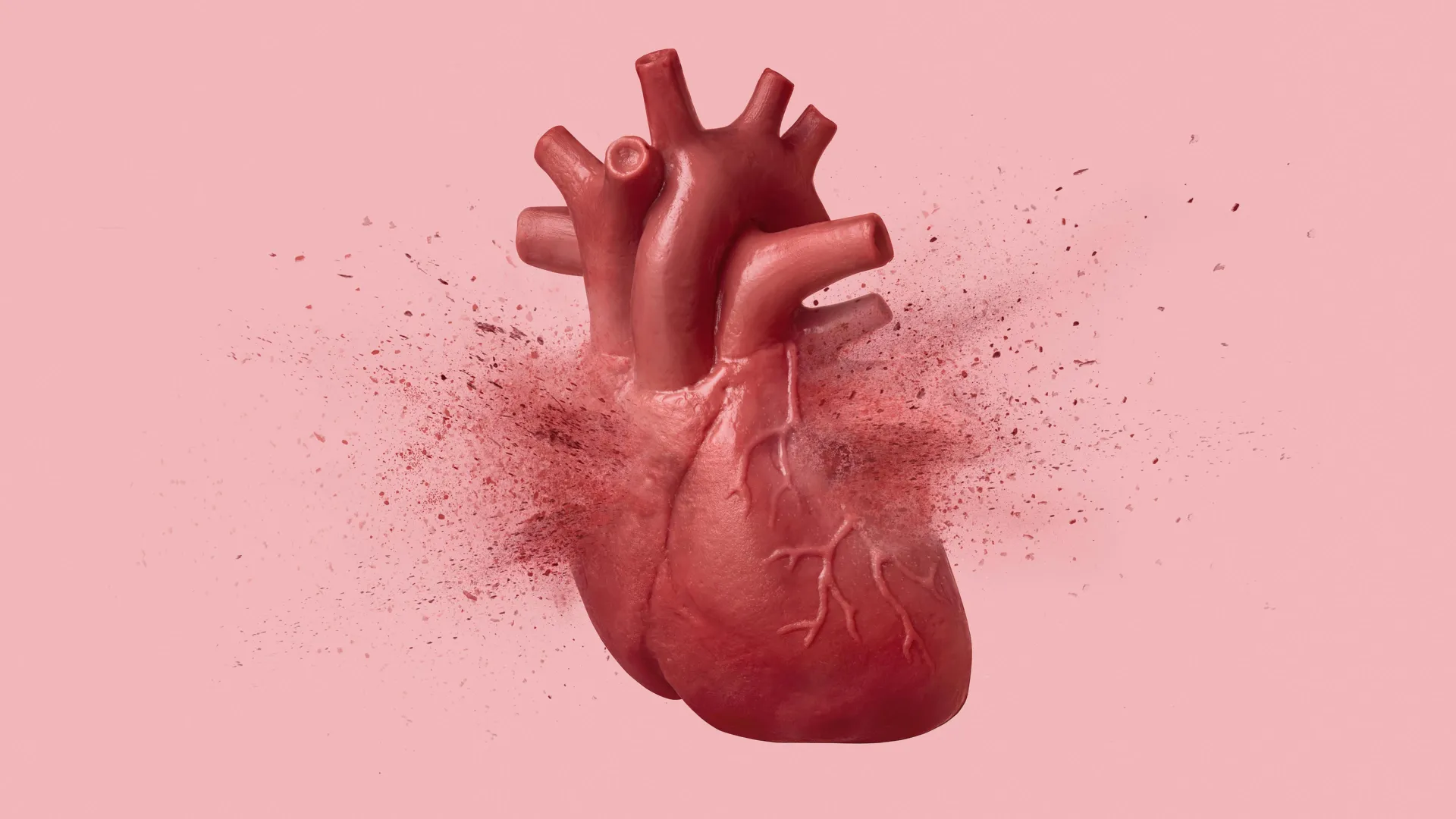
In the high-stakes environment of an emergency department, clinicians are often faced with a diagnostic paradox: a patient arrives with crushing chest pain, abnormal electrocardiogram (ECG) readings, and elevated cardiac enzymes—the textbook signature of a myocardial infarction, or heart attack. Yet, in approximately 2 percent of these cases, the traditional assumption is wrong. The patient is not suffering from a clogged artery, but from a rare, stress-induced cardiac condition known as Takotsubo syndrome (TTS).
Takotsubo syndrome—often colloquially referred to as "broken heart syndrome"—disproportionately affects postmenopausal women and is frequently triggered by acute physical or emotional distress. While its clinical presentation mimics a heart attack with frightening precision, its underlying pathology is fundamentally different. For years, the only definitive way to distinguish TTS from a classic heart attack has been through invasive cardiac catheterization. However, a breakthrough study published in the European Heart Journal has introduced a revolutionary diagnostic tool: the BioTAK score. By leveraging artificial intelligence and blood-based biomarkers, researchers have developed a method to identify this elusive condition before a patient ever enters the catheterization lab.
The Chronology of a Diagnostic Challenge
The history of diagnosing Takotsubo syndrome is a chronicle of clinical confusion. First described in Japan in the early 1990s, the condition was named "Takotsubo"—the Japanese word for an octopus trap—due to the distinctive ballooning shape the left ventricle of the heart takes on during an acute episode.
For decades, the medical community struggled to categorize the condition. Because patients exhibit elevated levels of cardiac enzymes (like troponin), which are standard indicators of myocardial cell death, emergency physicians have historically been forced to treat these patients as if they were experiencing a classic coronary occlusion.
The Path to the BioTAK Score
The development of the BioTAK score was a multi-year, international endeavor. It relied heavily on the InterTAK Registry, founded in 2010 by Professor Christian Templin, which has grown into the world’s largest research infrastructure dedicated to the condition.
- Data Synthesis (2010–2022): Researchers aggregated data from the InterTAK Registry and the SPUM-ACS Registry, analyzing over 3,600 patient profiles.
- AI Integration: Scientists at the University of Zurich and the University of Greifswald utilized machine learning algorithms to sift through biological data, identifying specific protein signatures that differentiate TTS from acute coronary syndrome (ACS).
- Validation: The researchers tested the resulting BioTAK scoring system against an independent cohort of nearly 1,800 patients.
- Publication: The findings, finalized and released in the European Heart Journal, represent a paradigm shift in how emergency medicine approaches non-obstructive chest pain.
Supporting Data: Why Biomarkers Matter
The genius of the BioTAK score lies in its simplicity. Rather than relying on invasive imaging, it combines the patient’s biological sex with a curated panel of blood biomarkers. The AI-selected markers target specific physiological processes that are active during a TTS event but absent in a standard heart attack.
The Brain-Heart Axis
The study revealed that two specific proteins are central to the BioTAK score, providing researchers with unprecedented insights into the "brain-heart axis."
- Stress-Response Markers: The first protein identified is involved in the activation of neuropeptides. These peptides are essential in regulating the body’s fight-or-flight response, autonomic nervous system activity, and vascular tone. This confirms that TTS is not merely a cardiac event, but a systemic reaction to extreme stress.
- Plaque Stability Markers: The second protein is associated with the stability of atherosclerotic plaques. By measuring this, the BioTAK score can effectively rule out the primary cause of a heart attack: the rupture of a plaque that blocks blood flow.
When combined, these markers create a diagnostic fingerprint. In the validation trials, the BioTAK score correctly classified nearly 90 percent of participants. This high accuracy rate provides clinicians with the confidence needed to differentiate between patients who require immediate surgical intervention for a blocked artery and those whose condition is driven by transient, stress-induced mechanisms.
Official Responses and Expert Analysis
The medical community has greeted the development of the BioTAK score with cautious optimism, viewing it as a vital supplement to—though not a replacement for—current gold-standard procedures.
The Role of Precision Medicine
"Our study shows that a simple combination of blood biomarkers and biological sex can identify these patients with remarkable accuracy even before cardiac catheterization," says Dr. Florian A. Wenzl of the University of Zurich and the University of Oxford. Dr. Wenzl emphasizes that the value of the tool extends beyond diagnostics; it provides a biological map of the disease itself.
His colleague, Dr. Victor Schweiger of the University Hospital Zurich, echoes this sentiment, noting that the biomarkers offer a unique window into the biological pathways that separate TTS from a classic coronary event.
A Measured Clinical Outlook
While the accuracy of the BioTAK score is impressive, its architects are clear about its limitations. "The BioTAK score is not a substitute for cardiac catheterization when it is medically necessary," explains Dr. Christian Templin, the founder of the InterTAK Registry. "However, it could help guide diagnostic procedures more effectively and avoid unnecessary invasive tests in selected patients."
Dr. Thomas Lüscher, co-last author from the National Heart and Lung Institute at Imperial College London, notes the importance of the tool’s versatility: "By capturing signaling pathways related to stress responses, cardiac dysfunction, and plaque stability, the BioTAK score translates complex disease mechanisms into a practical diagnostic tool."
Implications for Emergency Medicine and Future Care
The integration of the BioTAK score into emergency care could lead to a significant reduction in the number of invasive, high-risk procedures performed on patients who do not actually require them.
Improving Patient Outcomes
For a patient, the anxiety of a potential heart attack is compounded by the prospect of cardiac catheterization—an invasive procedure that, while common, carries inherent risks such as bleeding, vascular injury, or infection. If a patient with TTS can be identified via a simple blood draw, the medical team can pivot to supportive, non-invasive therapies more quickly, reducing hospital stays and medical trauma.
Future Research Frontiers
The research team is now looking toward the next phase of implementation: prospective clinical trials. Future studies will examine whether the routine use of the BioTAK score in clinical settings can improve long-term outcomes for TTS patients.
Furthermore, the discovery of these biomarkers opens the door to potential new therapeutic targets. If the brain-heart axis is the driver of Takotsubo syndrome, researchers may soon be able to develop pharmacological interventions that block the surge of stress hormones before they can cause damage to the myocardium.
Conclusion: A New Era for Cardiovascular Diagnosis
The development of the BioTAK score represents a triumph of translational medicine. By moving from large-scale patient registries to AI-powered insights, and finally to a practical clinical tool, the researchers have bridged the gap between basic biology and bedside care.
While Takotsubo syndrome will remain a complex and unpredictable condition, the BioTAK score provides a much-needed light in the diagnostic fog. For postmenopausal women and other high-risk groups, this technology promises a future where a "broken heart" is identified with the same scientific rigor as a heart attack, ensuring that the right patient receives the right treatment at the right time. As we continue to refine our understanding of how emotional stress manifests in physical pathology, tools like the BioTAK score will undoubtedly become cornerstones of modern, personalized cardiology.