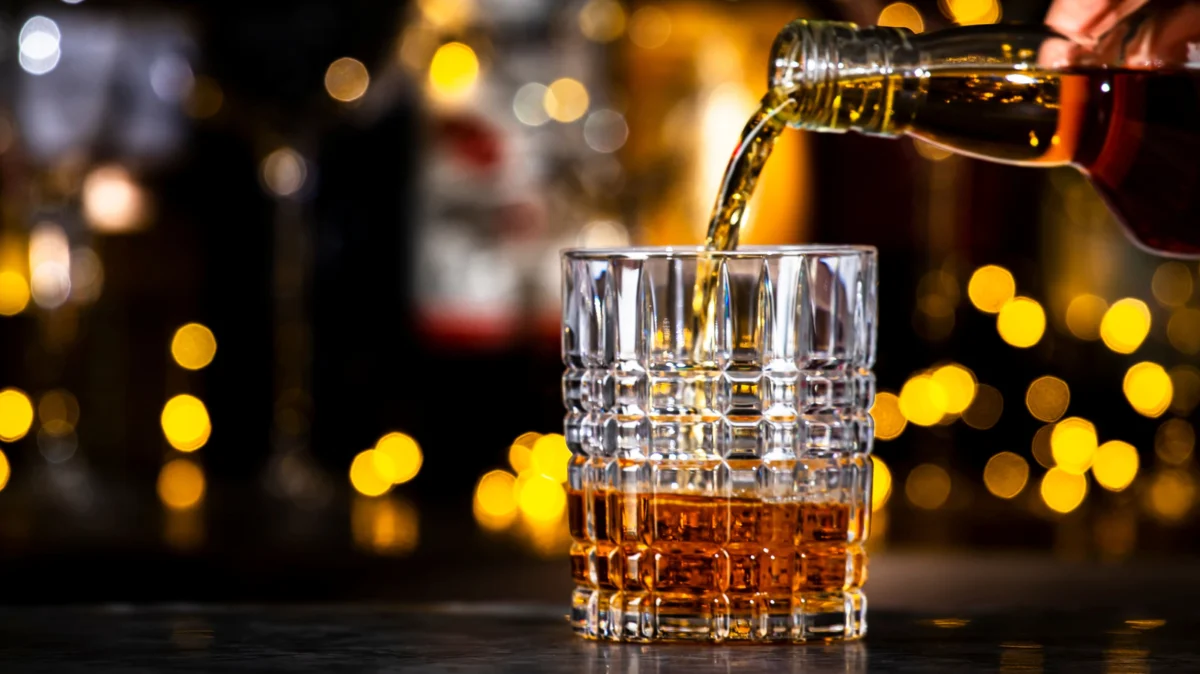
The world of rum is a sprawling, often intimidating landscape. For the uninitiated, the spectrum of available spirits can feel like a choice between two extremes: the bottom-shelf bottles that possess all the charm of industrial paint thinner, and the ultra-premium, aged expressions that carry price tags rivaling a monthly car payment. Yet, tucked between these two poles lies a "sweet spot"—a category of spirits where the craftsmanship of legendary distilleries meets the accessibility of consumer pricing.
For those in the know, finding these "hidden gems" is about identifying the intersection of process, provenance, and value. Whether through the strategic use of column and pot distillation or the mastery of tropical aging, some rums manage to deliver a sensory experience that far outstrips their modest retail cost.
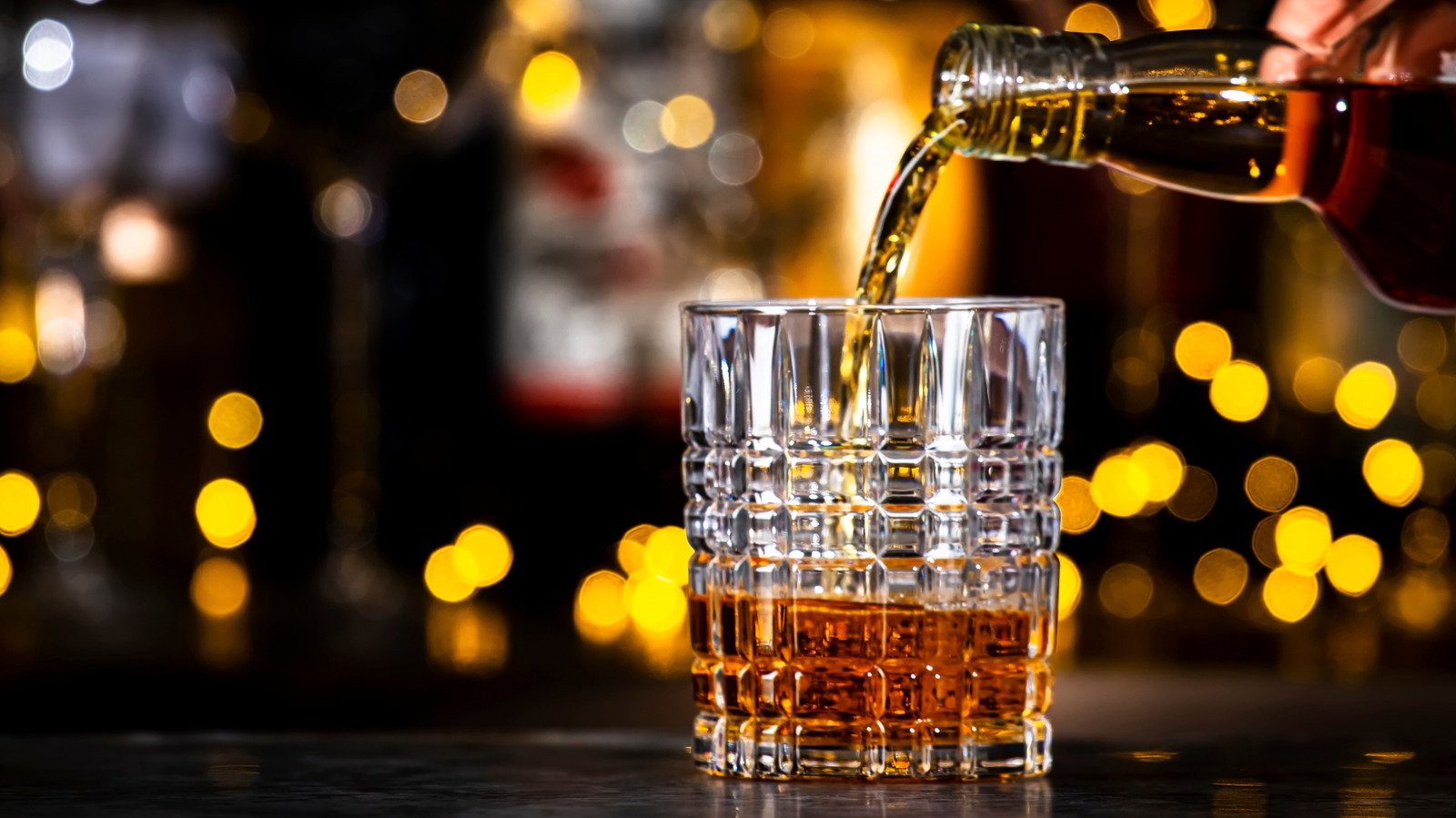
The Evolution of the Value Market: A Chronology of Quality
To understand why these bottles exist, one must look at how the rum industry has shifted over the last two decades. Historically, rum was divided into the "mixer" category and the "collector" category. However, a significant shift occurred in the early 2000s as the "cocktail renaissance" forced brands to elevate their entry-level offerings.
- The Early 2000s (The "Mixer" Era): Distilleries focused on high-volume, column-distilled spirits. The goal was consistency and neutrality, leading to a market saturated with "white rums" that functioned primarily as blank canvases for sugar-heavy cocktails.
- The 2010s (The Rise of Transparency): As consumers became more educated, "craft" became the buzzword. Brands like Appleton Estate and El Dorado began to lean into their heritage, highlighting the use of traditional pot stills and the impact of tropical aging, even in their younger, lower-cost expressions.
- The Present (The Value-Driven Specialist): Today, we see a rise in "enthusiast-friendly" bottles. Brands are now intentionally creating entry-level expressions that serve as "gateways," designed to showcase the distillery’s unique house style without requiring a significant financial commitment.
Expert Selection: The Bottles That Defy Their Price Tags
Based on industry experience, professional bartending standards, and market analysis, four bottles stand out for their ability to deliver premium quality at an accessible price.
1. Flor de Caña Extra Seco 4 Year Rum
- Price Point: Approximately $12.99 – $15.00
- The Profile: An exceptionally dry, clean, and crisp spirit from Nicaragua.
- Why It Matters: Flor de Caña has mastered the art of the "entry-level premium." Despite its low price, this rum is aged for four years in American white oak barrels and contains no artificial additives. While it lacks the aggressive "funk" of Jamaican counterparts, its profile—characterized by notes of citrus rind, white chocolate, and vanilla—makes it the definitive choice for a high-quality daiquiri. Its "Extra Seco" (extra dry) designation ensures that it provides the necessary structure for classic cocktails without adding unwanted sweetness.
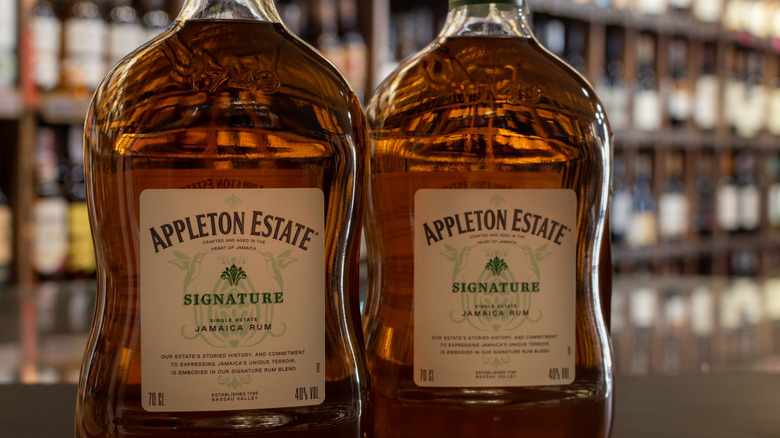
2. Appleton Estate Signature
- Price Point: Approximately $18.00 – $22.00
- The Profile: A balanced, nuanced Jamaican blend that bridges the gap between mixer and sipper.
- Why It Matters: The Appleton Estate Signature is a masterclass in blending. By utilizing both column and pot stills, the distillery achieves a perfect equilibrium: the column still provides the volume and affordability, while the pot still introduces the depth and complexity expected from a Jamaican rum. Notes of tropical fruit, ripe banana, and baking spice make this an incredibly versatile bottle. It serves as a reminder that a rum doesn’t need to be 15 years old to tell a compelling story.
3. Planteray (Formerly Plantation) Rum O.F.T.D.
- Price Point: Approximately $30.00 – $35.00
- The Profile: An overproof (69% ABV) navy-style powerhouse.
- Why It Matters: The O.F.T.D. (Old Fashioned Traditional Dark) is a bold statement. It is a blend of rums from Jamaica, Guyana, and Barbados, finished in French oak. At 69% ABV, this is a spirit designed to stand up to the most aggressive mixers, such as ginger beer in a Dark and Stormy. Because it is highly concentrated, a little goes a long way, making it a high-value investment. It offers a profile of dark coffee, chocolate, and the signature "Jamaican funk" that enthusiasts crave, proving that "high-proof" doesn’t have to mean "low-flavor."
4. El Dorado 8 Year Old
- Price Point: Approximately $26.00 – $30.00
- The Profile: A rich, Demerara-style rum with depth and maturity.
- Why It Matters: Hailing from Guyana, El Dorado utilizes the world’s last remaining wooden stills, which impart a texture and depth simply unavailable in stainless steel systems. The 8-year-old expression is a rarity in its price bracket; most spirits at this cost are younger. The intense heat of the Guyanese climate accelerates the aging process, resulting in a rum that tastes as if it has spent 12 to 15 years in a temperate climate. With notes of tobacco, leather, and molasses, it is one of the few rums under $30 that is truly enjoyable to sip neat.
The Science of Value: Why Some Rums Cost More
To evaluate whether a bottle is truly "worth it," one must understand the cost drivers in production.
- Distillation Method: Pot stills require manual labor and produce smaller batches, making them inherently more expensive than the automated, continuous flow of column stills. Rums that blend both (like Appleton Estate) are essentially giving the consumer the best of both worlds.
- The "Angel’s Share": Tropical aging is a double-edged sword. While it creates incredible depth and complexity in a short amount of time, the high heat and humidity result in a much higher rate of evaporation (the "Angel’s Share") compared to spirits aged in cooler climates like Scotland or Kentucky. Brands that offer high-aged products at lower price points are often operating on thinner margins to build brand loyalty.
- Additives vs. Natural Aging: A common trap in the value rum market is the use of sugar or flavor additives to mask the harshness of young, poorly distilled spirit. The selections listed above are chosen specifically because they avoid this, relying instead on honest barrel maturation and skillful blending.
Implications for the Modern Consumer
The "premiumization" of the spirits industry has led to a gold rush of high-priced, luxury-marketed bottles. However, the true connoisseur understands that the price tag on a bottle of rum is often influenced more by marketing spend, bottle design, and scarcity than by the liquid inside the glass.
The implications for the consumer are clear:
- Look for the Origin: Regions like Jamaica, Guyana, and Nicaragua have established reputations for specific styles. Sticking to brands from these regions—even at their entry-level price points—usually guarantees a higher baseline quality.
- Prioritize Transparency: Brands that disclose their distillation methods and aging processes (as seen with the transparency regarding the 4-year aging of Flor de Caña) are generally more trustworthy than those that rely on "mysterious" blends.
- The "Cocktail Test": If a rum makes a fantastic Daiquiri or Mai Tai, it is almost certainly a quality spirit. The best test of a bottle’s value is how it performs in a classic recipe where there is nowhere for the spirit to hide.
Ultimately, the goal of any rum enthusiast should be to maximize the enjoyment-per-dollar ratio. By looking past the flashy labels and high-end marketing, one can build a collection of spirits that are as sophisticated as they are affordable. The next time you find yourself in the spirits aisle, consider that the best bottle for your home bar might not be the one behind the glass case, but the one sitting quietly on the shelf, waiting to be discovered.