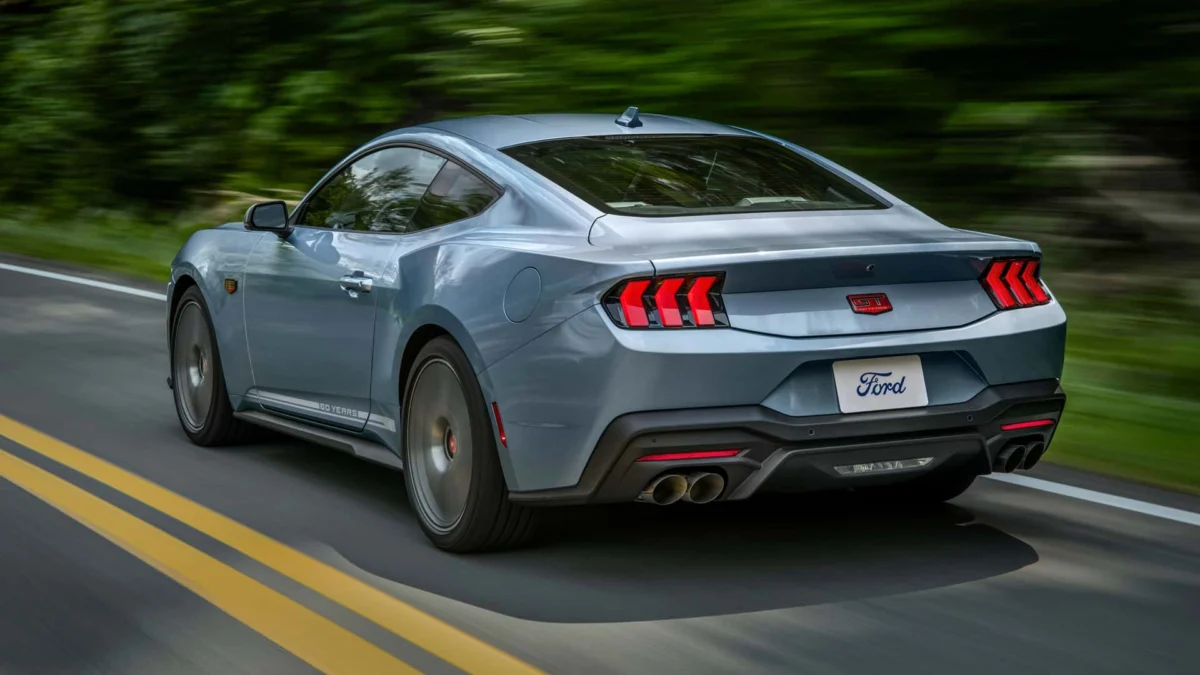
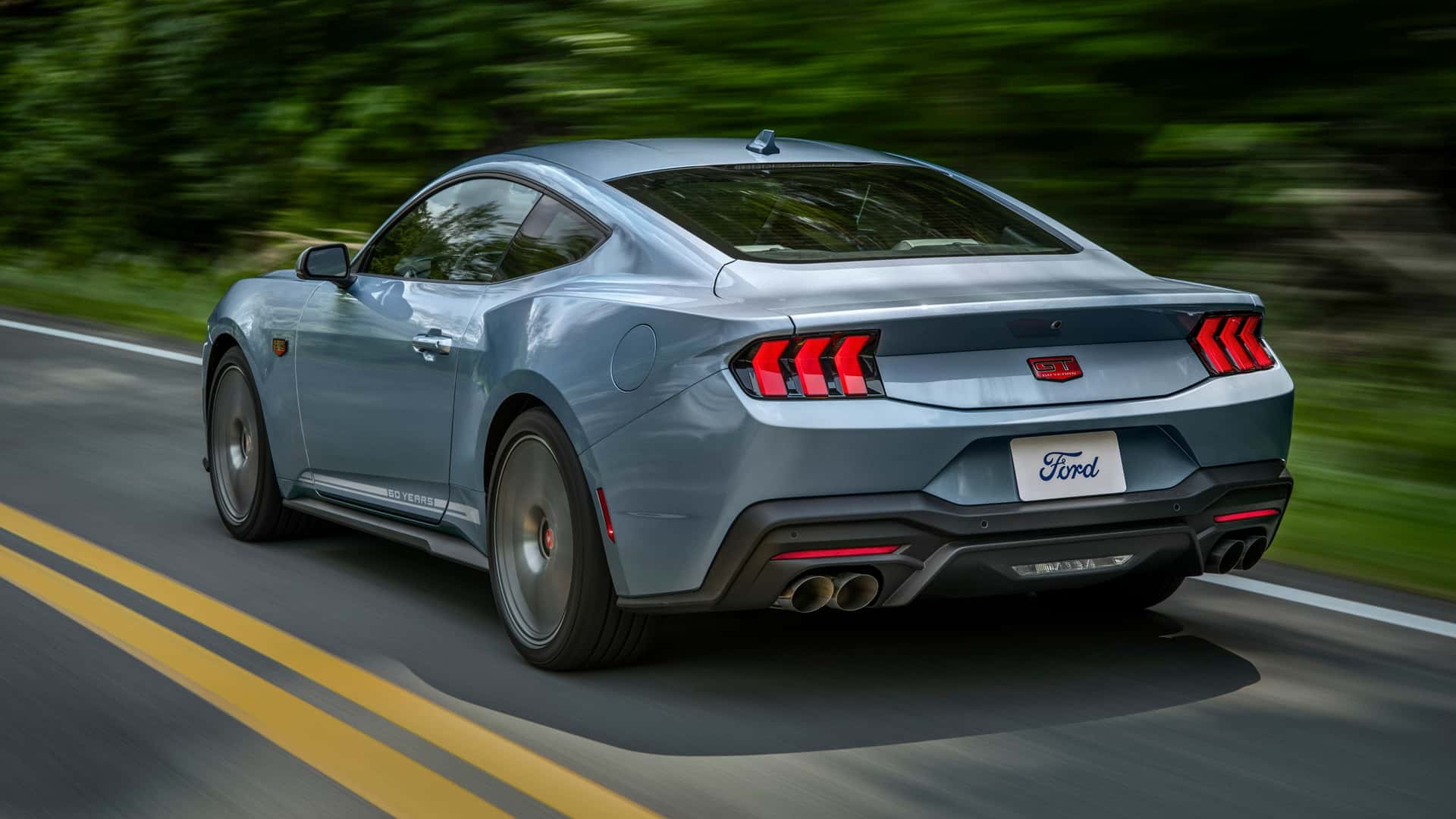
In a significant move to ensure vehicle safety, Ford Motor Company has officially issued a recall affecting 148,663 units of its iconic seventh-generation Mustang. The recall, which encompasses vehicles produced for the 2024 through 2026 model years, addresses a critical flaw in the engine compartment’s ground eyelet terminals. If left unaddressed, this defect could lead to a catastrophic failure of the vehicle’s electrical system, potentially resulting in a total loss of motive power while the car is in motion.
The Core Technical Issue: A Cascade of Failures
At the heart of the recall is a seemingly minor component that plays a vital role in the Mustang’s overall health. According to the official recall report filed with the National Highway Traffic Safety Administration (NHTSA), the problem stems from the heat-shrink material adhesive used on the engine’s wiring harness.
Investigators discovered that this adhesive can inadvertently intrude into the eyelet terminal during the manufacturing process. Over time, the constant vibrations inherent in a high-performance sports car engine cause the compromised terminal to undergo fatigue fractures. When the connection at the ground eyelet is severed, the vehicle experiences a loss of electrical continuity, which triggers a domino effect of system failures.
Because these terminals serve as crucial grounding points for various vehicle subsystems, the impact of a fracture is not limited to the powertrain. Drivers may experience the sudden failure of essential components, including the headlights, air conditioning systems, the windshield washer fluid pump, and, most critically, the engine cooling fan. The most alarming symptom, however, is the sudden loss of engine power, which presents a significant safety hazard if the vehicle is being operated at highway speeds.
Chronology: From Discovery to Recall
The path to this recall began in June, when Ford’s Electrical Distribution System department alerted the company’s Automotive Safety Office to a durability test failure. During routine, rigorous stress testing on a 2027-model-year test vehicle, engineers observed two ground eyelets break, resulting in an immediate loss of motive power.
Following this discovery, Ford initiated an internal investigation to determine if the issue was isolated to the test unit or if it posed a broader threat to consumer vehicles. By the end of that same day, the company had issued a "stop-ship" order for all 2026 model-year Mustangs currently in the distribution chain, effectively halting deliveries to prevent further affected units from reaching customer driveways.
Over the subsequent two months, Ford’s "Critical Concern Group"—a specialized internal task force dedicated to rapid safety response—conducted a deep-dive analysis. Their review identified eight distinct warranty claims associated with the issue. Notably, the data revealed that half of these failures occurred within the first three months of vehicle ownership, suggesting that the fatigue process can accelerate rapidly under real-world driving conditions. To date, Ford has stated that it is not aware of any accidents, injuries, or fatalities directly linked to this defect.
Understanding the Technical Solution
Ford has developed a robust engineering fix to resolve the terminal vulnerability. The manufacturer will replace the four existing wiring harness ground terminals with newly designed "pigtails."
These replacement parts utilize a "redesigned stepped-neck terminal geometry." This specific engineering modification is intended to eliminate clamp-up interference and significantly reduce out-of-plane bending stress. By altering the geometry of the connection point, the new terminals are engineered to withstand the natural vibrations of the engine bay without suffering from the fatigue fractures that plagued the original design.
This repair will be provided at no cost to owners, and Ford is currently in the process of notifying dealerships and owners about the service procedure.
Implications for Owners and the Mustang Brand
For owners of the seventh-generation Mustang, this recall represents an inconvenience, but one that is essential for long-term reliability. The Mustang has long been a staple of the American automotive landscape, and its seventh generation has been met with critical acclaim for its performance and technological advancements. However, complex electrical systems require rigorous quality control, and this incident highlights the challenges inherent in modern vehicle manufacturing.
If you own an affected 2024-2026 Mustang, you should be vigilant for signs of the issue. The vehicle’s onboard diagnostic system may provide early warnings, including:
- An illuminated Check Engine light.
- Warning messages appearing on the digital instrument cluster.
- Audible chimes or warnings indicating system errors.
If you encounter any of these symptoms, it is recommended that you contact your local Ford dealership immediately to schedule an inspection. While the number of reported warranty claims remains low, the potential for a sudden loss of power makes this a high-priority service action.
The Broader Context of Automotive Recalls
The automotive industry is currently navigating a period of intense scrutiny regarding vehicle safety and quality. Ford’s decision to act proactively—following a durability test failure—is a standard part of the automotive safety lifecycle. By catching the issue before it resulted in widespread accidents, Ford is attempting to mitigate both the legal liability and the potential reputational damage associated with the defect.
This recall is not an outlier in the current automotive climate. Major manufacturers, including Toyota and General Motors, have recently grappled with their own significant recall campaigns, ranging from shock reservoir issues to potential braking system failures. The increasing reliance on complex electrical architectures means that even small, inexpensive components like wiring eyelets can have a disproportionate impact on vehicle safety.
What Should You Do Now?
- Verify Your VIN: Owners can visit the NHTSA recall website or use Ford’s owner portal to check if their specific VIN is included in the recall.
- Monitor Your Vehicle: Pay attention to any unusual electrical behavior, including flickering lights, sluggish startup, or warning indicators on the dashboard.
- Schedule Service: Once the official notification arrives from Ford, contact your dealer to ensure they have the necessary parts in stock before heading in for the repair.
- Stay Informed: Keep an eye on official communication from Ford. If you have moved recently, ensure that your address is updated in the company’s database so that you receive your recall notice promptly.
While a recall is never an experience owners look forward to, the nature of this fix—a component replacement with an improved, redesigned part—should offer peace of mind. By proactively addressing the ground terminal weakness, Ford is taking the necessary steps to ensure that the seventh-generation Mustang continues to be a reliable performer on the road.
As the automotive industry continues to evolve toward more sophisticated electronic systems, the importance of rigorous testing and transparent communication between manufacturers and consumers remains paramount. For now, the "Motor1" perspective remains clear: while this is an important safety update, it is a manageable issue that, once addressed, will allow owners to get back to enjoying one of the most exciting sports cars on the market.