For decades, the automotive enthusiast community has looked toward Europe with a mix of envy and confusion. While American roads are treated to the legendary Volkswagen Golf GTI and the high-performance Golf R, the European market—and even pockets of Latin America—enjoy a far wider menu of performance-oriented Volkswagens. From the diminutive Lupo GTI to the robust Tiguan R, the “hot hatch” and performance SUV segments abroad are densely populated with the iconic red-lettered branding that defines Volkswagen’s sporting heritage.
In the United States, however, the GTI and R badges remain strictly reserved for the Golf platform. This scarcity has sparked years of speculation: Is it a marketing oversight, a lack of interest, or something more calculated? To answer this, Motor1 sat down with Serban Boldea, Director of Product Planning at Volkswagen of America, to peel back the curtain on the brand’s rigorous—and perhaps uncompromising—approach to performance branding.
The Sanctity of the Badge: A Philosophy of Authenticity
The primary reason for the limited scope of the GTI and R brands in North America is rooted in a philosophy of "earned prestige." For Volkswagen of America, these badges are not mere marketing stickers to be applied to any vehicle that happens to have a slightly stiffer suspension or a more aggressive body kit.
“If we bring a vehicle to market with this badge and we’re going to stand behind it, then it’s gotta be the real thing,” Boldea explains. “When R is put on a vehicle, it can’t just be some plastic and a sticker.”
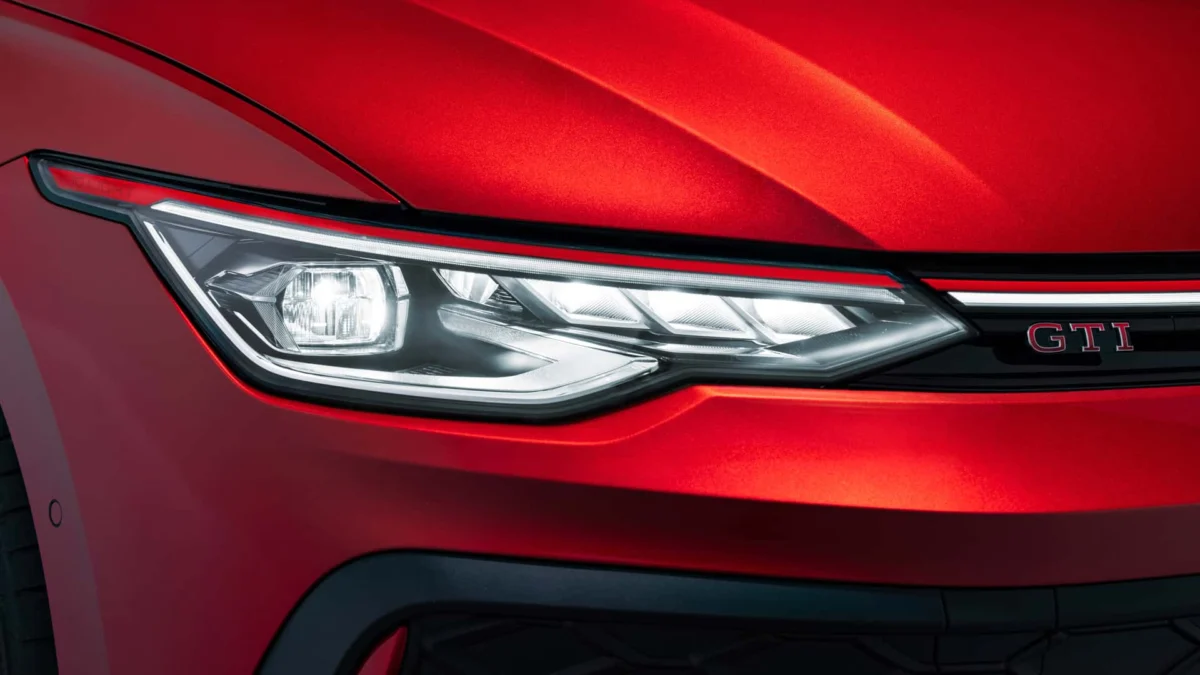
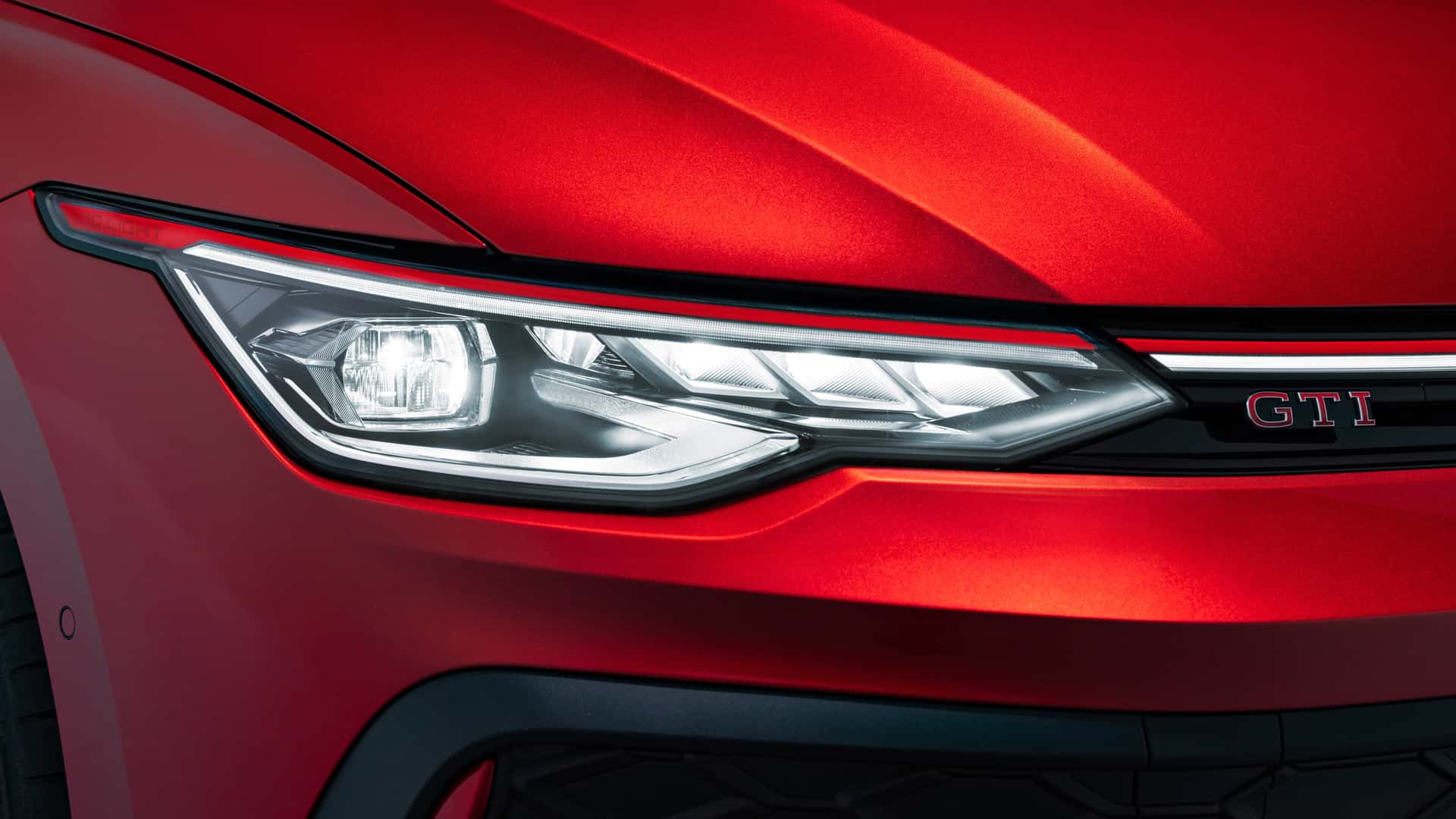
This sentiment underscores a corporate culture that views the GTI and R monikers as sacred. To the average consumer, a badge might signify a trim level; to Volkswagen, it represents a promise of specific engineering standards. A true GTI requires a precise trifecta: a balanced, lightweight chassis; a responsive, high-output engine; and the hallmark aesthetic touches—the plaid seating, the red trim accents, and the distinct, spirited drivability. If a vehicle cannot fulfill all those criteria, Volkswagen of America refuses to dilute the heritage of the badge by attaching it to a lesser product.
A Global Discrepancy: Why Europe Gets More
To understand the US strategy, one must look at the global landscape. Europe has long enjoyed a diverse ecosystem of performance models. Vehicles like the Lupo, Polo, Scirocco, and Up have all seen "GTI" iterations, while the Arteon, Passat, and even the T-Roc have benefited from the "R" performance treatment. In Latin America, the Gol, Parati, and Pointer have also historically carried the GTI nameplate.
These models cater to local tastes, road infrastructure, and vehicle segment preferences that differ significantly from the American market. The US consumer has historically preferred larger, more versatile vehicles, often leading to the discontinuation of smaller European-favored hatches.
However, the disparity also highlights a difference in market positioning. In some regions, the GTI badge serves as a performance "tier" for entry-level vehicles. In the US, the GTI is positioned as an aspirational, high-value performance icon. Volkswagen of America is clearly protective of these three letters, fearing that if the market were flooded with GTI models that lacked the raw, visceral engagement of the Golf GTI, the brand equity would rapidly evaporate.
Looking Back: The Lesson of the Passat GT
Boldea points to a specific case study that highlights the risks of misusing performance nomenclature: the 2018 Volkswagen Passat GT.
At the time, the Passat GT was a compelling proposition. It featured a 3.6-liter VR6 engine producing 280 horsepower, paired with a dual-clutch transmission and a lowered, sport-tuned suspension. It was arguably one of the most exciting iterations of the US-market Passat ever produced. Yet, even with its performance credentials, Volkswagen chose not to label it a "GTI" or an "R."
“It’s a hell of a cool car, but it wasn’t the honest complete package of a GTI,” Boldea admits. By keeping the "GT" label, Volkswagen acknowledged the car’s sportier nature without falsely equating it to the iconic hatchback that defined a generation. It was a moment of internal discipline—admitting that while a car might be fast, it may not possess the "soul" required to carry the most prestigious badge in the company’s performance portfolio.
The Electric Frontier and the "Simulated" Debate
The arrival of the electric vehicle (EV) era has introduced a new challenge for the GTI and R brands. Recently, Volkswagen unveiled the ID. Polo GTI in Europe, marking the first time the historic badge has been applied to an electric platform.
This move has naturally led to questions about whether such a vehicle would eventually migrate to the US. While the ID. Polo GTI is not slated for the American market, the conversation surrounding it highlights Boldea’s skepticism regarding certain "performance" trends in the EV space—specifically, simulated gears.
Several manufacturers have begun experimenting with software that mimics the feel of a traditional manual or automatic transmission in EVs to provide a more engaging, tactile experience. Boldea remains unconvinced that this is the future of the performance segment, specifically for the mass market.
“Oftentimes, when I bring a competitor home, I get excited to show my wife or daughter. But I get an eye roll,” Boldea says, illustrating the disconnect between enthusiast gimmicks and everyday utility. “The reality with these manually shifting EVs, they are cool during the test drive and for your three close friends, but for your everyday commute, I couldn’t wait to get back to my ID. Buzz.”
For Volkswagen, the core of the EV experience is simplicity: the lack of transmission lag, the instant torque, and the fluid delivery of power. While there may be a niche for simulated shifting—perhaps in a future "Clubsport" variant of an electric performance model—Boldea believes it will remain an "ultra-specific" enthusiast feature rather than a standard requirement for the brand.
The Future: "Fun to Drive" as a Core Metric
While Boldea declined to discuss future product roadmaps, he offered a clear mandate for the company’s direction in the US. Volkswagen of America is doubling down on the ethos that made the GTI an icon: the "fun to drive" factor.
“We are working to make sure that the ‘fun to drive’ is in a Volkswagen,” Boldea says. “We are looking at where we take the brand with ‘fun to drive’ being an essential element of it.”
This suggests that while the US market may not see a surge in the number of GTI or R-badged cars, we can expect a continued refinement of the existing performance lineup and perhaps new, non-badged models that prioritize driver engagement. The company is actively moving away from the "insincere" performance modifications of the past, focusing instead on engineering vehicles that feel inherently agile and connected.
Implications for the American Enthusiast
For the US enthusiast, the strategy is a double-edged sword. On one hand, the limited availability of GTI and R variants can feel restrictive, especially when seeing the diverse, high-performance catalog available in Europe. On the other hand, Volkswagen of America’s commitment to the purity of the brand means that when a car arrives in a US showroom with a GTI or R badge, it is guaranteed to be a product of rigorous, honest development.
The brand is clearly betting on quality over quantity. By refusing to water down the significance of its performance tiers, Volkswagen maintains a level of consumer trust that is difficult to manufacture. In an era where "sport" packages are often reduced to cosmetic trim upgrades across the industry, Volkswagen’s insistence on "the real thing" remains a refreshing, if exclusionary, standard.
As the industry transitions toward electrification, the definition of a GTI will inevitably change. Whether that evolution involves artificial feedback, lighter chassis materials, or advanced torque vectoring, the mission remains constant: to ensure that the driver behind the wheel feels an undeniable sense of purpose. For Volkswagen, the badge is not just a label—it is a promise that, in the US, is only made when the company is certain it can keep it.