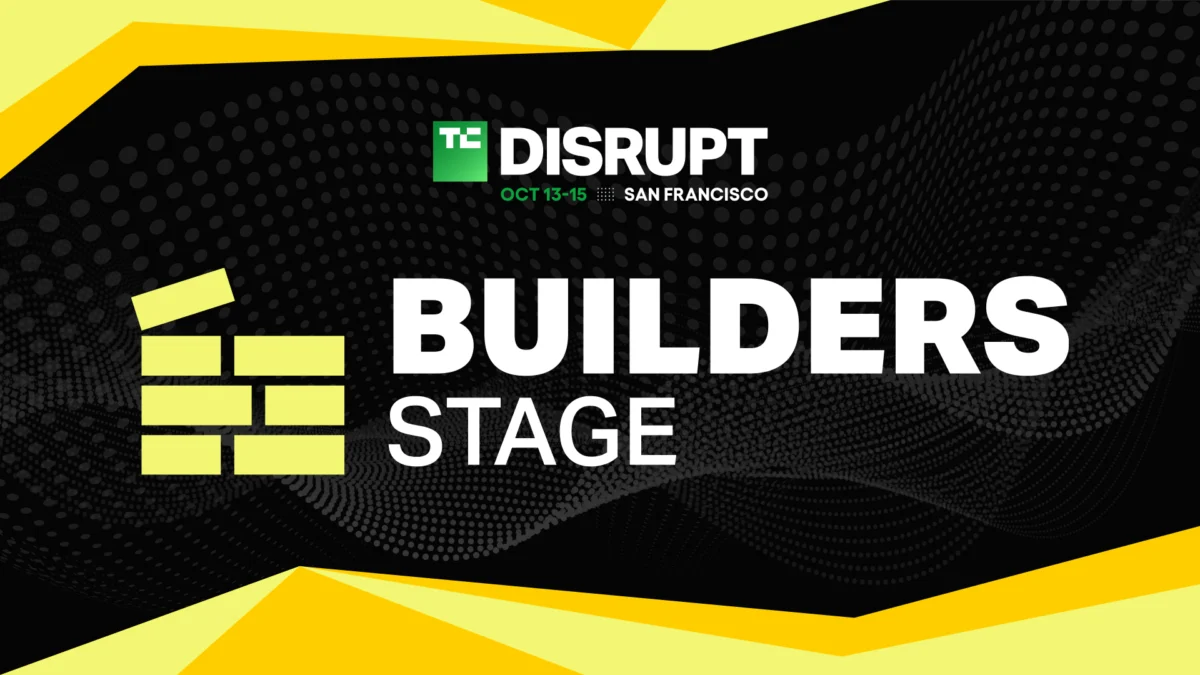
The path from a garage-based prototype to a multi-billion-dollar enterprise is rarely a straight line. For founders navigating the treacherous waters of the current startup ecosystem, the distinction between "building" and "scaling" is the difference between a fleeting venture and an enduring industry pillar. As the countdown to TechCrunch Disrupt 2026 begins, the return of the Builders Stage serves as a vital lighthouse for those looking to master that transition.
Scheduled for October 13–15 at the iconic Moscone Center in San Francisco, the event promises to convene over 10,000 of the brightest minds in technology. Among the headliners are industry titans such as Grant Lee, CEO and co-founder of Gamma; Leah Solivan, founder and general partner at Precedent.vc; and Robby Stein, VP of Product at Google. Together, these leaders will dissect the operational, financial, and strategic hurdles that define the modern startup lifecycle.
The Architecture of the Modern Startup: Core Objectives
The Builders Stage is one of six specialized tracks at Disrupt 2026, curated specifically for founders who have moved past the initial "idea" phase and are now tasked with the heavy lifting of organizational growth. The curriculum for this year’s stage is exhaustive, covering everything from the psychological toll of entrepreneurship to the cold, hard realities of Series A fundraising in a volatile economic climate.
The core mission of this stage is to move beyond the high-level rhetoric often found at tech conferences. Instead, the focus is on "actionable intelligence"—strategies that founders can implement on Monday morning to improve retention, refine go-to-market (GTM) engines, and build defensible moats in an era dominated by rapid AI advancements.
A Chronology of Growth: From Pre-Seed to Global Scale
The agenda for the Builders Stage is structured to mirror the natural progression of a successful company. It begins by addressing the "zero-to-one" challenges, such as the session "Winning Pre-Seed Without a Product," featuring experts from True Ventures and Slauson and Co. This segment acknowledges a reality that many new founders face: the pressure to demonstrate "founder-market fit" and narrative conviction before a single line of code is deployed.
As the agenda progresses, it shifts toward the "scaling" phase. Sessions like "From MVP to Billions of Users: How Product Decisions Must Change at Scale" provide a masterclass in governance. When Google’s Robby Stein takes the stage, the focus will be on the paradox of scale: the very instincts that allow a startup to capture its first 1,000 users can become liabilities when the user base hits nine figures.
The timeline culminates in sessions looking ahead to 2027 and beyond, including "The Series A in 2027," which will feature partners from Index Ventures and Bessemer Venture Partners. This session acts as a predictive analysis of the capital markets, ensuring that founders aren’t just building for today’s environment, but are positioning themselves for the funding landscape of the near future.

Supporting Data: The AI-Centric Reality
The overarching theme of Disrupt 2026 is the integration and navigation of the AI revolution. Data suggests that the sheer speed of AI development has compressed traditional startup lifecycles. Where it once took years to reach $10 million in Annual Recurring Revenue (ARR), the current market expectations are shifting toward a 90-day GTM cycle.
This compressed timeline creates both massive opportunity and significant risk. The Builders Stage addresses this through sessions like "What Happens When OpenAI Ships Your Roadmap." This is a critical concern for modern founders; in an ecosystem where "platform risk" is at an all-time high, the session provides a framework for identifying where true defensibility exists outside of basic AI features.
Furthermore, the talent war has reached a fever pitch. With AI agents increasingly performing roles traditionally held by human engineers and operations teams, founders are faced with a new hiring dilemma. The session "Hiring When AI Is a Co-Founder," featuring Gusto’s Josh Reeves, explores the hybrid team structure—balancing the speed of automation with the necessity of human culture and accountability.
Official Perspectives: Candid Conversations with Industry Leaders
The speakers at this year’s Builders Stage represent a cross-section of venture capital, product management, and psychological wellness. What sets this year’s lineup apart is the commitment to "candid" discussions.
"Company building is as psychologically demanding as it is strategic," notes the summary for the session, "Yes, It’s Hard to Be a Founder: An Honest Conversation." By including David H. Rosmarin from Harvard Medical School alongside founders like Jack Withinshaw, the conference is making a deliberate effort to normalize the "hidden costs" of entrepreneurship—burnout, decision fatigue, and the identity strain that comes with leading a high-growth entity.
This transparency extends to the investor-founder dynamic. The "Ask the Investors" session serves as a high-stakes, audience-led Q&A. By bringing together partners from firms like Cherryrock Capital, Goodwater Capital, and M13, the event provides a rare, unvarnished look at what investors actually value. When the room asks about "red flags," the panelists will be expected to move beyond polished pitches and explain the specific signals that turn a "yes" into a "no."
Strategic Implications: Building for the Long Game
Perhaps the most significant takeaway from the planned agenda is the shift toward "repeatable growth." Startups often fail because they create a single successful product but lack the infrastructure to launch a second. The session "So You’ve Got a Hit Product. How Does Your Company Do It Again?" featuring leaders from Verkada and NEA, is essential for founders who want to avoid the "one-hit wonder" trap.

Additionally, the rise of M&A as an early-stage strategy is a pivot from previous years. Managing partners from M13 will discuss why founders should be building with acquisition in mind from day one, not as a fallback, but as a strategic competitive advantage. This represents a mature approach to business building that prioritizes capital efficiency and exit optionality.
Looking Ahead to Disrupt 2026
The Builders Stage is not merely a collection of talks; it is a high-impact networking and learning environment designed for those who recognize that the "move fast and break things" era has been replaced by an era of "move efficiently and build to last."
For those attending in San Francisco, the value proposition is clear: the opportunity to pressure-test business models against the scrutiny of seasoned investors and the hard-won experience of fellow operators. As the industry moves toward 2027, the strategies discussed at the Builders Stage will likely define the next generation of unicorn companies.
Key Highlights for Attendees:
- Tactical AI Navigation: Learn to compete in an AI-saturated market without being cannibalized by the tech giants.
- Operational Excellence: Master the transition from MVP to global scale with insights from Google, Gamma, and beyond.
- Founder Mental Health: Gain access to frameworks for managing the psychological demands of high-growth leadership.
- Capital Intelligence: Understand the evolving metrics that will define "fundable" companies in 2027.
The window to participate in these critical conversations is narrowing. With ticket prices scheduled to increase, prospective attendees are encouraged to secure their passes to TechCrunch Disrupt 2026 at the official website.
The road to success is paved with more than just good ideas; it requires the discipline to scale, the foresight to adapt, and the community to sustain the journey. Whether you are at the pre-seed stage or managing a multi-product engine, the Builders Stage at Disrupt 2026 offers the tools necessary to navigate the most complex, exciting, and rewarding environment in the history of global business.
Disclaimer: When you purchase tickets or services through links in our articles, TechCrunch may earn a small commission. This does not affect our editorial independence or the selection of speakers and topics featured in this article.