In the pantheon of modern cinema, few names carry the commercial weight of James Cameron. From the groundbreaking depths of The Abyss to the record-shattering box office dominance of the Avatar franchise, Cameron has spent four decades redefining the boundaries of what is possible on screen. However, despite the billions of dollars generated by Pandora’s blue-skinned Na’vi, a critical consensus persists among cinephiles and industry analysts alike: James Cameron’s true magnum opus is not a sprawling epic of alien flora, but a gritty, high-stakes science fiction thriller released in the summer of 1991.
Terminator 2: Judgment Day (T2) stands as a rare cinematic anomaly. It is a blockbuster that transcends the tropes of its genre, serving as both a technical revolution and a deeply resonant character study. While the Avatar films currently hold the first and third positions on the all-time highest-grossing films list, they arguably lack the narrative economy and cultural ubiquity that T2 established. To understand why Terminator 2 remains the zenith of Cameron’s career, one must look beyond the box office and into the mechanics of its production, its narrative evolution, and its enduring influence on the language of action cinema.
The Chronology of a Revolution
The journey of Terminator 2 began in the late 1980s, shortly after the unexpected, low-budget success of the original The Terminator (1984). While the first film was a lean, slasher-inspired noir set in a neon-drenched urban nightmare, the sequel was envisioned as a sprawling, ambitious spectacle.
Production kicked off in 1990 with a massive budget—approximately $94 million—which, at the time, made it the most expensive film ever produced. The film’s narrative picks up years after the original, with Sarah Connor (Linda Hamilton) institutionalized and preparing for an impending nuclear apocalypse. The plot engine is fueled by the arrival of two Terminators from the future: the T-800 (Arnold Schwarzenegger), sent to protect a young John Connor (Edward Furlong), and the T-1000 (Robert Patrick), a mimetic polyalloy assassin designed to eliminate him.
The film’s release on July 3, 1991, marked a paradigm shift. It wasn’t just a hit; it was a cultural phenomenon. It dominated the summer box office, eventually grossing over $500 million worldwide, and swept the technical categories at the 64th Academy Awards, proving that high-concept science fiction could be both critically lauded and commercially invincible.
Technical Prowess: The Marriage of Practical and Digital
Terminator 2 is often cited as the definitive moment when Computer Generated Imagery (CGI) moved from a novelty to a sophisticated storytelling tool. However, the film’s brilliance lies in its restraint. Cameron did not rely solely on digital effects; he fused them with industry-leading practical stunt work and animatronics.
The Liquid Metal Benchmark
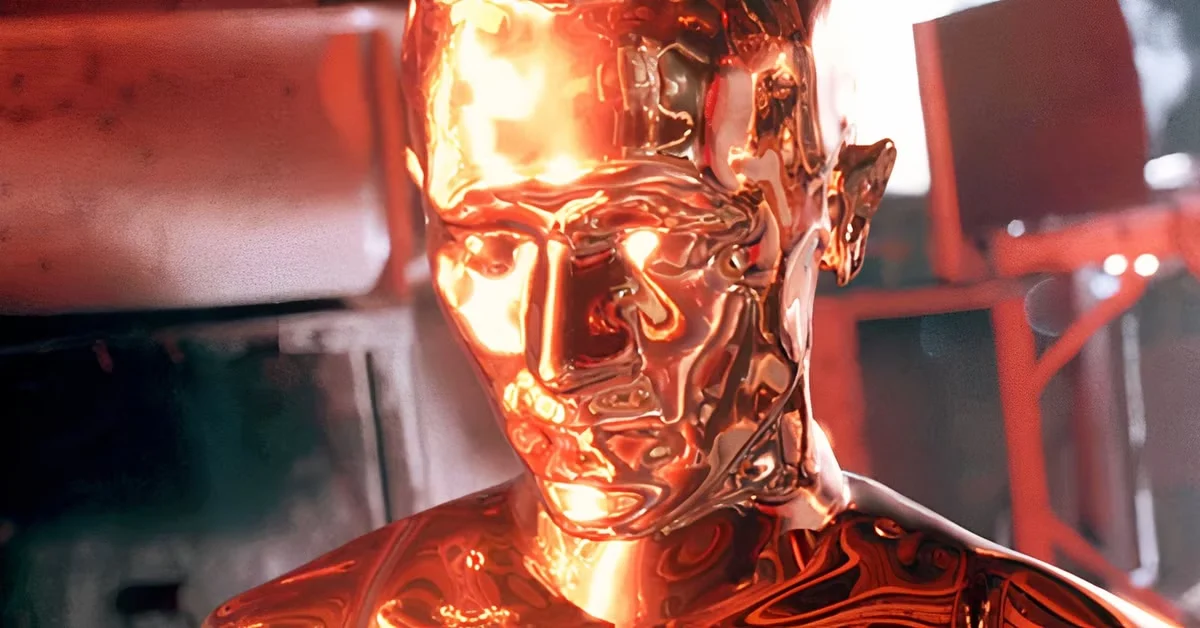
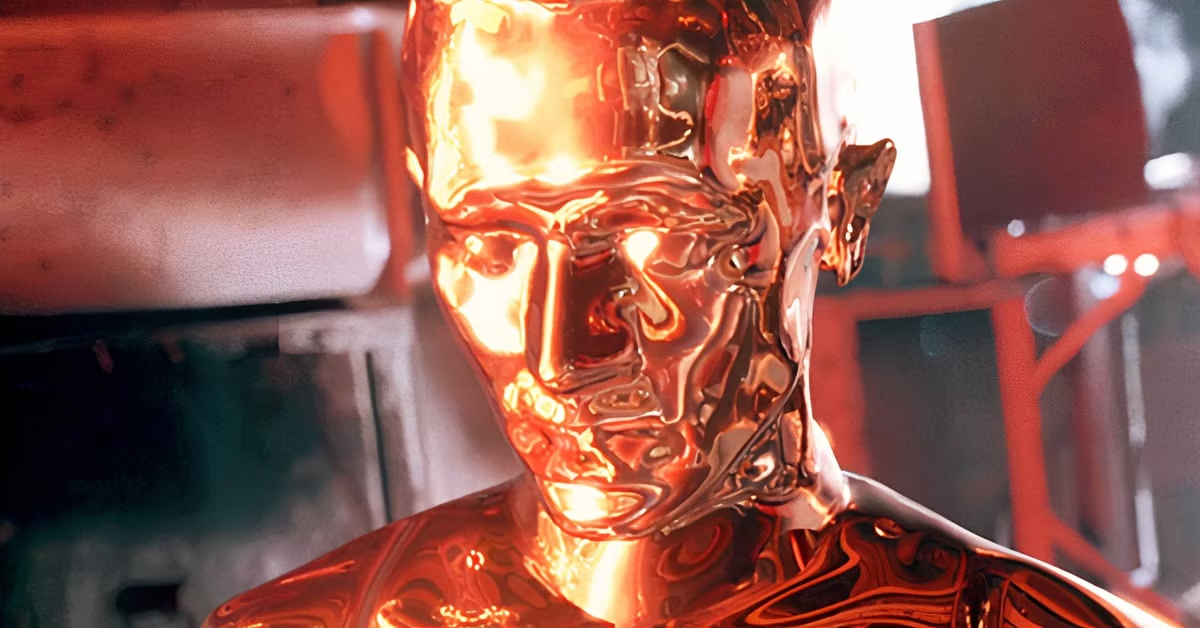
The T-1000, played with chilling, robotic minimalism by Robert Patrick, remains one of the most iconic villains in cinema history. The visual effects team at Industrial Light & Magic (ILM) utilized revolutionary morphing software to create the "liquid metal" effect. Even three and a half decades later, the transition of the T-1000 from human form to molten chrome remains visually seamless. Unlike many modern films that suffer from "CGI fatigue," where the digital elements feel detached from the physical environment, the T-1000’s interactions with the world—passing through bars, reforming after explosions—felt grounded because they were meticulously mapped against the physical performances of the actors.
Stunt Work and Practical Spectacle
The film’s set pieces—particularly the L.A. River truck-and-motorcycle chase—remain textbooks on how to film kinetic action. Cameron’s decision to use practical vehicles, real pyrotechnics, and actual stunt drivers provides a tactile weight that is rarely replicated today. By limiting the use of digital "cheats," Cameron ensured that the audience felt the danger. The steel mill finale is a masterclass in spatial geography, where every movement of the camera and every shift in the characters’ positions serves to heighten the tension of the climax.
The Emotional Core: More Than Just Metal
If the action brought audiences into the theater, the human drama kept them engaged. The transformation of Sarah Connor from a frightened waitress into a battle-hardened survivalist is the emotional anchor of the film. Linda Hamilton’s portrayal of a woman living in the shadow of a future apocalypse added a layer of psychological trauma that was entirely absent in the original film.
Furthermore, the "surrogate father" arc between John Connor and the T-800 provides the film with its soul. By reprogramming the machine—an entity previously associated with terror—to learn the complexities of human morality, Cameron introduced a philosophical depth that elevated the film above standard "man vs. machine" narratives. When the T-800 famously tells John, "I know now why you cry," it isn’t just a line of dialogue; it is the culmination of a thematic journey regarding what it means to be human in an increasingly automated world.
Supporting Data and Industry Context
The legacy of Terminator 2 can be quantified by its influence on the blockbuster model. Before T2, sequels were largely seen as diminished returns—cash-grabs that relied on the brand recognition of their predecessors. Terminator 2 shattered this glass ceiling, proving that a sequel could expand the world-building, deepen the characterizations, and improve upon the technical achievements of the original.
- Box Office Performance: It was the highest-grossing film of 1991, far outpacing its competition and cementing Schwarzenegger as the biggest movie star on the planet.
- Awards Recognition: The film won four Academy Awards (Best Sound, Best Sound Effects Editing, Best Visual Effects, and Best Makeup), signaling a new era for technical craftsmanship in Hollywood.
- Cultural Saturation: The "I’ll be back" and "Hasta la vista, baby" catchphrases became part of the global lexicon, demonstrating the film’s reach beyond the sci-fi subculture.
Official Responses and Retrospective Analysis
Over the years, James Cameron has often spoken about the pressures of filming T2. In retrospective interviews, he has noted that the complexity of the production—shooting in the sweltering heat of California, the rigorous training required for Hamilton, and the logistical nightmare of the liquid metal effects—pushed his team to their absolute limits.

Critics have consistently echoed the sentiment that T2 represents the "Goldilocks" zone of Cameron’s career. While Titanic and Avatar were feats of pure logistical scale, they have been criticized by some for thin character development or overly sentimental writing. Terminator 2, by contrast, maintains a tight, propulsive pace. There isn’t a single wasted scene. The film manages to be a commentary on the dangers of technology, a heartbreaking drama about the loss of innocence, and an adrenaline-fueled action ride all at once.
Implications for Modern Filmmaking
The implications of Terminator 2 on the film industry cannot be overstated. It essentially wrote the blueprint for the modern franchise. Every successful sequel that has managed to "level up" its predecessor—from The Dark Knight to Aliens (also directed by Cameron)—owes a debt to the structural brilliance of T2.
Moreover, the film serves as a cautionary tale for modern directors. As the industry leans further into AI-generated visuals and "volume" production (as seen in recent Marvel and Star Wars projects), the clarity and physicality of Terminator 2 stand as a reminder of the power of practical intent. When a filmmaker insists on real stunts, tangible sets, and character-driven motivations, the result is a film that doesn’t just age well—it becomes immortal.
Conclusion
James Cameron has undoubtedly achieved incredible success in the 21st century. His technological innovations in 3D cinematography and performance capture have changed the way movies are made. However, when we strip away the record-breaking grosses and the expansive world-building of Pandora, we are left with the undeniable truth of Terminator 2: Judgment Day.
It remains a masterwork of pacing, performance, and technical ingenuity. It is a film that dared to be smarter than its genre, braver than its predecessors, and more human than the machines it depicted. While other films in Cameron’s resume may have earned more money, Terminator 2 remains his singular, perfect achievement—a rare moment in film history where every element, from the script to the special effects, aligned to create something truly everlasting.