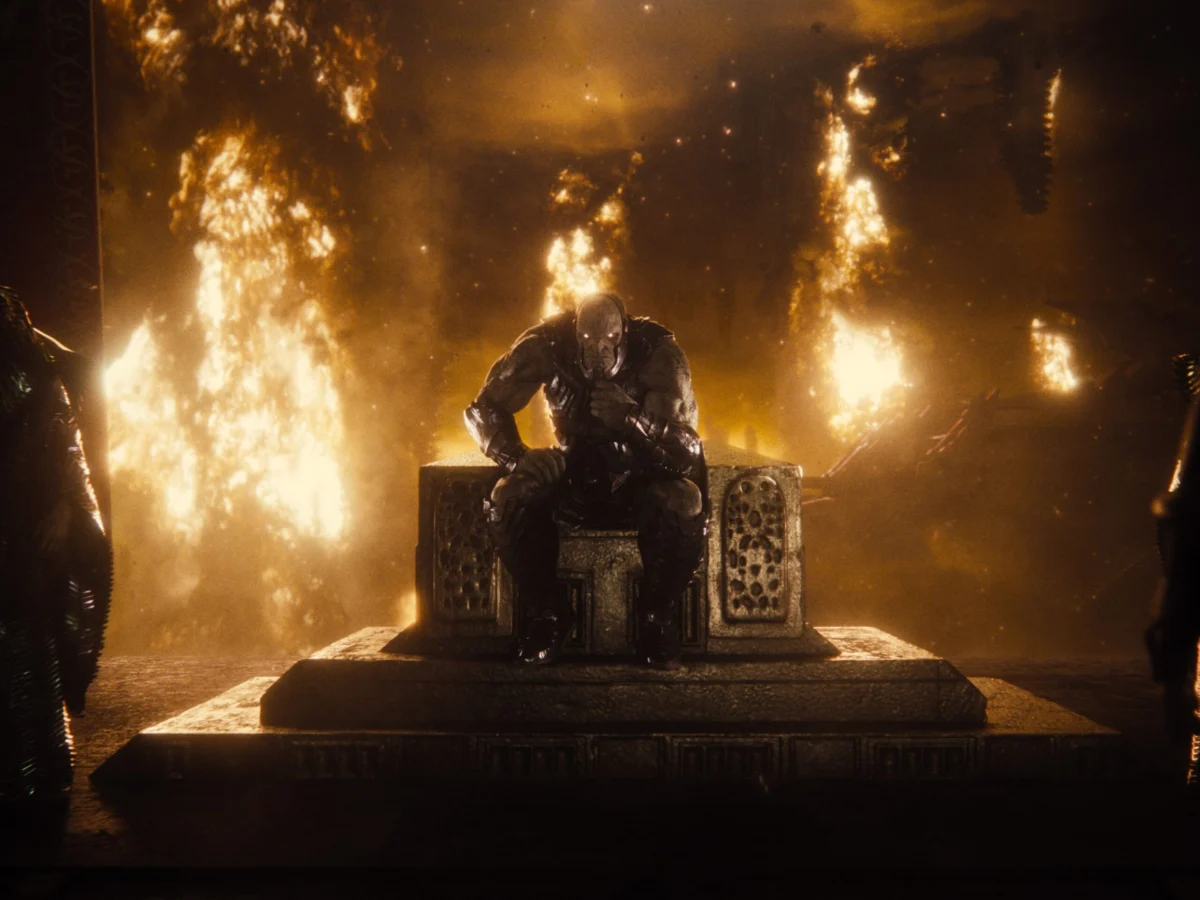
The DC Universe is expanding, but not in the way many fans initially expected. While James Gunn and Peter Safran’s new cinematic slate focuses on grounded threats like Lex Luthor and the cosmic menace of Brainiac, a darker, more existential corner of the DC mythos is preparing to take center stage. At the Annecy International Animation Film Festival, it was officially confirmed that the legendary New God, Darkseid—the ultimate embodiment of fascism and the Anti-Life Equation—will make his grand return to the DC screen in an ambitious new animated adaptation of Tom King’s acclaimed 2017 miniseries, Mister Miracle.
Helmed by King himself as showrunner and executive producer, the project promises to move away from the blockbuster spectacle of previous DC outings, opting instead for a prestige, character-driven drama that draws inspiration from the Golden Age of television.
The Mythos: A Legacy of Jack Kirby
To understand the significance of Mister Miracle, one must look back at its creator, Jack Kirby. A Jewish World War II veteran, Kirby infused his "Fourth World" saga with his own harrowing experiences of war, tyranny, and the fight for human dignity. Darkseid was not merely a villain; he was the personification of absolute control, a "god of fascism" who sought to extinguish free will through the Anti-Life Equation.
"The characters he created for DC Comics are his most personal work, his most cosmic work, his most existential," Tom King remarked during the Annecy panel. "It is the one where he tried to look God in the face and draw him on a page." By adapting this specific narrative, King is positioning the new DC Universe to honor the intellectual and emotional weight of Kirby’s original vision, grounding it in the internal struggles of the gods themselves.
Chronology and Narrative Arc: From Apokolips to Coast City
The series follows Scott Free, the son of Highfather, the ruler of the benevolent New Genesis. In a desperate attempt to broker a fragile peace between the warring planets of New Genesis and Apokolips, a pact was struck: the sons of the two leaders would be traded. Scott was raised in the hellish, torture-filled orphanages of Apokolips, ruled by the iron fist of Darkseid’s disciple, Granny Goodness.
The narrative of the upcoming series will mirror the 2017 comic’s structure, which begins with a jarring, intimate act of self-destruction: Scott Free attempting suicide. This serves as the catalyst for a deep dive into the psyche of a character who has endured the worst the universe has to offer and survived, only to find himself trapped by the mundane realities of domestic life.
The story oscillates between the cosmic scale of the war for the universe and the quiet, often surreal life Scott shares with Big Barda—a former commander of Darkseid’s Female Furies—in an Earth-based setting reminiscent of Los Angeles. It is a story about the "aftermath" of trauma, focusing on how a couple—both survivors of a brutal upbringing—find the strength to love one another while being pulled back into the machinations of their divine families.
Supporting Data: Why This Approach Matters
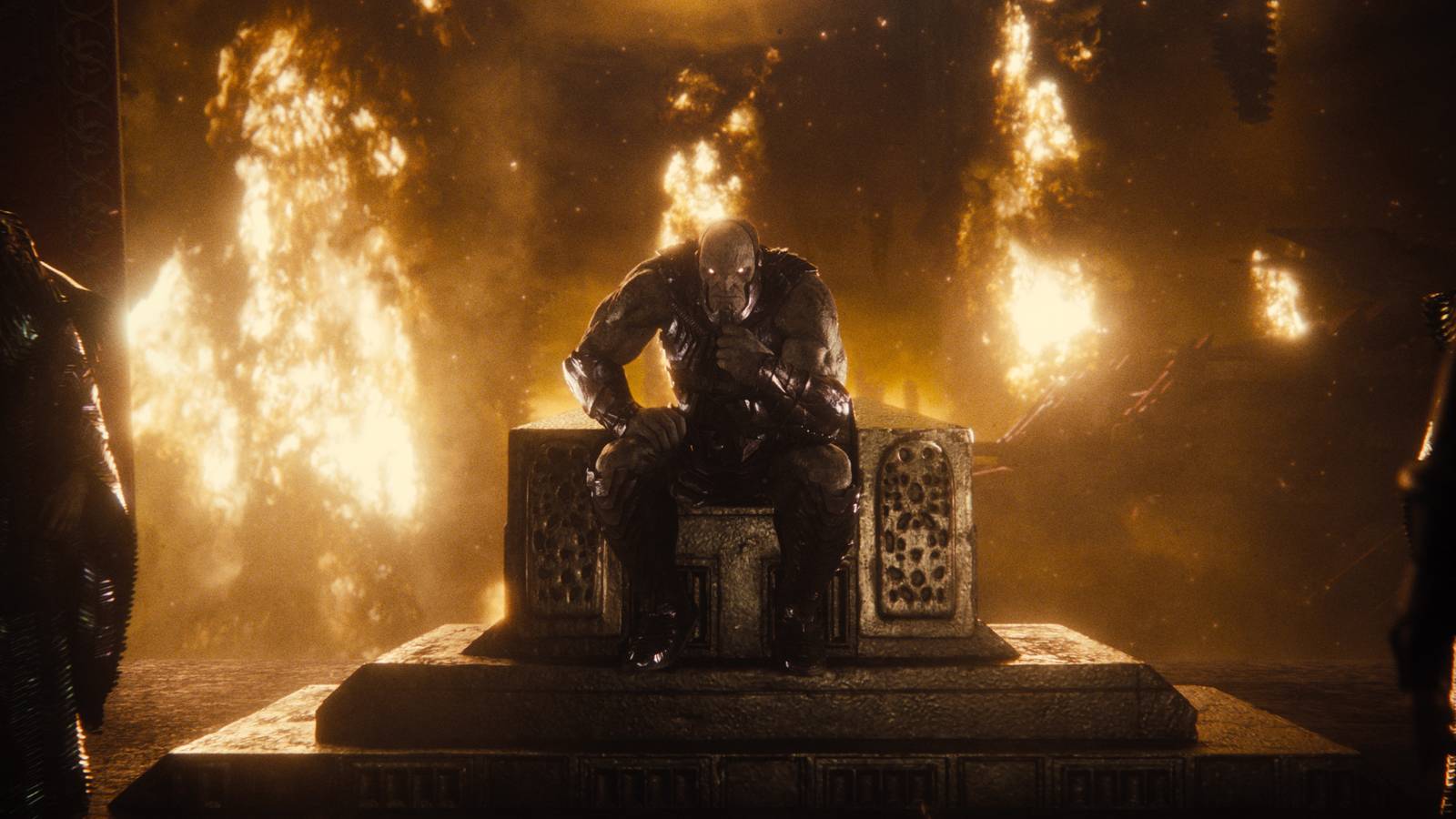
The decision to produce Mister Miracle as an animated prestige drama—akin to the narrative density of Mad Men or The Sopranos—is a calculated move by DC Studios. While the "Snyderverse" utilized Darkseid as a looming, physical threat, King’s adaptation intends to treat him as a psychological weight.
Production is currently underway with a powerhouse team: Warner Bros. Animation and Titmouse Paris. The latter is renowned for their work on the critically acclaimed Scavenger’s Reign and the stylized, visually arresting segments of Love, Death & Robots. The choice of animation as a medium is deliberate; it allows for the surreal, Kirby-esque visuals of the Fourth World to be rendered with an aesthetic fidelity that live-action might struggle to replicate on a television budget.
By grounding the series in "human" problems—marriage, depression, the legacy of abuse, and the difficulty of finding peace—the production team aims to reach an audience that craves more than standard superhero fare. As King noted, "This is something very special to me, and not just special to me, but special to a particular audience of people who have gone through what Scott had gone through."
Official Responses and Creative Vision
The journey to bring this series to life was not a foregone conclusion. Tom King admitted that he was initially hesitant to adapt the comic, feeling that its personal nature made it a difficult property to translate into a multi-episode format. It was the personal intervention of DC Studios co-CEOs James Gunn and Peter Safran that ultimately convinced him to move forward.
King’s vision for the series is one of reconstruction. "It’s not a story about trauma, it’s a story about what happens after trauma," he explained to the Annecy audience. "It’s a love story between a husband and a wife, finding each other again, raising each other up again, and then using that power to fight in the cosmic war that Jack Kirby started."

While Darkseid has been officially cast, the production team is keeping the identity of the voice actor under strict wraps. This secrecy, combined with the high-caliber pedigree of the animation studios involved, suggests that DC is treating this project as a flagship entry in its new, more diverse storytelling ecosystem.
Implications for the New DC Universe
The introduction of Darkseid via Mister Miracle signifies a paradigm shift for the DC Universe. By positioning him through the lens of a domestic, character-focused drama, Gunn and Safran are signaling that the new DC slate will prioritize thematic depth over pure continuity.
Implications for Future Storytelling:
- Genre Fluidity: The success of Mister Miracle could pave the way for other "prestige" animated projects, moving the brand away from strictly action-oriented content and into psychological drama.
- The "Fourth World" Integration: Successfully introducing the New Gods in a grounded, emotional context provides a blueprint for how to handle other "high-concept" cosmic characters without alienating casual viewers.
- The "King" Influence: As a former CIA officer and a critically lauded writer, King’s involvement suggests a commitment to nuanced, morally complex narratives that reflect the messy, often contradictory nature of heroism.
Conclusion: A New Era for the New Gods
As production continues, the anticipation surrounding Mister Miracle remains high. It is a bold experiment: an adaptation of one of the most beloved and unconventional superhero stories of the last decade, brought to life by the very man who wrote it.
Whether the series will ultimately succeed in capturing the "existential dread" of Kirby’s work remains to be seen. However, by choosing to focus on the human heart of Scott Free and the harrowing shadow of his father, Darkseid, DC is proving that even the most powerful gods in the universe are, at their core, defined by their ability—or inability—to overcome their pasts. As the cosmic war looms on the horizon, the audience is left waiting to see how this "love letter to Jack Kirby" will redefine the stakes of the DC Universe for a new generation.