By International Affairs Desk
Updated: August 31, 2026 – 02:10 GMT
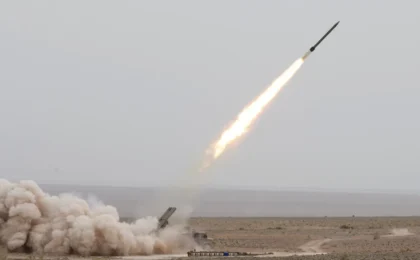
In a significant military development that threatens to reignite regional hostilities, United States forces conducted a precision strike against Iranian rocket launchers stationed along the Strait of Hormuz early Sunday morning. The operation, which marks the first direct US military action in the region in over 30 days, has shattered a fragile, month-long period of relative calm in what has become a grinding, intermittent war spanning more than half a year.
The strike, which resulted in multiple casualties according to Tehran, has prompted immediate vows of retaliation from the Iranian leadership, heightening fears that the conflict is entering a more volatile and unpredictable phase.
Main Facts: The Sunday Morning Strike
The tactical operation was executed in the early hours of August 31, targeting mobile rocket launcher batteries that U.S. intelligence sources claimed were being prepared for an imminent assault on commercial shipping lanes. The Strait of Hormuz, a critical maritime chokepoint through which approximately 20% of the world’s total petroleum consumption passes, has been the primary theater of this six-month conflict.
Pentagon officials confirmed that US naval aviation assets, supported by regional surveillance platforms, successfully neutralized the threat. "This was a defensive measure necessitated by the clear and present danger posed to international maritime traffic," a spokesperson stated. Conversely, Iranian state media reported that the strike killed several military personnel manning the sites, characterizing the move as an "unprovoked act of aggression" and a violation of Iranian sovereignty.
Chronology: Six Months of Intermittent Conflict
To understand the gravity of Sunday’s escalation, one must look at the timeline of the broader conflict, which has been defined by high-intensity bursts of violence followed by uneasy standoffs.
- February 2026: The conflict began with a series of skirmishes following the seizure of a foreign-flagged tanker in the Persian Gulf.
- March – April 2026: Naval skirmishes increased in frequency. Both nations traded drone strikes, leading to the destruction of several patrol vessels.
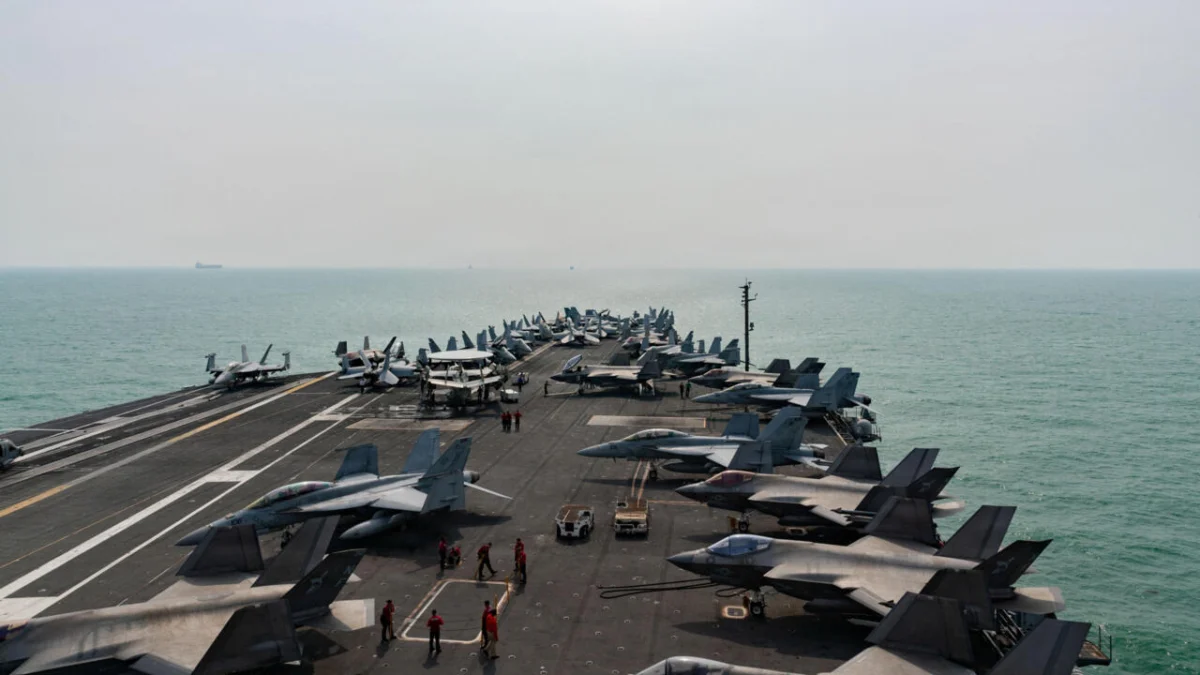
- May 2026: A period of "total war" rhetoric emerged, leading to a massive deployment of US carrier strike groups, including the USS George Washington, to the region.
- July 2026: International diplomatic efforts attempted to broker a ceasefire. While not formally signed, a de-facto lull in direct kinetic engagement emerged throughout August, giving rise to hopes that a wider regional war might be averted.
- August 31, 2026: The ceasefire-by-omission ends as US forces strike Iranian launchers, citing intelligence of an "imminent threat."
Supporting Data: The Strategic Importance of Hormuz
The persistence of this conflict is rooted in the strategic geography of the Strait of Hormuz. The waterway is roughly 21 miles wide at its narrowest point, but the shipping lanes in either direction are only two miles wide. Any disruption here has immediate, global economic consequences.
Data from the International Energy Agency (IEA) indicates that global oil prices spiked by 4.2% within hours of the announcement of the strikes. Insurance premiums for vessels transiting the Gulf have reached historic highs, with shipping companies opting for longer, more expensive routes around the Cape of Good Hope to avoid the area.
Furthermore, the deployment of the USS George Washington—a Nimitz-class aircraft carrier—has been the cornerstone of the US strategy. With a displacement of over 100,000 tons and an air wing capable of projecting power across the entire theater, the ship serves as the primary deterrent against Iranian shore-to-sea missile batteries. However, as Sunday’s events prove, the presence of such massive naval assets has not prevented the Iranian military from maintaining a persistent, asymmetric threat.
Official Responses and Diplomatic Fallout
The international reaction to the strike has been deeply polarized, reflecting the global divide over the ongoing confrontation.

The United States and Allies
Washington maintains that the strike was a targeted, surgical operation aimed solely at protecting the freedom of navigation. White House officials have emphasized that the US does not seek an expansion of the conflict but will continue to act in self-defense. Several NATO allies have expressed "understanding" of the US position, citing the vital importance of maintaining energy supply chains.
Iran and Regional Proxies
Tehran has adopted a belligerent stance, with the Supreme Leader’s office warning that the "blood of the martyrs" will be avenged. Iranian military commanders have suggested that they are no longer bound by the "unspoken understandings" that maintained the peace during August. Regional proxies across the Middle East have been placed on high alert, with intelligence reports suggesting a coordinated posture of readiness for potential retaliatory strikes.
International Organizations
The United Nations has called for "maximum restraint" from all parties. The UN Security Council is expected to meet in an emergency session later today to discuss the security of the Strait. However, analysts suggest that the prospects for a diplomatic breakthrough are currently at an all-time low.
Implications: A New Phase of the War?
The decision by the US to engage targets after a month-long lull suggests a shift in military doctrine. For several weeks, the US had appeared to be prioritizing "containment over confrontation," hoping that the economic strain of the conflict would force a change in Iranian behavior. Sunday’s strike signals that Washington has returned to a policy of active deterrence.
1. Risk of Miscalculation
The primary danger now lies in the risk of miscalculation. With both sides in a state of high alert, a minor tactical error—such as an accidental interception or a misidentified drone—could trigger an uncontrollable escalation.
2. Economic Volatility
The global economy remains highly sensitive to events in the Strait. If the current skirmish escalates into a sustained blockade or repeated attacks on shipping, the world could face a significant energy price shock, compounding existing inflationary pressures in the West and beyond.
3. The Role of Regional Actors
Regional neighbors, particularly Gulf Cooperation Council (GCC) states, are trapped in a precarious position. While many rely on US security guarantees, they are also deeply concerned that they will become the primary targets of Iranian retaliation if the conflict spirals. Diplomacy in the coming days will likely focus on preventing these nations from being dragged into a direct, large-scale kinetic war.
Conclusion: A Fragile Future
As the sun sets on the Strait of Hormuz, the region remains in a state of suspended animation. The silence following the strike is not one of peace, but of anticipation. With Tehran promising a "harsh and decisive" response, the international community is once again reminded that the conflict in the Middle East is far from settled.
For the crews of the ships currently passing through the narrow corridor and for the populations watching from afar, the events of August 31 mark a turning point. The month-long lull, which many had hoped was a precursor to a lasting resolution, has been revealed as nothing more than a brief intermission in a much longer, more dangerous struggle.
Follow our liveblog throughout the day for continuous updates, satellite imagery analysis, and expert commentary on the evolving situation in the Strait of Hormuz.