Main Facts: Senate Panel Accuses Pill Makers of Regulatory Noncompliance
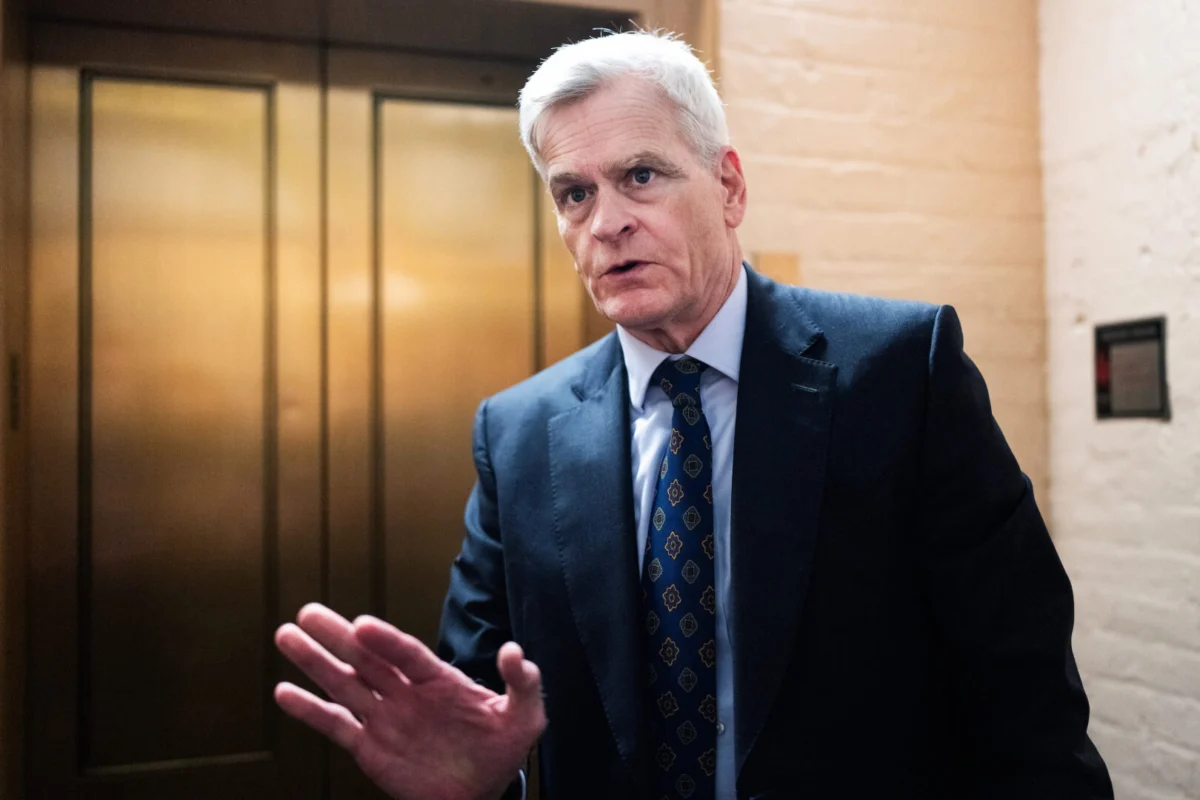
A months-long investigation by the Senate Health, Education, Labor and Pensions (HELP) Committee has culminated in a sweeping report accusing the primary U.S. manufacturers of medication abortion drugs of failing to adhere to federal safety standards. Released by Committee Chairman Bill Cassidy (R-LA), the report contends that pharmaceutical companies are permitting unapproved third-party online services to distribute mifepristone without required oversight, adequate patient screening, or sufficient tracking of non-fatal adverse events.
The report focuses on three major entities involved in the production and distribution of mifepristone: Danco Laboratories, GenBioPro, and Evita Solutions. Senator Cassidy, a physician who is set to retire from Congress in January, called on the U.S. Department of Justice (DOJ) and the Food and Drug Administration (FDA) to take immediate enforcement action. Specifically, the report urges the DOJ to explore legal channels to prosecute what it characterizes as willful noncompliance with safety mandates, while demanding that the FDA reinstate strict in-person dispensing rules.
       SENATE HELP COMMITTEE REPORT AT A GLANCE
┌───────────────────────────┬──────────────────────────────────────────┐
│ Target Manufacturers      │ Danco Laboratories, GenBioPro, Evita     │
├───────────────────────────┼──────────────────────────────────────────┤
│ Key Allegations           │ • Lack of third-party retail oversight   │
│                           │ • Underreporting of non-fatal events     │
│                           │ • Off-label prescribing past 10 weeks    │
├───────────────────────────┼──────────────────────────────────────────┤
│ Recommended Actions       │ • DOJ noncompliance investigations       │
│                           │ • Re-establishment of FDA in-person rule │
└───────────────────────────┴──────────────────────────────────────────┘
At the core of the committee’s findings is the assertion that online platforms, most notably Aid Access—a digital service founded by a European physician and abortion-rights activist—operate outside established regulatory guardrails. The report highlights that Aid Access advertises medication abortion access up to 14 weeks of gestation, exceeding the FDA-approved limit of 10 weeks. Furthermore, the report claims that manufacturers Danco and GenBioPro admitted during the inquiry that they play no active role in ensuring third-party prescribers maintain compliance with the FDA’s Risk Evaluation and Mitigation Strategy (REMS) program, despite linking to such services on their official platforms.
"We are seeing that the explosion in online sales of chemical abortion drugs has opened the door to coercion and abuse of women," Cassidy said in an official statement accompanying the report. While the Louisiana Republican has not scheduled immediate legislative hearings or introduced new bills tied to the report prior to his upcoming departure from office, the findings add significant momentum to the broader conservative challenge against tele-abortion frameworks nationwide.
Chronology: The Regulatory and Legal Evolution of Mifepristone
The regulatory history of mifepristone in the United States spans a quarter-century, characterized by shifting administrative policies, safety protocols, and intense judicial scrutiny.
  2000               2016                2021               2022                2023–Present
───┼──────────────────┼───────────────────┼──────────────────┼───────────────────┼──────────────►
 FDA approves     FDA expands use      FDA permanently    Dobbs ruling       Medication abortion
 mifepristone     to 10 weeks; shifts  lifts in-person    overturns Roe;     reaches 63% of US total;
 under strict     adverse event        dispensing rule    telehealth demand  5th Circuit hearing;
 REMS rules       reporting rules      during pandemic    surges             Senate HELP report
Initial Approval and Strict Controls (2000–2015)
- September 2000: The FDA approves mifepristone (Mifeprex), manufactured by Danco Laboratories, for the medical termination of early pregnancy through seven weeks of gestation. The approval is granted under strict conditions requiring three in-person office visits by the patient.
- 2007–2011: The FDA formalizes safety protocols under the Risk Evaluation and Mitigation Strategy (REMS) framework, mandating that only certified healthcare providers dispense the drug in clinical settings.
Expansion and Reporting Modifications (2016–2020)
- March 2016: Under the Obama administration, the FDA alters the REMS framework. The approved gestational limit is extended from 7 to 10 weeks, the required dosage of mifepristone is reduced, and the mandatory in-person visit requirement is lowered from three to one. Crucially, the FDA alters manufacturer reporting requirements, instructing distributors to report only fatal adverse events rather than all non-fatal complications.
- 2019: The FDA approves GenBioPro’s generic version of mifepristone, broadening commercial availability.
Pandemic Policies and Telehealth Expansion (2020–2023)
- April 2021: Spurred by public health challenges during the COVID-19 pandemic, the Biden administration temporarily suspends the in-person dispensing requirement, allowing mifepristone to be prescribed via telemedicine and delivered by mail.
- December 2021: The FDA makes the pandemic-era telehealth waiver permanent, permitting certified mail-order and brick-and-mortar retail pharmacies to fulfill mifepristone prescriptions.
- June 2022: The Supreme Court overturns Roe v. Wade in Dobbs v. Jackson Women’s Health Organization, prompting several states to enact complete abortion bans and driving demand toward out-of-state mail-order and digital providers.
- January 2023: The FDA formally updates the REMS protocol to allow certified retail pharmacies to stock and dispense mifepristone directly to patients.
Judicial Challenges and Senate Investigation (2023–Present)
- April 2023: Anti-abortion organizations file suit challenging the FDA’s initial 2000 approval and subsequent regulatory modifications. The U.S. Supreme Court issues an emergency stay, maintaining nationwide access to mail-order mifepristone while litigation proceeds.
- Late 2023–2024: The Senate HELP Committee initiates a multi-month investigation into Danco, GenBioPro, and Evita Solutions, culminating in the report calling for DOJ enforcement and a return to in-person care requirements.
Supporting Data: Shift in Utilization and Adverse Event Tracking
The Senate HELP Committee’s report relies heavily on shifts in reporting metrics to argue that safety oversight has degraded over time. A major focal point is the disparity in recorded non-fatal adverse events before and after the 2016 FDA policy shift.
According to data cited in the committee report:
- Pre-2016 Baseline: Between initial approval in 2000 and the regulatory modifications in 2016, Danco Laboratories submitted roughly 4,000 non-fatal adverse event reports to the FDA.
- Post-2016 Metrics: Over the decade following the removal of the non-fatal reporting requirement, Danco submitted only 150 non-fatal adverse event reports.
    NON-FATAL ADVERSE EVENT REPORTS SUBMITTED BY DANCO LABORATORIES

  4,000 ┌────────────────────────────────────────┐
        │                                        │
  3,000 │                                        │
        │                                        │
  2,000 │                                        │
        │                                        │
  1,000 │                                        │
        │                                        │ 150
      0 └────────────────────────────────────────┴────────────────
             2000–2016 (Mandatory Reporting)       2016–Present (Fatal Only)
While conservative lawmakers interpret this sharp decline as evidence of structural underreporting and diminished safety tracking, public health researchers and medical associations view it as a reflection of the drug’s established safety profile, which eliminated the administrative necessity of tracking routine, non-critical side effects.
Utilization Trends Across the United States
Medication abortion has grown to constitute the majority of abortion care nationwide. Data compiled by the Guttmacher Institute, a research organization advocating for reproductive rights, demonstrates how quickly telehealth and mail-order mechanisms expanded following regulatory adjustments:
               SHARE OF U.S. ABORTIONS VIA MEDICATION

  100% ┌────────────────────────────────────────────────────────┐
       │                                                        │
   75% │                                                        │
       │                                               63%      │
   50% │                                           ┌────────────┤
       │                                  39%      │            │
   25% │                         24%  ┌────────────┤            │
       │                5%   ┌────────┤            │            │
    0% └─────────────┬───────┴────────┴────────────┴────────────┘
2001 2014 2017 2023- Statistical Overview: By 2023, medication abortion accounted for 63% of all healthcare-provided abortions in the U.S., up from 53% in 2020 and 39% in 2017.
- Patient Volume: More than 7 million women in the United States have utilized mifepristone since its approval in 2000.
- Off-Label Usage: The report notes that digital platforms such as Aid Access offer services through 14 weeks of gestation, whereas FDA clinical trial data and approvals cap recommended home administration at 10 weeks (70 days).
Official Responses: Defense of Safety vs. Allegations of Oversight Gaps
The findings of the Senate HELP Committee sparked immediate pushback from pharmaceutical manufacturers, regulatory specialists, and congressional Democrats, highlighting a sharp divide over FDA processes and medical safety standards.
Response from Pharmaceutical Manufacturers
Both major producers of mifepristone rejected the committee’s conclusions, arguing that the report distorts standard pharmaceutical regulation and misinterprets the legal boundaries of manufacturer responsibilities.
┌─────────────────────────────────────────────────────────────────────────┐
│                     MANUFACTURER STATEMENTS                             │
├─────────────────────────────────────────────────────────────────────────┤
│ GenBioPro:                                                              │
│ "GenBioPro is deeply committed to complying with all regulatory         │
│ frameworks that govern our business and disputes any suggestion to the │
│ contrary. Furthermore, the safety and efficacy of mifepristone is       │
│ backed by more than a quarter century of rigorous scientific research,  │
│ regulatory review, and real-world use, and remains unchanged."          │
├─────────────────────────────────────────────────────────────────────────┤
│ Danco Laboratories:                                                     │
│ A spokesperson accused the committee of "cherry picking" details to     │
│ construct a narrative of negligence, asserting that the report demonstrates │
│ a fundamental "lack of understanding about FDA regulatory processes" and │
│ the statutory limits placed on drug distributors regarding individual   │
│ medical practices.                                                      │
└─────────────────────────────────────────────────────────────────────────┘
Both distributors emphasized that under FDA REMS rules, drug manufacturers are responsible for certifying prescribers and distributors who register directly with them, but cannot legally dictate or police how individual, independent clinicians exercise their medical judgment—including off-label prescribing or participation in external telehealth networks.
Position of Congressional Democrats and Medical Advocates
Democratic lawmakers and medical organizations, including the American College of Obstetricians and Gynecologists (ACOG), strongly defended the current regulatory framework. They maintain that decades of clinical usage demonstrate mifepristone’s safety profile, which rivals common over-the-counter pain relievers.
In an amicus brief submitted to the Supreme Court regarding ongoing mifepristone litigation, more than 250 House and Senate Democrats defended mail-order access:
"Preserving evidence-based access to mifepristone, including when dispensed by mail or retail pharmacy, is necessary to mitigate the imminent harm facing members of the public," the lawmakers wrote, warning that reinstating in-person requirements would place disproportionate burdens on low-income patients, rural residents, and individuals living under state-level abortion bans.
Executive and Regulatory Silence
For its part, the FDA is conducting an internal review of mifepristone safety protocols—a process initiated under political pressure from anti-abortion organizations and conservative lawmakers. Senator Cassidy publicly criticized the agency for "dragging its feet" on completing this reassessment. The FDA declined to comment on the status of its review or respond directly to the allegations leveled in the HELP Committee report.
Legal and Political Implications: The Battle Ahead
The release of the Senate HELP Committee report comes as medication abortion faces pivotal legal battles that could reshape reproductive healthcare access across the country.
                           KEY LEGAL BATTLEGROUNDS
┌──────────────────────────────────┬──────────────────────────────────────┐
│ Pending Fifth Circuit Case       │ Oral arguments scheduled for         │
│ (Louisiana v. FDA)               │ September 9                          │
├──────────────────────────────────┼──────────────────────────────────────┤
│ Core Legal Questions             │ • Authority of FDA over REMS         │
│                                  │ • Legality of mail-order delivery    │
│                                  │ • Preemption over state ban laws    │
├──────────────────────────────────┼──────────────────────────────────────┤
│ State Shield Laws                │ Protecting clinicians who mail pills │
│                                  │ into restricted jurisdictions        │
└──────────────────────────────────┴──────────────────────────────────────┘
Pending Litigation: Louisiana v. FDA
The most immediate flashpoint is a pending lawsuit brought by the state of Louisiana against the FDA, challenging the federal decision to remove in-person dispensing requirements and permit mail delivery of medication abortion.
- September 9 Hearing: The U.S. Court of Appeals for the Fifth Circuit is scheduled to hear oral arguments in the case. The outcome could potentially restrict mail delivery or re-impose in-person mandate requirements nationwide.
- Supreme Court Backdrop: Although the Supreme Court turned back a procedural challenge to mifepristone on standing grounds earlier this year, it maintained an emergency stay that preserves telemedicine access while substantive legal challenges proceed through lower courts.
Shield Laws and State-Level Conflict
The controversy surrounding third-party digital providers like Aid Access highlights a growing legal debate over state sovereignty and federal authority. Following the Dobbs decision, several blue states passed "shield laws" designed to protect local healthcare providers who prescribe and mail abortion pills to patients residing in states with total abortion bans.
- Jurisdictional Conflicts: Anti-abortion state attorneys general argue that cross-border mail-order prescriptions violate state laws banning abortion, asserting that out-of-state entities infringe upon state regulatory authority.
- Federal Preemption Debates: Proponents of medication abortion access contend that FDA approval of pharmaceuticals preempts state-level prohibitions, creating a constitutional clash over federal preemption under the Supremacy Clause.
Congressional and Executive Outlook
With Senator Cassidy set to retire in January, the HELP Committee report serves as a policy blueprint for anti-abortion lawmakers in future legislative sessions. While immediate statutory changes remain unlikely due to a divided Congress, the report provides a framework for potential executive action should a future administration seek to direct the FDA or DOJ to re-impose restrictions on mifepristone.
As the Fifth Circuit prepares to hear arguments on September 9, the debate over medication abortion remains at the center of American legal, political, and public health disputes, highlighting deep divisions over federal drug regulation, clinical safety standards, and state authority over healthcare.