WASHINGTON — Federal and local law enforcement authorities on Capitol Hill are re-examining security protocols around the Congressional perimeter after a California man was arrested in possession of a fully functional, 10-foot-tall guillotine mounted in the back of his pickup truck.
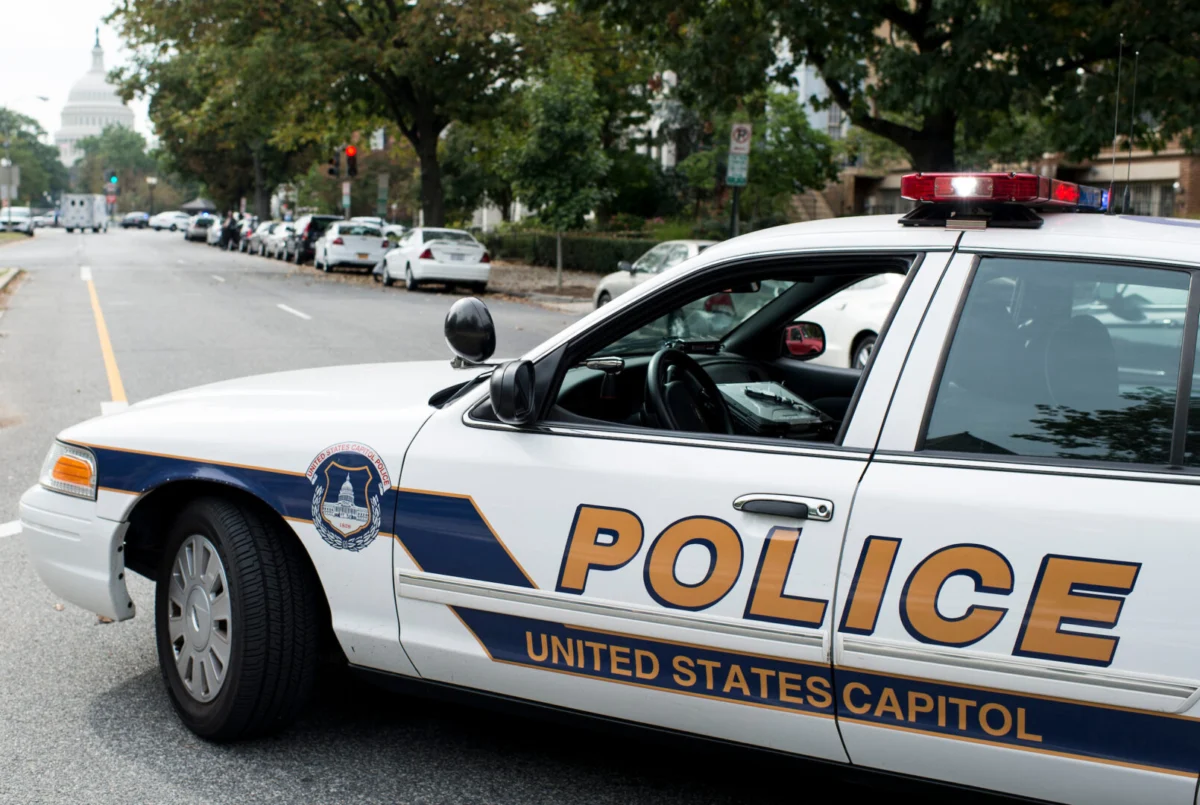
The suspect, identified as Philan Tam Duy Le, was apprehended by the United States Capitol Police (USCP) on Tuesday after parking illegally near the Library of Congress. Despite the alarming nature of the apparatus—which officers confirmed featured a sharpened, angled metal blade—Le was charged with a single misdemeanor count of attempted possession of a prohibited weapon and released from custody on Wednesday pending his next court appearance in late September.
The incident has reignited discussions among security analysts, lawmakers, and federal law enforcement regarding security perimeters around the Capitol complex, particularly during Congressional recesses when the grounds experience lower foot traffic but remain highly vulnerable to security anomalies.
Main Facts of the Case
Discovery and Arrest Near the Library of Congress
According to sworn affidavits filed in the Superior Court of the District of Columbia, the encounter began as a routine parking enforcement check. U.S. Capitol Police officers on patrol identified a pickup truck parked in a restricted, permit-only zone directly adjacent to the Library of Congress, a critical building within the heavily monitored Capitol precinct.
Upon closer inspection of the vehicle, officers observed a massive wooden frame extending upward from the truck bed. The structure was identified as a 10-foot-tall guillotine. Sitting on the side of a platform integrated into the truck bed was Philan Tam Duy Le.
+-------------------------------------------------------------------------+
|                         INCIDENT SUMMARY TABLE                          |
+----------------------+--------------------------------------------------+
| Suspect              | Philan Tam Duy Le (California resident)          |
| Date of Arrest       | Tuesday (Late August 2026)                       |
| Location             | Permit-only zone near Library of Congress        |
| Object Seized        | 10-foot-tall guillotine with sharpened metal blade|
| Initial Charge       | Attempted possession of a prohibited weapon (Misd)|
| Legal Status         | Released on recognizance; Next hearing Sept. 24  |
+----------------------+--------------------------------------------------+
When officers initially questioned Le regarding his presence on Capitol grounds, he offered detached and ambiguous explanations. According to court records, Le explicitly informed investigators that he “wasn’t there for any specific reason” and maintained that he “didn’t have issues with specific members of Congress.”
Physical Inspection of the Weapon
Security concerns escalated rapidly when officers began examining the mechanics of the apparatus. When an investigating officer inquired whether the guillotine was merely a decorative prop or an operational mechanism, Le reportedly responded: “Yeah, it’s the real deal, man.”
An officer subsequently conducted a physical inspection of the mechanism. The police affidavit documents that the officer tapped on the blade assembly, verifying that the heavy blade was constructed of solid metal and had been sharpened at a precise cutting angle.
Beyond the lethal apparatus in the cargo bed, officers noted that the interior of the truck exhibited signs of extended long-distance travel and living. The passenger compartment was filled with discarded food debris, piles of clothing, and personal trash, with a makeshift sleeping platform constructed across the front passenger seat.
Chronology of Events
The timeline of the arrest, security sweep, and subsequent legal processing unfolded over a 36-hour period across multiple law enforcement jurisdictions in the District of Columbia.
+-------------------------------------------------------------------------+
|                           TIMELINE OF EVENTS                            |
+-------------------------------------------------------------------------+
| Tuesday, Morning     | USCP officers spot illegally parked truck near   |
|                      | the Library of Congress.                         |
|----------------------+--------------------------------------------------|
| Tuesday, Midday      | Officers discover 10-foot guillotine; blade is   |
|                      | confirmed operational and sharpened.             |
|----------------------+--------------------------------------------------|
| Tuesday, Afternoon   | K-9 units (USCP & MPD) perform explosive and     |
|                      | firearm sweeps; results return negative.         |
|----------------------+--------------------------------------------------|
| Tuesday, Evening     | Le is taken into custody; truck impounded.       |
|----------------------+--------------------------------------------------|
| Wednesday, Morning   | Arraignment in D.C. Superior Court; charged with |
|                      | misdemeanor attempted weapon possession.         |
|----------------------+--------------------------------------------------|
| Wednesday, Afternoon | Suspect released on recognizance; hearing set    |
|                      | for September 24.                                |
+----------------------+--------------------------------------------------+
Initial Encounter and Questioning
- 09:30 AM – Routine Patrol Identification: Capitol Police units spot a pickup truck occupying a permit-only space without displaying valid Congressional parking credentials.
- 09:35 AM – Direct Contact: Officers approach the vehicle and discover Le sitting beside the wooden structure. Upon seeing the wooden superstructure, officers initiate a field interview.
- 09:42 AM – Tactical Assessment: Le admits the blade is fully functional. Officers manually inspect the mechanism and confirm the presence of a sharpened steel blade designed to drop freely within the frame.
Specialized K-9 Sweeps and Multi-Agency Coordination
- 10:00 AM – Concealed Carry Inquiry: Le tells officers he holds a concealed carry weapon (CCW) permit in his home state of California. When asked if he currently has a firearm in his possession, Le states that the weapon is "not here."
- 10:15 AM – Firearms Sweep: Due to the potential presence of an undeclared firearm, officers request assistance from the Metropolitan Police Department (MPD). An MPD specialized firearm detection K-9 unit conducts a systematic search of the vehicle. The sweep yields negative results.
- 10:45 AM – Explosives Sweep: A U.S. Capitol Police K-9 unit trained in hazardous materials and explosive detection conducts a secondary sweep of the truck interior and cargo bed. This sweep also yields negative results.
Detention, Booking, and Release
- 11:30 AM – Arrest and Seizure: Le is formally placed under arrest for weapons violations within the District of Columbia. His vehicle, along with the guillotine, is impounded as evidence.
- Wednesday Morning – Court Appearance: Le appears before a magistrate in the District of Columbia Superior Court. Prosecutors formally file a charge of attempted possession of a prohibited weapon, classified under D.C. Law as a misdemeanor.
- Wednesday Afternoon – Pre-Trial Release: Over potential concerns regarding the symbolic and physical severity of the weapon, the court orders Le released on personal recognizance, scheduling his next status hearing for September 24.
Supporting Data and Security Context
The discovery of a heavy execution apparatus on Capitol grounds highlights an ongoing challenge for security agencies operating in the nation’s capital. While the U.S. Capitol Police secure a defined footprint encompassing federal buildings, congressional offices, and public parks, the surrounding streets remain public thoroughfares managed in conjunction with D.C. Metropolitan Police.
Rising Trend of Weapons Seizures on Capitol Grounds
The arrest of Philan Tam Duy Le is not an isolated breach, but rather part of a broader sequence of weapon-related interventions around the Capitol complex. Despite heightened surveillance and physical barriers erected since 2021, law enforcement officers routinely encounter armed individuals near the perimeter.
+-------------------------------------------------------------------------+
|           SELECT WEAPONS INCIDENTS NEAR CAPITOL COMPLEX (2026)          |
+-------------------+-----------------------------------------------------+
| Month             | Incident Description                                |
+-------------------+-----------------------------------------------------+
| February 2026     | Individual arrested while running toward officers   |
|                   | on Capitol grounds while armed with a bladed weapon.|
|-------------------+-----------------------------------------------------|
| July 2026         | Driver arrested after driving up to a Capitol       |
|                   | security barricade with a loaded firearm on lap.   |
|-------------------+-----------------------------------------------------|
| August 2026       | California resident arrested with 10-foot           |
|                   | operational guillotine in truck bed.                |
+-------------------+-----------------------------------------------------+
Statutory Framework Governing Weapons in D.C.
The legal resolution of the incident—charging Le with a misdemeanor rather than a felony—reflects the precise statutory language of District of Columbia weapon laws. Under D.C. Code § 22-4514, carrying or possessing certain dangerous weapons (such as dangerous knives, daggers, or specialized bladed instruments) with intent to use them unlawfully against another carries specific legal thresholds.
Because Le made no explicit verbal threats toward specific lawmakers, and because specialized sweeps revealed no secondary firearms or explosive devices, prosecutors were limited to charging him with attempted possession of a prohibited weapon, which carries a maximum penalty of up to one year in prison and fines, classified strictly as a misdemeanor.
Official Responses and Law Enforcement Findings
Following the arrest, federal law enforcement authorities issued statements detailing their ongoing investigation into Le’s background, travel history, and motivations.
U.S. Capitol Police Statement
In an official statement accompanied by photographic evidence of the seized guillotine, the U.S. Capitol Police confirmed that specialized intelligence analysts are conducting a thorough background investigation into the suspect.
"Our investigators are currently going through the suspect’s background to learn more about why he came to Washington, D.C., and what his intentions were while near the Capitol complex," the department stated. "The safety and security of the Capitol grounds, members of Congress, and the public remain our highest priority."
Law enforcement officials confirmed that investigators are analyzing Le’s digital footprint, financial transactions, and cross-country transit records to determine whether he acted alone or maintained connections to extremist groups or political organizations.
Pre-Trial Supervision and Release Conditions
The decision by the D.C. Superior Court to release Le on personal recognizance pending his September 24 hearing has drawn scrutiny from legal and security observers. Under the terms of his release, Le is required to submit to regular pre-trial check-ins and is explicitly barred from re-entering the perimeter of the U.S. Capitol complex or possessing dangerous weapons while his case remains pending.
Strategic and Political Implications
The arrest of a man transporting a functional guillotine to Capitol Hill carries profound symbolic and security implications, echoing historical events while highlighting unresolved challenges in protecting public democratic spaces.
The Shadow of Symbolic Violence on Political Grounds
For many observers and lawmakers, the presence of a guillotine on Capitol grounds evokes immediate memories of the violent imagery displayed during the January 6, 2021 attack on the U.S. Capitol, where rioters constructed a makeshift gallows complete with a hanging noose on the West Lawn.
Political analysts note that execution devices—whether gallows, nooses, or guillotines—have increasingly shifted from symbolic protest props to physical tools of intimidation.
+-------------------------------------------------------------------------+
|                  SECURITY VS. ACCESSIBILITY DYNAMICS                    |
+-------------------------------------------------------------------------+
| Challenges                                                              |
| • Open Public Access: Capitol Hill streets remain public thoroughfares. |
| • Misdemeanor Thresholds: Symbolic execution props often do not trigger  |
|   felony charges without explicit verbal threats.                       |
| • Lone-Actor Risk: Mobile platforms (trucks) allow rapid placement of  |
|   large instruments without prior intelligence flags.                  |
|-------------------------------------------------------------------------|
| Strategic Responses Under Consideration                                 |
| • Expansion of vehicle permit inspection zones during recess periods.   |
| • Enhanced federal coordination between USCP, MPD, and Park Police.     |
| • Potential statutory reviews regarding large-scale bladed weapons.     |
+-------------------------------------------------------------------------+
Protection Challenges During Congressional Recesses
The timing of the incident coincides with the August Congressional recess, a period during which both the Senate and the House of Representatives are out of session. While the absence of lawmakers reduces the immediate physical risk to elected officials, security experts warn that recess periods can create a false sense of security.
During recesses:
- Reduced Foot Traffic: Fewer staff members and tourists are present, which can make unusual vehicles stand out more quickly to law enforcement, as occurred in this instance.
- Perimeter Vulnerability: Lower operational posture can incentivize lone actors to attempt symbolic actions or test security perimeters when they perceive defenses may be relaxed.
- Multi-Agency Logistics: Ensuring seamless coordination between Capitol Police, D.C. Metropolitan Police, and the U.S. Secret Service remains critical, particularly when dealing with mobile threats operating out of personal vehicles.
Legal and Prosecutorial Dilemmas
The case underscores an ongoing prosecutorial dilemma within federal and municipal judicial systems: how to evaluate dangerous, non-traditional weapons that do not fit standard firearm statutes.
While federal law strictly regulates firearms and explosives near government facilities, large bladed execution mechanisms fall into complex legal gray areas. Without documented evidence of a specific plan to target a public official, federal prosecutors often rely on local misdemeanor weapons laws.
As Philan Tam Duy Le awaits his September 24 court appearance, law enforcement agencies continue to audit perimeter surveillance feeds and parking enforcement routines to ensure that unusual threats—no matter how unconventional—are identified and intercepted before reaching the steps of the Capitol.