The abduction of Corporal Jose Olger Melo Charry, a member of the French Foreign Legion, has sent shockwaves through both Bogotá and Paris, highlighting the persistent fragility of security in Colombia’s rural peripheries.
The Incident: A Routine Trip Turned Hostage Crisis
On August 6, what was intended to be a period of rest and recuperation for Jose Olger Melo Charry turned into a harrowing ordeal. A French-Colombian national serving as a corporal in the elite French Foreign Legion, Melo Charry was traveling through the volatile department of Nariño in southwestern Colombia. During his journey, he was intercepted and forcibly detained by armed individuals.
According to reports provided by the Colombian military and confirmed by local authorities, the captors specifically targeted the soldier upon discovering his affiliation with the French military. The abduction, which only came to light publicly this week, has since been attributed to the Estado Mayor Central (EMC), the primary breakaway faction of the Revolutionary Armed Forces of Colombia (FARC).
The EMC, which has refused to adhere to the historic 2016 peace accords that saw the main body of the FARC lay down its weapons, continues to exert significant control over vast swaths of rural Colombia. For the family of Corporal Melo Charry, the news of his capture has transformed a quiet homecoming into a nightmare, drawing the attention of international diplomatic channels.
Chronology of Events
- 2020: Jose Olger Melo Charry enlists in the French Foreign Legion, beginning a four-year tenure of service in one of the world’s most storied military units.
- August 6, 2026: While on leave in his home country, Melo Charry is intercepted by armed militants in the Nariño department. Intelligence reports suggest the captors identified his military status shortly after the initial detention.
- August 27, 2026: Military and civil authorities in Colombia officially acknowledge the kidnapping, confirming the identity of the victim and the group suspected of holding him.
- August 28, 2026: The Colombian government, under the newly inaugurated administration of President Abelardo de la Espriella, initiates internal protocols to address the hostage crisis, marking a major test for the administration’s new security doctrine.
The Anatomy of the Captors: The EMC and the Legacy of FARC
To understand the gravity of this kidnapping, one must examine the entity behind it. The Estado Mayor Central (EMC) is not merely a band of insurgents; it is a sophisticated, decentralized criminal enterprise that operates in the vacuum left by the demobilization of the FARC.
The group is currently under the influence of commanders such as the elusive "Ivan Mordisco," frequently cited as one of Colombia’s most-wanted figures. Unlike the original FARC, which was driven by a cohesive—albeit violent—Marxist-Leninist ideology, the EMC is primarily defined by its pursuit of illicit revenue. Their operations are heavily integrated into the global cocaine supply chain, illegal gold mining, and extortion rackets.

Kidnapping, a signature tactic of the original FARC, remains a key tool for these splinter groups. It serves two distinct purposes: financial gain through ransom demands and political posturing. By seizing a member of a prestigious foreign military, the EMC forces the Colombian state into a difficult corner, simultaneously testing the resolve of the new government and drawing unwanted international scrutiny to their territory.
Supporting Data: The Persistence of Kidnapping in Colombia
Despite the 2016 peace deal, which promised an end to the era of widespread kidnapping, the practice has seen a resurgence. Data from the Office of the Ombudsman and various NGOs indicate that the security landscape has deteriorated in regions like Nariño, Cauca, and Putumayo.
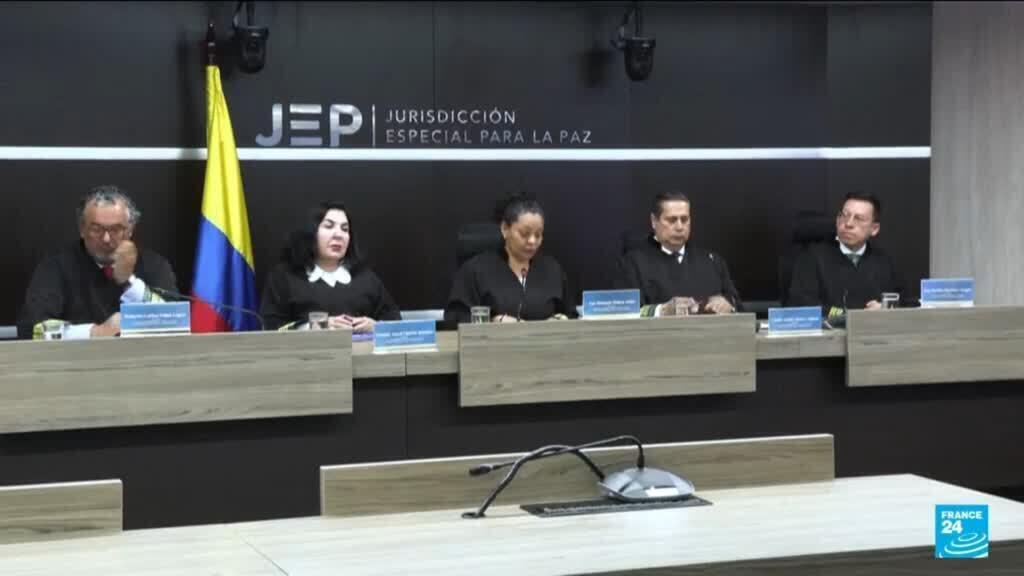
- The Scale of the Problem: Since the 2016 agreement, the Special Jurisdiction for Peace (JEP) has documented over 21,000 cases of kidnapping historically attributed to FARC-related entities. The current uptick represents a deviation from the trajectory of peace.
- Recruitment and Control: The use of social media, particularly platforms like TikTok, has revolutionized the way these groups recruit young people in impoverished regions, creating a constant stream of manpower for the EMC and other factions.
- Economic Drivers: The fusion of narco-trafficking and illegal mining provides these groups with the financial armor to resist state integration, making them more resilient than the insurgencies of the late 20th century.
Official Responses and the Shift in Security Policy
The kidnapping of Corporal Melo Charry arrives at a pivotal moment in Colombian politics. The administration of President Abelardo de la Espriella has signaled a radical departure from the policies of his predecessor, Gustavo Petro.
While the Petro administration pursued a "Total Peace" strategy, seeking dialogue and negotiated settlements with armed groups, the current government has adopted a policy of confrontation. President de la Espriella has explicitly vowed to dismantle these criminal networks, coordinating closely with the United States to regain control of territories lost to armed factions.
"We will not negotiate with those who hold the dignity of our citizens and our international partners hostage," a spokesperson for the Ministry of Defense stated on Thursday. The French government, while maintaining a level of diplomatic discretion, is understood to be in constant contact with Colombian officials to ensure the safety of their soldier. The French Foreign Legion, a unit known for its fierce protection of its own, remains a silent but watchful presence in the background of these negotiations.
Implications: A Diplomatic and Military Quagmire
The abduction of a French citizen who is also a professional soldier complicates the situation significantly. For the Colombian government, it is a matter of sovereignty and the ability to maintain order within its borders. For France, it is a matter of protecting a member of its armed forces who, though on leave, remains a symbol of the French Republic.
1. The Risk of Escalation
The aggressive stance of the new administration, combined with the volatility of the EMC, increases the risk of a botched rescue operation or a long-term standoff. If the military attempts a kinetic rescue, the lives of the hostage and potential collateral civilians are at extreme risk.
2. International Reputation
Colombia is currently attempting to rebrand itself as a destination for international investment and tourism. The visibility of a kidnapping involving a foreign national threatens to reverse these efforts, signaling to the world that "peace" remains an elusive concept in the rural interior.
3. The Future of Counter-Insurgency
The case will likely serve as a benchmark for the efficacy of the de la Espriella administration’s security doctrine. If the government can successfully secure the release of Corporal Melo Charry without succumbing to ransom demands, it will be a significant victory for their "tough-on-crime" platform. Conversely, if the situation stagnates, the government may be forced to acknowledge that military force alone is insufficient to address the deep-seated grievances and economic realities that fuel the EMC’s existence.
Conclusion
As the sun sets over the rugged terrain of Nariño, the fate of Jose Olger Melo Charry hangs in the balance. The incident is a sobering reminder that the shadows of Colombia’s past conflicts continue to haunt its present. Whether this case leads to a new era of security or further entrenches the cycle of violence remains to be seen, but for now, all eyes are on the government’s next move in this high-stakes geopolitical drama.