As the 2026 midterm election season enters its final stretch, congressional dynamics are being disrupted by judicial decisions, intraparty schisms, and international economic friction. Strategic redistricting maneuvers—once seen as a primary mechanism for Democrats to reclaim the House of Representatives—have encountered significant roadblocks in state courts. Simultaneously, high-stakes primary challenges, special election outcomes, and an escalating trade dispute with Canada are creating new vulnerabilities and opportunities for both major parties.
Below is a detailed breakdown of the legal battles, election results, economic metrics, and strategic implications shaping the battle for control of Capitol Hill and key statehouses.
Main Facts: Court Battles, Special Elections, and Midterm Shifts
Judicial Rebuffs in the Redistricting Wars
Democratic efforts to alter congressional maps ahead of upcoming election cycles have suffered major setbacks across multiple states:
- Maryland: A state judge ruled that Democratic lawmakers failed to follow constitutional procedures when placing a redistricting-related amendment on the November ballot. The court found that the legislature utilized "intentionally misleading" language in the ballot question. The ruling has been stayed pending an expedited appeal to the Maryland Supreme Court.
- Missouri: A state judge upheld the Republican Secretary of State’s decision to block a referendum from the November ballot that sought to overturn a newly drawn, GOP-favored congressional map. The Missouri Supreme Court is scheduled to hear arguments on the matter.
- Colorado: The Colorado Supreme Court struck down a series of Democratic-backed ballot initiatives aimed at reopening the state’s congressional map before 2028, deeming them unconstitutional.
- Virginia: The Virginia Supreme Court previously overturned a voter-approved map that would have created four potential pickup opportunities for House Democrats.
Shrinking GOP Majority via Special Elections
The House Republican leadership’s narrow working majority will compress further following victories by Democrats in two special elections:
- California’s 15th District: Progressive State Sen. Aisha Wahab won a competitive special election to fill the seat vacated by former Rep. Eric Swalwell.
- Georgia’s 13th District: Former local school board chair Everton Blair won a primary runoff against the daughter of the late Rep. David Scott, securing his path to Capitol Hill.
Key Primary and Runoff Outcomes
- South Carolina Senate Runoff: Appointed Republican Sen. Darline Graham secured the GOP nomination for the seat formerly held by her late brother, Lindsey Graham, leveraging an endorsement from President Donald Trump to win her runoff.
- Oklahoma Gubernatorial Runoff: Former State Sen. Mike Mazzei, backed by President Trump, narrowly defeated state Attorney General Gentner Drummond in the Republican primary runoff.
- Alaska Senate Primary: Incumbent Republican Sen. Dan Sullivan, former Democratic Rep. Mary Peltola, and a third-place challenger—also named Dan Sullivan, a retired teacher and Trump critic—advanced under Alaska’s top-four ranked-choice voting system.
Notable Passing
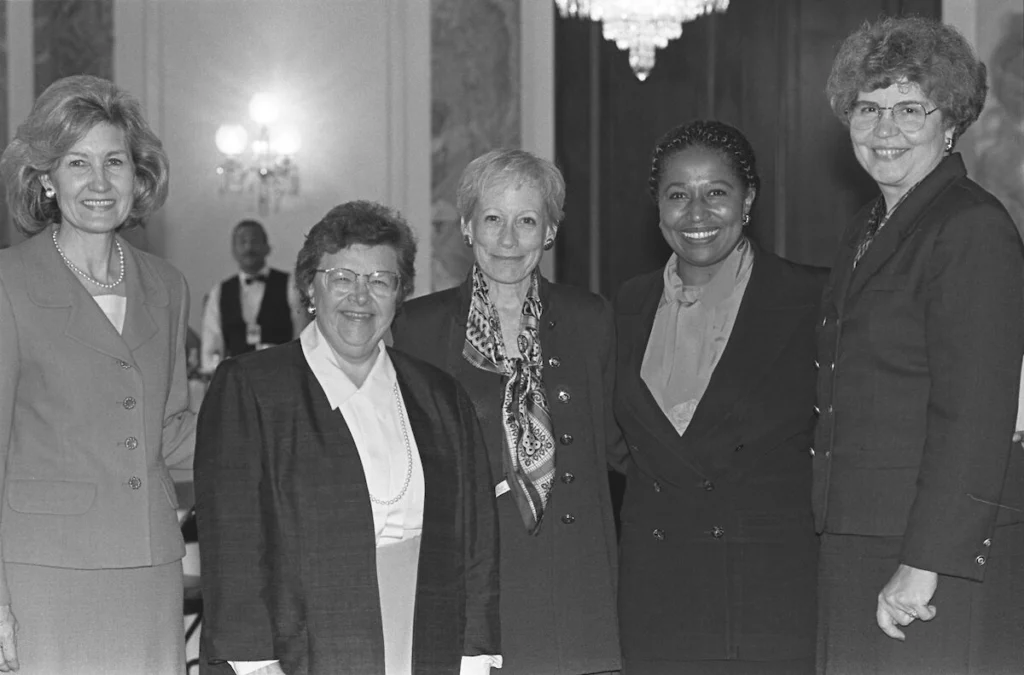
Former Kansas Sen. Nancy Kassebaum Baker died at age 94. Elected in 1978, Kassebaum was the first woman to chair a major Senate committee (Labor and Human Resources). Though a fiscal conservative, she frequently broke with party leadership on social issues, gun regulation, and foreign policy.
Chronology of Recent Political and Legal Developments
[SPRING 2026]
 └── Virginia Supreme Court invalidates voter-approved map, removing four potential Democratic pickup seats.

[JUNE 2026]
 └── Colorado Supreme Court blocks 2028 redistricting ballot measures, ruling them unconstitutional.

[EARLY AUGUST 2026]
 └── Missouri circuit judge hears arguments and upholds GOP Secretary of State's decision to block redistricting referendum.

[MID-AUGUST 2026]
 ├── Aug 17: House Ethics Committee confirms inquiry into Rep. Jimmy Gomez (CA-34).
 ├── Aug 21: Progressive Aisha Wahab wins CA-15 special election; candidate Mike Marvin exits Nebraska Senate race to endorse independent Dan Osborn.
 ├── Aug 22: U.S. begins applying 50% tariffs on select Canadian imports.
 ├── Aug 24: Indiana Supreme Court agrees to hear recount appeal in 3-vote Senate primary (Deery vs. Copenhaver). Supreme Court permits partial implementation of federal vote-by-mail restrictions.
 ├── Aug 25: Everton Blair wins GA-13 special runoff; Darline Graham wins SC Senate GOP runoff.
 └── Aug 26: Maryland judge invalidates Democratic redistricting ballot measure over misleading language. Inside Elections shifts ratings for seven House seats toward Democrats.

[LATE AUGUST – EARLY SEPTEMBER 2026]
 ├── Aug 27: Maine Sen. Susan Collins accepts four debate invitations; NC Senate candidates remain deadlocked on terms.
 ├── Sept 1: Massachusetts holds state primary elections (MA-06, MA-08 highlighted).
 └── Sept 8: Scheduled implementation date for Canada's retaliatory countertariffs (15% to 50%).
Supporting Data and Key Figures
The Economic Metric: $2.8 Billion in Tariff Exposure
Trade decisions are directly impacting critical Senate battlegrounds. According to an analysis of Census Bureau international trade data, key states face roughly $2.8 billion in combined annual tariff exposure resulting from U.S. duties and impending Canadian retaliatory tariffs.
Combined Annual Tariff Exposure for Select Border States
========================================================
State      Primary Trade Impact Areas                    Key Political Stakeholders
----------------------------------------------------------------------------------------
Maine      $200M+ in live lobster exports, paper, salmon  Sen. Susan Collins (R) vs. Troy Jackson (D)
Ohio       Automotive parts, industrial manufacturing    Open/Competitive Senate Seat
Michigan Heavy machinery, cross-border auto assembly Competitive Senate Seat- Maine’s Specific Burden: Canada’s retaliatory framework imposes a 25% duty on more than $200 million worth of annual Maine lobster exports, alongside tariffs targeting timber, paper, and agricultural goods.
District Focus: Massachusetts’ 8th Congressional District (#MA08)
The upcoming Massachusetts primary highlights the ongoing generational and ideological debate within the Democratic Party.
Financial & Campaign Breakdown: MA-08 Primary
=============================================
Metric                   Rep. Stephen F. Lynch (Incumbent)   Patrick Roath (Challenger)
----------------------------------------------------------------------------------------
Total Raised (to Aug 12) $910,000                           $1,300,000
Cash on Hand             $642,000                           $220,000
Age                      71                                 39
Background               Former Ironworker, Attorney        Voting Rights Attorney, Ex-State Aide
Key Endorsements         MA AFL-CIO, Teamsters Local 25     Boston Globe, Leaders We Deserve
District Classification Solid Democratic Solid Democratic- Primary Context: Seven House Democratic incumbents have lost primary challenges this election cycle, including long-serving Connecticut Rep. John B. Larson (78), signaling elevated vulnerability for senior members in safe districts undergoing demographic changes.
Official Responses and Political Reactions
Trade Policy and Tariffs
Imposed tariffs have drawn sharp criticism from lawmakers representing export-reliant states:

- Sen. Susan Collins (R-ME): Publicly distanced herself from the administration’s trade actions during campaign events, stating:
"Imposing tariffs on Canada is a mistake. If the Administration proceeds with these tariffs, they will increase costs for Maine families and damage critical export markets for our seafood and timber industries."
- State Senate President Troy Jackson (D-ME candidate): Attacked Collins’ legislative record, releasing a campaign statement emphasizing:
"Having spent most of my life working along the border, I know how vital trade with Canada is. Mainers need a senator who acts before our economy is damaged, not someone who votes against protective trade provisions in Washington and complains back home."
Legal and Ballot Challenges
- Maryland Redistricting Ruling: Democratic state legislative leaders announced an immediate appeal to the Maryland Supreme Court, asserting that the ballot text provided adequate clarity for voters regarding legislative map standards.
- Mail-In Voting Litigation: A coalition of roughly twelve Democratic State Attorneys General filed a joint federal lawsuit opposing executive measures aimed at curtailing vote-by-mail access, following a U.S. Supreme Court decision allowing temporary enforcement of federal restrictions.
Intraparty Primary Disputes (#MA08)
- Rep. Stephen F. Lynch (D-MA): Defended his record by emphasizing seniority and working-class representation:
"My experience as an ironworker and union president informs every vote I cast. Seniority delivers results for this district, from infrastructure funding to port development."
- Patrick Roath (D-MA candidate): Argued that Lynch’s voting record does not align with the modern district:
"Voters are ready for a new generation of proactive leadership. Supporting Republican-backed measures like the Laken Riley Act shows a record out of step with our community’s core values."
Strategic Implications for the 2026 Midterm Elections
1. Re-calibration of the House Battleground
While state judicial decisions have eroded Democratic opportunities to gain seats through redistricting in states like Maryland, Virginia, and Missouri, independent rating agencies note that national dynamics remain fluid. Inside Elections recently shifted ratings for seven Republican-held House seats toward Democrats, citing favorable candidate recruitment, cash reserves, and shifting suburban suburban demographics.
State-by-State Redistricting Status
===================================
State            Current Control     Map Status / Recent Court Ruling
---------------------------------------------------------------------------------
Maryland         Democratic Leg.     Ballot measure struck down; pending Supreme Court appeal.
Missouri         Republican Leg.     GOP map intact; referendum challenge blocked by court.
Colorado         Independent Comm.   Democratic ballot challenge ruled unconstitutional.
Virginia         Court-Appointed     Conservative map upheld; Democratic challenge rejected.
New York         Democratic Leg.     Aggressive redrawing planned ahead of 2028 cycle.
South Carolina   Republican Leg.     Redistricting efforts stalled in legislature.
Indiana          Republican Leg.     Redistricting stalled; primary recount under court review.
2. Generational Turnover in Safe Districts
Progressive advocacy groups, including Gen Z-led initiatives like Leaders We Deserve, are capitalizing on voter desire for systemic change. By targeting long-serving incumbents in solid-blue seats (e.g., Massachusetts’ 8th and 6th Districts, California’s 34th District), these organizations are attempting to reshape the House Democratic caucus regardless of whether the party wins the overall majority.
3. Trade and Economic Vulnerabilities in Senate Races
The application of tariffs on Canadian imports presents a double-edged sword for Republicans defending Senate seats in northern border states. In Maine, Ohio, and Michigan, export industries face immediate exposure to retaliatory duties. Democrats are using trade disruption to tie moderate Republicans to broader federal economic policies, while conservative incumbents are forced to visibly oppose their own party’s trade actions to defend local economies.