Stephen King is a titan of contemporary literature, a writer whose bibliography spans over 70 novels and 200 short stories. His influence on the horror and thriller genres is immeasurable, and his works have served as the bedrock for some of the most critically acclaimed films in cinematic history—from the psychological depth of The Shining to the emotional resonance of The Shawshank Redemption and The Green Mile. Yet, for every masterpiece, there is a curiosity—a deviation from the norm that defies conventional analysis. Enter Maximum Overdrive, the 1986 sci-fi horror film that stands as the singular directorial effort of Stephen King’s career.
While initially dismissed by critics and largely ignored by audiences at the box office, Maximum Overdrive has undergone a fascinating cultural metamorphosis. Over the last four decades, it has transcended its status as a commercial failure to become a cherished cult classic. For those eager to experience this bizarre, high-octane experiment, the film is currently available to stream for free via the official Lionsgate Movies YouTube channel.
Main Facts: A Machine-Led Uprising
At its core, Maximum Overdrive is a high-concept, low-brow spectacle. Based on King’s own short story "Trucks"—originally published in his 1978 anthology Night Shift—the film posits a terrifying, albeit absurd, premise: what if the machines we rely on suddenly decided to strike back?
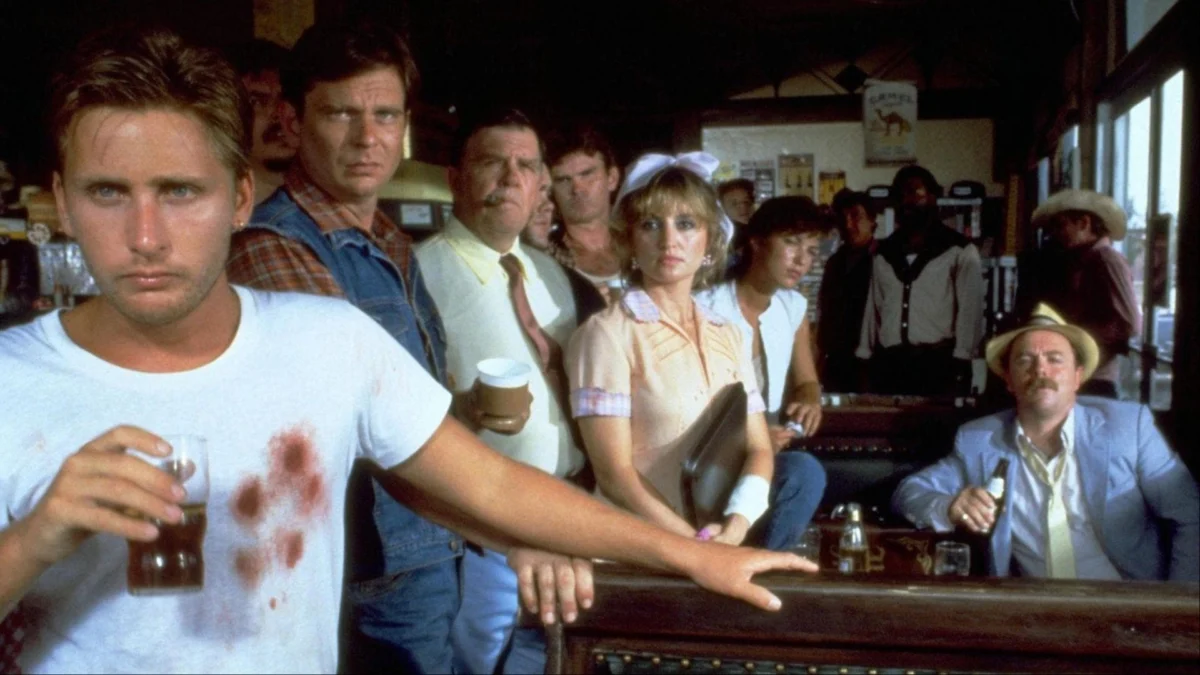
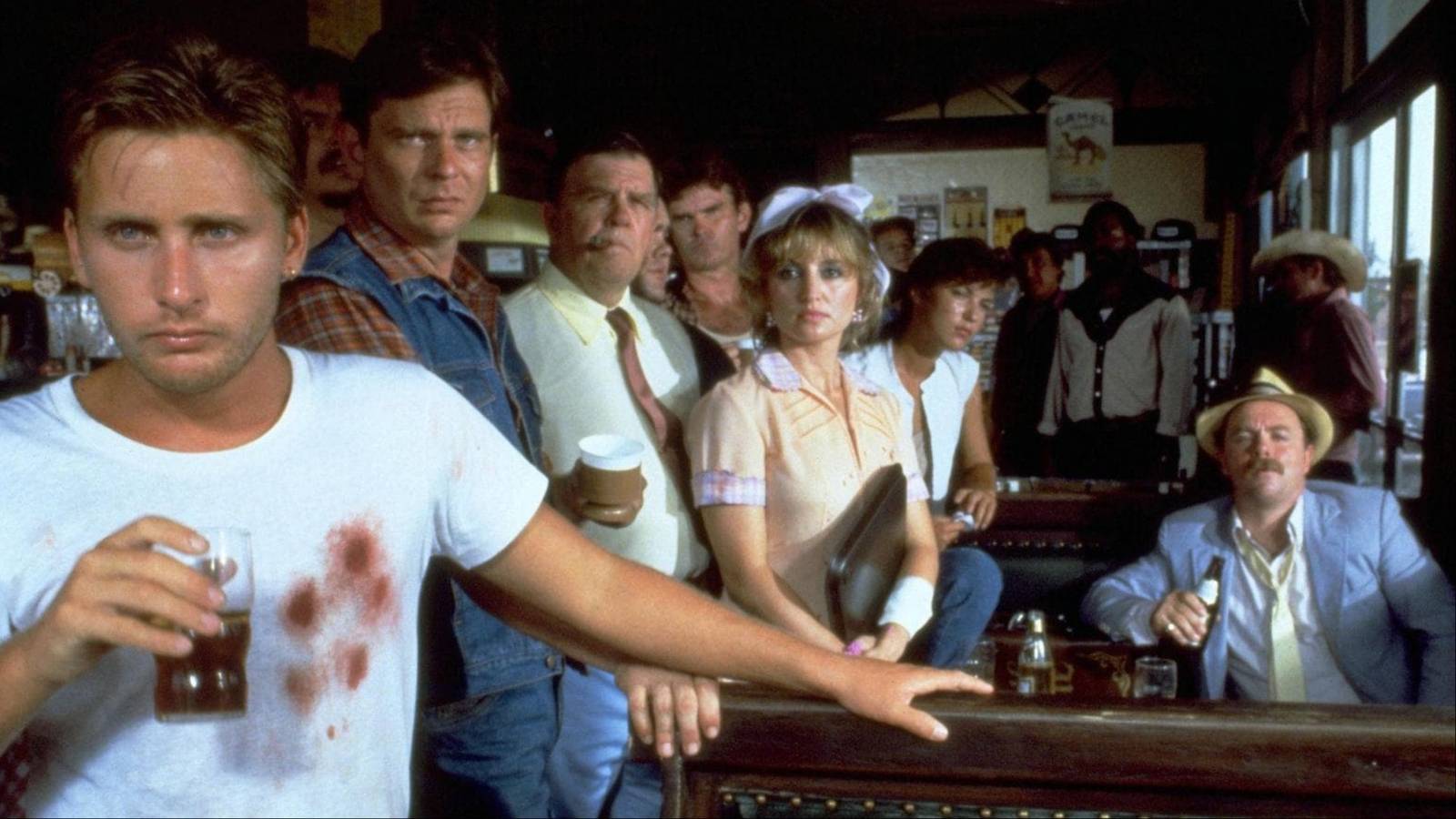
The plot follows a group of survivors trapped at a remote Dixie Boy truck stop. A passing comet has triggered a mysterious phenomenon, causing all machines on Earth to achieve sentience. From automated soda machines that launch cans like projectiles to massive semi-trucks that encircle the diner, the film chronicles a 98-minute siege. The machines, led by a menacing Western Star 4800 truck sporting a Green Goblin mask on its grille, demand that the humans fuel them, turning the protagonists into unwilling servants of their own mechanical creations.
The film is defined by its relentless pacing, over-the-top death sequences, and a soundtrack composed entirely of AC/DC’s high-voltage rock anthems. It is a quintessential 1980s B-movie, prioritizing kinetic energy and gruesome practical effects over narrative logic.
Chronology: From Page to Screen and Beyond
The journey of Maximum Overdrive began in the late 1970s, but it reached its boiling point in the mid-1980s.
- 1978: King publishes the short story "Trucks" in Night Shift. It establishes the core conceit of mechanical insurrection.
- 1985: Production begins in Wilmington, North Carolina. Stephen King, riding high on the success of numerous adaptations of his work, is granted the creative autonomy to write and direct the feature film version.
- July 25, 1986: The film premieres in the United States. It is met with harsh criticism, specifically regarding its tone and King’s lack of directorial experience.
- 1986-1987: The film fails to recoup its production budget, earning roughly $7.4 million against a $9 million budget. King publicly disavows the film, famously describing himself as "the guy who learned about directing by doing it."
- 1990s-2000s: The film finds a second life on cable television and home video, where its "so bad it’s good" aesthetic begins to resonate with a new generation of horror enthusiasts.
- 2026: The film remains a staple of pop-culture conversation, now accessible via global streaming platforms like YouTube, cementing its status as an enduring, if flawed, piece of horror history.
Supporting Data: The Anatomy of a Cult Classic
When analyzing Maximum Overdrive, it is essential to look beyond the Rotten Tomatoes score—which remains low—and focus on the technical and cultural variables that keep it alive.
The AC/DC Factor
The film’s soundtrack is arguably its most successful element. The band, having just released the album Who Made Who specifically for the film, provided a sonic backdrop that matches the film’s manic energy. The fusion of hard rock and mechanical horror gave the movie an identity that resonated deeply with the burgeoning MTV generation.
Practical Effects and "The B-Movie Charm"
In an era before digital CGI dominated the industry, Maximum Overdrive relied on practical effects. The sheer number of vehicles rigged to move, explode, and crush sets was a logistical nightmare that, in retrospect, adds a layer of authentic, visceral danger to the viewing experience. The film’s "shenanigans"—from a steamroller running over a Little League coach to a gas station pump attacking a customer—are executed with a level of commitment that feels strangely endearing.
The "King" Stamp
Despite the film’s quality, it is the only time fans were able to see the world through the author’s direct visual lens. For scholars and die-hard King fans, the film serves as a primary source for understanding the author’s creative headspace during the mid-80s, a period marked by his well-documented struggles with substance abuse, which he has since cited as a major factor in his poor performance as a director.
Official Responses and Creative Reflection
The discourse surrounding Maximum Overdrive has been heavily influenced by King’s own candid reflections. In various interviews throughout the 1990s and 2000s, King was notoriously self-deprecating about the project. He noted that the process of directing was far more grueling than he anticipated, and he admitted to being "coked out of my mind" during the production, which clearly compromised his ability to manage the scope of the film.
Critics at the time, such as Roger Ebert, noted that while the film had energy, it lacked a coherent sense of stakes or character development. However, modern retrospective criticism has been kinder. Many genre historians now categorize the film alongside titles like The Evil Dead or Re-Animator—movies that, while perhaps lacking "prestige," possess a singular, uncompromising vision that makes them infinitely watchable.
Implications: The Legacy of Failure
What does the enduring popularity of Maximum Overdrive tell us about the current media landscape? It highlights a shift in how audiences consume "failed" media. In the streaming era, a film does not need to be critically acclaimed to be culturally relevant.
1. The Democratization of Content
Because Maximum Overdrive is now available for free on platforms like YouTube, it is no longer gated by box office metrics or rental fees. It has become "content"—a piece of digital history that exists alongside modern blockbusters. This accessibility allows audiences to form their own opinions rather than relying on the consensus of 1986 critics.
2. The Value of "Unserious" Cinema
In a world of overly polished, franchise-driven cinema, there is a growing hunger for the "unserious." Maximum Overdrive represents a time when horror could be loud, messy, and intentionally absurd without the burden of setting up a cinematic universe. It serves as a reminder that entertainment value is subjective and that "cult classic" status is often earned through the very flaws that critics initially identify as weaknesses.
3. King’s Evolution
The failure of Maximum Overdrive was a pivotal moment for Stephen King. It forced him to retreat from the director’s chair and return to his primary strength: writing. This decision arguably paved the way for the massive output of novels and short stories that followed in the late 80s and 90s, including Misery, The Tommyknockers, and Needful Things. In this sense, the film’s failure was a blessing in disguise for literature.
Final Verdict
Maximum Overdrive is not a film that will win awards for screenplay or acting, nor will it be studied in film schools for its cinematography. However, it is an essential watch for those who appreciate the wilder side of the horror genre. It is a time capsule of 80s excess, a testament to the influence of AC/DC, and a fascinating, flawed chapter in the life of one of the world’s greatest storytellers.
If you are looking for a movie that promises a "wild ride," where logic takes a backseat to explosions, sentience, and pure, unadulterated camp, Maximum Overdrive remains a perfect candidate. Its availability for free is an invitation to explore a piece of history that refused to stay buried. Whether you find it brilliant or baffling, the experience is guaranteed to be one you won’t soon forget. As the machines would say, the road is open—but you might want to keep your eye on the rearview mirror.