In the landscape of modern grocery retail, the frozen pizza aisle has long been defined by bargain pricing, convenience, and a "good enough" standard of quality. However, a recent shift in consumer preferences toward premium, restaurant-quality convenience has opened the door for high-end options that challenge the traditional price-to-value ratio. Among these, Katie’s Burrata Margherita Pizza has emerged as a polarizing yet fascinating case study, commanding a price point of nearly $14 for a 13.9-ounce pie. Despite the hefty cost, it has captured the hearts—and wallets—of a significant base of loyal customers who argue that the experience transcends the typical "frozen" label.
The Main Facts: Defining the Premium Frozen Experience
At roughly $1 per ounce, Katie’s Burrata Margherita Pizza sits firmly at the top tier of the frozen pizza category. When compared to legacy brands that often retail for less than half that price, the question arises: What exactly justifies the premium?
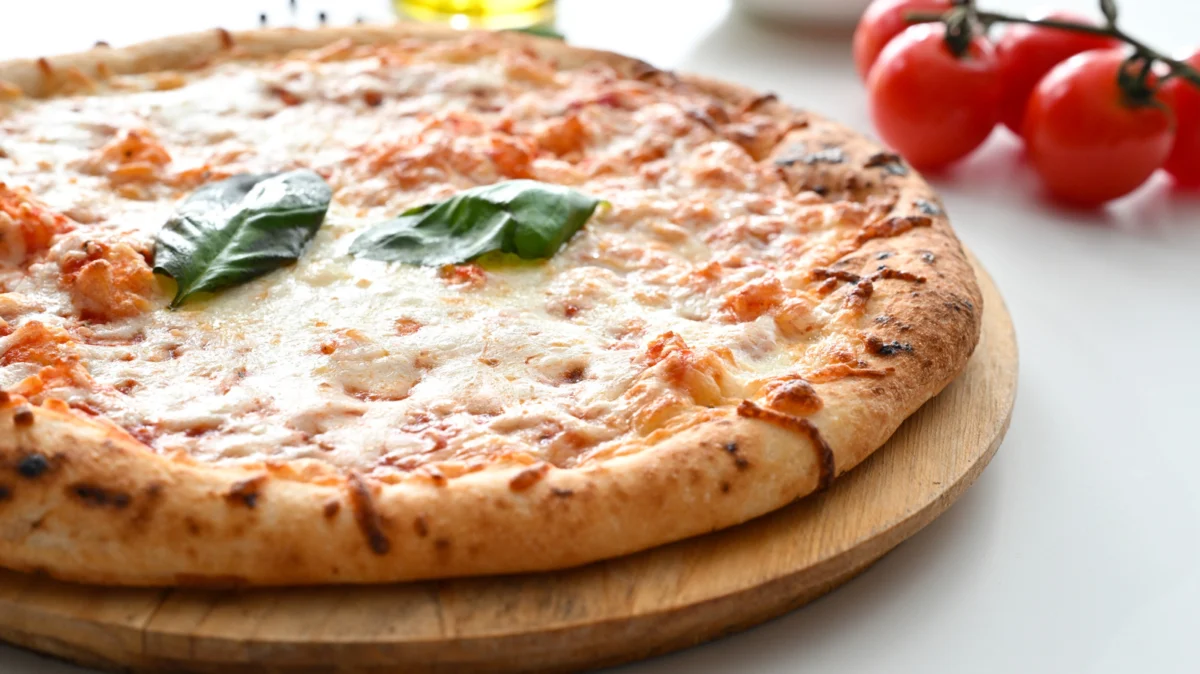
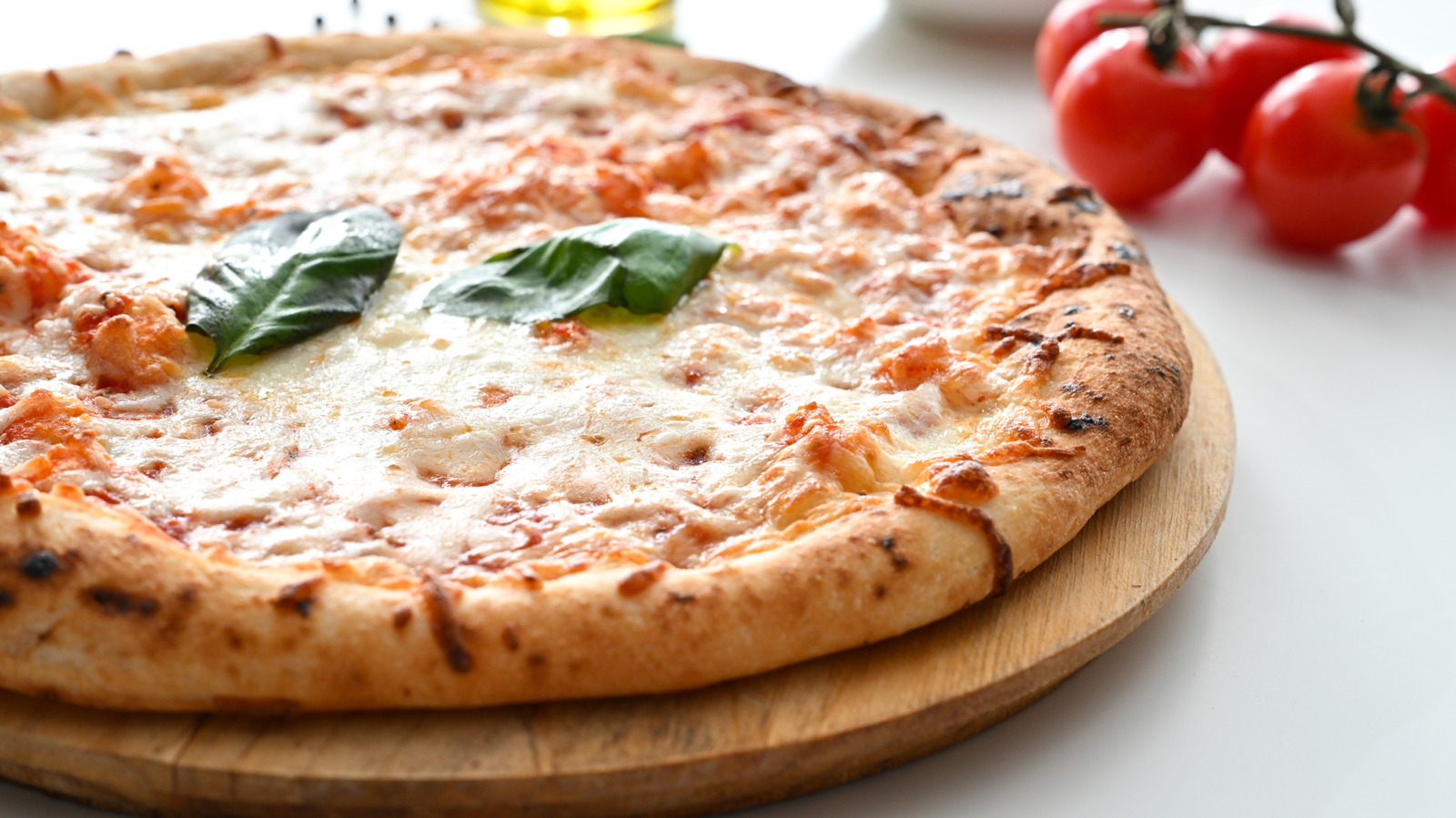
The product distinguishes itself through its ingredient profile. Unlike standard frozen offerings that rely on processed cheese shreds and dehydrated herbs, Katie’s utilizes burrata—a luxury Italian cheese consisting of mozzarella and cream. This, combined with a house-made sauce and fresh basil, creates a flavor profile that many consumers report is indistinguishable from a casual brick-and-mortar pizzeria.
The core appeal lies in the "freshness" factor. By focusing on high-quality dairy and authentic toppings, the brand successfully markets itself not as a quick, cheap meal, but as a culinary experience. For the busy professional or the home cook seeking a night off from labor-intensive meal preparation, the $14 price tag serves as a premium for time saved and quality maintained.
Chronology of a Viral Retail Hit
The trajectory of Katie’s Burrata Margherita Pizza from a niche item to a subject of intense online discourse follows the typical path of a "premium-convenience" trend:
- Initial Launch: The product enters the market, specifically targeting high-end grocery retailers and national chains like Target. It is positioned as an "artisanal" frozen option, contrasting sharply with the mass-market competition.
- Early Adoption: Food bloggers and social media influencers begin to spotlight the pizza, specifically noting the visual appeal of the burrata—a departure from the standard, oily mozzarella found on most competitors.
- The "Price-Tag" Debate: As the product gains wider distribution, the conversation shifts to the price. Digital forums, including Reddit’s r/frozendinners community, begin to feature threads comparing the pizza’s cost to the price of a takeout meal from a local shop.
- The Divergence: Customer feedback begins to bifurcate. While one faction praises the product as a "must-buy," a vocal minority begins to criticize the consistency of the crust and the perceived lack of value, leading to a polarized public perception that keeps the brand in the headlines.
Supporting Data: The Consumer Consensus
The debate surrounding Katie’s pizza is heavily supported by a wealth of user-generated data. On platforms like Target’s review portal, the sentiment is overwhelmingly positive, with descriptors such as "little slice of heaven" and "doesn’t taste like frozen pizza" appearing frequently. These reviewers are largely driven by the desire for a "clean label" experience where the ingredients are recognizable and the taste is authentic.
However, the supporting data also reveals a distinct divide in expectations. Data from consumer feedback loops indicates that the "connoisseur" demographic—those who view themselves as experts in pizza—are the most likely to be critical. These consumers, who hold the product to the standard of a wood-fired brick oven pizza, often find the frozen format inherently limiting.
Specific complaints noted in consumer reports include:
- Crust Integrity: Some users report a "soggy" texture, which is a common technical hurdle for frozen doughs that haven’t been par-baked in a high-temperature hearth.
- Flavor Profiles: A segment of the consumer base finds the sauce-to-cheese ratio insufficient for the price, arguing that at $14, the product should be substantially larger or more generously topped.
Official Responses and Industry Context
While there has been no official corporate statement regarding the specific pricing strategy of Katie’s, industry analysts note that the brand is part of a broader "premiumization" of the frozen food sector. Manufacturers are increasingly realizing that the modern consumer is willing to pay more for products that mirror the "fresh" offerings found in high-end specialty grocery stores.
Industry experts suggest that the cost of logistics for such items is higher. Because the pizza uses fresh components like burrata, the supply chain requires stricter temperature controls than a standard pepperoni pizza topped with shelf-stable preservatives. This operational cost is inevitably passed down to the consumer.
Furthermore, the brand’s positioning is a direct response to the "restaurant-quality" movement. By avoiding the common pitfalls of highly processed frozen food, Katie’s is attempting to create a new category that bridges the gap between "fast-food at home" and "gourmet dining."
Implications: The Future of the $14 Pizza
The success and controversy surrounding Katie’s Burrata Margherita Pizza carry significant implications for the future of the frozen food industry.
1. The Death of the "Cheap Frozen" Monopoly
For decades, frozen pizza was a race to the bottom in terms of cost. Katie’s proves that there is a robust, affluent, and quality-conscious market that will reject the bargain bin in favor of an elevated experience. We are likely to see more competitors enter this "premium-frozen" space, leading to an arms race of ingredient quality.
2. The Role of "DIY" Upgrades
The phenomenon of customers suggesting their own upgrades—such as adding a balsamic reduction or utilizing a grill for a crispier crust—suggests that the modern consumer views a frozen pizza as a "base" rather than a finished product. Companies may eventually lean into this by providing "gourmet kits" rather than just the pizza itself.
3. The Ceiling of Price Sensitivity
Despite the popularity of Katie’s, the existence of negative reviews regarding price suggests a ceiling. If the price continues to rise, the brand risks alienating its base, even if the quality remains high. The "value" in the consumer’s mind is a delicate balance; once the price exceeds the cost of a comparable fresh-to-go pizza from a local deli, the convenience of the freezer becomes a liability rather than an asset.
4. Technical Challenges
The critical feedback regarding the crust highlights the need for innovation in frozen food technology. To truly satisfy the "pizza connoisseur," companies must invest in better freezing techniques (such as cryogenic freezing) and improved packaging that prevents moisture migration, which is the primary culprit behind the "soggy crust" complaints.
Conclusion: Is It Worth the Splurge?
Whether Katie’s Burrata Margherita Pizza is "worth" $14 remains a subjective determination. For the consumer who values the ability to have a restaurant-caliber Margherita on demand at 11:00 PM on a Tuesday, the price is a reasonable premium for convenience. For the consumer who prioritizes volume and cost-efficiency, the product serves as a cautionary tale about the rising costs of grocery goods.
Ultimately, the pizza serves as a mirror to current food trends: we are moving away from the era of "just feed me" toward an era of "feed me well." As long as the product continues to deliver on its promise of fresh, high-quality ingredients, it will likely remain a fixture in the freezers of those who consider themselves culinary explorers, even at a price that would have been unthinkable for a frozen pie just a decade ago. Whether or not it will survive the test of time against cheaper, rapidly improving competitors will depend entirely on whether the brand can maintain its quality while perhaps finding ways to streamline costs—or if it will remain a luxury niche for the discerning, yet time-poor, modern diner.