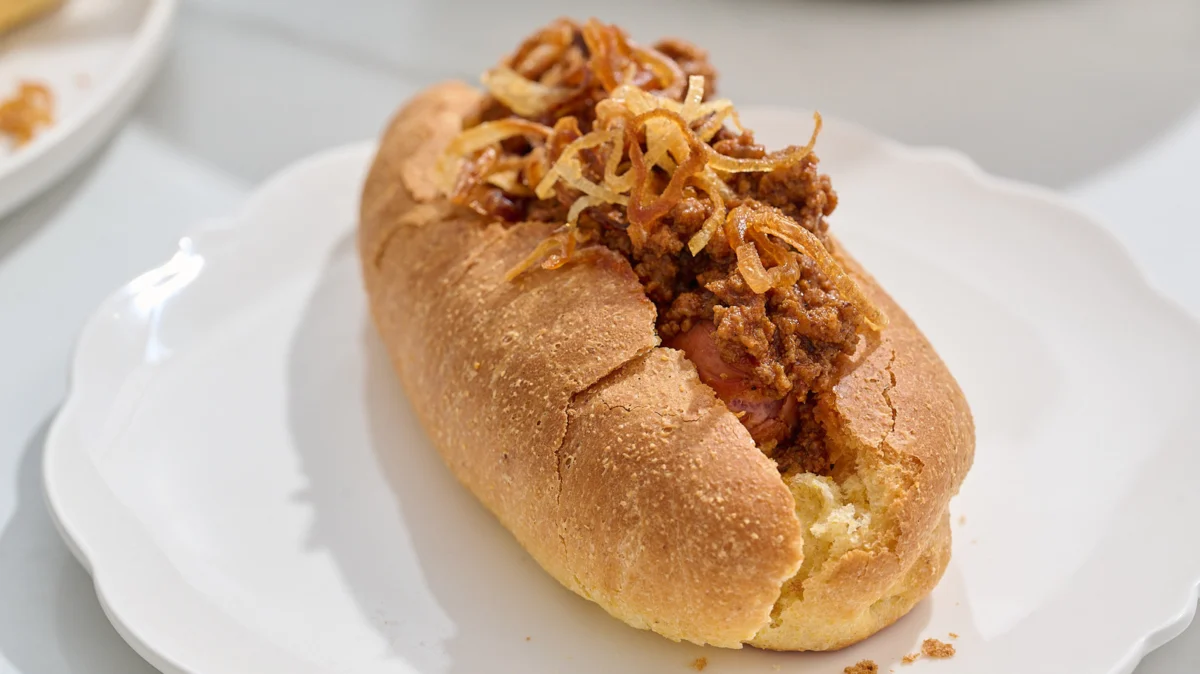
The humble chili dog has long occupied a unique space in the American culinary canon. Often dismissed as a messy, high-calorie concession stand afterthought, it is, in reality, a masterpiece of textural contrast and flavor complexity. The snap of a high-quality beef frankfurter, the savory depth of a slow-simmered meat sauce, and the soft, pillowy embrace of a bun create an experience that transcends its "junk food" reputation.
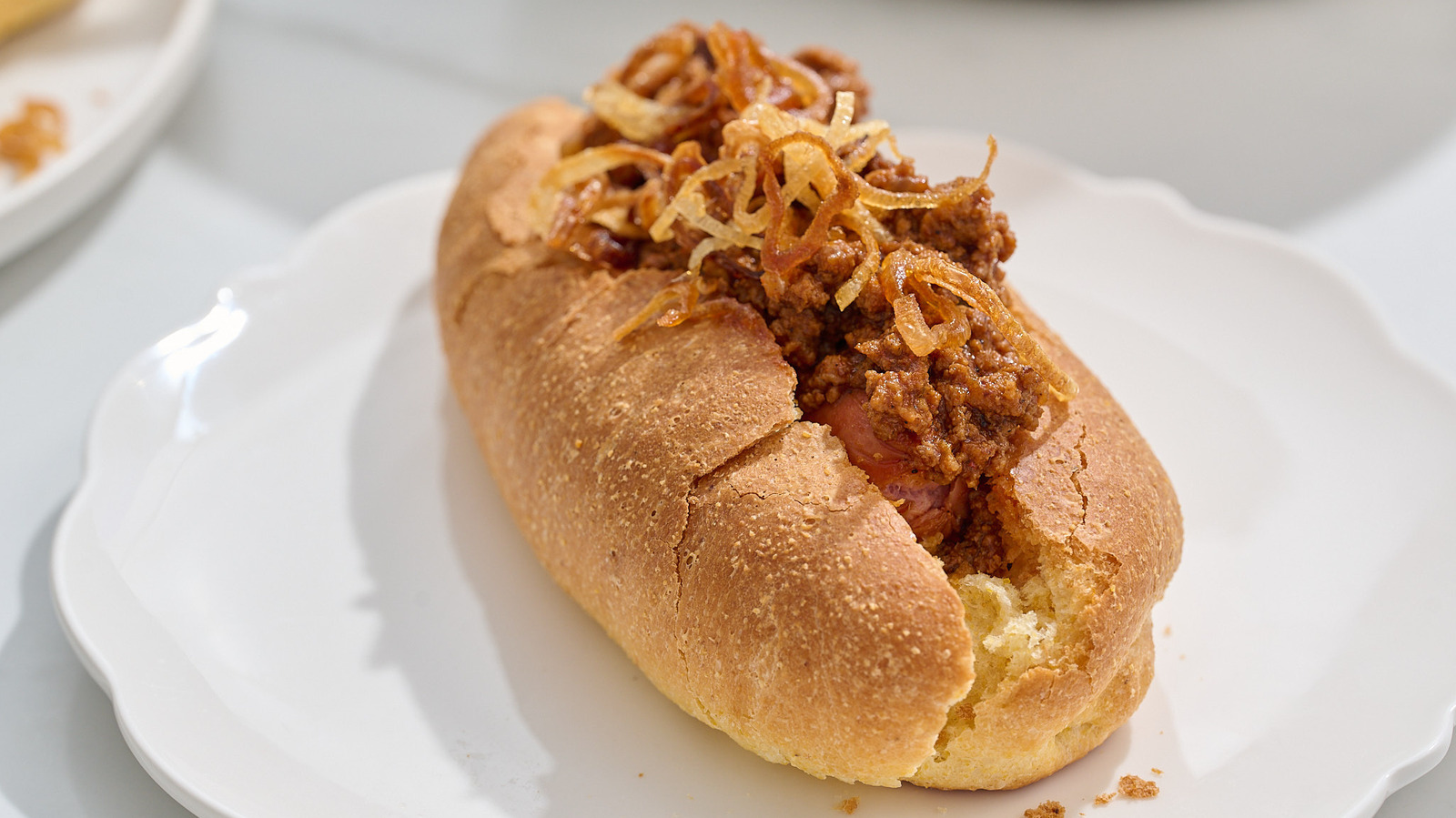
However, in the era of the modern "foodie" movement, there is a growing desire to elevate these nostalgic classics. By focusing on artisanal techniques and high-quality ingredients, home cooks can transform the chili dog from a guilty pleasure into a refined dining experience. This guide explores a sophisticated take on the dish, featuring homemade cornbread buns and a bison-based chili, providing a blueprint for those looking to master the art of the elevated hot dog.
The Anatomy of an Elevated Chili Dog
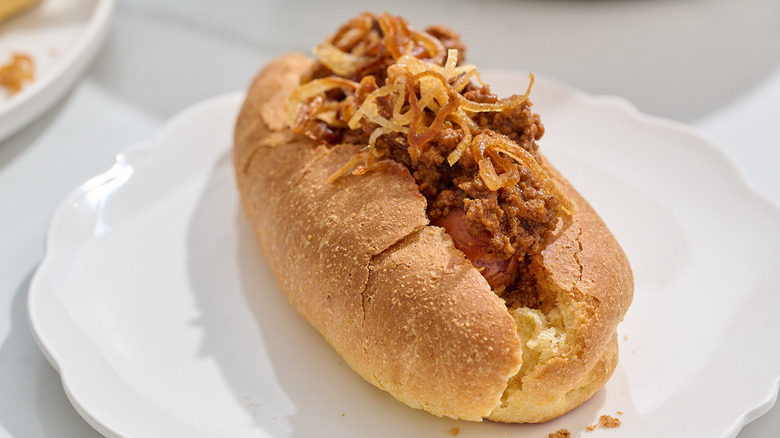
To elevate a dish that is inherently "low-brow," one must address the three pillars of the chili dog: the bun, the meat, and the garnish.
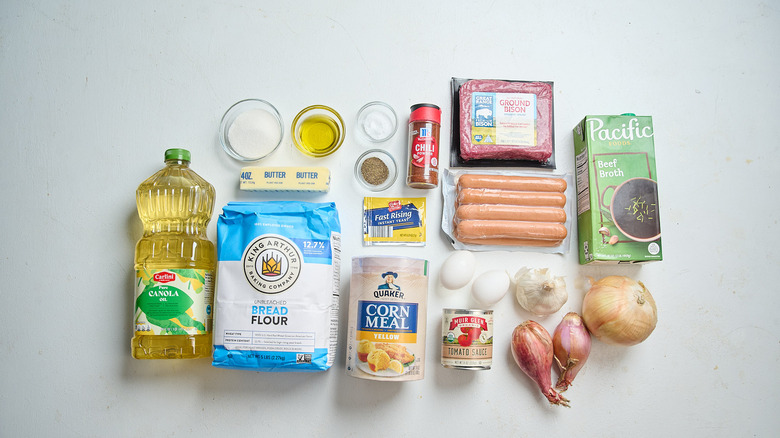
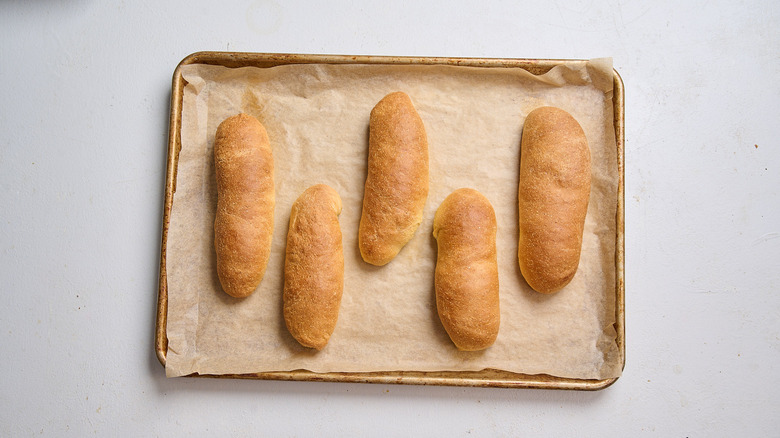
The standard grocery store hot dog bun is often an afterthought—a vehicle designed merely to prevent mess. In this elevated iteration, we replace it with a homemade cornbread bun. By incorporating yellow cornmeal and a touch of sweetness into a yeasted dough, we create a bun that offers a distinct crumb and a flavor profile that complements, rather than distracts from, the savory chili.
The chili itself is a study in refinement. By swapping traditional ground beef for ground bison, we introduce a leaner, slightly sweeter, and more robust protein that stands up better to the complex spices. Finally, the introduction of crispy shallots—rather than the traditional raw white onion—provides a sophisticated, pungent crunch that cuts through the richness of the chili, adding a layer of professional-grade texture.
Chronology of Preparation: A Masterclass in Timing
Creating this dish requires approximately three hours and fifty minutes of commitment. Because the process involves both bread-baking and slow-cooking, efficiency is key.
Phase 1: The Foundation (The Cornbread Buns)
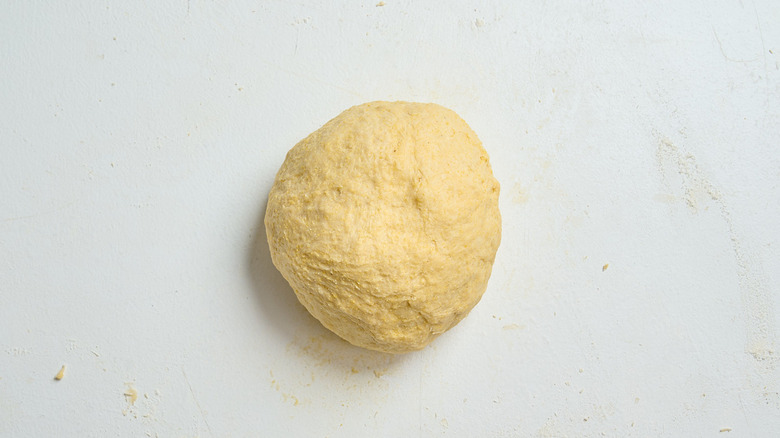
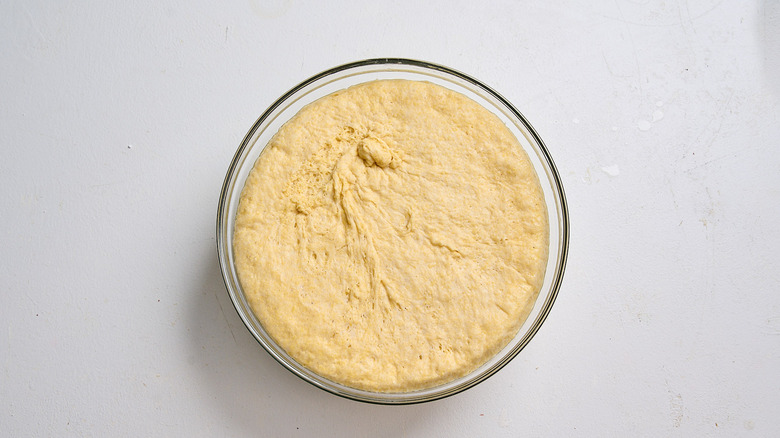
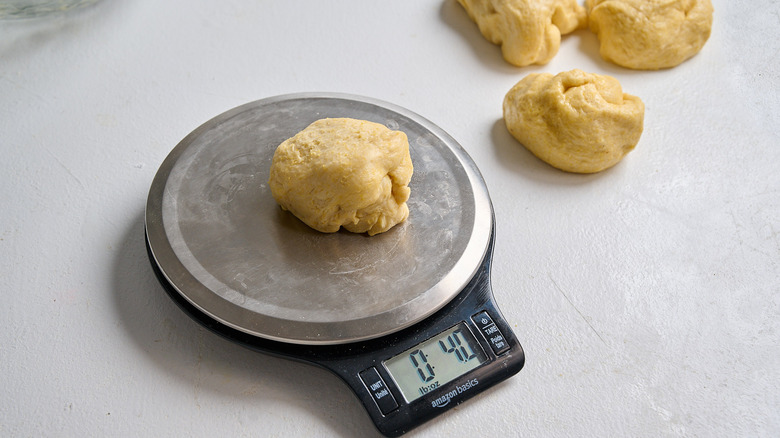
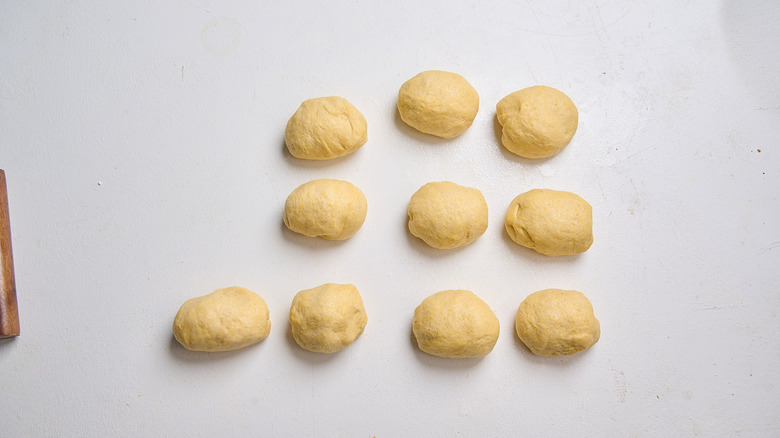
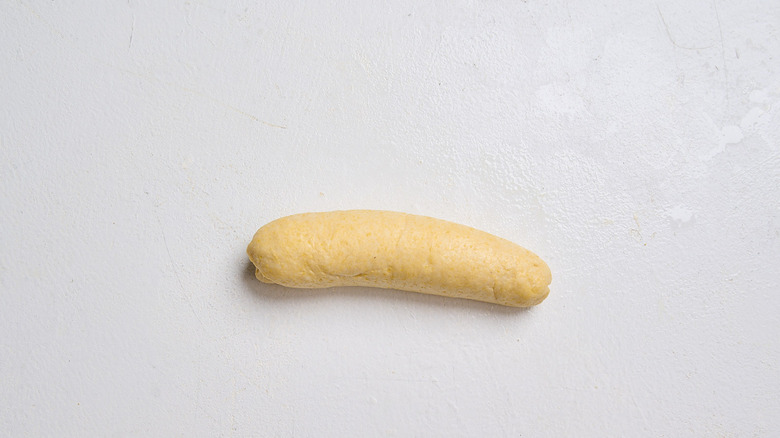
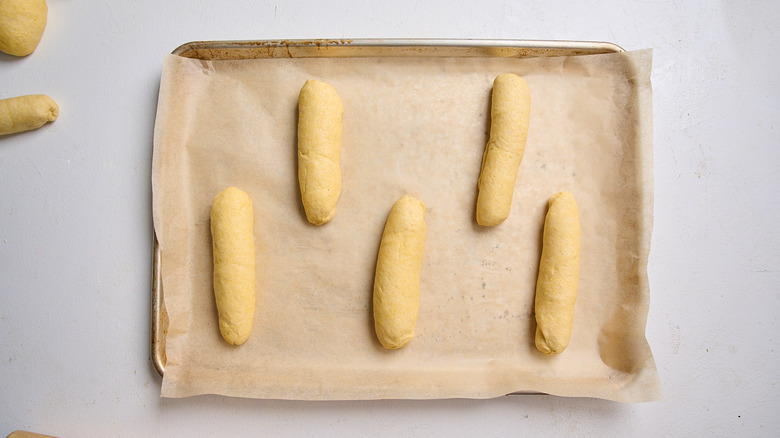
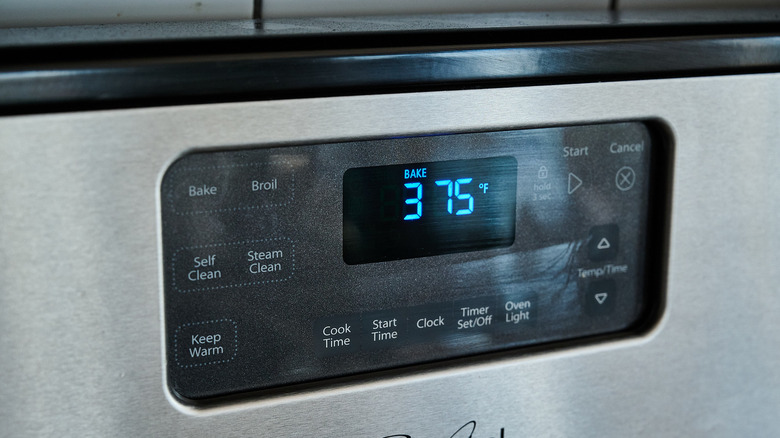
The journey begins with the dough. Bakers must combine bread flour, cornmeal, salt, instant yeast, sugar, melted butter, and eggs with warm water. The key to the perfect bun is the knead; eight minutes of vigorous working ensures the gluten is sufficiently developed to create a soft, elastic crumb. After a 90-minute proofing period, the dough is divided into 4-ounce portions, shaped into cylinders, and proofed a second time for 45 minutes before hitting the oven at 375 F.
Phase 2: The Core (The Bison Chili)
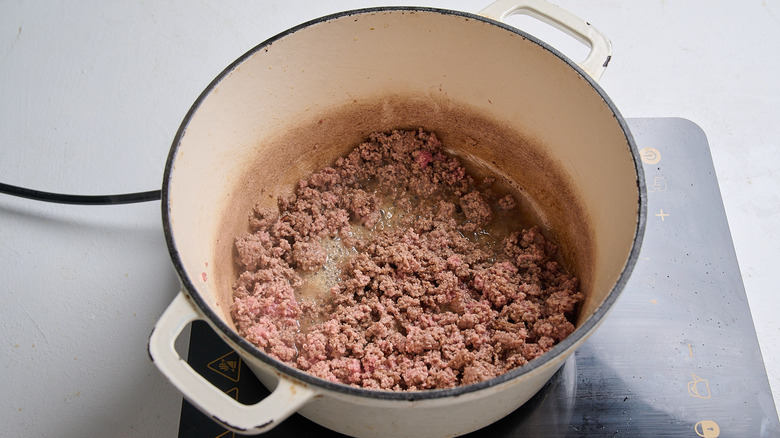
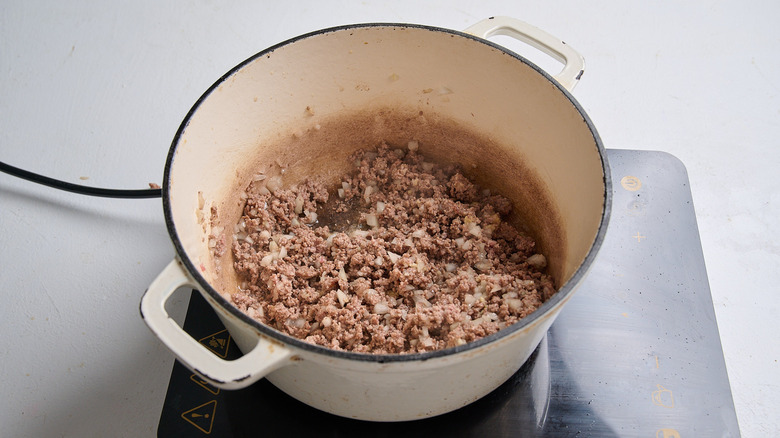
While the buns are proofing, the chili takes center stage. This is not a rushed process. After browning the bison in a Dutch oven, aromatics like onion and garlic are softened to build a flavor base. The addition of tomato sauce, beef broth, and a custom spice blend creates the liquid gold that will eventually coat the frankfurters. A crucial, often overlooked step is using a potato masher during the simmering process to break the meat into a fine, uniform paste. This consistency is vital; it ensures the chili clings to the hot dog rather than sliding off in chunks.
Phase 3: The Finishing Touch (Crispy Shallots)
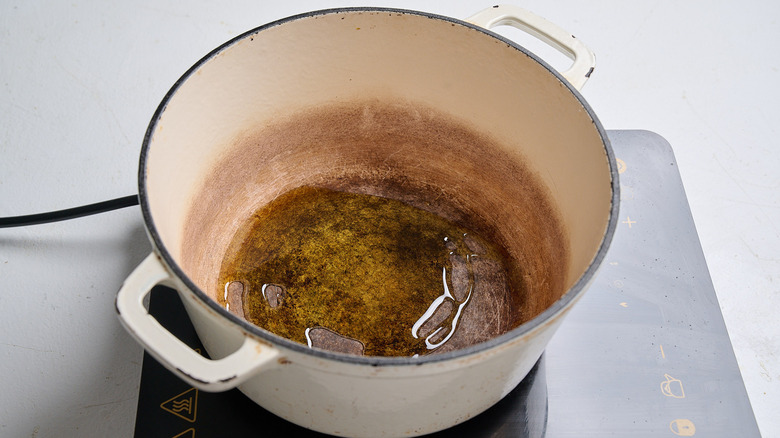
In the final stages, as the buns cool and the chili reaches its ideal thickness, the shallots are prepared. Thinly sliced and flash-fried in 350 F oil, these aromatics provide the "pungent punch" that separates this recipe from a standard roadside stand version. They are drained thoroughly on paper towels to ensure maximum crispness before serving.
Supporting Data: Understanding Yeast and Fermentation
A common question for home bakers is the viability of yeast substitutes. Whether one uses instant yeast—which can be mixed directly into dry ingredients—or active dry yeast, the chemistry remains the same.
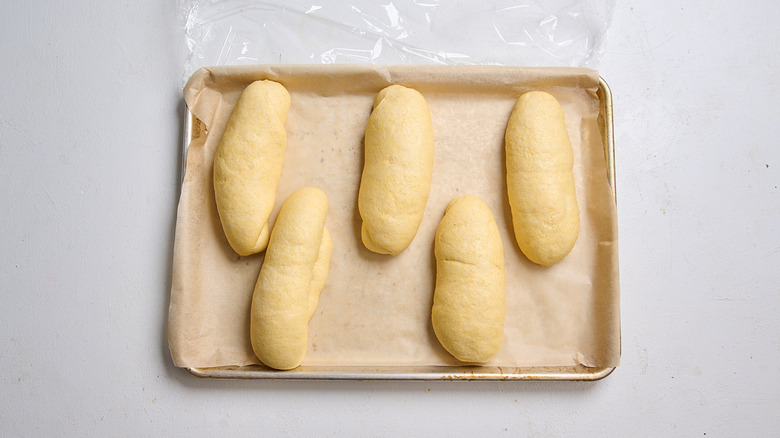
The fermentation process is what creates the "domed" shape and airy structure of the bun. Active dry yeast, which contains a protective coating, requires a "blooming" stage. For those substituting active dry for instant in this recipe, it is imperative to dissolve the yeast in warm water with a pinch of sugar for 10 minutes. If the mixture does not froth, the yeast is dead, and the dough will fail to rise. Understanding this biological process is the difference between a dense, brick-like bun and a light, golden-brown success.
Culinary Implications: The Art of the "Slow" Meal
Choosing to cook a chili dog from scratch carries significant implications for the home chef. This is an exercise in "slow food"—the antithesis of the fast-food origins of the dish.
By preparing the components individually, the cook learns to balance acidity and sweetness. If the chili becomes too acidic during the hour-long simmer, a touch of sugar can neutralize it. If it becomes too thick, a splash of beef broth restores the correct consistency. This level of control allows the chef to tailor the flavor profile to personal preference, a luxury not afforded by commercial cans of chili.
Furthermore, the nutritional profile is altered significantly when using bison. Bison is lower in fat and higher in protein than conventional beef, making this "elevated" version a more nutrient-dense option without sacrificing the decadent experience of a comfort food meal.
Expert Tips for Success
- The Masher Technique: Do not skip the potato masher in the chili preparation. Creating a "meat paste" is essential for a true chili dog, as it creates a cohesive topping that adheres to the sausage.
- Oil Temperature: When frying the shallots, use a thermometer to ensure the oil hits 350 F. If the oil is too cool, the shallots will absorb grease and become soggy. If it is too hot, they will burn, introducing a bitter, acrid flavor that will ruin the dish.
- The "Soak" Factor: A great chili dog is defined by the way the bun interacts with the chili. Allow the chili to sit on the hot dog for a minute before serving. This allows the heat and the moisture of the sauce to slightly soften the inner crust of the cornbread bun, creating a perfect marriage of textures.
- Bison Availability: If ground bison is unavailable in your local supermarket, high-quality 90% lean ground beef is an acceptable substitute. However, the unique, slightly gamey profile of bison is what truly elevates the dish into the realm of "gourmet."
Conclusion
The elevated chili dog is more than just a recipe; it is a testament to the idea that no dish is truly "low-brow" if the cook approaches it with passion and technique. By replacing the generic with the artisanal—homemade cornbread buns, thoughtfully simmered bison chili, and hand-fried crispy shallots—the home chef can turn a nostalgic favorite into a show-stopping meal. While the preparation time is substantial, the result is a culinary experience that respects the history of the classic American chili dog while simultaneously pushing it into a new, more sophisticated era of home cooking.
Whether served at a backyard gathering or enjoyed as a weekend project, these chili dogs remind us that the most satisfying meals are often the ones we spend the most time crafting. With this guide, the messy, flavorful charm of the chili dog is yours to master, refine, and enjoy.