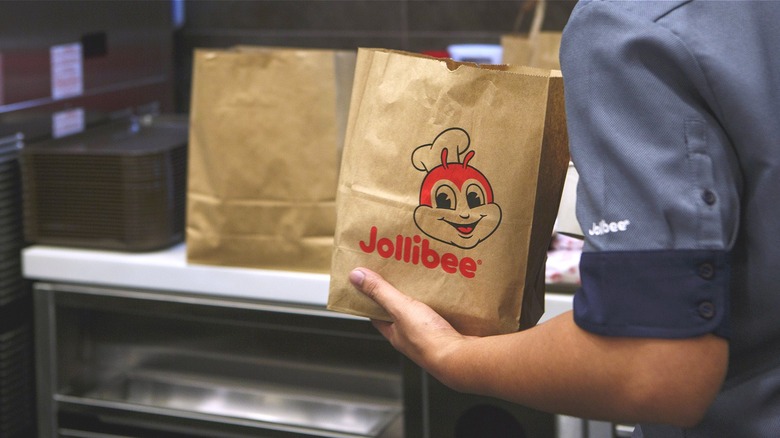
Jollibee, the undisputed titan of the Filipino fast-food industry, stands as a cultural phenomenon that has successfully exported a taste of home to millions. With a global footprint that positions it as one of the largest Asian restaurant companies in history, the brand has become a symbol of national pride for the Philippines. In the United States, Jollibee has transitioned from a niche destination for the Filipino-American diaspora into a mainstream competitor, currently operating approximately 80 locations with an aggressive expansion strategy aimed at reaching 500 U.S. stores by 2030.
However, as the "Bee" aggressively migrates into the American fast-food landscape, it faces a complex set of challenges. Rapid growth often invites scrutiny, and in the digital age, that scrutiny is amplified across social media platforms and review aggregators. While the brand enjoys a cult-like following for its signature "Chickenjoy" and Jolly Spaghetti, a rising tide of customer complaints—ranging from quality control failures to concerns over value—threatens to temper its expansionary momentum.
Chronology of a Cultural Export
The journey of Jollibee is one of triumph over Western dominance. Founded in 1978 in the Philippines, it famously outperformed global giants like McDonald’s by adapting to local palates. The brand’s expansion into the U.S. began as a way to serve the Filipino diaspora, but its recent shift towards "Americanization" of its menu and marketing reflects a desire to capture a broader, non-Filipino demographic.
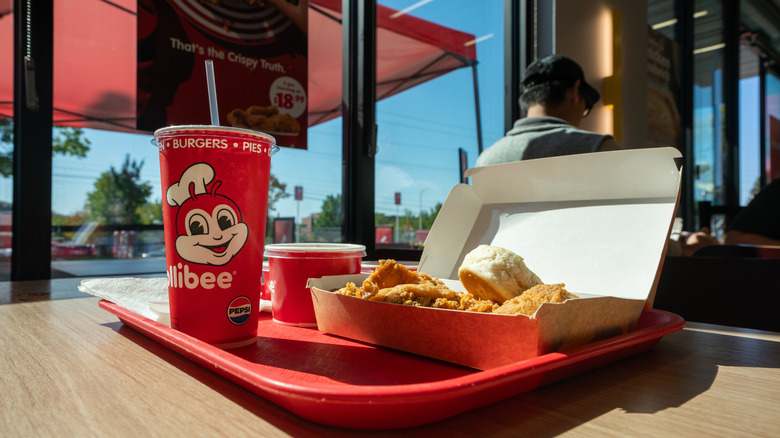
Throughout the 2010s and early 2020s, Jollibee gained significant traction, buoyed by viral social media trends and its unique menu offerings. By July 2026, the brand had secured the "Best Fast Food Fried Chicken in the U.S." title from USA Today readers for the third consecutive year. This accolade underscored the brand’s success in penetrating the American market. Yet, as the brand scaled, the disparity between the "institutional" experience in the Philippines and the localized experience in U.S. strip malls began to draw vocal criticism from both longtime fans and new converts.
The Anatomy of Customer Dissatisfaction
The complaints leveled against Jollibee in the U.S. are multifaceted, touching upon flavor profiles, operational safety, and the "value-for-money" equation.
The "Blandness" Debate
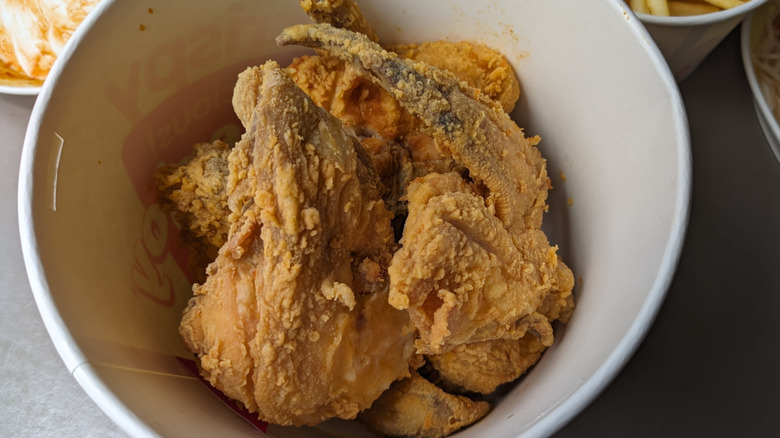
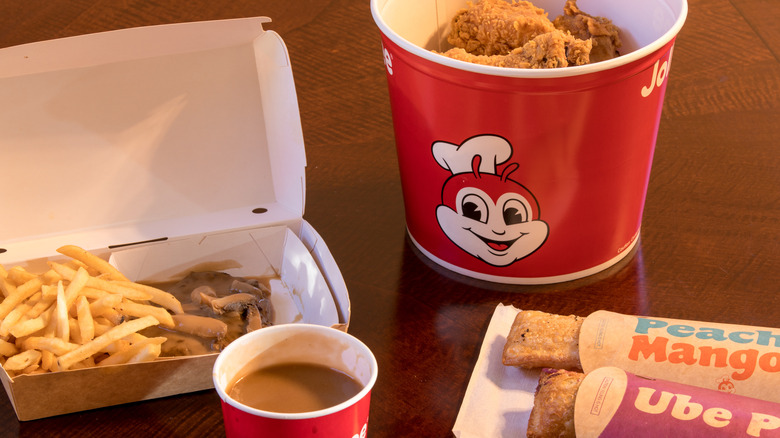
Despite its award-winning reputation, a recurring criticism among U.S. customers is that the signature Chickenjoy lacks the expected flavor punch. While proponents argue that the chicken is meant to be enjoyed with the accompanying gravy, detractors find the meat itself underwhelming. One particularly scathing review compared the texture and flavor to "drywall," suggesting that even the inclusion of hot sauce could not salvage the experience. This sentiment suggests a potential disconnect between the brand’s traditional recipe and the expectations of a domestic market accustomed to heavily seasoned or spicy American fast-food staples.
Critical Food Safety Concerns
Perhaps the most damaging category of complaints involves food safety. Reports of undercooked chicken—where the batter appears crispy while the internal meat remains raw—have surfaced on platforms like Reddit. Such incidents are not merely matters of taste; they represent significant health liabilities. The CDC has long warned of the risks associated with undercooked poultry, including Salmonella.
The situation is further complicated by sporadic, alarming reports regarding hygiene. Allegations of foreign objects, such as worms, found in orders at certain locations have circulated on review platforms like Yelp. While these remain isolated claims, the frequency of such reports—combined with customer dissatisfaction regarding cold food or, in extreme cases, reports of food poisoning—suggests that as Jollibee scales, maintaining consistent quality control across a dispersed network of franchises remains a significant hurdle.
The Sweet vs. Savory Divide
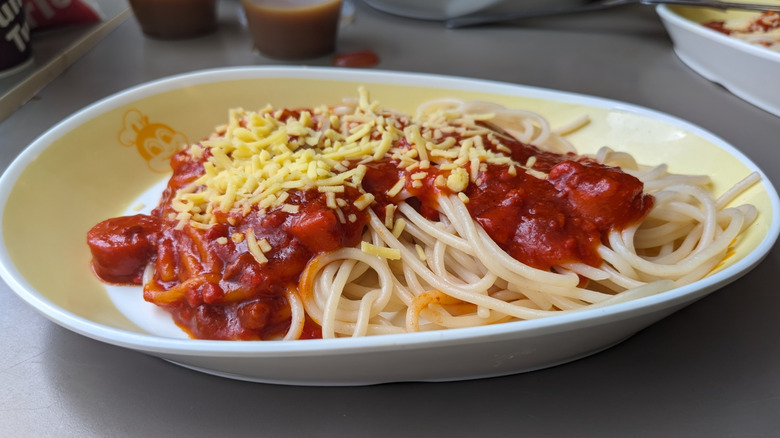
Jollibee’s Jolly Spaghetti is an iconic item, characterized by a distinct sweetness derived from banana ketchup. This recipe is a historical artifact born of necessity during World War II when tomatoes were scarce. While it is a beloved staple in the Philippines, it has proven polarizing in the U.S. Many American consumers, expecting a traditional Italian-American savory tomato sauce, find the sweetness jarring. The inclusion of sliced hot dogs rather than meatballs further alienates some customers, turning a nostalgic comfort food into a source of culinary confusion for the uninitiated.
Supporting Data and Market Context
The complaints regarding Jollibee are not isolated to a vacuum; they occur within the context of a broader industry crisis. Many of the issues raised by customers—specifically regarding shrinking portion sizes and rising prices—are consistent with trends seen at competitors like McDonald’s, Burger King, and Raising Cane’s.
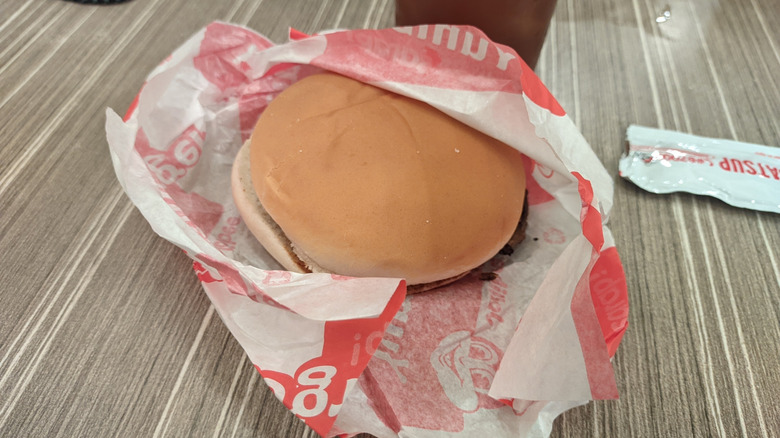
For instance, the "Angus Aloha Burger," while praised for its creative use of pineapple, has faced criticism regarding the ratio of ingredients. Customers have noted that the pineapple slice often dwarfs the beef patty, leading to a perception of "shrinkflation" or poor value. When a meal is perceived as both expensive and lacking in substance, the tolerance for quality control issues drops significantly. Consumers are increasingly willing to pay a premium for fast food, but that premium carries an implicit promise of consistency and quality that Jollibee is currently struggling to fulfill across all its U.S. touchpoints.
Official Responses and Operational Implications
While Jollibee Foods Corporation has not issued a singular, global statement addressing every social media critique, the company’s internal messaging consistently emphasizes their commitment to high food safety standards. In instances where customers have voiced concerns to management, they are often met with assurances that the brand adheres to rigorous, established safety protocols.
However, the internal operational challenge for Jollibee is clear: how to maintain the "magic" of a localized cultural experience while transitioning into a high-volume, standardized American chain.
Implications for the Brand
- The "Americanization" Trap: By modifying menus to appeal to broader tastes, Jollibee risks diluting the very identity that made it unique. If the U.S. experience is deemed "inferior" to the Philippine experience, the brand risks alienating its core base of Filipino-American supporters while failing to gain traction with new customers who find the food "bland" or "too sweet."
- Standardization vs. Decentralization: As the company pushes toward 500 U.S. locations, the reliance on franchise models often leads to localized variations in quality. Ensuring that a store in California delivers the same quality as a flagship location in Manila requires intense supply chain oversight and rigorous training programs.
- The Value Proposition: Inflation has made every dollar count. For a fast-food brand to survive in the U.S., it must provide a clear value proposition. If customers believe they are paying "premium" prices for "low-quality" or "small-portion" items, brand loyalty will erode rapidly.
Conclusion: The Road Ahead
Jollibee remains a formidable player in the global fast-food arena. Its ability to cultivate a loyal following is undeniable, and its success in the Philippines is a testament to its operational brilliance. However, the American market is unforgiving. To reach its goal of 500 U.S. locations, the company must move beyond the "growing pains" phase.
Addressing the consistency of its fried chicken, reinforcing food safety protocols, and finding a balance between authentic Filipino flavors and American palate expectations will be critical. Ultimately, Jollibee’s future in the U.S. depends on its ability to prove that its "Joy" is not just a marketing slogan, but a consistent experience that justifies the price of entry. The brand stands at a crossroads: it can either continue to expand rapidly and risk further dilution, or it can pause to ensure that every piece of chicken served meets the standard that made it a global icon in the first place.