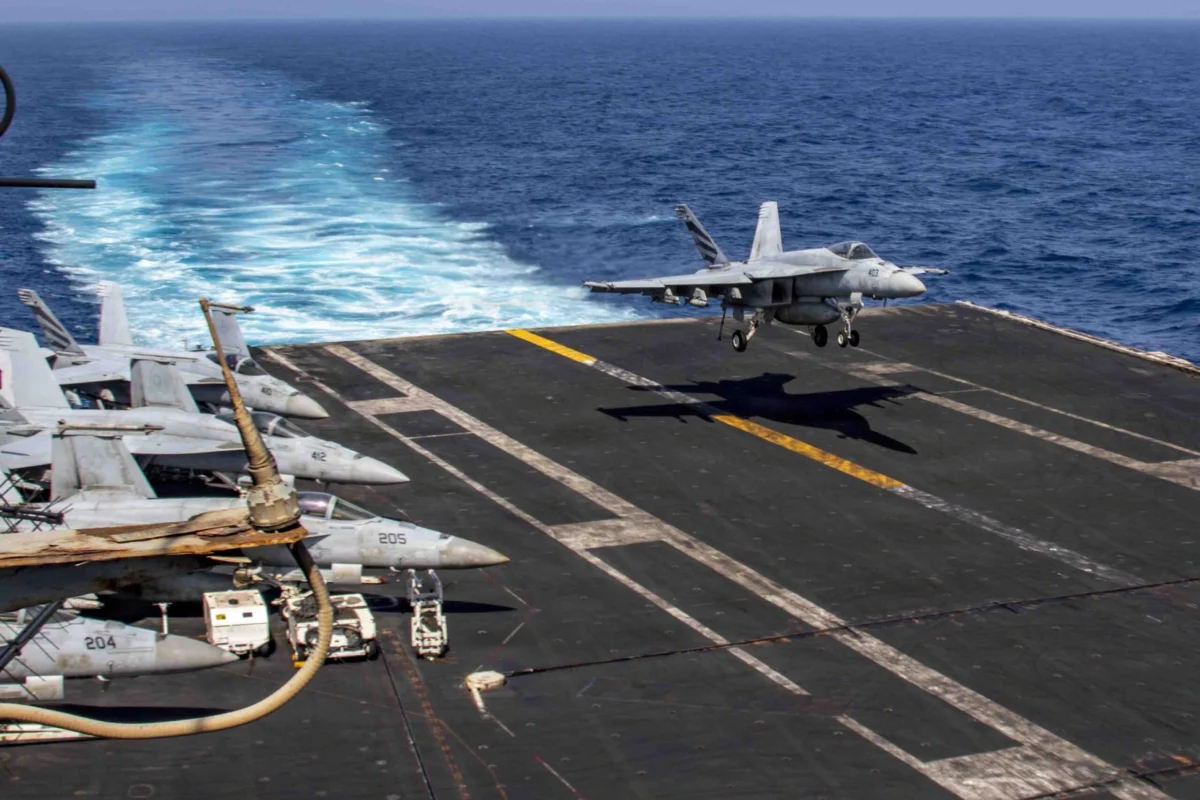
GENEVA / WASHINGTON D.C. — In a dramatic turn of events that has sent shockwaves through global financial and energy markets, the United States and the Islamic Republic of Iran confirmed on Sunday that a comprehensive agreement has been reached to end the maritime blockade of the Strait of Hormuz. The deal, brokered after months of devastating conflict and weeks of fragile negotiations, marks the most significant diplomatic breakthrough in the Middle East in decades, promising to restore the flow of nearly 20% of the world’s petroleum and liquefied natural gas (LNG).
The announcement, delivered via social media and confirmed by diplomatic channels in Islamabad and Geneva, triggered an immediate and massive reaction in global markets. Investors, who had been bracing for a protracted "forever war" in the Gulf, responded with a wave of optimism, while energy prices, which had reached historic highs during the conflict, began a precipitous decline.
I. Main Facts: A Sunday Morning Breakthrough
The news broke roughly thirty minutes before the opening of U.S. stock futures on Sunday evening. Former President Donald Trump, currently leading the U.S. administration’s war and diplomatic efforts, took to social media to announce the cessation of the naval blockade.
"Deal with the Islamic Republic of Iran is now complete. Congratulations to all!" Trump posted. "I hereby fully authorize the toll-free opening of the Strait of Hormuz, and, simultaneously herewith, authorize the immediate removal of the United States Naval blockade. Ships of the World, start your engines. Let the oil flow!"
Minutes later, Iranian President Masoud Pezeshkian corroborated the announcement on X (formerly Twitter), stating simply, "Agreement reached." This was followed by a more detailed briefing from Iranian Deputy Foreign Minister Kazem Gharibabadi, who confirmed that the two nations would meet in Geneva this coming Friday for a formal signing ceremony.
The core tenets of the deal include:
- The Immediate Cessation of Hostilities: A formal end to the naval blockade that has paralyzed the Persian Gulf.
- Mine Clearance: A joint effort to clear the narrow waterway of naval mines laid during the conflict.
- Phased Sanctions Relief: A commitment from the U.S. to begin easing economic restrictions in exchange for nuclear concessions.
- Freedom of Navigation: The restoration of the Strait of Hormuz as a toll-free, international passage.
II. Chronology: From Total War to Diplomatic Thaw
The road to this agreement was paved with unprecedented destruction. The conflict, which erupted in late February following a series of escalations between the U.S., Israel, and Iran, quickly spiraled into what historians are already calling the "Great Gulf Disruption."
The February Escalation
In late February, a joint U.S.-Israeli military campaign was launched against Iranian strategic assets. While the initial strikes were aimed at neutralizing Iran’s nuclear infrastructure and conventional military capabilities, the conflict rapidly expanded. Within days, Tehran exercised its "nuclear option" for the global economy: the total closure of the Strait of Hormuz.
The Maritime Stalemate
For months, the global economy groaned under the weight of the blockade. While U.S. and allied forces successfully decimated Iran’s conventional navy and air force, the Islamic Revolutionary Guard Corps (IRGC) utilized asymmetric tactics—using fast-attack boats, drones, and sophisticated naval mines—to maintain a "denial of access" zone.
The U.S. military attempted to mitigate the crisis by carving out a narrow "alternate route" through the strait, but this only allowed a "trickle" of oil to escape, far from the 20 million barrels per day required to stabilize global markets.
The Role of Pakistan
As the stalemate dragged into the summer, Pakistan emerged as a critical intermediary. Leveraging its unique position as a nuclear-armed neighbor to Iran with long-standing ties to Washington, Pakistani diplomats facilitated "proximity talks" between the two warring parties. These negotiations, often conducted in secret, focused on the immediate economic necessity of reopening the Strait, deferring more complex political grievances to a 60-day "cooling-off" period.
III. Supporting Data: Market Volatility and Economic Relief
The financial impact of the announcement was instantaneous and profound. The "Hormuz Premium," which had added a massive surcharge to global commodities, evaporated within minutes of the news.
Equity Markets
U.S. stock futures saw a massive "relief rally":
- Dow Jones Industrial Average Futures: Leapt 267 points, or 0.52%.
- S&P 500 Futures: Surged 0.79%.
- Nasdaq 100 Futures: Jumped 1.26%, led by transportation and manufacturing sectors that are heavily dependent on fuel costs.
Energy and Commodities
The most dramatic moves occurred in the pits of the energy markets.
- West Texas Intermediate (WTI): Sank 3.8% to $81.65 a barrel.
- Brent Crude: Tumbled 3.4% to $84.35 a barrel.
- Gold: In a counter-intuitive move, gold rose 1.6% to $4,307.30 per ounce, as investors hedged against the potential for long-term inflationary pressures resulting from the eventual reconstruction of the region.
Currency and Bonds
The U.S. dollar softened as the "safe haven" demand subsided:
- USD/EUR: Down 0.35%.
- USD/JPY: Down 0.20%.
- 10-Year Treasury Yield: Remained relatively flat at 4.483%, suggesting that while the immediate crisis has passed, the long-term fiscal implications of the war remain a concern for bondholders.
IV. Official Responses: A Shift in Rhetoric
The tone of the official responses suggests a significant pivot in U.S. foreign policy. Most notable was President Trump’s abandonment of "regime change" as a primary objective.
The U.S. Perspective
In an interview with the Wall Street Journal following his social media announcement, Trump appeared to praise the current Iranian leadership. "As far as regime change, I never cared about regime change," Trump said. "This is the third group we’ve dealt with, and this is the most rational group yet."
This marks a stark departure from the early days of the war in February, when Trump exhorted the Iranian people to overthrow their government. Despite the deaths of Supreme Leader Ali Khamenei and other high-ranking officials during the conflict, the swift replacement of the leadership by Khamenei’s son and a cadre of hardliners appears to have created a "rational" interlocutor for Washington.
The Iranian Perspective
From Tehran, the message was one of cautious victory and economic survival. Deputy Foreign Minister Gharibabadi emphasized that the deal was a "victory for Iranian sovereignty" and a necessary step to end the "illegal blockade" of their territorial waters. The Iranian government is under immense domestic pressure to restore the economy, as sanctions and the war had pushed the country to the brink of total collapse.
The Pakistani Mediation
The Pakistani Foreign Ministry released a statement late Sunday confirming that the two nations would "electronically sign" the preliminary agreement today, ensuring that the technical aspects of the ceasefire and the removal of the blockade could begin immediately, ahead of the ceremonial signing in Geneva.
V. Implications: The 60-Day Countdown
While the reopening of the Strait of Hormuz is a monumental achievement, analysts warn that the most difficult negotiations lie ahead. The deal announced Sunday is effectively a "truce with benefits," leaving several "existential" issues unresolved.
The Nuclear Question
One of the most contentious points remains Iran’s nuclear program. Trump told the Wall Street Journal that Iran has agreed not to obtain nuclear weapons, but the actual removal of enriched uranium—what he termed "the nuclear dust"—has been postponed.
"We’ll get the nuclear dust later on when we’re ready to go in and do it," Trump stated. "I’d say over the next month or two, there’s no rush." This suggests a 60-day window where Iran will remain a "threshold" nuclear power while diplomats iron out the specifics of extraction and monitoring.
Sanctions and Assets
The financial component of the deal is equally complex. Iran has demanded the release of billions of dollars in frozen assets and total sanctions relief. While Trump insisted that Iran "wouldn’t receive any cash" as part of the initial deal, he conceded that sanctions would be lifted in phases. This "performance-based" relief will likely be the primary leverage the U.S. maintains during the 60-day negotiation period.
Security and Mine Clearance
The physical reopening of the Strait is not as simple as flipping a switch. Trump suggested that the official reopening would occur on Friday, coinciding with the Geneva signing, to allow time for the removal of naval mines. The IRGC’s "mine-laying" campaign was extensive, and the presence of "drifting" mines remains a significant hazard for ultra-large crude carriers (ULCCs). International shipping insurance premiums are expected to remain elevated until a "safe passage" certification is issued by the International Maritime Organization (IMO).
Geopolitical Realignment
The war and its sudden conclusion have reshaped the Middle East. The decimation of Iran’s conventional forces has left a power vacuum that regional actors, including Saudi Arabia and Turkey, are eyeing warily. Furthermore, the fact that the U.S. was "unable to restore full freedom of navigation" through military force alone—necessitating this diplomatic compromise—may signal a shift in how global powers view the efficacy of naval blockades in the age of asymmetric drone warfare.
As the world watches the "nuclear dust" settle, the next 60 days will determine whether this Sunday breakthrough is the start of a lasting peace or merely a brief intermission in a larger regional struggle. For now, however, the global economy can breathe a sigh of relief: the oil is about to flow again.