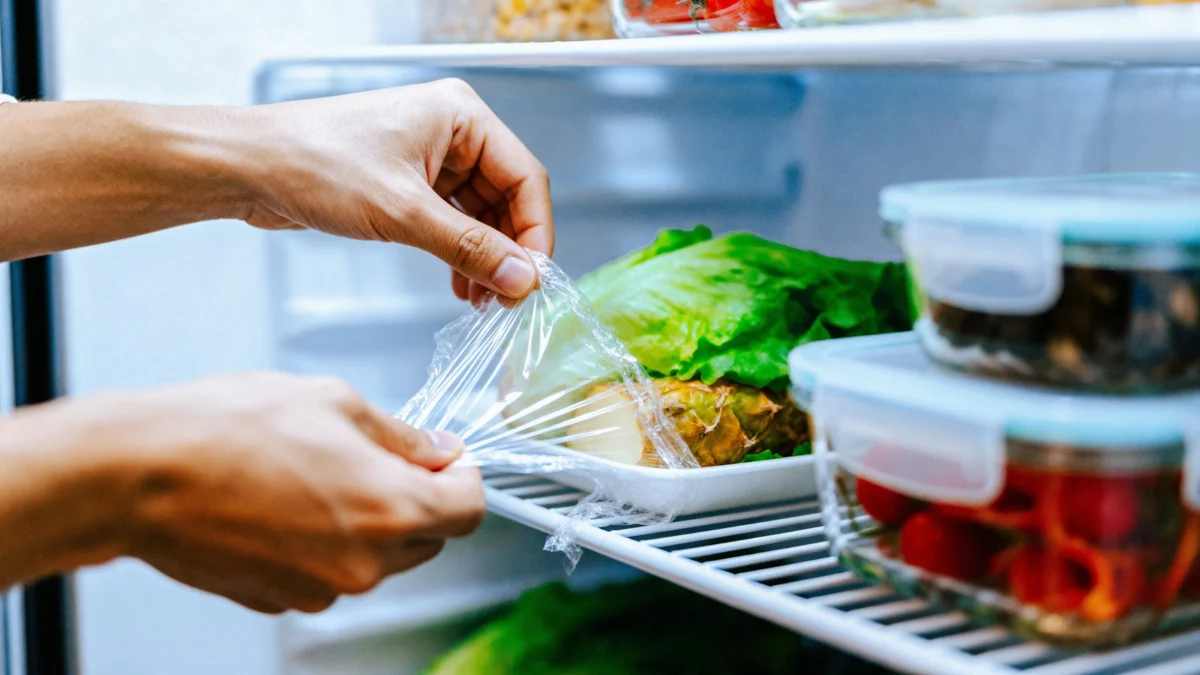
For many, the Sunday night meal-prep ritual is a cornerstone of a balanced, efficient lifestyle. By dedicating a few hours to cooking in bulk, home chefs can bypass the daily stress of deciding what to eat, ensuring a nutritious lunch or dinner is always just a microwave cycle away. However, this convenience often hits a wall of uncertainty by Wednesday or Thursday: you open the refrigerator, stare at a container of pasta or roast chicken, and find yourself paralyzed by the question, "Is this still safe to eat?"
Food waste is a significant global concern, yet the fear of foodborne illness often leads people to discard perfectly good meals prematurely. Conversely, the temptation to "stretch" a meal for an entire week can lead to serious health risks. To navigate this uncertainty, food safety experts rely on a simple, gold-standard guideline: the "4 Under 40" rule.
Understanding the "4 Under 40" Rule: The Core Principles
At its heart, the "4 Under 40" rule is a mnemonic device designed to simplify complex microbiology into actionable kitchen habits. The premise is straightforward: Leftovers should be consumed within four days if they are stored at a temperature of 40 degrees Fahrenheit (4 degrees Celsius) or below.
The Science Behind the Numbers
The "40 degrees" component of the rule is rooted in the concept of the "Temperature Danger Zone." Food scientists define this zone as the range between 40°F and 140°F (4°C to 60°C). Within this temperature window, bacteria such as Salmonella, E. coli, and Listeria can double in number in as little as 20 minutes. By maintaining a refrigerator temperature of 40°F or below, you effectively slow the metabolic processes of these pathogens, putting them into a state of "dormancy."
The "4 days" component serves as a secondary safeguard. While refrigeration inhibits bacterial growth, it does not stop it entirely. Over time, psychrotrophic bacteria—those that thrive in cold environments—will continue to multiply, albeit at a significantly reduced rate. Four days is the industry-standard threshold where the risk of pathogen accumulation remains low for most cooked foods.
Chronology of Safety: From Oven to Refrigerator
The safety of your leftovers is determined long before you decide to eat them; it begins the moment you finish cooking. The following chronology outlines the critical steps to ensure your food remains safe throughout its shelf life.
1. The Cooling Phase
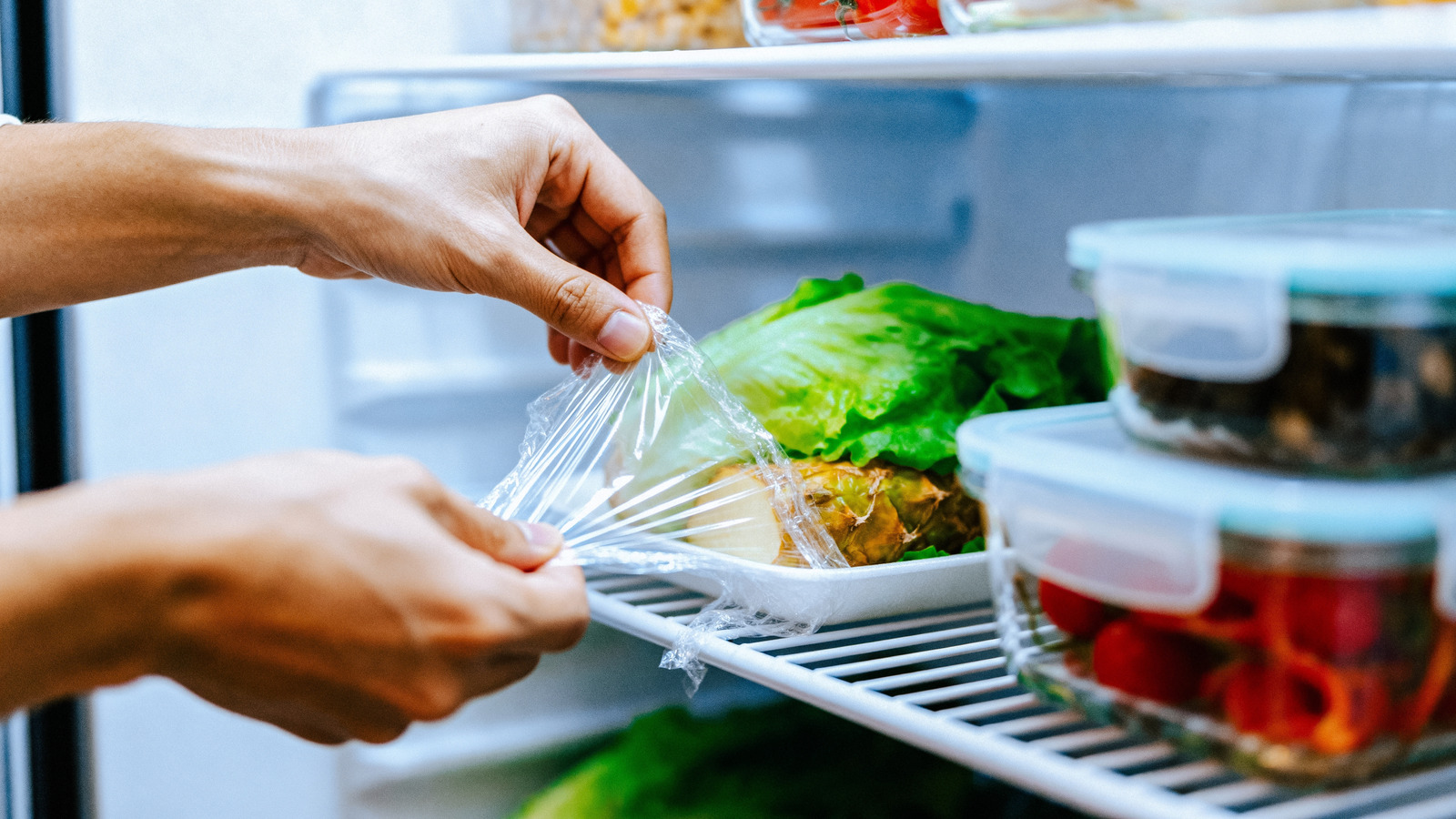
The biggest mistake home cooks make is leaving food on the counter to "cool down" to room temperature before refrigerating. While it was once common advice to wait for steam to dissipate, modern food safety guidelines suggest otherwise. You should aim to get food into the refrigerator as quickly as possible. If you have a large pot of chili or a whole roast, divide it into smaller, shallower containers. This increases the surface area, allowing the food to reach the 40°F threshold much faster.
2. The Storage Window
Once the food is in the refrigerator, the clock starts. Whether it is a stir-fry, a casserole, or a roasted protein, the four-day countdown begins immediately. Do not factor in the time the food spent cooling on the counter; that time should be kept to an absolute minimum (under two hours is the general limit).
3. The Consumption and Reheating Stage
When you decide to eat your leftovers, the process of reheating is just as critical as the storage. Food should be reheated to an internal temperature of 165°F (74°C) to kill any bacteria that may have begun to colonize the food during storage. Furthermore, you should only reheat the portion you intend to consume. Repeatedly cycling food from the fridge to the microwave and back again introduces fluctuating temperatures that provide the perfect environment for bacterial bloom.
Supporting Data and Microbial Risks
Why is the 40°F threshold so non-negotiable? Data from the Centers for Disease Control and Prevention (CDC) indicates that foodborne illnesses are often caused by improper temperature control during the storage and cooling phases.
Microbiologically, pathogens are resilient. While high heat during the initial cooking process kills active bacteria, it does not always neutralize the toxins produced by certain bacteria, such as Staphylococcus aureus or Bacillus cereus. These toxins are heat-stable; if they have already formed in your food due to improper storage, even thorough reheating will not make the food safe. This is why strict adherence to the 40°F rule is vital—it prevents these bacteria from reaching the population levels necessary to produce dangerous toxins in the first place.
Official Responses and Regulatory Guidance
Governmental bodies, including the United States Department of Agriculture (USDA) and the Food and Drug Administration (FDA), consistently reinforce the 40°F limit. The USDA’s "Keep Food Cold" campaign highlights that appliances should be monitored with a dedicated refrigerator thermometer. Relying on the built-in dial of a refrigerator is often insufficient, as internal temperatures can vary significantly based on how tightly the fridge is packed or how often the door is opened.
The FDA also emphasizes that "when in doubt, throw it out." No amount of reheating or seasoning can compensate for food that has been compromised by temperature abuse. If you are unsure how long a container has been in the fridge, or if your refrigerator suffered a power outage during your absence, the safest course of action is always to discard the item.
Maximizing the Life of Your Leftovers: Professional Tips
To extend the quality and safety of your food, consider these expert-backed practices:
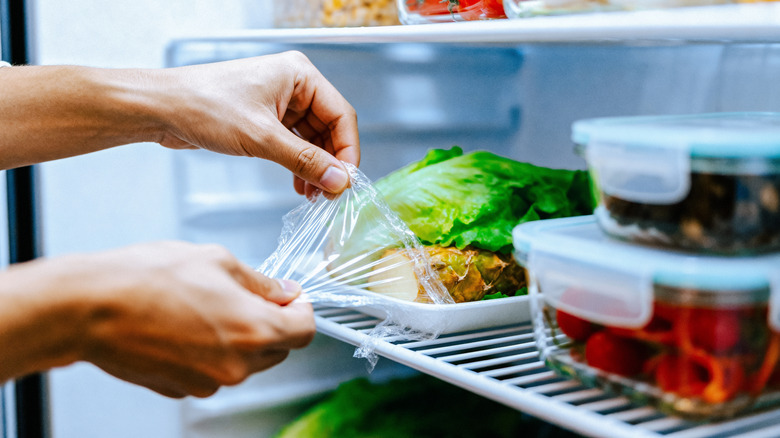
- Strategic Placement: Avoid the "door trap." Many people store perishables in the refrigerator door, which is the warmest part of the unit due to frequent exposure to ambient air. Store your leftovers on a shelf in the main body of the fridge, ideally towards the back where the temperature remains the most consistent.
- Airtight Integrity: Oxygen exposure can lead to rancidity and the absorption of unwanted odors from other items in your fridge. Use high-quality, airtight glass or BPA-free plastic containers to seal in freshness.
- Labeling: In the rush of a busy week, it is easy to lose track of when you cooked a specific dish. Use masking tape or a dry-erase marker to label your containers with the date they were placed in the fridge. This simple act eliminates the guessing game.
- The Senses Test: While the 40°F/4-day rule is your primary defense, your senses remain a secondary checkpoint. If food exhibits a slimy texture, an off-putting odor, or any visible mold, do not attempt to "salvage" it. Spoilage organisms are often accompanied by pathogenic bacteria that you cannot see or smell.
Implications for Modern Kitchen Management
Adopting the "4 Under 40" rule is not just about avoiding a bout of food poisoning; it is about cultivating a more disciplined and efficient relationship with your kitchen. By treating your refrigerator as a controlled environment rather than a "dumping ground," you reduce food waste, save money on groceries, and improve the overall quality of the meals you consume.
In an era where convenience often overshadows culinary safety, returning to these fundamental rules is essential. The "4 Under 40" rule serves as a reminder that the health of our household starts with the management of our ingredients. By respecting the temperature and time constraints of our food, we can enjoy the convenience of meal-prepping with the confidence that every bite is as safe as it is delicious.
Ultimately, your refrigerator is one of the most important appliances in your home for public health. Treat it with the respect it deserves, monitor its temperature, and keep that four-day clock in mind. Your stomach—and your peace of mind—will thank you.