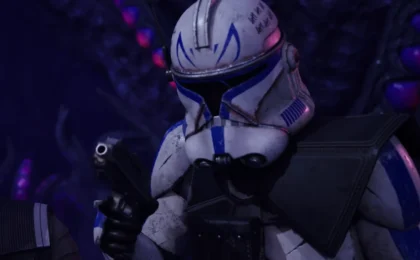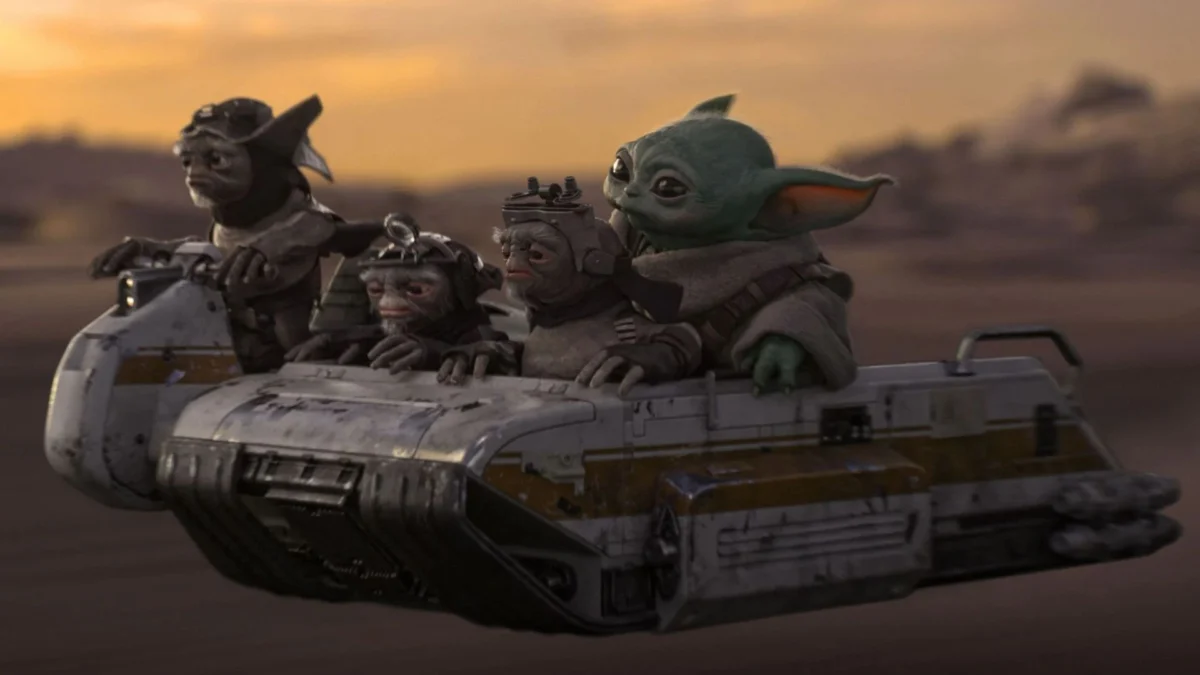
For Star Wars fans, the journey of Din Djarin and his verdant ward, Grogu, has been one of the most significant pivots in the history of the Lucasfilm franchise. After successfully revitalizing the brand on the small screen via Disney+, the duo made their ambitious leap to the silver screen this past May. Now, as the theatrical run settles into the annals of pop culture history, Disney and Lucasfilm are preparing for the next phase of the film’s lifecycle: the home media release.
Following a digital debut on July 21, The Mandalorian and Grogu is set to arrive on 4K Ultra HD and Blu-ray on August 25. This physical rollout aims to capture the hearts—and the collector shelves—of the devoted, offering a tiered selection of formats that includes a premium "Beskar Collector’s Edition" and a standalone SteelBook release. However, as these discs prepare to ship, the conversation surrounding the film has shifted from its technical merits to a broader inquiry into the state of the Star Wars cinematic universe.
The Physical Release: A Collector’s Bounty
The home media market remains a vital touchstone for sci-fi franchises, and Lucasfilm is pulling out all the stops for this specific release. The "Beskar Collector’s Edition" serves as the flagship product, designed to appeal to the "completist" segment of the fandom. This edition features bespoke, high-quality packaging, a durable SteelBook case, and a suite of collectible metal posters. The set includes the film on both 4K UHD and standard Blu-ray, rounded out with a digital code for immediate streaming access.
For those who prefer a more streamlined acquisition, the standalone SteelBook release offers the same 4K and Blu-ray disc configuration, complete with the digital code, sans the extra physical trinkets. Standard DVD and Blu-ray editions will also be available for mass-market retailers, ensuring that the film occupies shelf space across the entire spectrum of physical media accessibility.
Beyond the physical hardware, fans are eagerly awaiting the slate of special features. While specifics are being rolled out, the industry standard for these types of releases—featuring behind-the-scenes featurettes, director commentary from Jon Favreau, and technical breakdowns of the film’s unique production methodologies—is expected to be represented. These features are often the lifeblood of physical media, providing a level of depth that streaming services frequently lack.
A Chronology of the Big Screen Jump
The release of The Mandalorian and Grogu on May 22 marked a historic milestone: it was the first time Star Wars had returned to the theatrical environment since the polarized reception of 2019’s Star Wars: The Rise of Skywalker. The five-year gap between theatrical entries was intended to serve as a "reset" period, allowing the franchise to recalibrate its creative direction under the guidance of Kathleen Kennedy and Jon Favreau.
When the project was first announced, it was framed as a celebration of the success of the Mandalorian series. Having defined the "Disney+ era" of Star Wars, Mando and Grogu were seen as the most logical candidates to bridge the gap between television and film. The production cycle was swift, characterized by Favreau’s trademark efficiency, yet the film’s reception proved that the transition from a serialized streaming format to a standalone blockbuster event is fraught with unexpected challenges.
Analyzing the Box Office Performance
Despite the massive cultural footprint of the Disney+ show, The Mandalorian and Grogu faced a lukewarm reception at the global box office. Critics have pointed to several factors, including market saturation, the changing habits of post-pandemic cinema-goers, and the perceived "low stakes" of the narrative.
Data suggests that audiences were simply not present in the numbers expected for a flagship Star Wars tentpole. While the film was not a total financial catastrophe, it failed to ignite the kind of cultural fervor that defined the original or prequel trilogies. This lack of box office momentum has led to a flurry of internal discussions at Disney regarding the future of the franchise’s theatrical strategy. Is the "event" nature of Star Wars waning, or was this particular story better suited for the intimate, episodic environment of a television series?
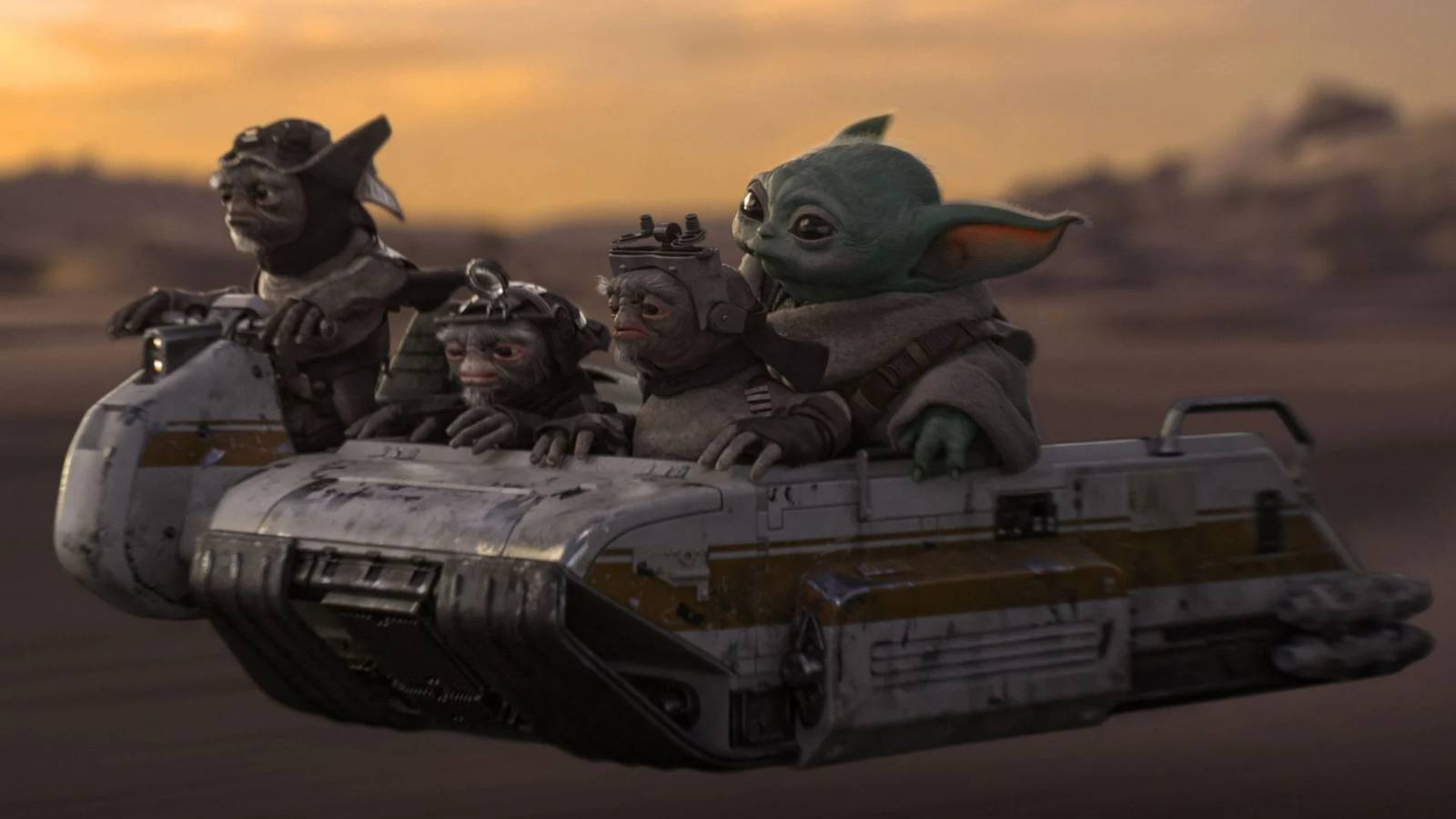
Critical Perspectives: A Desperate Gambit or a Necessary Pivot?
The critical consensus surrounding The Mandalorian and Grogu has been decidedly mixed, reflecting the internal friction between catering to long-term devotees and attempting to capture a younger, newer audience.
In a candid review for Polygon, critic Jake Kleinman framed the film not as a traditional Star Wars epic, but as a calculated corporate maneuver. "It’s a desperate attempt to cultivate a new generation before it’s too late," Kleinman wrote. He argued that the film relies heavily on the visual appeal of Grogu—a character designed with a potent, universal "cuteness" factor—rather than the intricate lore that usually sustains the Star Wars universe.
"Baby Yoda was a once-in-a-generation character whose appeal has more to do with his visual design than the canon and lore that surrounds him," Kleinman noted. "Jon Favreau understands this better than anyone. He’s made a movie seemingly built around cute cutaways to Grogu and occasional references to something older Star Wars fans will recognize. The kids will go home happier than anyone still seething over the prequel trilogy."
This critique touches on the fundamental dilemma facing modern Lucasfilm: how to balance the deep, sometimes exclusionary lore of the Skywalker Saga with the need to attract casual viewers. Kleinman’s review concludes with a poignant, if harsh, observation: "The fact that The Mandalorian and Grogu fails to be ‘a Star Wars Movie’ means it probably never should have been made."
Official Responses and Creative Direction
While Lucasfilm has not issued a formal rebuttal to the film’s critical reception, the silence is telling. Jon Favreau has frequently spoken about his desire to create "accessible" Star Wars content—stories that don’t require the viewer to have read dozens of novels or watched every animated spin-off.
The studio’s decision to move quickly to home media release—a tight turnaround from its May theatrical debut to an August physical release—suggests a desire to capitalize on the dedicated fanbase that likely skipped the theater experience in favor of waiting for the disc. By bundling the release with high-end collector items, Disney is signaling that they recognize the film’s core value lies in the "hardcore" fandom, the very group that felt alienated by the film’s lack of traditional "Star Wars-ness."
Implications for the Future of Star Wars
The trajectory of The Mandalorian and Grogu will undoubtedly influence upcoming projects. With several Star Wars films currently in development, the studio is at a crossroads. The failure of this film to reach blockbuster heights suggests that the "TV-to-movie" pipeline may not be the guaranteed gold mine that executives once believed.
Furthermore, the emphasis on physical media editions—complete with elaborate Beskar-themed packaging—suggests that Lucasfilm is leaning heavily into the "boutique" aspect of the franchise. They are increasingly positioning Star Wars as a collectible, high-end experience for those who care about the presentation of the art as much as the narrative itself.
Ultimately, the home release of The Mandalorian and Grogu serves as a case study in modern media management. It is a film that exists in a liminal space: too expensive to be a small-scale experiment, yet too modest in scope to be a true cinematic revolution. As fans prepare to add the SteelBook to their collections this August, they are not just buying a movie; they are purchasing a piece of a larger, evolving, and perhaps identity-seeking franchise. Whether this represents a stumble or a necessary evolution remains the central question for the future of the galaxy far, far away.