For decades, cast iron has been the undisputed heavyweight champion of the culinary world. From the blackened, seasoned pans passed down through generations to the rugged skillets hanging in professional kitchens, this material is revered for its unrivaled heat retention, durability, and natural nonstick properties. Yet, for many home cooks—and even seasoned professionals—traditional cast iron often comes with a set of "barrier to entry" frustrations: it is notoriously heavy, requires constant, labor-intensive maintenance, and can be frustratingly inconsistent when it comes to heat distribution.
As a professional chef who has spent years managing the high-pressure environment of a commercial kitchen, I have often opted for lighter, more reactive cookware for my daily service. The idea of maneuvering an 18-pound Dutch oven repeatedly during a dinner rush for 40 covers was simply not feasible. However, when Made In announced the launch of their new line of seasoned cast iron, I was intrigued. Could a brand successfully modernize a material that has remained largely unchanged for centuries without sacrificing the qualities that make it iconic? I put these pans to the test to find out.
Main Facts: A New Approach to Traditional Cookware
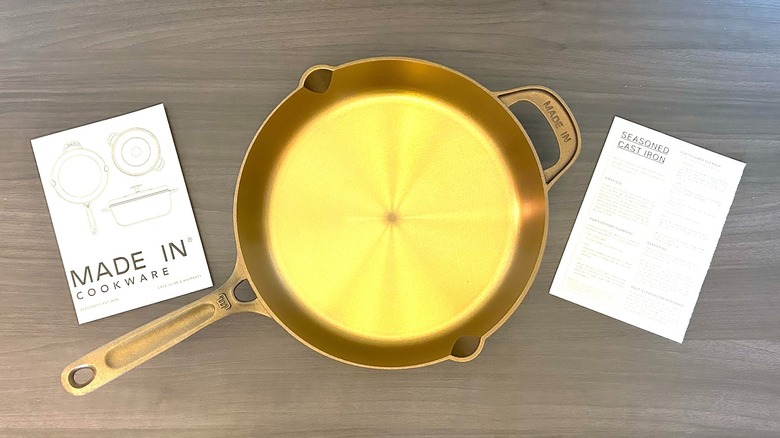
Made In has positioned its new seasoned cast iron collection as a marriage between heritage craftsmanship and modern engineering. Unlike mass-produced pans that often feature a rough, sand-cast surface, these skillets are designed with a smoother finish and a significantly reduced weight profile.
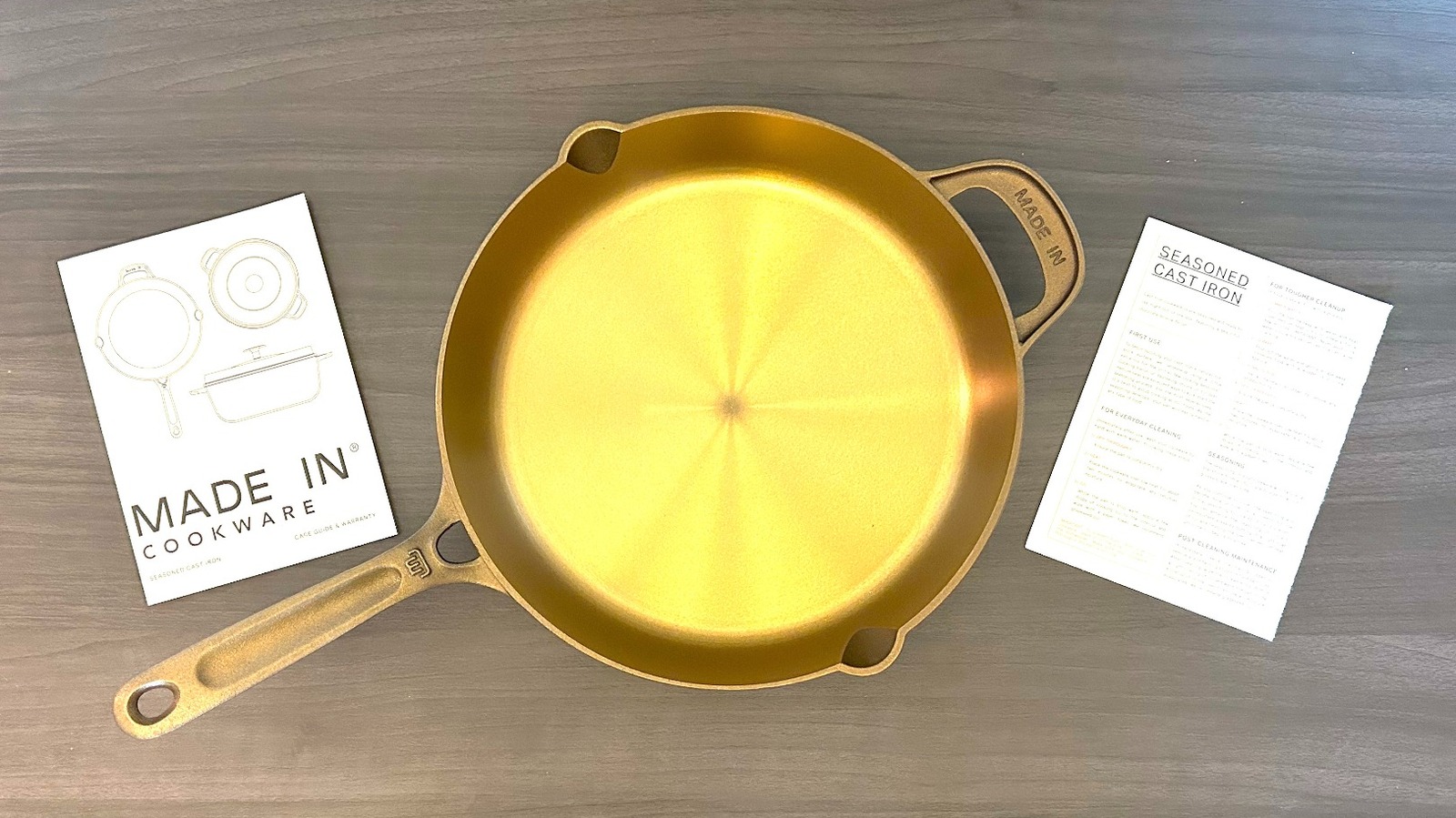
Key features of the collection include:
- Proprietary Pre-Seasoning: Each pan arrives ready to use, seasoned with an organic flaxseed oil blend that creates a durable, nonstick foundation.
- Dual Pour Spouts: A thoughtful addition for those who frequently work with sauces, oils, or pan drippings, facilitating cleaner transfers.
- Weight Reduction: By refining the casting process, Made In has managed to shave off significant weight compared to traditional vintage or budget-friendly skillets, making them more manageable for daily use.
- Versatility: These pans are rated for stovetop, oven, and even open-flame cooking, maintaining the classic utility of cast iron.
Chronology: Putting the Skillets Through Their Paces
To truly evaluate the performance of these pans, I subjected them to a rigorous, three-part culinary stress test. The goal was to replicate real-world scenarios that highlight the strengths and weaknesses of cast iron.
Phase 1: The Bread Test (Even Heating)
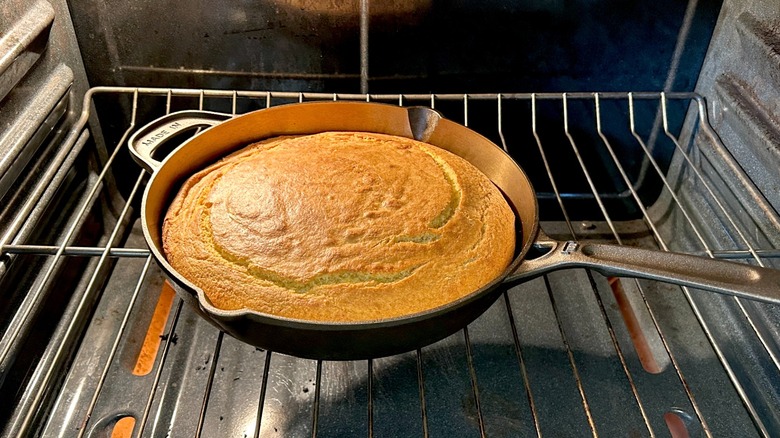
I began with a classic skillet cornbread. The primary concern with cast iron is the potential for "hot spots," where the bottom of the bread burns before the center is fully set. The Made In 10-inch skillet performed exceptionally well. The heat distribution was remarkably uniform, resulting in a golden-brown crust across the entire surface. While the bottom was slightly more browned than I might personally prefer, the texture of the bread was consistently tender, indicating excellent heat retention and conductivity.
Phase 2: The Protein Test (Searing and Basting)
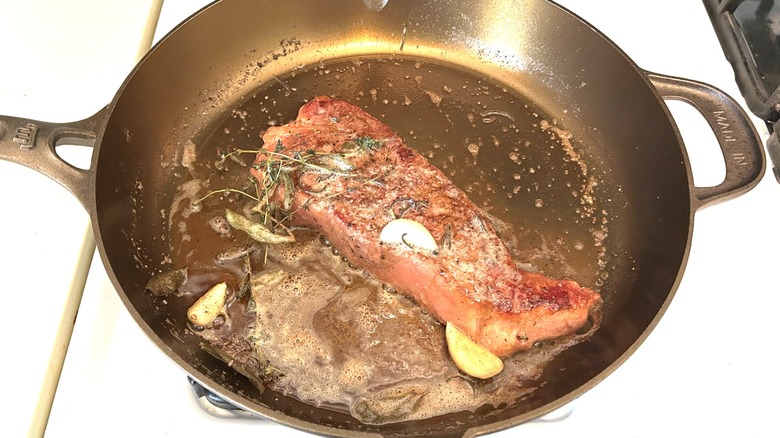
Using the 12-inch skillet, I butter-basted a thick-cut strip steak. This is a technique that relies heavily on a pan’s ability to hold a high temperature and respond to subtle adjustments. The pan developed a deep, mahogany crust on the steak in minutes. The dual pour spouts proved their worth here; when it came time to discard the excess butter and rendered fat, the process was clean and controlled—a rarity in the often-messy world of pan-searing.
Phase 3: The Fry Test (Deep Frying)
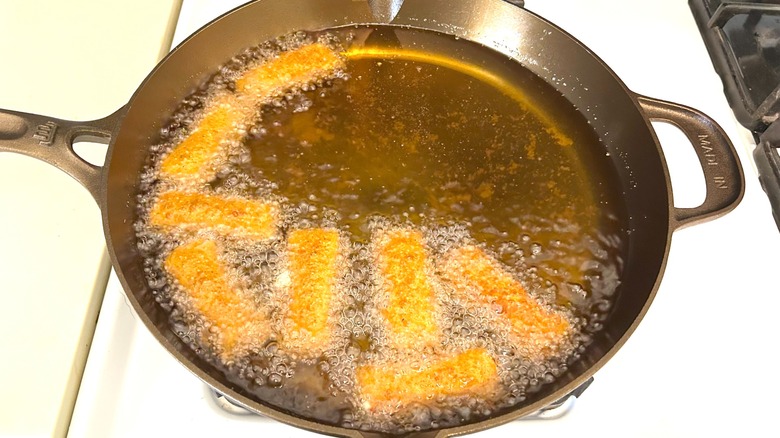
Finally, I used the pans to deep-fry mozzarella sticks. Maintaining a steady oil temperature is notoriously difficult in thin-gauge metal, but the thermal mass of the Made In skillet kept the oil at a consistent temperature despite the introduction of cold, breaded cheese. The result was a crisp, golden exterior and a perfectly melted interior.
Supporting Data: Comparative Value and Market Context
When discussing high-end cookware, price is always a factor. The market for cast iron ranges from $20 thrift-store finds to artisanal, boutique pieces that cost upwards of $200.
- Made In 10-inch Skillet: $149
- Made In 12-inch Skillet: $199
- 3-Piece Skillet Set: $399 (a savings of $78)
For comparison, high-end brands like Butter Pat can charge over $225 for a 10-inch skillet. While Made In is a premium investment, it sits in a competitive "sweet spot." It offers a refined, modern user experience that justifies the price for a serious home cook, while still remaining significantly more accessible than ultra-niche, hand-forged alternatives. The inclusion of a 60-day money-back guarantee also mitigates the risk for those skeptical of transitioning from traditional, heavier pans.
Official Perspectives: The Chef’s Verdict on Maintenance
One of the most persistent myths about cast iron is that it is impossible to clean. While the "no soap" rule is largely a relic of the past, maintenance remains a necessary chore. Made In’s instructions are clear: hand-wash with warm water, dry immediately on the stovetop to evaporate lingering moisture, and apply a thin layer of oil.
From a professional perspective, this is a standard workflow. The "burden" of maintenance is often overstated. Because the pans come pre-seasoned with a high-quality flaxseed oil, the natural nonstick surface is more resilient than a DIY seasoning job. During my testing, I found that if a minor stick did occur, a quick wipe with a salt-based abrasive and a re-oiling was all that was needed to return the pan to its original, slick state.
Implications: Is This the End of the "Heavyweight" Era?
The introduction of these pans signals a shift in the cookware industry. For years, the only way to get a high-performing cast iron pan was to hunt for vintage "smooth-bottom" pieces from the early 20th century, which are increasingly rare and expensive. Made In is effectively bridging the gap between mass-produced, pebbled-surface modern cast iron and the sought-after vintage experience.
Why This Matters
For the average home cook, the implications are significant. We are seeing a move toward "intentional kitchenware"—tools that are designed to be used daily rather than tucked away in a cabinet due to their sheer weight or difficulty of care. By making the pans lighter and adding functional features like the dual pour spouts, Made In is removing the psychological barriers that keep people from using their cast iron more frequently.
Final Thoughts
If you are looking for a pan that provides the thermal benefits of iron but are intimidated by the heft of traditional models, the Made In collection is an excellent candidate. While it is an investment, the build quality, ease of handling, and consistent thermal performance make it a versatile workhorse.
Whether you are a professional chef looking to streamline your equipment or a home cook who wants to elevate your sear, these skillets hit the mark. They prove that you don’t need to sacrifice performance for comfort—and that sometimes, the best way to move forward is to refine the classics we’ve relied on for centuries. After testing these pans against my own professional standards, I can confidently say they are a welcome addition to any kitchen, professional or otherwise.