Nineteen years ago, Ko Lipe was a whisper in the backpacker circuit—a remote, crescent-shaped sliver of sand in the Andaman Sea that demanded grit to reach. For those who made the journey in 2006, the island was a sanctuary of simplicity: electricity flickered to life only for a few hours each evening, bungalows were humble wooden structures perched on the sand for roughly $2 a night, and the "last boat" of the season felt like a final umbilical cord connecting you to the rest of the world.
Today, that silence has been replaced by the relentless hum of generators, the drone of longtail boat engines, and the percussive thud of construction hammers. Returning to the island for a New Year’s excursion, the author discovered that the paradise of memory has been sacrificed to the altar of unchecked development.
The Evolution of a Backpacker Haven
In 2006, life on Ko Lipe was governed by the rhythm of the tides rather than the demands of a tourism industry. Days were spent in a meditative loop: snorkeling in pristine coral gardens, reading on the sand, and sharing beers at the island’s solitary beach bar. It was a place where "getting stuck" was the ultimate goal, and travelers often found that a three-day stopover inevitably stretched into three weeks.
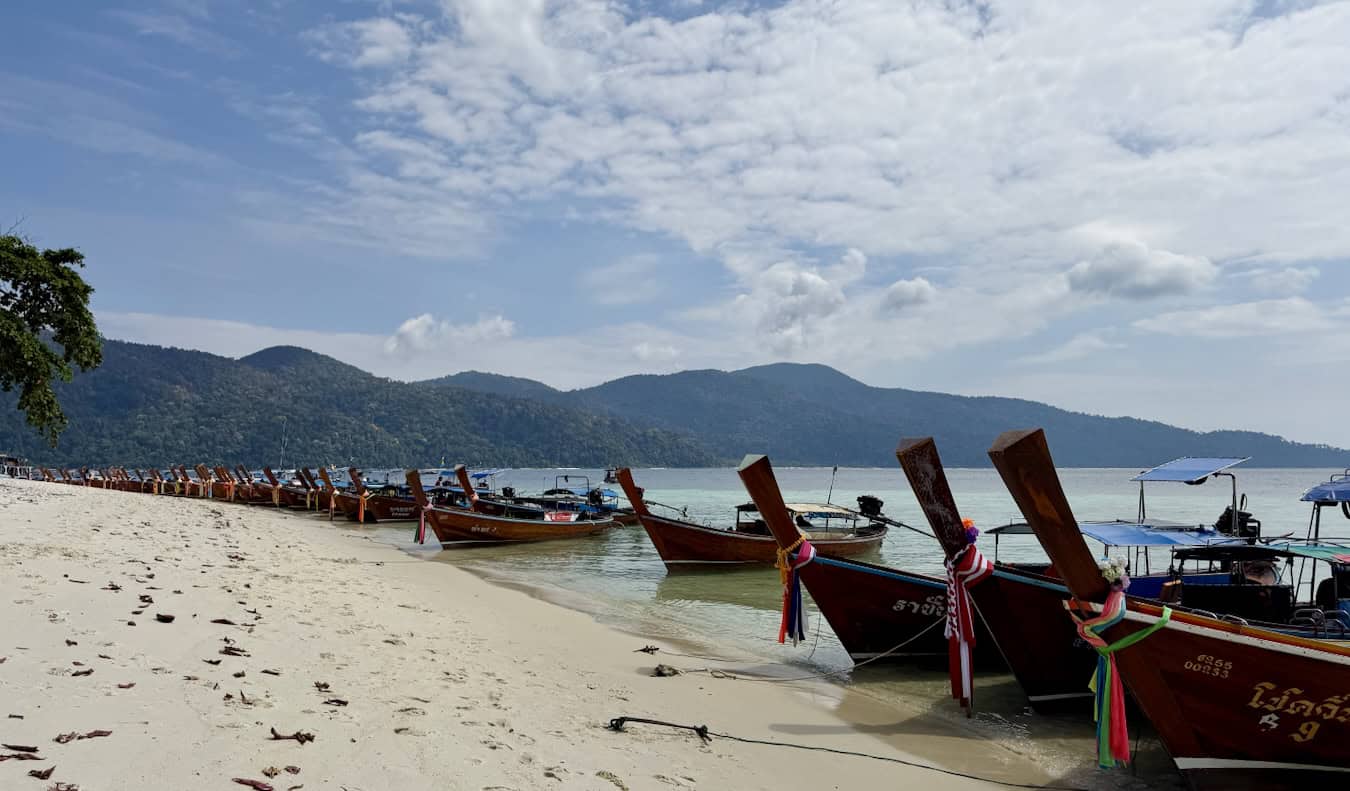
The transformation since then has been jarring. The island, once defined by its dirt footpaths and swaying palms, is now characterized by concrete infrastructure designed to accommodate a steady stream of traffic. The transformation of Ko Lipe mirrors the trajectory of other Thai destinations like Ko Phi Phi—a rapid, profit-driven evolution that prioritizes immediate capacity over long-term ecological and cultural preservation.
A Chronology of Decline
The shift did not happen overnight, but the acceleration of the last decade has been undeniable.
- The Era of Isolation (Pre-2010): The island remained relatively untouched, with limited accessibility and minimal infrastructure. Local fishermen and small-scale guesthouse owners were the primary custodians of the land.
- The Development Boom (2010–2020): As social media began to showcase the island’s turquoise waters, investment poured in from mainland developers. Dirt roads were paved to facilitate the movement of construction materials, and the first large-scale, high-end resorts began to appear.
- The Crisis of Sustainability (2020–Present): The current era is defined by extreme overdevelopment. The island now boasts swimming pools in luxury resorts, despite having no natural water supply, and an influx of non-local workers who are often excluded from the economic gains of the tourism surge.
Environmental and Social Costs
The environmental impact of this expansion is catastrophic. Ko Lipe, which sits within a protected national park, is struggling to cope with the sheer volume of waste and human activity. The coral reefs, once a vibrant ecosystem, are suffering from the dual threats of chemical pollution and physical damage from boat anchors.
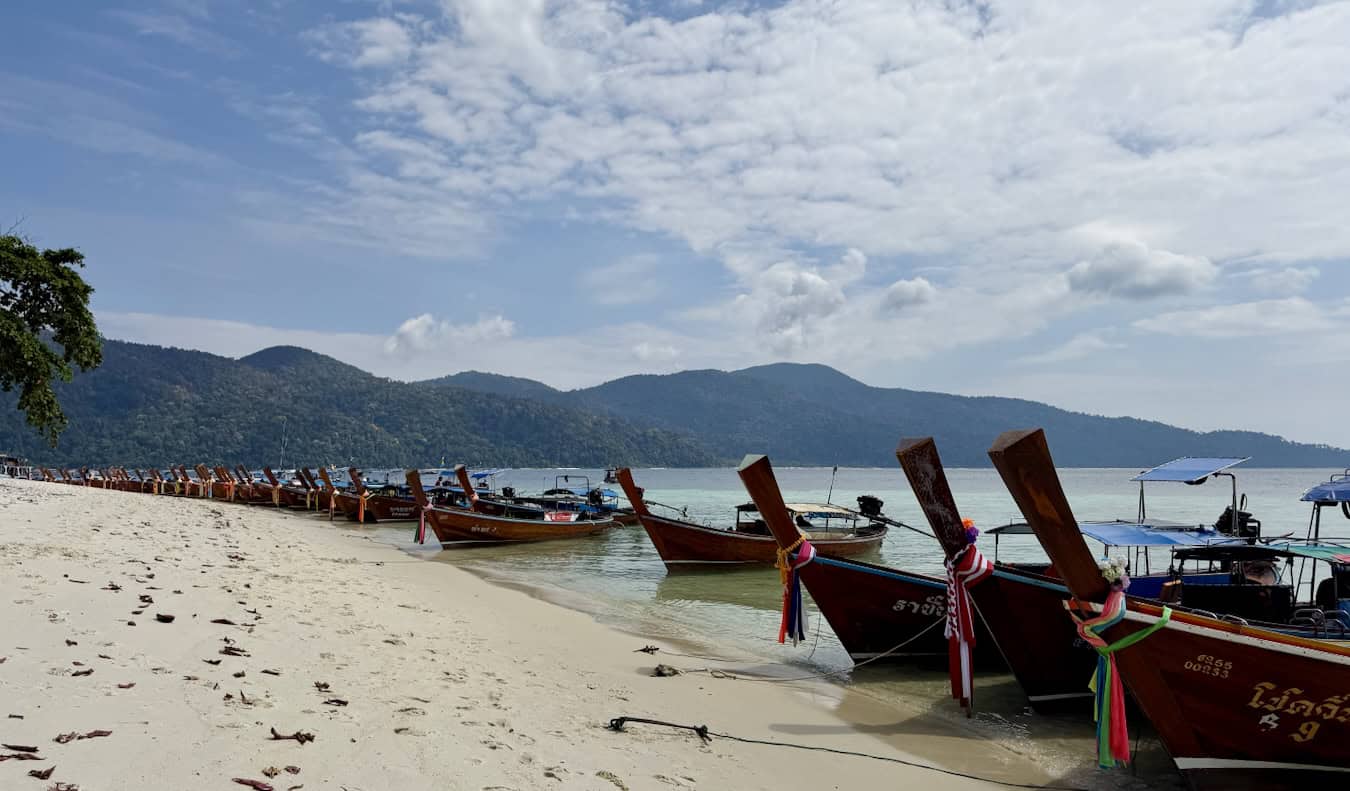
The water quality has also suffered. Swimmers now frequently report an iridescent film of boat exhaust trailing along the shoreline—a stark contrast to the crystalline waters of two decades ago. Furthermore, the island’s delicate hydrology is being taxed to its limit. With no natural freshwater source, the reliance on desalination and imported water to serve the growing density of swimming pools and high-end amenities creates an unsustainable burden on the island’s ecosystem.
Socially, the displacement of the original local population remains a significant, often overlooked, tragedy. As property values soared, many residents were forced to sell their ancestral land to developers. Today, a large portion of the island’s workforce consists of laborers imported from the mainland who live on the periphery of the tourism boom, rarely seeing the long-term wealth generated by the resorts that now occupy their former homes.
The Paradox of the "First-Time" Visitor
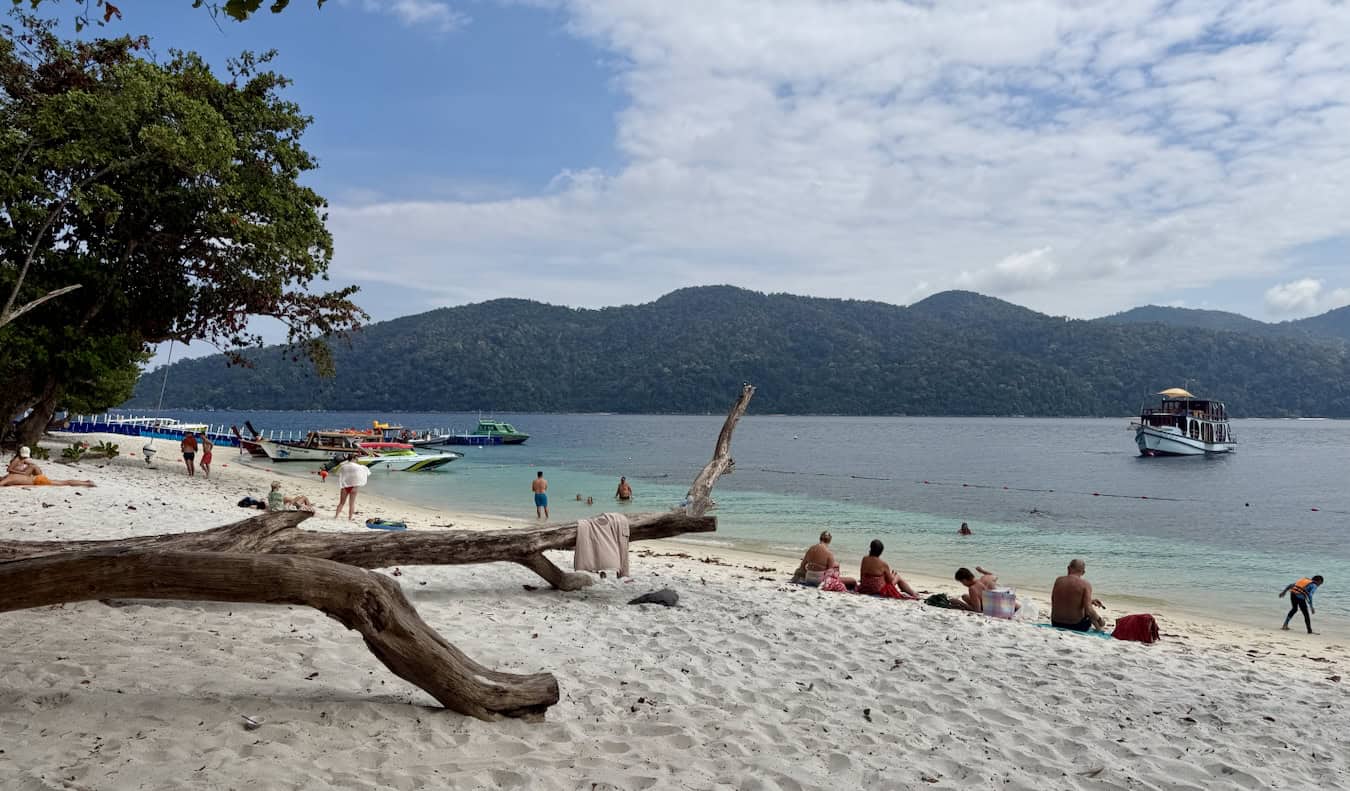
Despite the environmental degradation, Ko Lipe remains undeniably beautiful at a surface level. The sand remains white, the water retains its signature azure hue, and the nearby islands within the national park offer a glimpse of what the region once was.
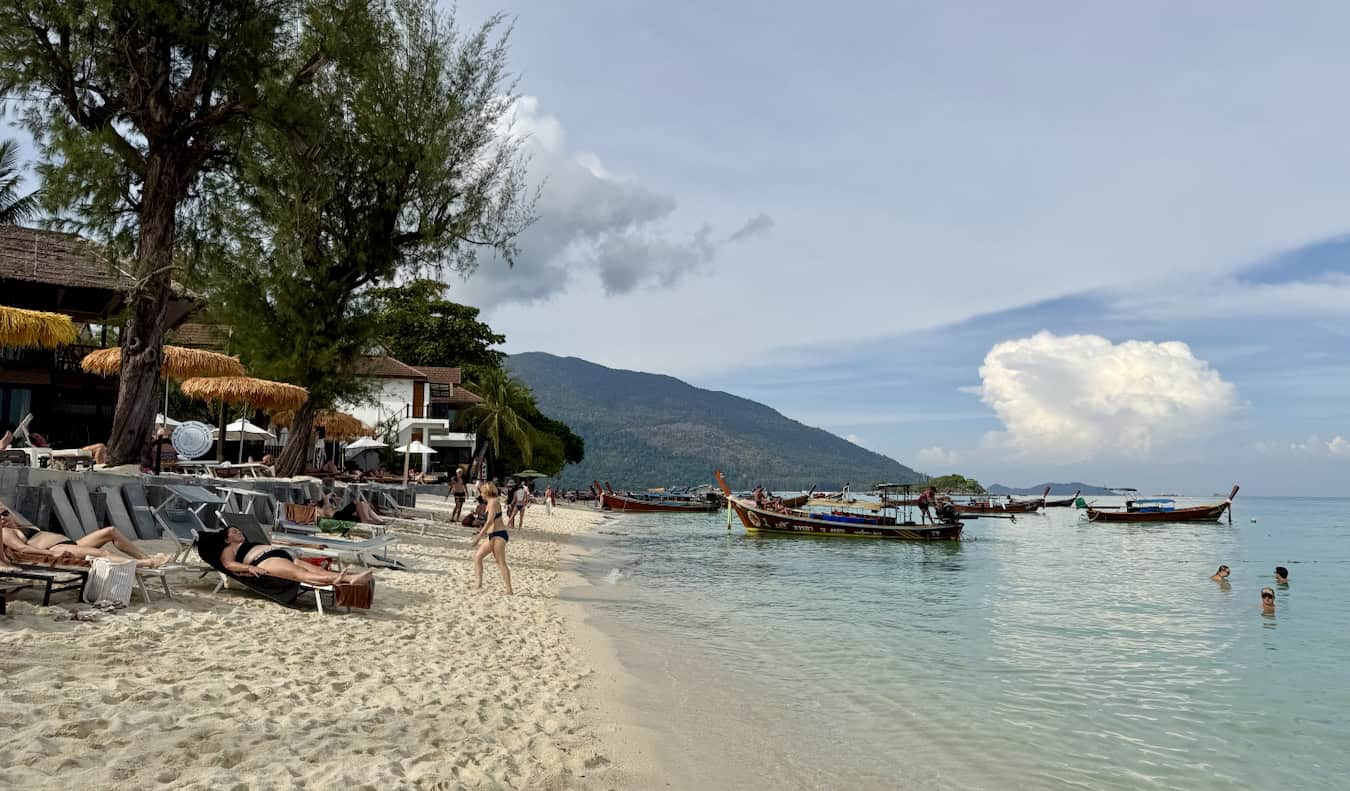
For a first-time visitor, the "wow" factor is still present. Compared to the hyper-commercialized hubs of Phuket or Krabi, Ko Lipe can still feel relatively quiet. However, this perspective is a dangerous trap. It obscures the reality of the island’s health and encourages a cycle of consumption that keeps the status quo in place. The "paradise" that tourists see is an artificial construct, a postcard facade that masks a crumbling ecological foundation.
The Ethics of Modern Travel
The implications of the Ko Lipe story are profound for the global travel community. If the goal of travel is to experience, learn, and appreciate, then visiting a destination that is being actively destroyed by its own popularity becomes an ethical dilemma.
We are no longer in an era where ignorance of one’s impact is an excuse. The decline of Ko Lipe is not an isolated incident; it is a symptom of a model of tourism that views destinations as commodities to be mined. When consumers demand cheap, accessible, and "Instagrammable" luxury, the industry responds with construction, regardless of the ecological cost.
What Can Travelers Do?
The most potent tool a traveler has is their decision-making power. If a destination is overdeveloped and unsustainable, the most responsible action is to withhold support.
- Vote with your feet: Redirect your travel funds toward destinations that are prioritizing sustainable growth and local stewardship. Nearby islands like Ko Lanta, Ko Jum, and Ko Mook offer similar beauty with a more balanced approach to tourism management.
- Demand transparency: Research the sustainability practices of your accommodation. Does the hotel have a water conservation strategy? Is it locally owned? Does it employ local residents rather than seasonal, transient labor?
- Advocate for systemic change: Tourism should not be a "build until it breaks" industry. By supporting organizations that lobby for protected status and stricter building codes, travelers can help ensure that other islands do not meet the same fate as Ko Lipe.
Conclusion: The Hard Choice
It is difficult to walk away from a place that once held such personal meaning. The author’s return to Ko Lipe was motivated by nostalgia and a desire to reconnect with a formative chapter of their life. Instead, they found a place they could no longer recognize—a victim of the very success that once made it a hidden gem.
The lesson of Ko Lipe is that sometimes, to love a place is to leave it alone. There is a point where a destination has reached its capacity, where the infrastructure is failing, and where the human presence is actively erasing the natural wonder that drew people there in the first place. For Ko Lipe, that point has been passed.
The "genie" of mass tourism cannot be put back into the bottle, but we can decide where to uncork it next. By choosing to visit destinations that are managed with integrity, we can preserve the magic of the world’s remaining natural spaces. Your travel choices do not just create memories; they dictate the future of the environments you visit. For the sake of the next nineteen years, it is time to look elsewhere.