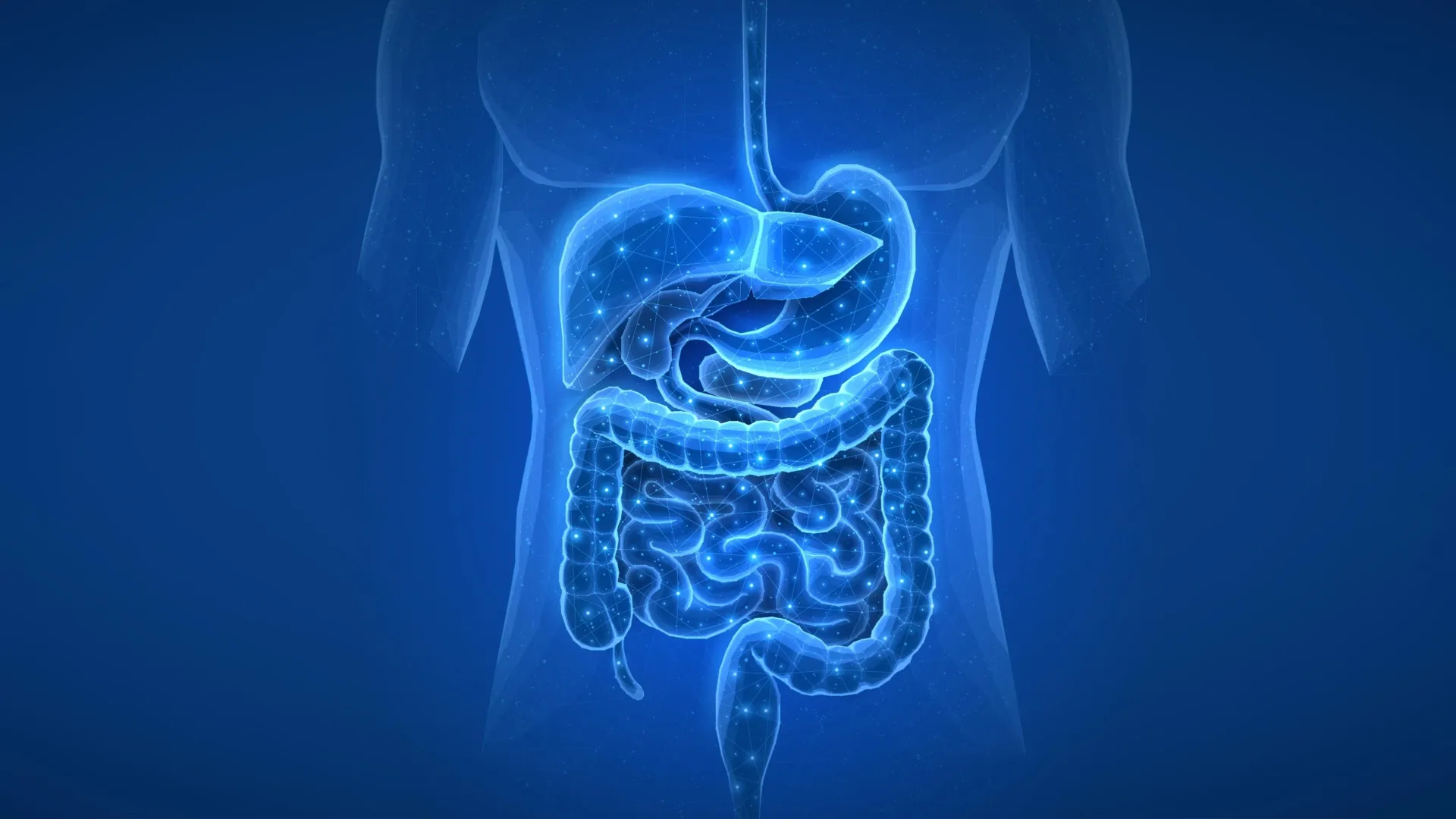
The human gut is often described as an internal ecosystem, a bustling metropolis of trillions of bacteria, viruses, fungi, and archaea. This complex community, collectively known as the gut microbiome, is fundamental to human physiology, regulating everything from nutrient absorption and metabolic health to the robust functioning of the immune system. For years, scientists have understood that our current lifestyle—diet, exercise, and immediate medication use—shapes this internal landscape.
However, a groundbreaking study led by researchers at the University of Tartu Institute of Genomics has unveiled a sobering truth: our gut microbiome is not just a reflection of who we are today, but a historical record of the medical treatments we have received in the past. According to the research, medications can leave a "microbial fingerprint" that persists in the human gut long after a patient has stopped taking them, potentially for years.
The Foundation: Rethinking Microbiome Variability
For decades, researchers studying the microbiome have struggled to account for the immense variation between individuals. Why does one person thrive on a specific diet while another experiences inflammation? Why do some people respond differently to the same medical treatment? While genetics and immediate environmental factors were the primary suspects, the University of Tartu study suggests a missing variable: prescription history.
By analyzing stool samples and longitudinal health records from over 2,500 participants in the Estonian Biobank, the research team identified that many of the most common medications in modern medicine are linked to long-term structural shifts in the gut microbial community. This discovery fundamentally challenges the current paradigm, which typically assumes that once a medication is discontinued, the body—and its internal bacteria—rapidly return to a "baseline" state.
Chronology of Discovery: From Current Use to Historical Legacy
The study was conducted in several distinct phases to ensure the robustness of the findings. The initial phase involved a cross-sectional analysis of the Estonian Microbiome cohort. By mapping the microbial profiles of participants against their digitized prescription records, the team was able to perform a wide-scale correlation analysis.
Phase 1: Identifying the Patterns
The researchers first examined the association between current medication use and microbial composition. As expected, they found significant disruptions linked to antibiotics, which are known for their "scorched-earth" impact on gut flora. However, the data revealed that the scope of disruption extended far beyond anti-infectives. Antidepressants, beta-blockers, proton pump inhibitors (PPIs), and benzodiazepines were all identified as primary drivers of specific microbial shifts.
Phase 2: Detecting the "Echo" Effect
The critical turning point in the study occurred when the researchers analyzed the data of participants who had ceased their medication regimens months or even years prior. They discovered that the microbial alterations did not fade away upon the cessation of the drug. Instead, a "pharmacological echo" remained. The specific microbial signatures associated with these drugs were detectable long after the metabolic processing of the medication itself had concluded.
Phase 3: Longitudinal Validation
To confirm that these shifts were indeed caused by the drugs and not by external confounding factors, the researchers analyzed follow-up stool samples from a smaller subgroup. By tracking these individuals over time as they began or stopped specific treatments, the team observed real-time, predictable shifts in the gut microbial community. This longitudinal data provided the "smoking gun" evidence that medications are active architects of the long-term gut landscape.
Supporting Data: Which Drugs Reshape the Gut?
The study’s findings are particularly significant because they highlight classes of drugs that are not traditionally considered "microbe-disruptive."
The Benzodiazepine Impact
One of the most startling revelations was the effect of benzodiazepines—a class of drugs widely prescribed for anxiety and insomnia. The researchers found that the impact of benzodiazepines on the gut microbiome was comparable in magnitude to that of broad-spectrum antibiotics. Given that benzodiazepines are often taken over long periods, this suggests that millions of people may be living with altered gut ecosystems specifically due to their mental health management.
Metabolic and Digestive Medications
- Proton Pump Inhibitors (PPIs): Used extensively for acid reflux, these drugs were found to consistently alter the pH balance of the stomach and upper GI tract, leading to a lasting colonization of bacteria that would not typically thrive in high-acid environments.
- Beta-Blockers: These drugs, used for hypertension and cardiovascular health, showed distinct microbial fingerprints. The study posits that the physiological changes induced by beta-blockers—such as changes in heart rate or blood flow—may indirectly modify the gut environment.
- SSRIs: Selective serotonin reuptake inhibitors, the gold standard for antidepressant treatment, were also shown to have a lingering impact, suggesting that the gut-brain axis is influenced by these medications through the microbial pathway.
The Problem of Generalization
A vital takeaway from the data is that drug classes are not monolithic. The researchers observed that two different medications within the same class—such as diazepam and alprazolam—could have vastly different effects on the microbial community. This suggests that the current "blanket" approach in medical literature, which often groups drugs by their mechanism of action, is insufficient. Future microbiome research must drill down to the level of individual compounds.
Official Perspectives and Expert Commentary
Dr. Oliver Aasmets, the lead author of the study, emphasized the shift in perspective required by this discovery. "Most microbiome studies only consider current medications," Aasmets noted. "But our results show that past drug use can be just as important, as it is a surprisingly strong factor in explaining individual microbiome differences."
Professor Elin Org, the study’s corresponding author, highlighted the clinical importance of the findings. "This is a comprehensive systematic evaluation of long-term medication effects on the microbiome using real-world medical health records," Org stated. "We hope this encourages researchers and clinicians to factor in medication history when interpreting microbiome data."
The research team advocates for a more holistic approach to medical records, where "microbial history" is treated as a vital sign similar to blood pressure or cholesterol levels.
Clinical and Scientific Implications
The implications of this research are far-reaching, touching on how we conduct medical research and how we approach personalized medicine.
1. Reframing Disease Research
For years, scientists have searched for links between specific gut bacteria and chronic diseases like obesity, diabetes, and even depression. If those bacterial patterns are actually the result of an antibiotic taken three years ago or a course of PPIs taken five years ago, the causal link between the microbe and the disease may be misinterpreted. Researchers must now "clean" their data by adjusting for the long-term history of the study participants.
2. Personalized Medicine
The study paves the way for a new branch of personalized medicine: "microbiome-informed prescribing." If we know that certain patients have a microbiome altered by past medications, we may be able to predict their response to new treatments more accurately. For instance, a patient whose microbiome is significantly altered by past antibiotic use may require different probiotic support or dietary interventions to regain stability.
3. The Future of Drug Development
Pharmaceutical companies may soon need to incorporate "microbiome impact studies" into the pre-clinical and clinical trial phases for new drugs. Understanding how a new medication alters the microbial landscape—not just for the duration of the trial, but in the years that follow—could become a key requirement for FDA and EMA approval.
Conclusion: A New Frontier in Human Biology
The University of Tartu study serves as a poignant reminder that the human body is a historical entity. We are the sum of our experiences, and our biological makeup is influenced by the chemicals we have ingested over a lifetime. The gut microbiome is not a static organ; it is a dynamic, memory-retaining ecosystem.
As we move forward, the integration of prescription history into our understanding of human health will be critical. By recognizing that medications leave lasting "fingerprints," we gain a clearer picture of human health—one that respects the complexity of the internal microbial world and the long-lasting impact of the medical decisions we make today. The next time a physician writes a prescription, it may be worth considering not just the immediate benefit, but the lasting imprint it leaves on the trillions of microorganisms that call the human body home.