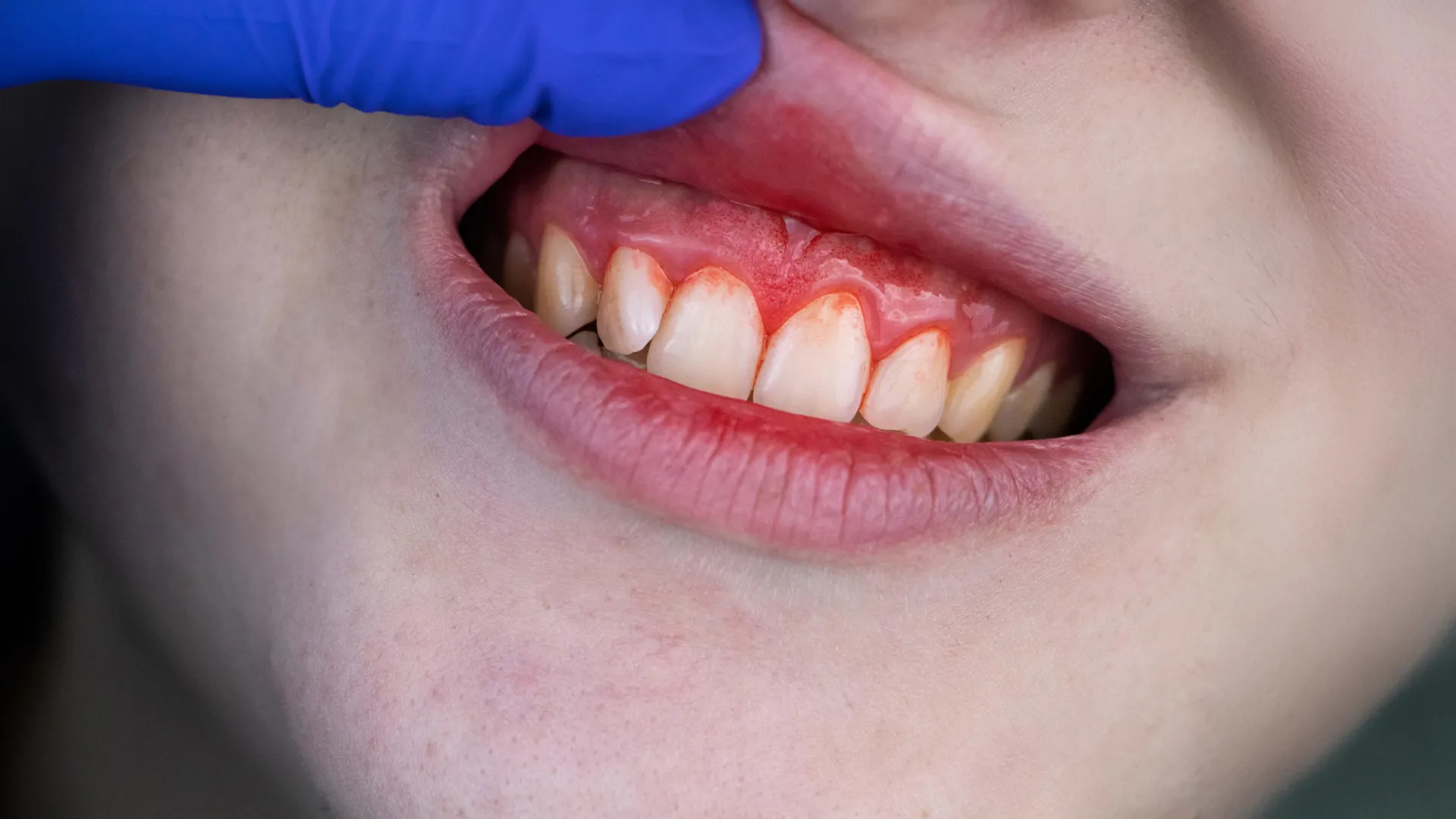
The connection between oral hygiene and systemic health has long been a subject of medical curiosity, but a groundbreaking study presented this month suggests the stakes may be higher than previously realized. Emerging research presented at the American Heart Association’s (AHA) Basic Cardiovascular Sciences Scientific Sessions 2026 in Boston reveals a compelling biological link between periodontal disease—a chronic inflammatory condition of the gums—and calcific aortic valve stenosis (CAVS), a potentially lethal heart condition.
For years, dentists have cautioned that "the mouth is the gateway to the body," warning that bacteria thriving in diseased gums can enter the bloodstream. Now, scientists are beginning to map the precise path these pathogens take toward the heart, specifically targeting the aortic valve.
The Silent Threat: Understanding Calcific Aortic Valve Stenosis
Calcific aortic valve stenosis (CAVS) is a progressive and serious cardiovascular disorder. As the aortic valve—the heart’s primary gateway for oxygenated blood to exit into the body—begins to thicken and accumulate calcium deposits, it loses its flexibility. Over time, this calcification narrows the valve opening, forcing the heart to work harder to pump blood.
In its early stages, CAVS is often asymptomatic, hiding in plain sight. However, as the obstruction worsens, the consequences become dire. Patients frequently report debilitating fatigue, chest pain (angina), shortness of breath, and fainting spells. If left untreated, the condition can culminate in heart failure or sudden cardiac death. Currently, the medical community lacks pharmacological interventions to halt or reverse the calcification process; for those with severe stenosis, the only viable solution is invasive valve replacement surgery.
Chronology of the Discovery: From Clinical Observation to Mechanistic Proof
The research presented in Boston represents a multi-year effort to identify why certain individuals develop severe valve calcification. The investigation, spearheaded by Chenyang Li, M.D., and his team at the State Key Laboratory of Cardiovascular Disease at Fuwai Hospital in Beijing, unfolded in three distinct phases.
Phase I: The Clinical Correlation
The researchers began by analyzing heart valve tissue samples taken from patients undergoing valve replacement surgery. They conducted a comparative analysis between the tissue of patients suffering from CAVS and a control group with other non-calcifying heart valve conditions. The results were striking: the calcified valves were found to be heavily colonized by Porphyromonas gingivalis (P. gingivalis), a notorious bacterium long associated with aggressive periodontal disease and the destruction of connective gum tissue.
"We were surprised by how much P. gingivalis was present in the calcified aortic valves," Dr. Li noted during his presentation. "Although it was not the most abundant bacterium overall, it showed one of the largest statistical differences between the disease group and the control group."
Phase II: The Mouse Model
Having established a clinical correlation, the team turned to laboratory mice to test for causality. By exposing the mice to both live and heat-inactivated P. gingivalis, the researchers aimed to observe if the bacteria would physically migrate to the aortic valve and trigger calcium buildup.
The results confirmed the team’s hypothesis. Mice exposed to live P. gingivalis developed significant valve calcification and displayed physiological symptoms of stenosis. Crucially, the team tested two interventions: administering preventive antibiotics and genetically removing the IL-1β (interleukin-1 beta) inflammatory pathway.
Phase III: Identifying the "Smoking Gun"
The final stage of the study identified the mechanism behind the damage. The bacteria appeared to activate IL-1β, an inflammatory protein produced by the immune system. When the researchers genetically deleted the IL-1β gene in the mice, the calcification process was significantly halted, even in the presence of the bacteria. This suggests that the valve damage is not merely caused by the bacteria themselves, but by the body’s overzealous inflammatory response to their presence.
Supporting Data: Why Porphyromonas gingivalis Matters
P. gingivalis has been a primary focus of periodontal research for decades, but its role in cardiovascular health has only recently come to the fore. Unlike transient bacteria that enter the bloodstream during daily flossing, P. gingivalis possesses unique virulence factors that allow it to evade the immune system and thrive in various niches within the human body.
Previous studies have already established that this pathogen contributes to systemic inflammation, which is a known driver of atherosclerosis (plaque buildup in the arteries). By proving that these bacteria can physically colonize the heart valve and trigger a specific, calcium-promoting inflammatory cascade, this new research elevates P. gingivalis from a local dental nuisance to a systemic cardiovascular risk factor.
Furthermore, the effectiveness of antibiotics in the mouse model suggests that managing bacterial load could theoretically influence the trajectory of heart disease. While clinical trials in humans are the next necessary step, the data provides a strong foundation for the theory that periodontal health is a vital, modifiable risk factor for heart disease.
Official Responses and Clinical Implications
The medical community has reacted with cautious optimism to these findings. Dr. Eduardo Sanchez, chief medical officer for prevention at the American Heart Association, emphasized the need for a more integrated approach to healthcare.
"This study adds to the growing evidence that oral health and heart health are closely connected," Dr. Sanchez stated. "For many people, regular visits to the dentist are their only connection to the healthcare system. That makes dental professionals important partners in spotting health conditions, including periodontal disease, early—which can lead to quicker healthcare referrals and results, better health, and lives saved."
The AHA’s "Healthy Smiles, Healthy Hearts" initiative is already working to bridge this gap. By providing dental professionals with training on how to perform blood pressure screenings and how to recognize signs of systemic illness, the organization hopes to foster a collaborative environment where oral health is treated as an extension of primary care.
Implications for Public Health and Future Research
The implications of this research are far-reaching. If the link between P. gingivalis and CAVS is confirmed in human clinical trials, it could fundamentally change the standard of care for patients at risk of heart valve disorders.
- Preventive Dentistry as Preventative Cardiology: Regular dental cleanings and the aggressive treatment of gum disease could become a standard recommendation in cardiology clinics, potentially delaying or preventing the need for heart valve surgery.
- New Drug Targets: The study’s success in stopping calcification by targeting the IL-1β pathway in mice opens the door for novel pharmacological treatments. If a medication can safely modulate this inflammatory response in humans, it could provide the first-ever medical treatment to slow the progression of CAVS.
- Screening Protocols: The research suggests that patients with chronic, severe periodontal disease may need closer monitoring of their heart health, including periodic echocardiograms to detect early signs of valve thickening.
A Note of Scientific Caution
Despite the excitement, the research team is careful to emphasize that these findings are preliminary. Because the study was presented as a scientific meeting abstract, it has not yet undergone the rigorous peer-review process required for publication in a major medical journal. Furthermore, while the mouse models were definitive, human physiology is significantly more complex.
The team has already launched a clinical study in humans to validate these findings. Until that data is analyzed, the researchers urge the public not to panic, but rather to prioritize routine care.
"The key message is simple: take good care of your oral health," says Dr. Li. "Good oral hygiene and treatment of periodontal disease are important for overall health and may also have benefits for cardiovascular health. While it is still too early to recommend specific treatments for preventing CAVS, our findings suggest that periodontal health could be an important piece of the puzzle."
As science continues to peel back the layers of the human body’s internal connections, one thing becomes clear: the path to a healthier heart may well begin with the simple, daily act of brushing and flossing. For millions of people, the dentist’s chair may soon become one of the most effective places to guard against the threat of heart disease.