For as long as humanity has ventured onto the high seas, the struggle against the elements has defined the limits of exploration. The corrosive nature of saltwater, the unrelenting humidity, and the destructive appetites of wood-boring marine organisms have always been the silent adversaries of the mariner. While historians have meticulously cataloged the architectural evolution of ancient vessels—the interlocking of timbers, the geometry of the hull, and the rigging of sails—the "invisible" components of shipbuilding have remained largely shrouded in mystery. Until the mid-20th century, the organic materials used to waterproof these ancient ships were frequently overlooked, dismissed as mundane byproducts of construction rather than sophisticated technological artifacts.
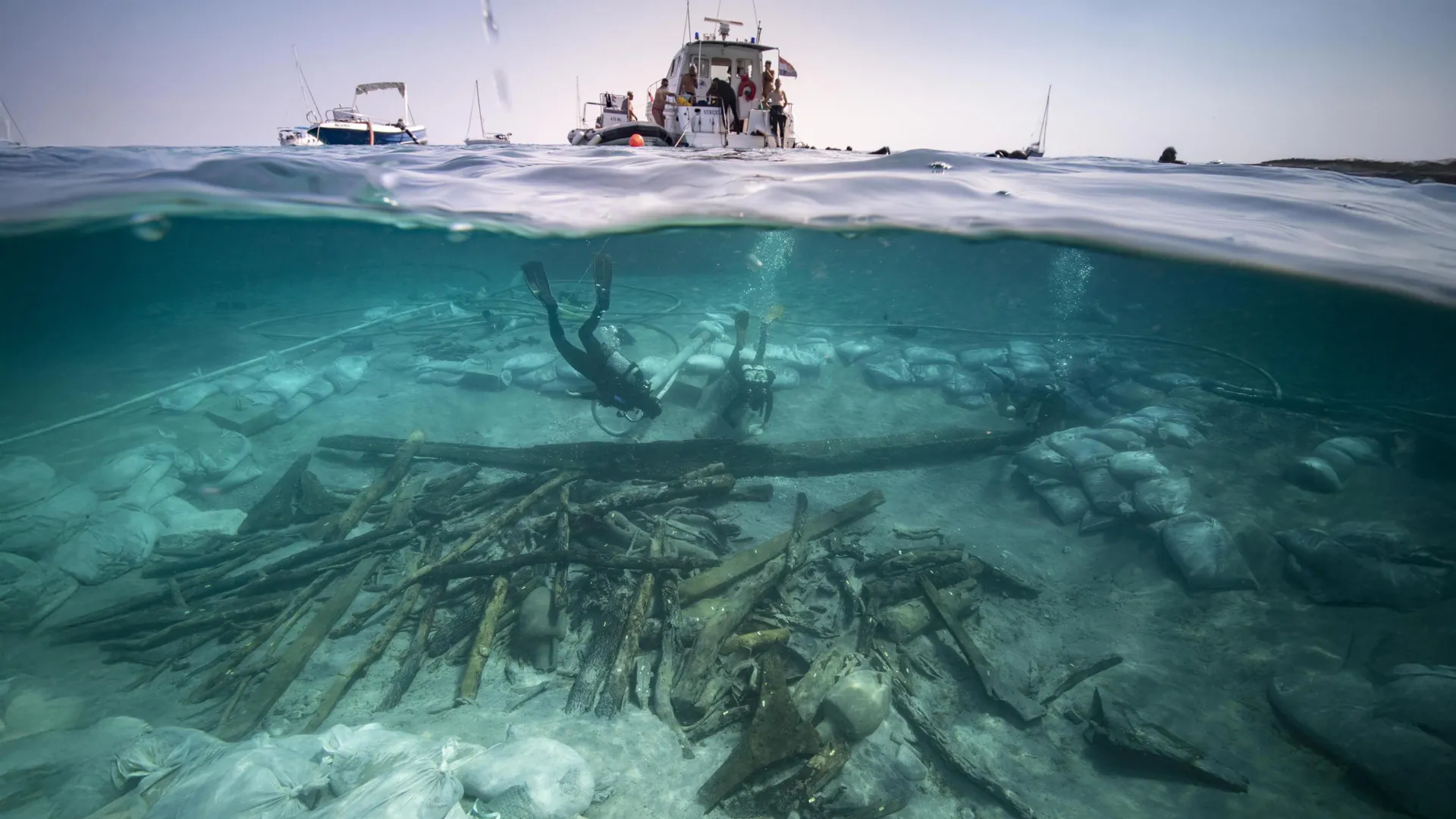
A groundbreaking study published in the journal Frontiers in Materials has finally begun to bridge this knowledge gap. By analyzing the protective hull coatings of the Ilovik-Paržine 1, a Roman Republic shipwreck that succumbed to the waves approximately 2,200 years ago off the coast of modern-day Croatia, an international team of researchers has uncovered a complex, multi-layered history of ancient maritime maintenance and environmental interaction.
The Chronology of a Roman Relic
The Ilovik-Paržine 1 wreck was first brought to the attention of the modern world in 2016. Since its discovery, the vessel and its cargo have been the subject of intensive archaeological scrutiny, serving as a time capsule from the era of the Roman Republic. The ship, a merchant vessel of significant scale, provides a window into the trade networks that once spanned the Adriatic Sea.
The timeline of the ship’s service life is now coming into sharper focus. Through sophisticated molecular analysis and palynology (the study of pollen), researchers have reconstructed a biography of the ship that spans years of operation. The evidence suggests the ship did not merely sail from point A to point B; it was a living, breathing entity that underwent constant maintenance. The hull displays at least four to five distinct layers of protective coating, applied at different stages of the ship’s lifecycle. This layered application provides a chronological record of the vessel’s journey, revealing where it was serviced and how its maintenance reflected the diverse ecological zones of the Adriatic.
The Science of Seaworthiness: Pine Tar and Beeswax
At the heart of the research led by Dr. Armelle Charrié, an archaeometrist at the Laboratory of Mass Spectrometry of Interactions and Systems in Strasbourg, is the composition of the waterproofing agents. To survive the rigors of the Mediterranean, ancient shipwrights developed a "know-how" that utilized the natural resources of the surrounding forests.
The Chemistry of Protection
The team subjected 10 distinct samples of the ship’s coating to rigorous structural and molecular testing. Utilizing mass spectrometry—a method capable of identifying the precise chemical "fingerprints" of complex organic mixtures—the researchers confirmed that the primary ingredient across all samples was heated coniferous resin, commonly known as pine tar or pitch.
However, the analysis revealed a more nuanced approach to marine engineering. One specific sample contained a sophisticated mixture of beeswax and pine tar. This combination, known to the ancient Greeks as zopissa, was a significant technological advancement. By blending the resin with wax, shipbuilders increased the adhesive’s flexibility and thermal workability, making it far easier to apply to the hull in a heated state. This "zopissa" provided a superior seal, acting as a flexible barrier that could withstand the subtle flexing of the ship’s wooden timbers under the pressure of ocean swells.
Botanical Archives: Pollen as a Historical Marker
Perhaps the most innovative aspect of the study is the use of pollen trapped within the sticky pitch. Because pine tar is highly adhesive, it acted as a natural "flypaper" for the airborne vegetation of the era. As the ship was coated—likely in a shipyard or on a beach—the pitch captured the pollen grains floating in the surrounding air.
Mapping the Mediterranean Flora
By identifying these microscopic time capsules, the researchers were able to pinpoint the environments in which the ship was repaired. The pollen spectrum recovered from the hull samples is remarkably diverse:
- Mediterranean Scrubland: The presence of holly oak, olive, and hazel pollen suggests that some of the repair work occurred in regions characterized by Mediterranean matorral or shrubland.
- Riparian and Coastal Zones: Alder and ash pollen indicate that parts of the maintenance were conducted near riverbanks or in coastal areas where these trees are prevalent.
- Mountainous Hinterlands: The discovery of fir and beech pollen was particularly telling. These species are characteristic of the higher altitudes of the north-eastern Adriatic, specifically the mountainous ranges of Istria and Dalmatia. This indicates that the ship likely underwent repairs in ports close to these mountainous regions.
This botanical data, combined with earlier studies of the ship’s ballast—which pointed to the port of Brundisium (modern-day Brindisi, Italy) as the site of the ship’s initial construction—paints a vivid picture of a vessel that moved through, and was serviced by, multiple cultural and ecological zones across the Adriatic basin.
Official Perspectives and Collaborative Efforts
The research was the result of a high-level collaboration between the Department for Underwater Archaeology of the Croatian Conservation Institute and the ‘ADRIBOATS’ program of the Centre Camille Jullian at Aix-Marseille University. This partnership represents a growing trend in archaeology: the integration of advanced laboratory sciences with field-based underwater exploration.
"In archaeology, little attention is paid to organic waterproofing materials," Dr. Charrié noted during the release of the findings. "Yet they are essential for navigation at sea or on rivers and are true witnesses of past naval technologies."
Dr. Charrié emphasized that the ship is not just a collection of wood and cargo; it is a monument to a specific regional style of shipbuilding. "Some regions throughout the Adriatic have particular characteristics that led local populations to develop a specific shipbuilding style," she explained. "Only studies like ours offer an overview of these traditions which bear witness to genuine know-how and diverse traditions."
The collaboration underscores the necessity of interdisciplinary work. While archaeologists provide the context and the artifact, archaeometrists provide the "molecular history" that turns a shipwreck into a narrative of human ingenuity.
The Broader Implications for Maritime History
The implications of this study extend far beyond the identification of ship-coating materials. It validates the use of molecular and palynological analysis as a standard, essential tool for maritime archaeology.
Proving the "Repair Cycle"
One of the most difficult challenges in archaeology is demonstrating the history of a ship’s movement after it leaves its port of origin. While historical texts often mention the necessity of regular hull maintenance, material evidence has been elusive. The Ilovik-Paržine 1 study provides the "smoking gun" for this phenomenon. The variation in pollen profiles, despite the consistency of the molecular pitch composition, proves that the ship was being serviced in different geographic locations as it traveled.
Understanding Ancient Trade Networks
This discovery reinforces the idea that the Roman Republic’s maritime infrastructure was highly developed. The ability of a merchant vessel to access consistent, high-quality waterproofing materials at various ports along the Adriatic suggests a standardized level of maritime service and supply chains that were robust enough to support long-distance trade.
Future Avenues of Research
The methodologies developed by the Charrié team open the door for re-examining other shipwrecks currently sitting in museum collections or at the bottom of the sea. Many artifacts that were previously thought to be "cleaned" or "exhausted" of their data potential may actually contain layers of molecular and botanical information waiting to be decoded. By viewing the ship as a vessel that collected evidence of its environment throughout its life, archaeologists can now treat shipwrecks as mobile sensors of the ancient world.
In conclusion, the study of the Ilovik-Paržine 1 serves as a reminder that the greatest discoveries often lie in the overlooked materials—the tar, the wax, and the microscopic grains of pollen. As we continue to refine our ability to read these organic archives, our understanding of the ancient world will shift from a static view of structures to a dynamic understanding of the people, trades, and environments that defined the Roman maritime experience. The ship, though sunken for over two millennia, has finally spoken, revealing a history of meticulous maintenance and extensive travel that was previously lost to the depths.