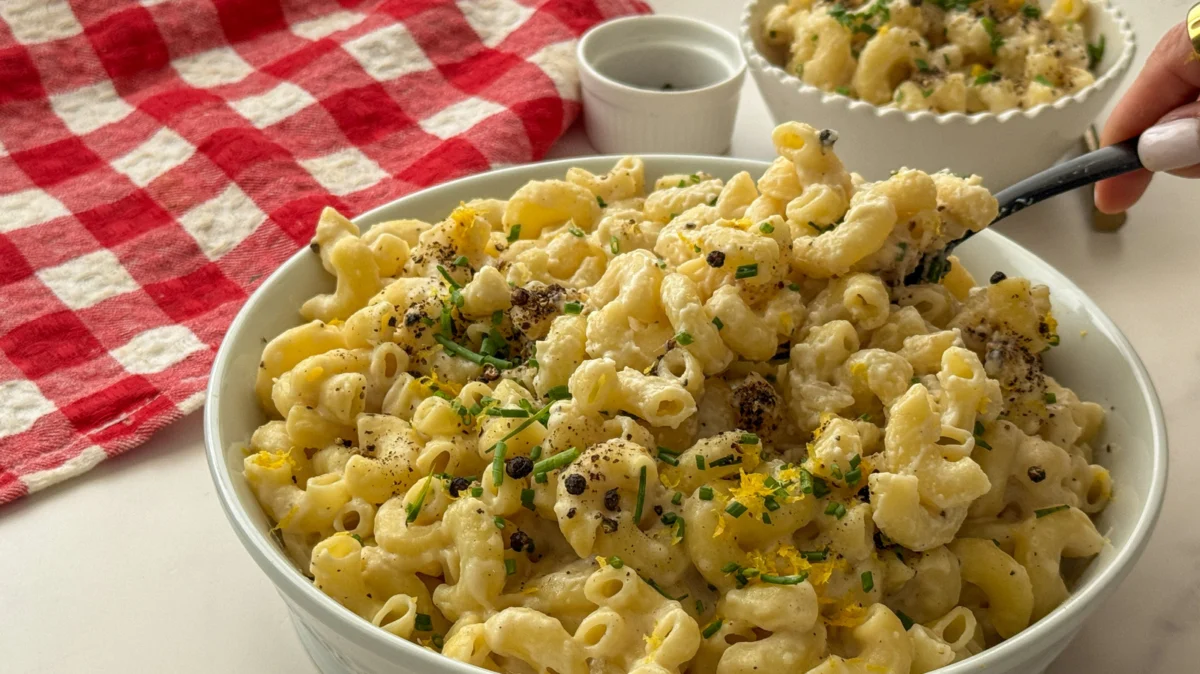
In the landscape of culinary history, few dishes command as much reverence for their simplicity as cacio e pepe. A quintessential Roman classic, this centuries-old staple relies on the alchemy of only three primary components: pasta, sheep’s milk cheese (cacio), and black peppercorns (pepe). It is a testament to the idea that greatness does not require a sprawling ingredient list, but rather, a mastery of technique and high-quality components.
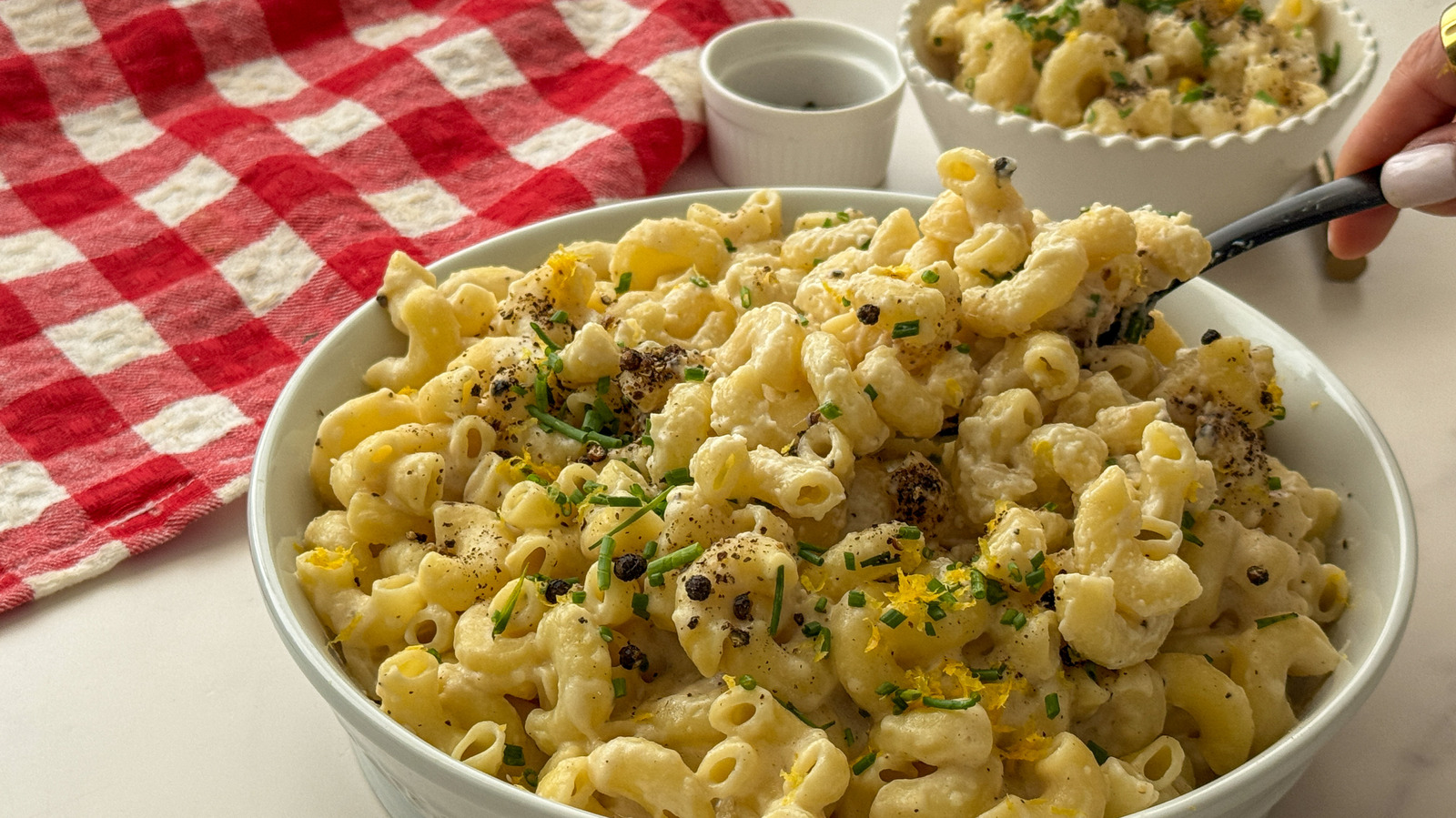
However, the culinary world is defined by evolution. Today, home cooks and chefs alike are looking for ways to bridge the gap between tradition and comfort. The latest innovation to emerge from this pursuit is a sophisticated, flavor-forward "Cacio e Pepe-inspired Mac and Cheese." This dish is not merely a fusion; it is a thoughtful reimagining of two iconic pasta experiences, marrying the sharp, biting aromatics of Roman pepper-pasta with the luxurious, velvety embrace of a classic American béchamel-based mac and cheese.
The Genesis of the Concept: Why This Fusion Works
The allure of cacio e pepe lies in its "bare-bones" nature. It is clean, pungent, and deeply savory. Conversely, mac and cheese is prized for its capacity to offer comfort through indulgence. By integrating the core tenets of the Roman dish—the toasted, freshly cracked pepper and the saline punch of Pecorino Romano—into a creamy, flour-thickened sauce, we create a dish that possesses the "umami" depth of a high-end bistro offering while maintaining the nostalgic satisfaction of a family favorite.
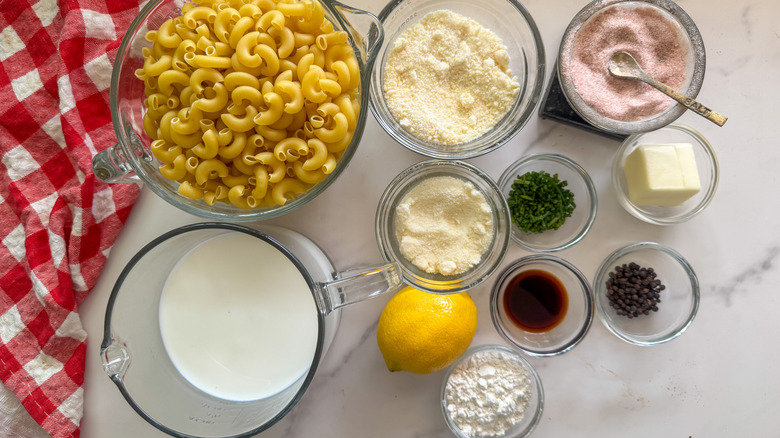
The inclusion of a secret ingredient—a dash of soy sauce—acts as an unexpected bridge. While not traditional to Roman cuisine, the soy sauce provides an additional layer of depth that enhances the saltiness of the cheeses, ensuring the flavor profile remains complex rather than one-dimensional.
Chronology of Preparation: A Masterclass in Technique
To achieve the perfect balance of texture and heat, the preparation of this dish follows a deliberate, methodical process. It is a sequence that rewards patience and precise heat management.
Phase 1: The Peppercorn Transformation
The heart of this recipe is the black pepper. Many home cooks make the mistake of using pre-ground pepper, which lacks the essential oils found in whole peppercorns.
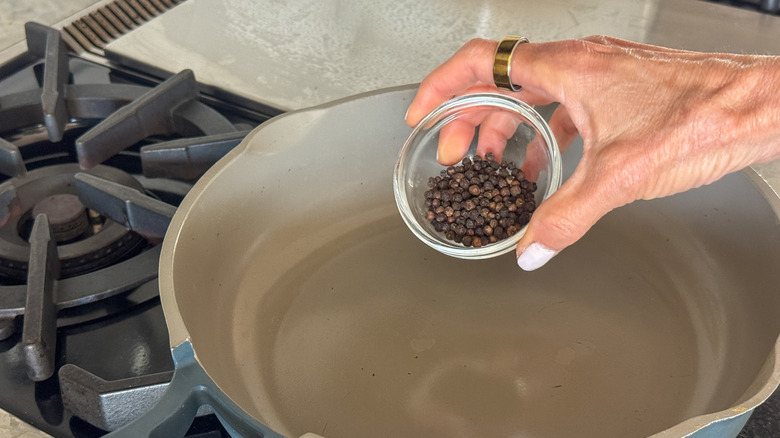
- Toast: Place whole black peppercorns in a dry skillet over medium heat. Toasting for three to four minutes—until they begin to pop and release a floral, citrusy aroma—is non-negotiable. This process caramelizes the outer layer, resulting in a nutty, depth-driven flavor that raw pepper simply cannot provide.
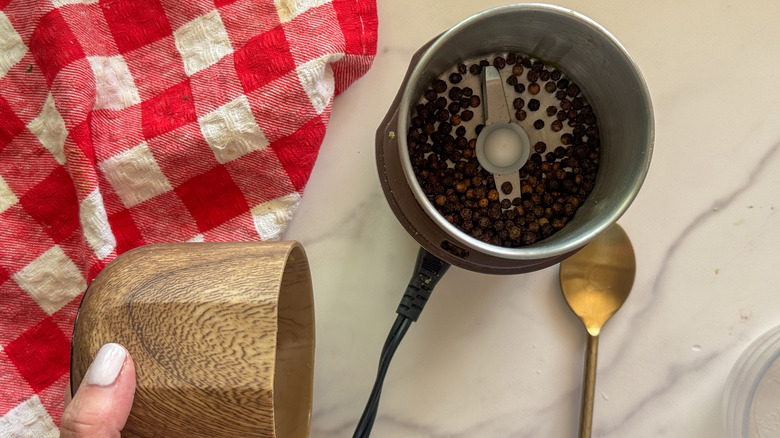
- Grind: Once cooled, the peppercorns must be crushed, not pulverized. A mortar and pestle is the preferred tool here, as it offers the cook total control over the consistency. The goal is to achieve coarse, uneven chunks that provide bursts of flavor, rather than a fine, uniform dust.
Phase 2: The Base and Béchamel
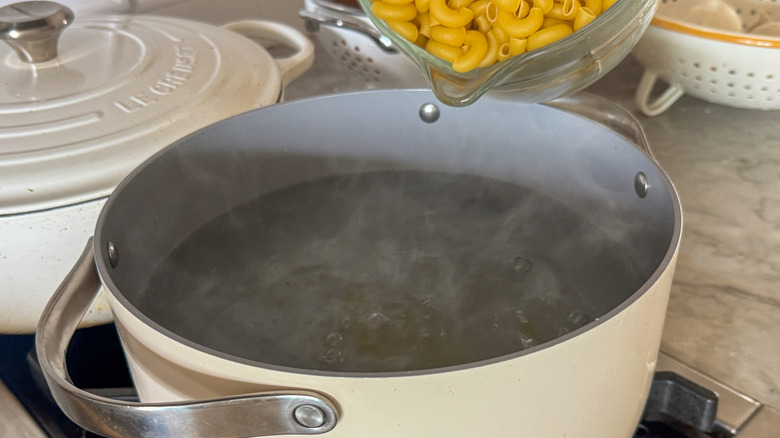
While the pasta—typically elbow macaroni or a similar short, ridged variety—boils to an al dente state in heavily salted water, the sauce is built from scratch.
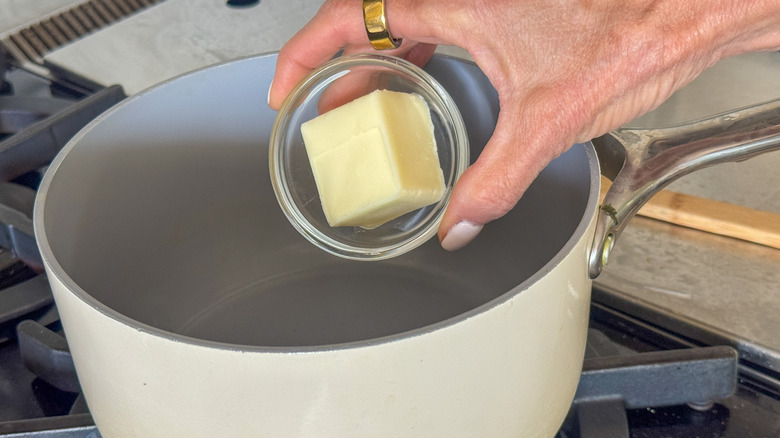
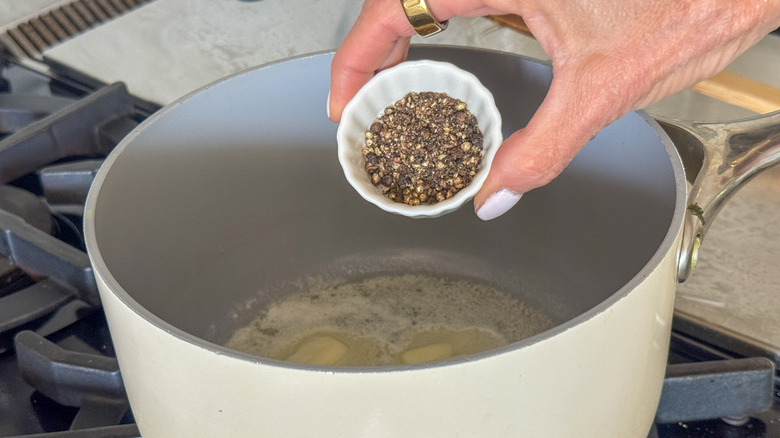
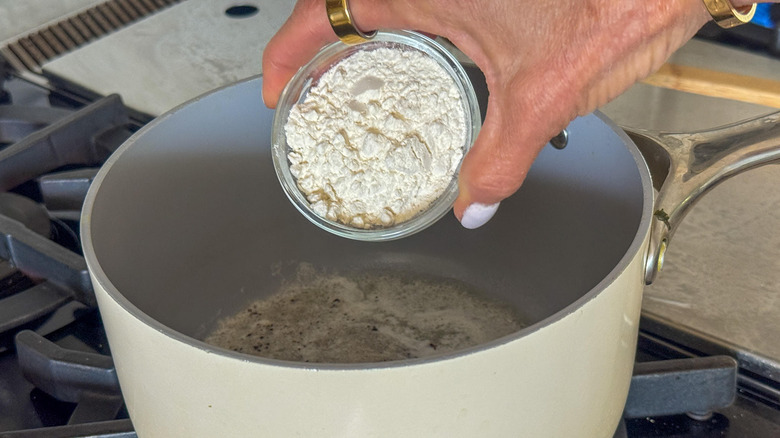
- The Roux: In a separate saucepan, butter is melted, and the toasted cracked pepper is bloomed in the fat for 30 seconds. Flour is then whisked in to create a roux, which serves as the structural foundation for the sauce.
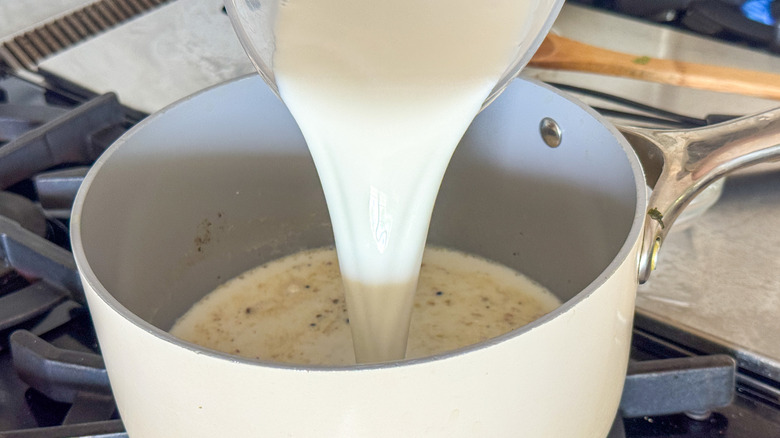
- The Emulsion: Whole milk is gradually introduced to the roux, along with a splash of soy sauce. This must be whisked frequently over a five-to-eight-minute simmer until the sauce reaches a nappé consistency—thick enough to coat the back of a spoon.
Phase 3: The Cheese Integration
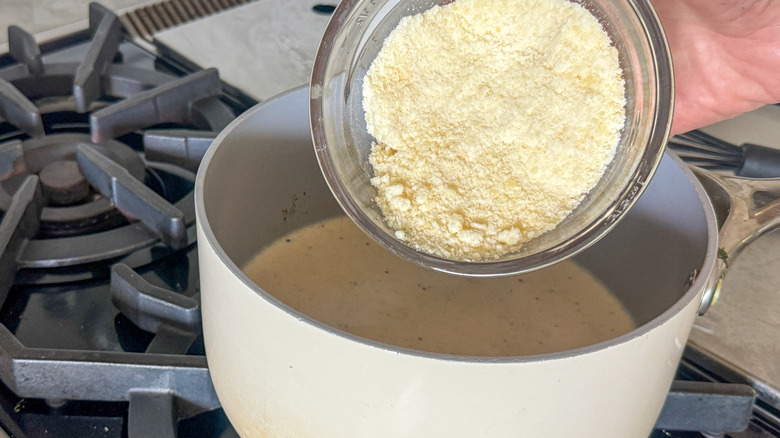
This is the most critical stage. The heat must be reduced to low. If the temperature is too high, the fats in the cheese will separate, resulting in a greasy, grainy texture rather than a silky, emulsified sauce. Adding the Pecorino Romano and Parmesan slowly, while stirring constantly, ensures the proteins incorporate smoothly. The resulting sauce should be a testament to culinary balance: sharp, creamy, and intensely aromatic.
Phase 4: The Final Assembly
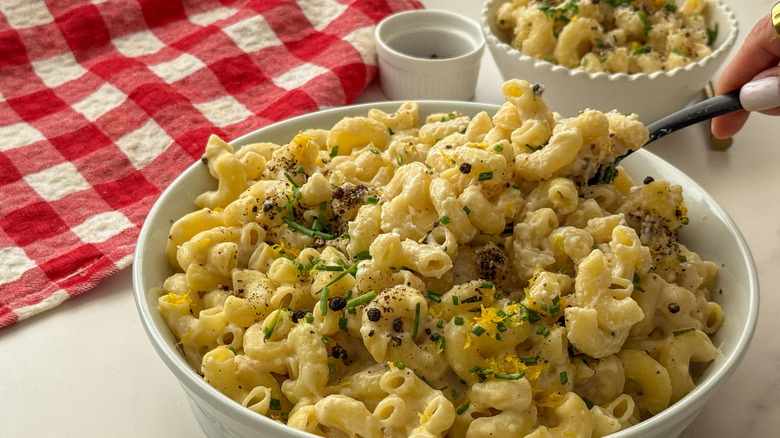
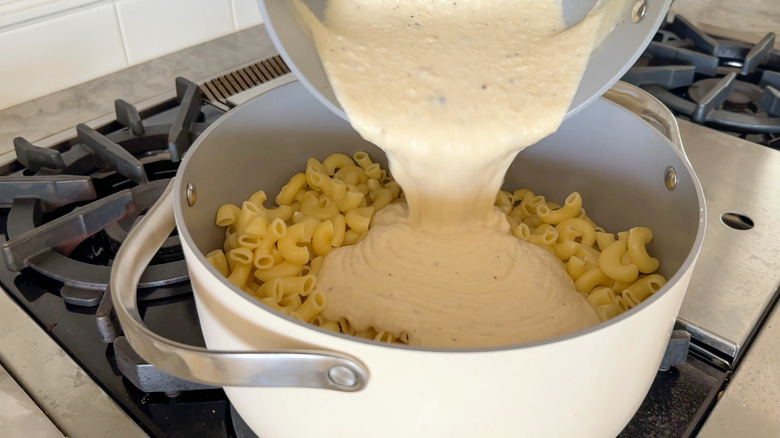
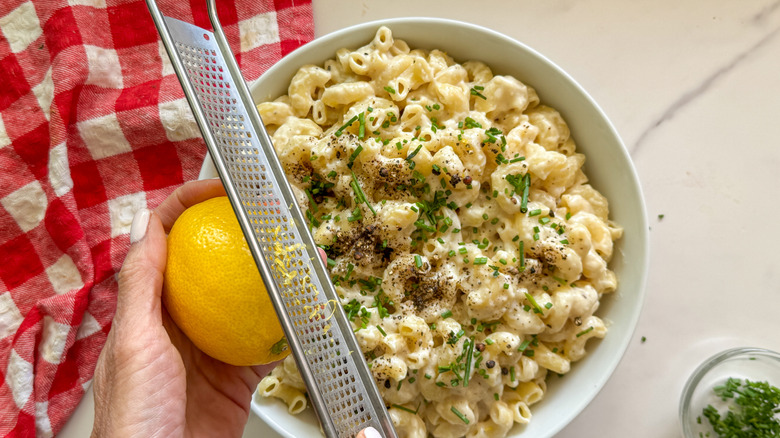
The cooked pasta is folded into the sauce. If the mixture appears too thick, a small amount of the reserved pasta water—which is rich in starch—is added to adjust the consistency to the desired level of creaminess. The dish is finally elevated with a bright garnish of fresh chives and lemon zest, which cuts through the richness and prevents the meal from feeling too heavy.
Supporting Data: Nutritional Profile
While this dish is undeniably an indulgence, it provides a substantial caloric and protein profile, making it a robust main course rather than a side dish.
| Nutrient | Amount per Serving |
|---|---|
| Calories | 588 |
| Total Fat | 22.3 g |
| Saturated Fat | 13.2 g |
| Total Carbohydrates | 66.9 g |
| Dietary Fiber | 2.9 g |
| Protein | 28.7 g |
Note: The nutritional information provided is an estimate based on standard ingredient values and does not constitute professional dietary advice.
Troubleshooting the Sauce: Professional Tips
One of the most common complaints regarding homemade cheese sauces is a grainy or "broken" texture. This is almost always a symptom of thermal mismanagement.
Managing Graininess:
- Temperature Control: If your stovetop runs hot, remove the sauce from the heat source entirely before introducing the cheese. The residual heat is often sufficient to melt the cheese without curdling it.
- The "Slow and Low" Rule: Never add all the cheese at once. Incorporating the cheese in small batches allows for a gradual emulsification.
- Fixing a Runny Sauce: If the sauce fails to thicken, do not panic. The simplest solution is to continue the simmer. If time is a factor, a cornstarch slurry—one tablespoon of cornstarch mixed with one tablespoon of room-temperature liquid—added to the sauce will force a rapid thickening.
Implications for the Home Cook
This Cacio e Pepe-inspired mac and cheese represents a shift in how we view "comfort food." By applying the elevated techniques of traditional Italian cooking—toasting spices, using high-quality aged cheeses like Pecorino Romano or even Manchego as a substitute, and focusing on starch-water emulsification—the home cook can produce a meal that transcends the limitations of boxed mixes or standard flour-and-milk sauces.
It encourages a philosophy of "active cooking." It asks the chef to pay attention to the sound of the peppercorns in the pan, the viscosity of the sauce as it thickens, and the visual cues of the cheese melting into the base. These are not merely steps in a recipe; they are the fundamental skills that distinguish an amateur from a confident kitchen practitioner.
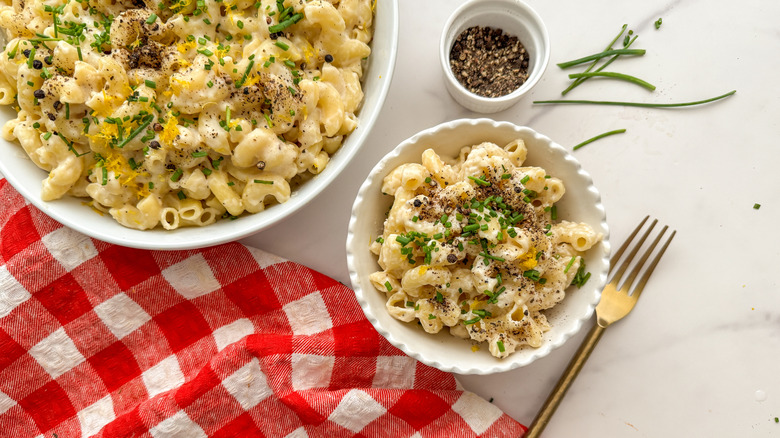
Conclusion
The marriage of cacio e pepe and mac and cheese is more than a trendy fusion; it is a successful experiment in flavor layering. By respecting the traditions of Rome while embracing the creamy comfort of the American kitchen, this recipe offers a refined, satisfying, and deeply flavorful alternative to the status quo. Whether served as a standalone dinner or a sophisticated side at a gathering, it proves that with the right technique and a handful of quality ingredients, the simplest meals are often the most memorable.

For those looking to expand their culinary repertoire, this dish serves as a perfect entry point into the world of sauce-making—a lesson in how to balance salt, fat, acid, and heat into one perfect, pepper-flecked bowl.