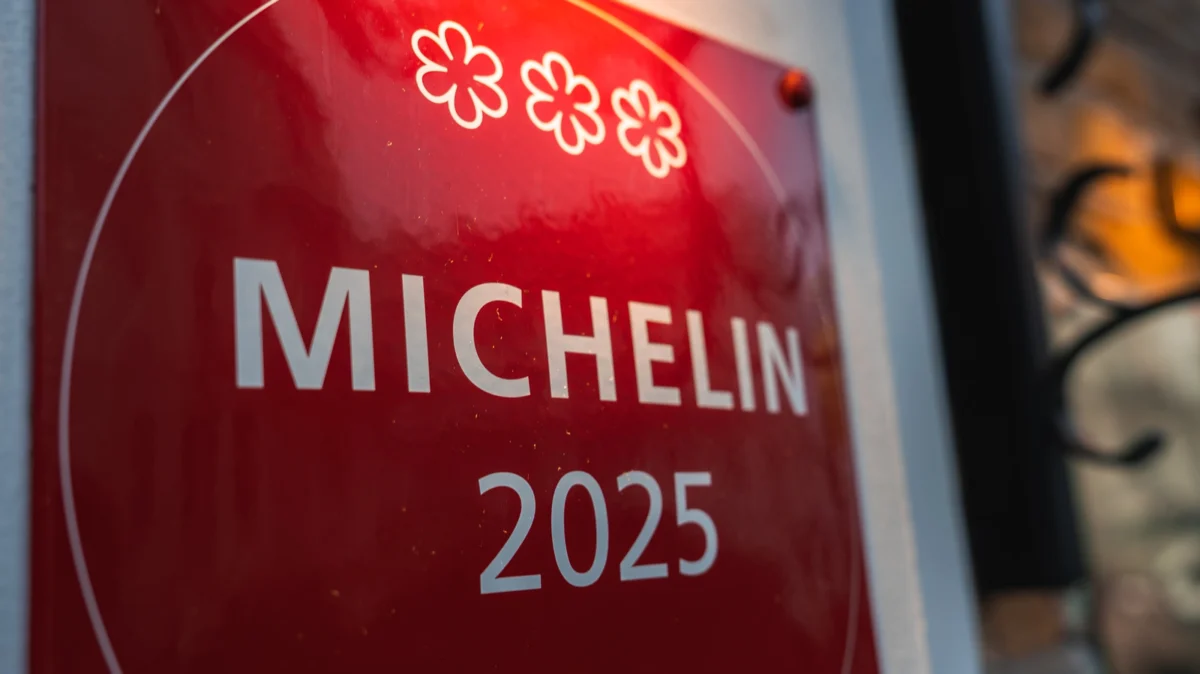
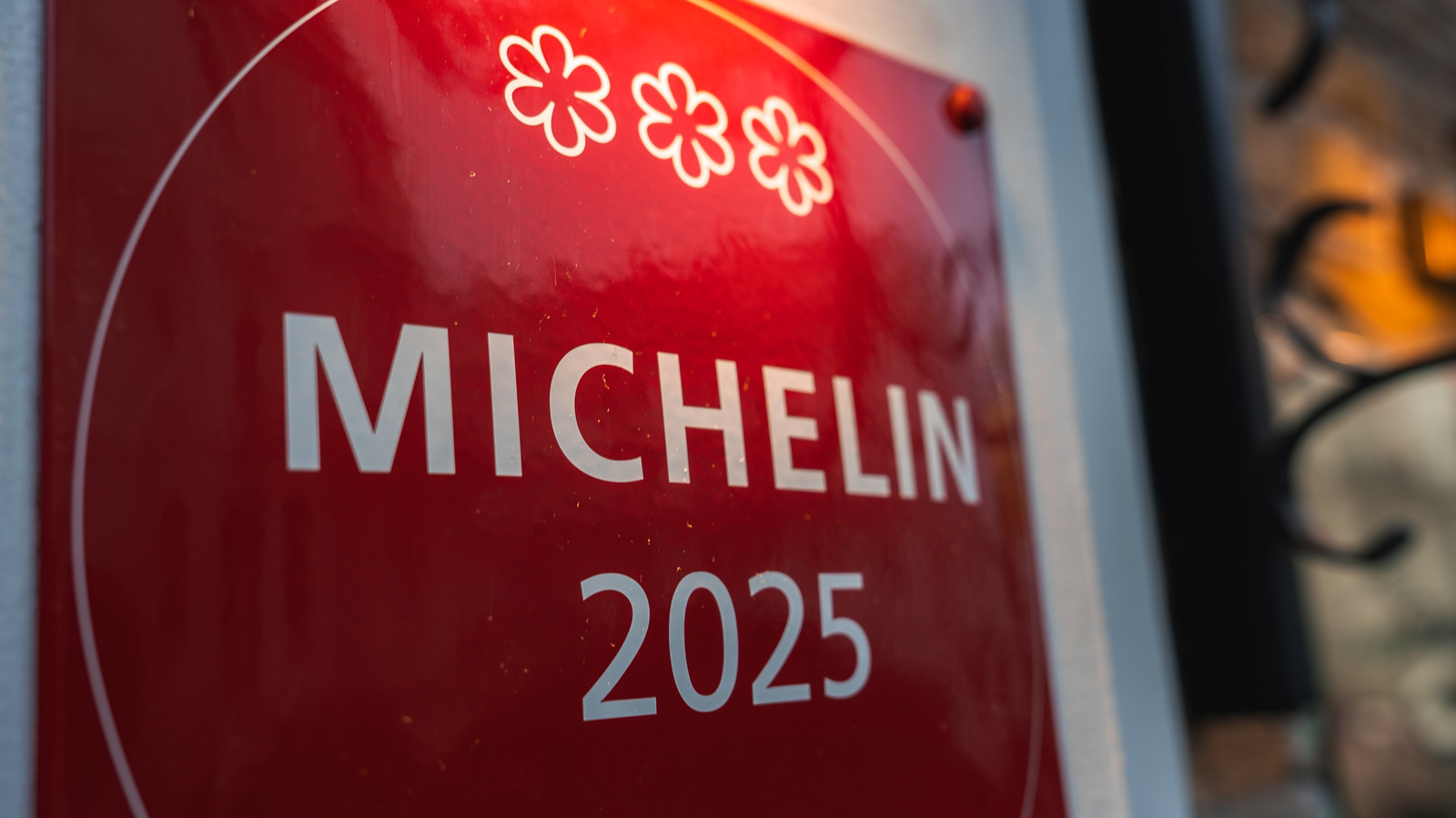
For the uninitiated, the provenance of the Michelin Guide—born from the marketing offices of a tire manufacturer—often invites skepticism. Why would a company obsessed with rubber and road safety become the global arbiter of haute cuisine? The logic, however, is rooted in the "journey." A one-star restaurant is worth a stop; a two-star establishment warrants a detour; and a three-star restaurant is, in itself, a destination.
To reach the pinnacle of the Michelin Guide is to achieve a level of culinary consistency that is bordering on the superhuman. Each three-star restaurant must demonstrate outstanding cooking, quality, flavor, technique, and—perhaps most difficult—absolute consistency across every single service. When an inspector visits, the margin for error is non-existent. This pursuit of perfection comes with a staggering price tag, both for the operator to maintain and for the diner to experience.
The Economics of Excellence: What You Are Really Paying For
The exorbitant cost of a three-star meal is rarely just about the price of the ingredients, though top-tier caviar, truffles, and Wagyu beef certainly contribute. The "overhead" of a three-star experience encompasses a complex ecosystem of labor, real estate, and rigorous training.
Maintaining these stars requires a workforce that is highly specialized. From the commis chefs preparing stocks for days to the sommeliers managing cellars worth millions, the payroll for a three-star restaurant is a significant portion of the operating budget. Furthermore, the dining environment must reflect the food. Whether it is prime real estate in Manhattan or a custom-built facility in Sonoma, the physical infrastructure is designed to provide a "total experience."
A Regional Chronology: From Legacy Institutions to Modern Disruptors
The landscape of U.S. fine dining has evolved from the rigid, French-centric models of the late 20th century to a diverse, globally inspired tapestry.
The New York Titans
New York City remains the bedrock of American fine dining. Le Bernardin has long been the gold standard for seafood, with a $350 tasting menu that critics rarely dispute. Its longevity is a testament to the vision of Maguy Le Coze and Chef Eric Ripert. Conversely, Per Se has faced a more turbulent trajectory. Once the city’s most coveted reservation, it has recently drawn criticism for rising prices (now $425) alongside inconsistent service and "supplement-heavy" menus that can quickly push a bill toward the $700 mark.
Eleven Madison Park made headlines globally for its pivot to a plant-based menu in 2022, only to partially reverse course last year. Despite the controversy, it remains a pillar of the NYC scene, though some critics argue its "best of the best" reputation has become stagnant. Meanwhile, Jungsik continues to hold its own as a pioneer of modern Korean fine dining, blending high-end technique with a wine program that can reach $600 for a premium pairing. Sushi Sho rounds out the city’s elite, charging $450 for an omakase experience that reflects the extreme difficulty and high cost of sourcing premium fish in the current global market.
The Chicago Outlier
Smyth occupies a unique position in the American firmament as the only three-star restaurant outside of New York or California. Located in Chicago, it is a testament to the power of the "farm-to-table" ethos, with a 20-acre farm outside the city providing the hyper-seasonal ingredients that define their $550 chef’s menu.
The California Vanguard
California has emerged as the most experimental frontier for Michelin-starred dining. The French Laundry remains the "ancestral home" of modern American fine dining, yet recent reviews suggest a potential struggle to balance its historic legacy with contemporary expectations. Benu, led by Corey Lee, serves as a masterclass in staying relevant, seamlessly marrying Korean and French techniques for over a decade.
Other California heavyweights focus on distinct niches:
- Single Thread (Healdsburg): At $540.75, it represents a marriage of Japanese influence and Sonoma agriculture.
- Atelier Crenn (San Francisco): Chef Dominique Crenn’s meat-free, seafood-focused experience costs $498.15 and is a case study in sustainable luxury.
- Californios (San Francisco): A landmark for Mexican-American cuisine, proving that fine dining can successfully elevate traditional flavors to a three-star level.
- Providence (Los Angeles): A champion of sustainable seafood, maintaining an atmosphere of "moody" luxury.
- Somni (Los Angeles): Currently the most expensive in the region, with a $745–$785 all-in cost, reflecting its status as a high-concept, 20-course odyssey.
- Addison (San Diego): Utilizing the luxurious Grand Del Mar hotel, Addison demonstrates that modern, international flavors—such as their famous chicken liver churro—can command a $395 price point.
- Enclos (Sonoma): A relative newcomer to the highest tier, focusing on regenerative agriculture and Victorian-style elegance at a comparatively "accessible" $295.
Supporting Data: The Cost Breakdown
To understand why these prices are where they are, we must look at the operating metrics:
| Restaurant | Tasting Menu Price | Key Cost Drivers |
|---|---|---|
| Somni | $745 – $785 | Beverage pairing included; 20-course complexity |
| Smyth | $550 | Low-intervention wine; independent farm sourcing |
| The French Laundry | $425 – $1,200 | Historic overhead; premium luxury ingredients |
| Le Bernardin | $350 | Prime Midtown Manhattan real estate; high labor |
| Enclos | $295 | Regenerative farming; specialized staff |
Official Responses and Culinary Critique
The Michelin Guide maintains a stoic, objective stance on its awards. According to the Guide, the criteria for three stars remain constant: "exceptional cuisine, worth a special journey." However, the industry is increasingly divided on the "value" proposition.
Critics like Pete Wells (New York Times) have not hesitated to point out when a restaurant’s quality fails to match its price. The critique of Per Se and The French Laundry highlights a growing trend in food journalism: the "dethroning" of legacy institutions. When a $425 menu results in "mushy croquettes," the prestige of the Michelin star does little to satisfy the diner. Conversely, restaurants like Californios and Smyth have received glowing accolades precisely because they offer something "new" and "authentic," justifying their high costs through innovation rather than just status.
Implications for the Future of Fine Dining
The trajectory of the U.S. three-star scene suggests three major implications for the future of luxury dining:
- Sustainability as a Premium: The days of importing ingredients from thousands of miles away are fading. The most successful restaurants are now those that own or partner with farms (Smyth, Single Thread, Enclos). Sustainability is no longer just a trend; it is a financial and operational necessity.
- The "Accessible" Luxury Pivot: We are seeing a divergence between "status" fine dining and "experience" fine dining. Restaurants like Enclos, which offer a lower entry point while maintaining the same level of technical mastery, are beginning to challenge the idea that a three-star experience must cost half a thousand dollars.
- The End of the "European-Only" Bias: Californios and Jungsik have effectively dismantled the notion that fine dining must adhere to French or Italian culinary frameworks. As the U.S. palate broadens, the next generation of three-star restaurants will likely look more like the diverse population they serve.
Ultimately, eating at a three-star Michelin restaurant is an exercise in excess. Whether or not it is "worth it" depends entirely on whether the diner values the art of the meal as a performance or merely as sustenance. For the restaurants themselves, the challenge remains: to maintain the impossible standards of the Guide while navigating an increasingly expensive and critical world.