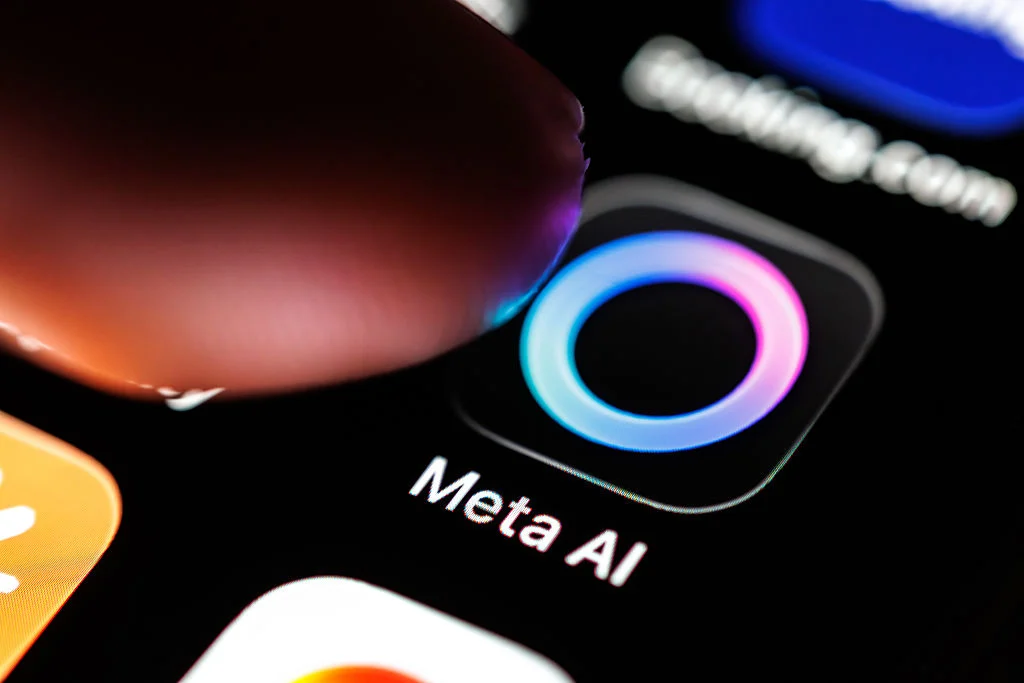
August 20, 2026 — In a move designed to deepen its integration into the professional workflow, Meta today unveiled a dedicated Mac application for Meta AI. The launch, which introduces system-wide dictation capabilities and sophisticated screen-context awareness, marks a significant escalation in the battle for the desktop productivity market. Beyond the consumer-facing desktop app, Meta simultaneously rolled out a suite of powerful business-focused tools, signaling that the company is moving aggressively to capture the enterprise software sector.
The Evolution of the Desktop Interface: A New Mac Application
The newly released Meta AI app for macOS is not merely a chatbot window; it is an attempt to weave Meta’s "Muse Spark" model into the fabric of the operating system. By enabling system-wide dictation, Meta is positioning its assistant as a direct competitor to specialized productivity tools like Wispr Flow, Superwhisper, and Monologue.
This functionality allows users to summon Meta AI from any application—whether they are drafting a complex report in Microsoft Word, browsing a browser-based CRM, or managing creative assets in Adobe Suite—to capture voice input and translate it into text or actionable commands.
Perhaps more transformative is the app’s "screen-awareness" capability. By leveraging the Muse Spark model, the assistant can observe the current state of a user’s display. A user can, for instance, highlight a complex spreadsheet or a dense technical manual and ask the AI for a summary, a critique, or an immediate transformation of that data. This shift from "text-in, text-out" to "context-aware observation" represents a fundamental change in how users interact with AI on personal computers.
Chronology of Meta’s AI Integration
Meta’s journey toward this desktop integration has been deliberate and rapid. Over the past 18 months, the company has transitioned from a social media giant into a comprehensive AI infrastructure provider.
- Early 2026: Meta begins the internal testing of the Muse Spark model, emphasizing multi-modal capabilities.
- June 2026: Meta launches its AI agent for WhatsApp Business globally, setting the stage for enterprise-level automation.
- July 2026: During the Q2 2026 earnings call, CEO Mark Zuckerberg articulates a vision for Meta as a provider of autonomous agents for enterprise, moving beyond simple consumer engagement.
- August 2026 (Today): The launch of the macOS Meta AI app and the integration of Google Workspace into the Meta business suite.
This timeline underscores a clear pivot: Meta is no longer satisfied with keeping users inside the Facebook or Instagram walled gardens. Instead, they are positioning Meta AI as the "operating system" layer that connects disparate professional tools.
The Business Suite Overhaul: Data-Driven Intelligence
The most significant revenue-generating aspect of today’s announcement is the integration of Meta AI with the broader business ecosystem. For small and medium-sized business (SMB) owners, the friction of switching between platforms—Instagram, Facebook, ad management dashboards, and Google Workspace—has historically been a major pain point.
Meta is now bridging these gaps. By connecting Meta accounts to Google Workspace (Gmail, Docs, Sheets, and Slides), business owners can now perform high-level queries across their entire digital footprint.
Key Capabilities for Business Users:
- Unified Analytics: Users can query the AI for insights into cross-platform performance. For example, a business owner can ask, "How did my latest Instagram engagement impact lead generation in my Gmail inquiries?"
- Competitive Intelligence: Meta AI can now synthesize publicly available data to provide intelligence on market competitors, identifying trends and performance gaps that would otherwise require hours of manual research.
- Automated Asset Generation: The AI can now draft proposal decks, generate spreadsheets, and write formal business documents using the context provided by the business’s own historical data.
By automating the synthesis of these disparate data sources, Meta is effectively offering a "Chief of Staff" in the form of an AI agent.

Supporting Data: Why the Move to Mac Matters
The choice to prioritize macOS is not accidental. The creative, professional, and developer demographics that drive enterprise software spending are heavily concentrated on the Apple ecosystem.
Industry data suggests that voice-first interaction is seeing a 40% year-over-year increase in professional settings, driven by the desire to reduce "keyboard fatigue." By introducing system-wide dictation, Meta is directly challenging Google, which only last month updated its own Gemini app for Mac to feature similar capabilities. This arms race for the "AI-enabled desktop" is currently the most significant battleground in Silicon Valley, as both Meta and Google seek to become the default assistant for the professional workforce.
Official Responses and Corporate Strategy
During the Q2 2026 earnings call, Mark Zuckerberg was explicit about the company’s direction. "The opportunity," he noted, "extends far beyond simple agents that reply to customer DMs. It is about selling agents that can automate the cognitive work of running a business."
Meta’s strategy is clearly defined:
- Lowering Barriers to Entry: By making these tools accessible to small businesses that lack large IT departments, Meta is capturing a market segment that larger enterprise AI vendors have historically ignored.
- Platform Stickiness: By integrating Google Workspace, Meta is creating a compelling reason for businesses to keep their advertising and marketing budgets within the Meta ecosystem, effectively "locking in" users who find value in the AI’s consolidated intelligence.
Implications for the Future of Work
The implications of today’s announcement are two-fold: one for the individual worker and one for the enterprise.
For the Individual
The line between human intent and software execution is blurring. With system-wide dictation and screen awareness, the "command line" of the future is natural language. We are entering an era where the software will anticipate needs based on the visual context of the screen. However, this also raises significant privacy concerns. Users will need to trust that the data being "observed" by the Muse Spark model remains secure and is not being used to train broader, third-party models without explicit consent.
For the Enterprise
Meta is effectively commoditizing "administrative labor." If an AI can draft proposals, analyze cross-platform ad performance, and manage email correspondence, the traditional roles of junior analysts and administrative assistants may shift toward high-level strategy and oversight. This will force a reorganization of how businesses are structured, with a greater emphasis on "prompt engineering" and AI management as core professional competencies.
Conclusion: A Turning Point
The release of the Meta AI Mac app and the expansion of its business suite are more than just feature updates; they are the markers of a maturing AI industry. As Meta leans into the enterprise space, the company is betting that the winner of the AI race will not just be the one with the smartest model, but the one with the most useful integrations.
By placing the Muse Spark model directly onto the desktop and into the professional workspace, Meta is signaling that it intends to be the invisible engine running the next generation of business. Whether this will lead to a more efficient professional landscape or a deeper reliance on proprietary, closed-source ecosystems remains to be seen. What is clear, however, is that the office of 2027 will look fundamentally different than the office of 2025, and Meta intends to be at the center of that transformation.