WASHINGTON — As the military conflict with Iran approaches the six-month mark, Congressional opposition has intensified into a comprehensive critique of President Donald Trump’s foreign policy and war management. Driven by reports of severe logistical and mental health crises aboard deployed U.S. naval vessels, a collapsed ceasefire agreement, escalating gas prices at home, and new presidential threats directed at regional allies, Capitol Hill is seeing its sharpest resistance yet to the ongoing campaign in the Middle East.
What began as a targeted effort to dismantle regional threats has transformed into an extended, high-friction theater of war. With the August congressional recess under way, Democratic lawmakers are utilizing televised media appearances, formal letters of inquiry, and proposed legislative checks to challenge the administration’s strategic objectives, military readiness, and treatment of service members.
Main Facts: A War on Multiple Fronts
The domestic political battle over the conflict centers on three primary developments: deteriorating conditions aboard deployed military platforms, the complete breakdown of diplomatic channels with Tehran, and unprompted threats toward strategic partner nations.
+-----------------------------------------------------------------------------------+
|                            KEY DEVELOPMENTS AT A GLANCE                           |
+-----------------------------------------------------------------------------------+
|  1. Timeline Milestone: War nears 6-month mark (Initiated Feb 28); 60-day MOU      |
|     diplomatic window expires with zero active talks.                            |
|  2. Operational Strain: USS Abraham Lincoln reaches 8+ months deployed without    |
|     port visits; severe mental health and supply issues reported.                  |
|  3. Domestic Economic Impact: Escalating fuel prices and inflation linked to     |
|     blockade operations in the Strait of Hormuz.                                  |
|  4. Diplomatic Friction: President Trump threatens military strikes on Oman;      |
|     Sen. Tim Kaine prepares targeted War Powers Resolution.                       |
+-----------------------------------------------------------------------------------+
Key Grievance Points
- Diplomatic Deadlock: Sixty days after the signing of a preliminary Memorandum of Understanding (MOU) intended to pave the way for a permanent ceasefire and the reopening of the Strait of Hormuz, formal negotiations have completely halted. President Trump confirmed on social media that no diplomatic discussions are currently underway or scheduled.
- Humanitarian and Readiness Concerns: Allegations of severe operational distress aboard the USS Abraham Lincoln (CVN-72) have triggered calls for formal military IG investigations. Reports detail extended deployments lacking port calls, food and water supply issues, broken sanitation infrastructure, and escalating mental health emergencies among the ship’s company.
- Expanding Regional Threats: In an interview on Monday, President Trump publicly threatened military action against the Sultanate of Oman—a long-standing U.S. partner—if it interfered with American efforts to control shipping lanes in the Strait of Hormuz.
- Economic Backlash: Lawmakers cite rising fuel costs and supply chain constraints affecting American consumer goods as a direct consequence of the ongoing naval blockade in the Persian Gulf, an action defined under international law as an act of war.
Chronology of the Conflict: From Outbreak to Broken Truce
Understanding the current impasse requires examining the compressed, volatile timeline of military and diplomatic maneuvers that have transpired since early 2026.
       FEB 28               JUNE                JULY               AUGUST
---------|-------------------|-------------------|-------------------|--------->
  War Operations       60-Day Truce MOU     MOU Collapses;      MOU Deadline Passes;
    Commence             Signed with        Strikes & Blockade    Trump Threatens Oman;
                         Tehran              Resume               Diplomacy Stalled
Detailed Timeline of Events
February 28: Commencement of Hostilities
U.S. forces initiate major combat operations against Iranian targets following a series of maritime security incidents and regional proxy escalations. Initial objectives emphasize neutralising strike capabilities and securing critical maritime transit routes through the Strait of Hormuz.
Mid-June: The Memorandum of Understanding
After nearly four months of air campaigns and naval engagements, the Trump administration enters into a temporary Memorandum of Understanding (MOU) with Tehran. The agreement outlines:
- A mutual, conditional ceasefire.
- The immediate reopening of commercial maritime lanes in the Strait of Hormuz.
- A mandatory 60-day window to negotiate a comprehensive treaty restricting Iran’s nuclear program in exchange for phased relief from U.S. economic sanctions.
Early July: Collapse of the Framework
Less than 30 days into the framework, the MOU unravels. Iranian forces resume targeting commercial and military shipping within the Strait. In response, the Pentagon orders massive retaliatory airstrikes across mainland military infrastructure, and President Trump formally notifies Congress under the War Powers Resolution that active hostilities have resumed.
Mid-August: Deadline Expiration and Shift to Blockade
The original 60-day deadline set by the MOU passes without agreement. U.S. military tactics shift from heavy aerial bombardment to a sustained naval blockade designed to starve Iran’s economy. On Tuesday, President Trump officially rules out further diplomatic dialogue, declaring on Truth Social:
"There are no talks or conversations going on, or scheduled, with the Islamic Republic of Iran."
Supporting Data: Conditions Aboard the USS Abraham Lincoln and Economic Toll
The long operational footprint of the campaign has strained both military assets and domestic consumer markets. The focal point of operational concern is the Nimitz-class aircraft carrier USS Abraham Lincoln, which has operated continuously in the U.S. Central Command (CENTCOM) area of responsibility for over eight months without a single port visit—a rare duration for modern carrier strike group deployments.
+-----------------------------------------------------------------------------------+
|                 LOGISTICAL & HUMAN IMPACT OBSERVATIONS: USS LINCOLN              |
+-----------------------------------------------------------------------------------+
|  Metric                   | Status / Reported Condition                           |
+---------------------------+-------------------------------------------------------+
| Total Deployment Time     | Exceeds 8 consecutive months                          |
| Port Visits Granted       | Zero during extended deployment                       |
| Mental Health Incidents   | Multiple documented crises; at least two overboards    |
| Operational Supplies      | Intermittent shortages of fresh food and potable water |
| Ship Infrastructure       | Recurring failures of sanitation and hot water systems |
+---------------------------+-------------------------------------------------------+
Investigative Findings and Congressional Demands
Reports published by Military Times and Stars and Stripes detailed interviews with family members and crew, revealing a severe decline in quality of life and psychological well-being aboard the carrier. Specific concerns raised include:
- Psychological Strain: Confirmation of multiple self-harm attempts and crisis interventions, including at least two incidents where sailors reportedly attempted to go overboard.
- Resource Constraints: Disruption of basic shipboard services, leading to intermittent access to working plumbing, reliable hot water, and routine food distribution.
- Communication Blackouts: Extended cuts to shipboard Wi-Fi and communications networks, leaving families in the United States unable to contact deployed relatives for weeks.
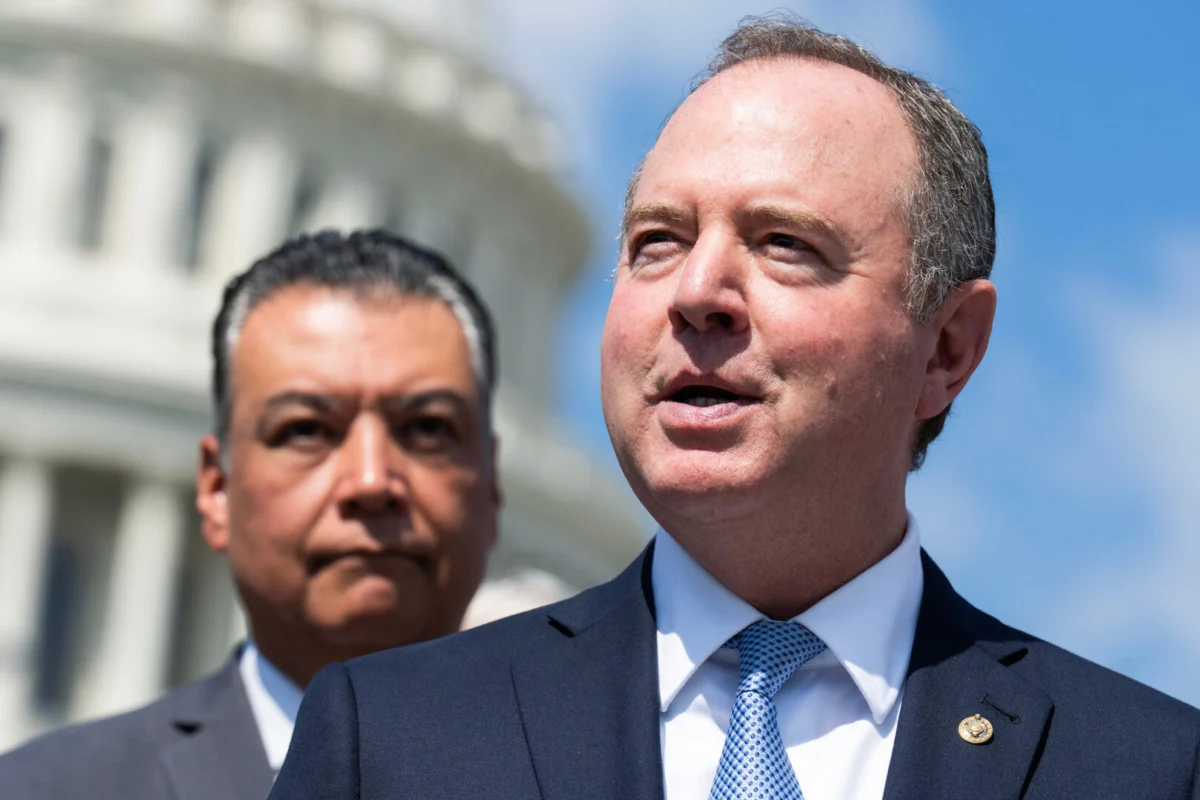
In response, California Democratic Senators Adam B. Schiff and Alex Padilla, alongside House representatives from San Diego (the carrier’s home port), dispatched a formal letter to Department of Defense Inspector General Platte Moring demanding an immediate audit.
"The duration and combat conditions of this extraordinary deployment warrant a review of how the Navy’s risk assessment and contingency planning processes were undertaken and what rationale they relied upon as the mission was extended," the lawmakers stated.
Simultaneously, all Democratic members of the Senate Armed Services Committee (SASC), led by Vice Chair Patty Murray (D-WA) and Defense Appropriations Subcommittee Ranking Member Chris Coons (D-DE), sent a 12-point inquiry to Secretary of Defense Pete Hegseth demanding accountability over the treatment of sailors and Marines.
Domestic Economic Indicators
Beyond the military burden, lawmakers point to domestic economic pain points linked to the maritime action. Rep. Gregory W. Meeks (D-NY), Ranking Member of the House Foreign Affairs Committee, noted that the continuous conflict and naval blockade have disrupted global energy trade routes, contributing to:
- Spikes in domestic gasoline prices at the pump during peak summer travel.
- Increased shipping insurance rates, elevating the import cost of everyday consumer goods.
- Prolonged market uncertainty regarding global crude oil output.
Official Responses: Administration Defense and Military Pushback
The Trump administration and military command structures have moved to defend their operational strategy and refute claims regarding combat unit degradation.
+-----------------------------------------------------------------------------------+
|                             ADMINISTRATION RESPONSES                              |
+-----------------------------------------------------------------------------------+
|  Target Entity        | Defense Narrative / Action Taken                          |
+-----------------------+-----------------------------------------------------------+
| CENTCOM Command       | Adm. Brad Cooper op-ed dismisses reports as "old news."   |
| Department of Defense | SecDef Pete Hegseth maintains readiness operational focus.|
| Executive Branch      | President Trump rules out talks; threatens non-compliant  |
|                       | third parties (Oman) to maintain blockade strength.       |
+-----------------------------------------------------------------------------------+
Military Leadership Positions
Addressing the growing outcry over shipboard conditions, Admiral Brad Cooper, Commander of U.S. Central Command, authored an op-ed in The Wall Street Journal. Following a direct visit to the USS Abraham Lincoln, Adm. Cooper defended the ship’s command structure, arguing that operational metrics remained strong and characterizing media reports of crew distress as outdated or exaggerated.
"Many elements of those stories are old news," Cooper wrote, emphasizing that the command had taken active measures to address ship maintenance, improve food service, and provide mental health support teams on deck.
Department of Defense and White House Stance
Defense Secretary Pete Hegseth has reiterated that extended deployments are an unfortunate but necessary reality of maintaining maritime dominance and executing military objectives against Tehran.
President Trump has maintained a hardline stance, asserting that military pressure, rather than diplomatic compromise, remains the primary tool for forcing Iranian compliance. In a Monday interview on Fox News, the President defended his aggressive posture, extending his rhetoric to non-aligned regional nations that might hinder U.S. operational goals. Addressing potential friction with Oman over maritime access, Trump stated he would "bomb the s— out of" Oman if the country attempted to disrupt American operations surrounding the Strait of Hormuz.
Strategic and Geopolitical Implications: Congressional Checks and Regional Fallout
The escalation of hostilities and rhetorical threats against regional allies have altered diplomatic dynamics in the Middle East and triggered legislative challenges in Washington.
+-----------------------------------------------------------------------------------+
|                        GEOPOLITICAL & LEGISLATIVE IMPACTS                         |
+-----------------------------------------------------------------------------------+
|  Domain               | Implication / Potential Outcome                           |
+-----------------------+-----------------------------------------------------------+
| U.S.-Oman Diplomacy   | Strain on access to key Middle Eastern airfields/ports.   |
| Legislative Action    | Sen. Tim Kaine drafting targeted War Powers Resolution.   |
| Global Competitors    | China and Russia leverage U.S. Middle East distraction.   |
| Regional Security     | Escalation from a targeted strike into systemic conflict.  |
+----------------+------------------------------------------------------------------+
Threats to Strategic Alliances
The President’s public warning to Oman marks a significant break in regional diplomacy. Muscat has historically acted as a crucial diplomatic bridge between Western powers and Tehran, while providing U.S. armed forces with vital access to deep-water ports and airfields outside the immediate Persian Gulf choke points. Threatening a nation bound to the U.S. by security cooperation agreements and a Free Trade Agreement risks isolating Washington from moderate Gulf partners.
Legislative Escalation in the Senate
In response to the administration’s posture toward Oman, Senator Tim Kaine (D-VA) announced plans to introduce a targeted War Powers Resolution to prohibit unauthorized military action against the Sultanate. Kaine, who has consistently utilized the War Powers Act to force record votes on executive military actions, emphasized the strategic miscalculation of alienating regional partners.
"His threat to waste even more of our dwindling weapons on Oman — a country
the United States has a strong diplomatic relationship and a free trade
agreement with — makes real adversaries like China and Russia rub their
hands with glee."
                                                — Sen. Tim Kaine (D-VA)
Strategic Divergence
As the war enters its sixth month, the divide between executive execution and legislative oversight continues to widen:
- Resource Depletion: Extended naval and air campaigns draw heavily on advanced precision munitions and force readiness, potentially compromising U.S. force posture in the Indo-Pacific theater.
- Diplomatic Isolation: Threatening non-belligerent regional actors risks weakening the international coalition supporting security in the Strait of Hormuz.
- Institutional Accountability: With both the DoD IG and SASC demanding access to military assets and formal operational assessments, the administration faces sustained institutional oversight while attempting to manage an open-ended foreign conflict.
With diplomatic channels closed and military units extended across the region, the confrontation with Iran presents a growing test for U.S. foreign policy, military logistics, and domestic legislative checks on executive war powers.