In the intricate world of real estate, the adage "timing is everything" is more than just a cliché—it is a data-backed reality. For homeowners looking to capitalize on their property investment, understanding the interplay between calendar dates, market seasonality, and broader economic headwinds is the difference between a swift, lucrative closing and a property that lingers on the market.
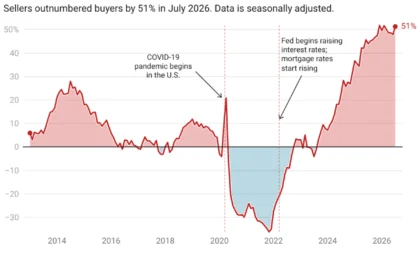
As we navigate the 2026 housing landscape, the market has proven to be as challenging as it is nuanced. With record-high home prices creating a barrier for entry for many prospective buyers, those who remain active in the market are exercising greater selectivity and leverage. Consequently, homeowners can no longer rely on a "list-and-forget" strategy. To succeed today, sellers must approach the market with the precision of a tactician, leveraging data to dictate the when, the how, and the why of their home sale.
The Science of Seasonality: Why Late April Reigns Supreme
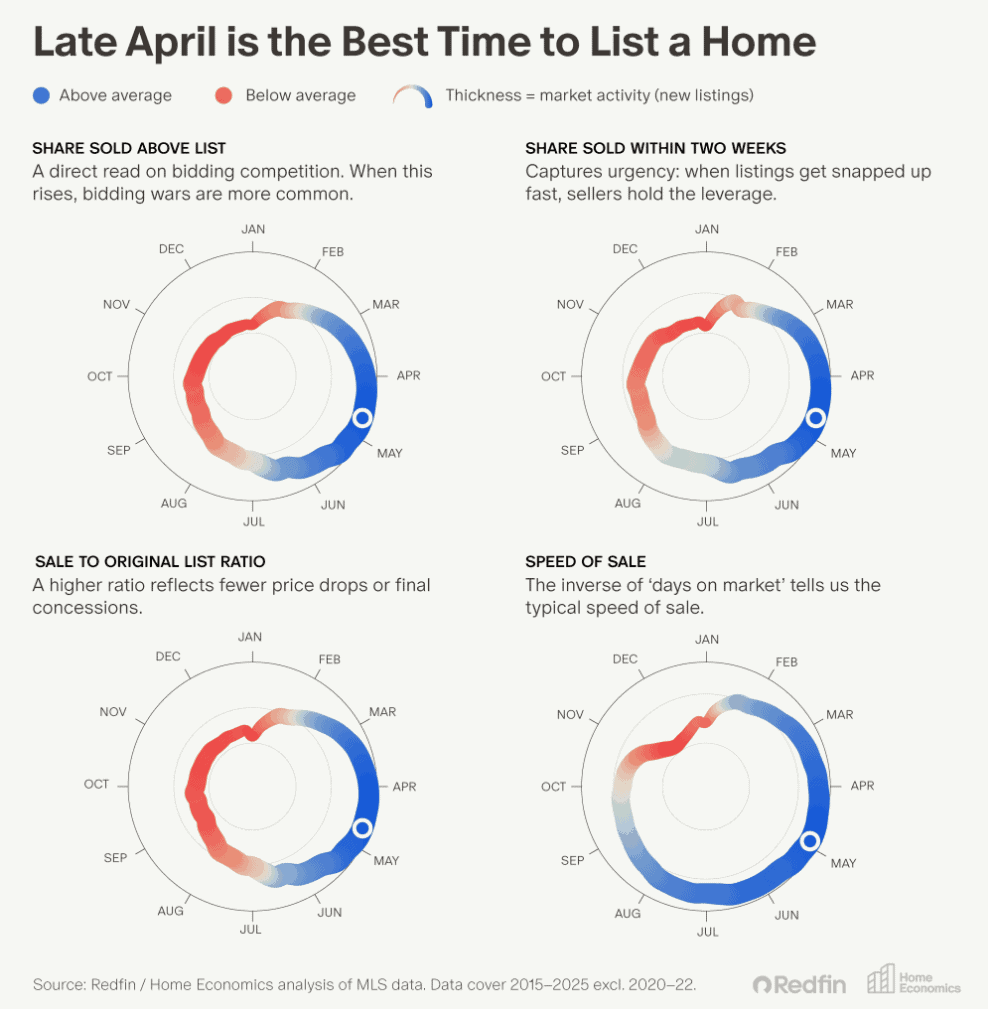
While the real estate market is subject to constant shifts, the underlying rhythm of home buying remains tethered to the seasons. According to a comprehensive analysis by Redfin and Home Economics, the optimal window for listing a residential property in the United States is late April.
The "Sweet Spot" Phenomenon
Data indicates that homes listed during this specific late-April window are approximately 18% more likely to secure a sale price above the original list price. Furthermore, these properties consistently move off the market faster than those listed in the summer doldrums or the winter slowdown.
The logic behind this timing is multi-faceted. By late April, the frost of winter has fully receded, and the "spring fever" of the housing market is in full swing. Families are often looking to finalize their moves before the upcoming school year, creating a surge of motivated, time-sensitive buyers. From a presentation standpoint, the environment is also ideal: gardens are in bloom, natural light is more abundant, and the overall aesthetic appeal of a home is at its peak.

For those who require a slightly broader timeframe, the window from late March through mid-May remains the gold standard for high-performance listings.
The Micro-Tactics: Why Thursday Matters
Beyond the seasonal calendar, there is a granular level of timing that savvy sellers can exploit: the day of the week. While it may seem counterintuitive, the day you hit "publish" on the Multiple Listing Service (MLS) can impact your bottom line.
A recurring trend observed by industry analysts suggests that Thursday is the premier day to list a home. When compared to the slowest listing days of the week, homes that debut on a Thursday tend to sell for roughly $3,000 more and close an average of five days faster.
The strategy behind a Thursday listing is simple: it positions the property perfectly for the weekend, which remains the primary time for prospective buyers to conduct in-person tours and open houses. By listing on Thursday, your home remains fresh in the minds of buyers as they plan their weekend itinerary, ensuring maximum traffic during the critical first 48 hours of your listing’s life.
A Geographic Perspective: Local Dynamics vs. National Trends
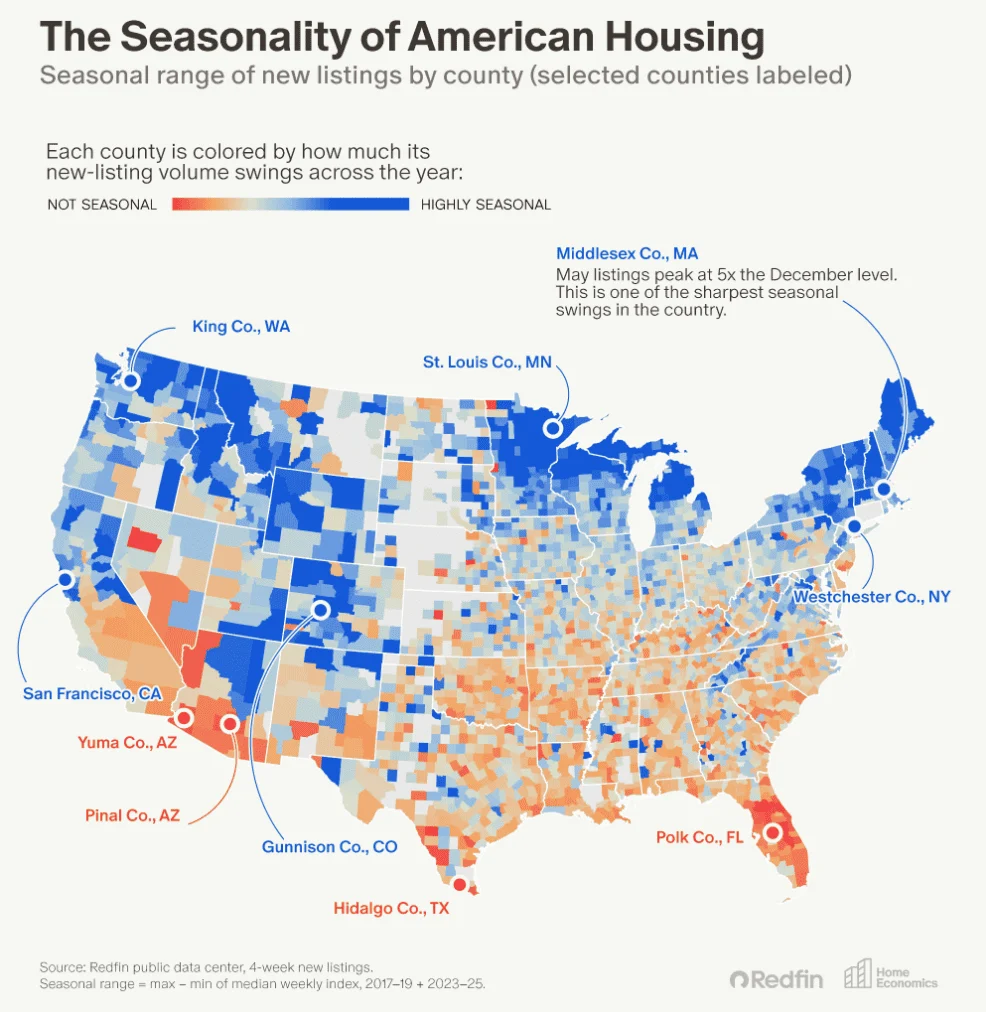
While national averages provide a helpful compass, they cannot replace the map of your local market. Housing is, by definition, hyper-local. Climate, regional economic health, and local inventory levels all dictate when a city experiences its "peak" selling season.
Regional Variations
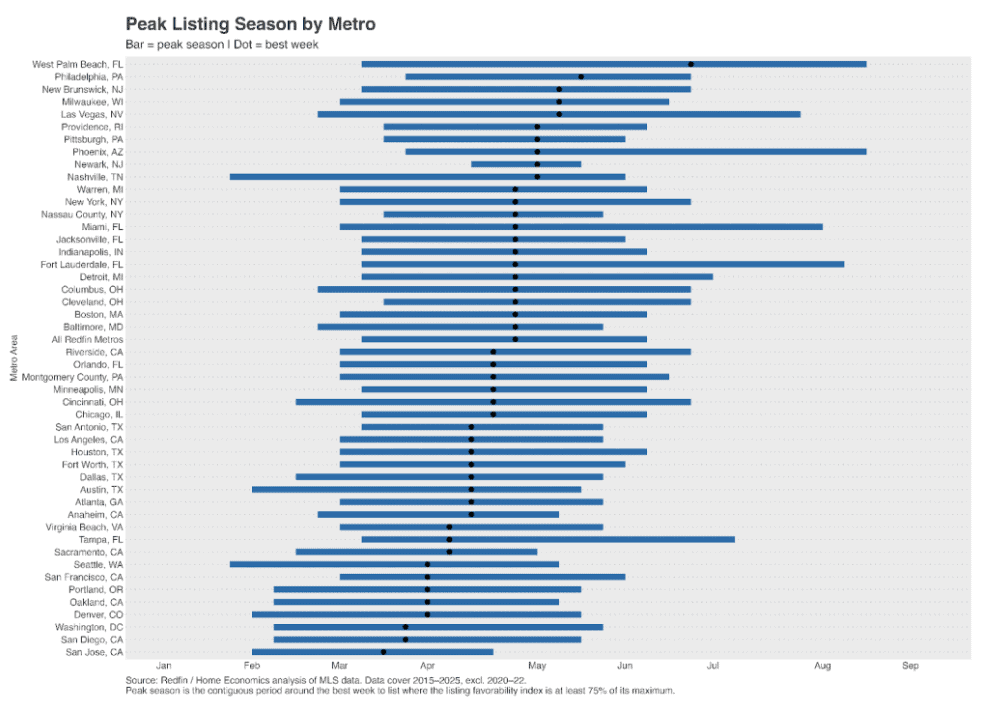
- The Early Risers (e.g., San Jose): In regions with intense competition and rapid turnover, the market often heats up earlier. In cities like San Jose, the peak window may arrive as early as mid-March, as buyers attempt to beat the mid-spring rush.
- The Measured Pace (e.g., Philadelphia): Conversely, in markets where inventory levels are more stable or the climate dictates a slower start, the peak window may extend into mid-May.
The correlation between climate and market activity is significant. In warmer climates, the seasonal swings are often dampened because the barrier to touring homes (weather) is removed year-round. In contrast, major metropolitan areas with limited supply, such as San Francisco, experience extreme seasonality. In these supply-constrained cities, everyone—buyers and sellers alike—tends to converge on the same brief window, making the timing of the listing not just a preference, but a strategic necessity.
Expert Insight: Perspectives from the Front Lines
Daryl Fairweather, Chief Economist at Redfin, emphasizes that while the data points to late April as the national favorite, individual circumstances must remain the priority.
"Late April is the sweet spot for savvy home sellers," Fairweather notes. "Homebuyers are out in force, but the market isn’t yet flooded with listings, so homes are more likely to close faster and for more. However, people also have different timelines and priorities. Because housing is so local, every city has its own dynamics at play. Home sellers should take their individual circumstances into account and work with a local agent to determine their best time to sell."
Asad Khan, a senior economist at Redfin, adds that the rise of inventory in mid-spring creates a unique "Goldilocks" environment. "Inventory is beginning to rise, but it hasn’t yet peaked," Khan explains. "This creates the perfect window for sellers to capture demand without being drowned out by an oversupply of competing listings."
Implications for Today’s Seller
The 2026 market is undeniably a buyer’s market. With economic uncertainty and elevated housing costs causing many potential buyers to remain on the sidelines, the power dynamic has shifted.
Navigating the Current Climate
- Price Aggressively: In a market where buyers are hesitant, your initial pricing strategy is your most powerful marketing tool. Overpricing can lead to a "stale" listing, which creates the impression that there is something wrong with the property.
- Preparation is Paramount: In a slower market, competition is fierce. Sellers must invest in "curb appeal" and necessary, high-impact repairs. A home that is move-in ready will always command a premium over one that requires immediate renovation.
- Flexibility and Negotiation: Because the pool of buyers is smaller, sellers must be prepared to negotiate. Whether it involves price adjustments, covering closing costs, or providing flexible move-in timelines, being "easy to work with" can be the deciding factor in securing a deal.
- Professional Guidance: Now more than ever, the role of a local real estate agent is indispensable. They act as the interpreter for local market data, helping you decide whether a phased marketing approach—such as a "coming soon" campaign—is superior to a full-market debut.
Conclusion: The Final Decision
While the data overwhelmingly supports late April as the optimal time to list, the "best" time to sell is ultimately a personal decision. If your life situation necessitates a move, waiting for the perfect market calendar may not be a luxury you have.
However, if you have the flexibility to plan, the strategy is clear: align your listing with the spring surge, aim for a Thursday launch, and lean heavily on the expertise of a local professional to navigate the unique idiosyncrasies of your neighborhood. By respecting the seasonality of the market while remaining pragmatic about the current economic realities, you can position your home to attract the best possible offers, even in a complex and cooling market.
Whether you choose to follow the national trend or adapt to your specific locale, success in 2026 will belong to the prepared. Keep your expectations grounded in data, your home presented in its best light, and your ears open to the guidance of the experts in your corner.