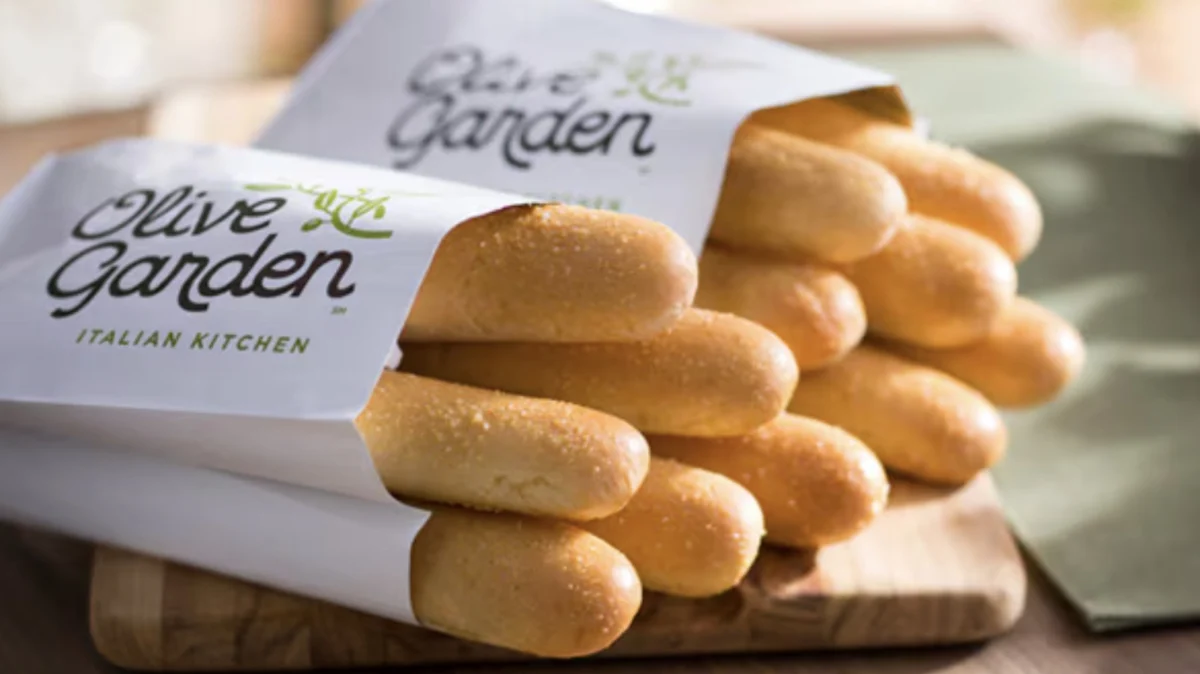
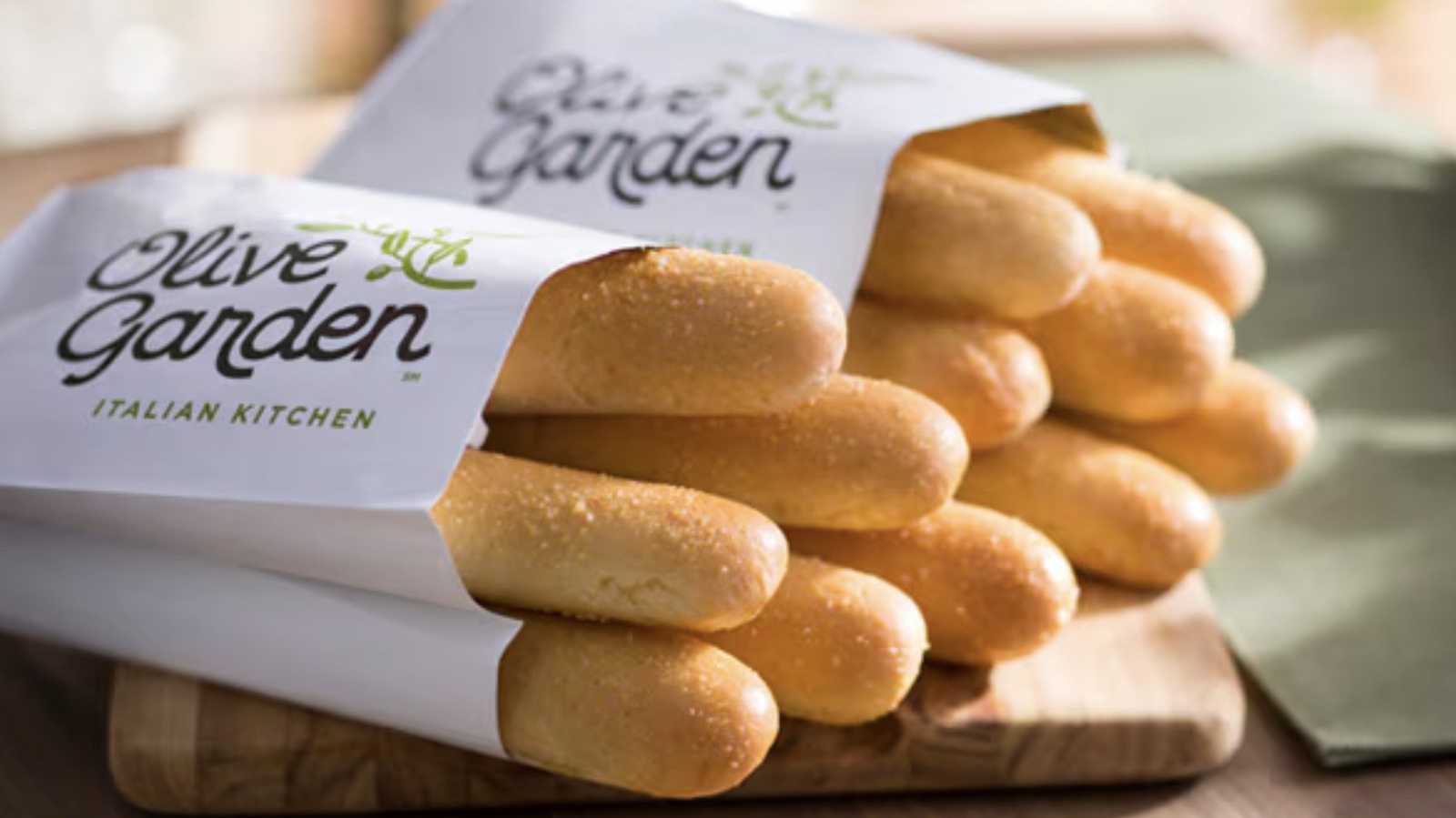
For decades, the American culinary landscape has been dominated by a single, powerful association: the mention of "Italian chain restaurant" immediately conjures images of endless bowls of salad and bottomless baskets of warm, garlic-buttered breadsticks at Olive Garden. It is a cultural monolith, a carb-loaded rite of passage for suburban diners across the country. Yet, a recent shift in critical consensus suggests that the "gold standard" of chain-restaurant breadsticks may have been eclipsed by an unlikely contender found in the heart of the shopping mall food court: Sbarro.
While the convenience of the Olive Garden model is undeniable, a comprehensive taste test conducted by Tasting Table has challenged the status quo, placing Sbarro’s breadsticks at the top of the hierarchy. This revelation forces a broader conversation about expectations, food quality, and the surprising evolution of fast-casual Italian dining.
The Verdict: Challenging the Olive Garden Hegemony
The recent assessment of chain restaurant breadsticks sought to peel back the layers of nostalgia that often color our dining experiences. When pitted against industry heavyweights, Sbarro—often dismissed by modern foodies as a relic of the 1990s mall culture—emerged as the surprising victor.
The primary critique leveled against the industry leader, Olive Garden, is one of consistency over character. While their breadsticks are reliable, they are often described as bland, serving primarily as a vessel for garlic salt and melted margarine rather than offering a complex flavor profile of their own. Conversely, the Sbarro breadstick was praised for its structural integrity and depth of flavor. Testers noted a soft, pillowy interior encased in a delicate, golden crust—a testament to what happens when bread is baked with care rather than churned out in mass-produced quantities.
Chronology of a Culinary Shift
To understand how Sbarro reclaimed its relevance, one must look at the trajectory of the brand and the changing palate of the American consumer.
- The Golden Age of Malls (1980s–1990s): Sbarro was a staple of the American shopping experience. During this era, the brand relied on high foot traffic and the novelty of "New York-style" pizza in regional markets.
- The Decline of the Food Court (2000s–2010s): As online shopping began to erode the relevance of brick-and-mortar malls, Sbarro struggled. The brand became synonymous with heat lamps and stagnant inventory, leading to a period of corporate restructuring.
- The Renaissance of Freshness (2020–Present): In recent years, Sbarro has aggressively pivoted toward a "fresh-baked" narrative. By doubling down on its commitment to daily preparation, the brand has managed to shed its reputation for stale, reheated product.
- The Viral Validation (2024–2026): Social media platforms, particularly TikTok and YouTube, began hosting a series of "honest reviews" from consumers rediscovering the chain. These creators consistently highlighted the same attribute: the surprising freshness of the breadsticks, which served as a catalyst for a broader public reassessment of the chain’s menu.
Supporting Data: By the Numbers
The appeal of the Sbarro breadstick isn’t just anecdotal; it is grounded in a specific value proposition that challenges the "all-you-can-eat" allure of its competitors.
When analyzing the "price-to-pleasure" ratio, Sbarro offers a compelling argument. At a price point of roughly $6 for an order of six, the breadsticks are substantial in size. They are significantly larger than the standard breadstick found at most casual-dining chains. This physical heft, combined with a Parmesan-herb seasoning blend that offers a discernible "kick," elevates the product from a mere appetizer to a functional component of the meal—ideal for mopping up sauces or pairing with the chain’s San Marzano-style tomato dip.
In contrast, the Olive Garden model relies on the psychological comfort of the "unlimited" promise. Data suggests that while diners value the sheer volume provided by Olive Garden, the quality of individual sticks has stagnated. The Sbarro experience provides a higher "ceiling" for quality, even if it lacks the "bottomless" quantity.
Official Stance and Corporate Strategy
Sbarro has leaned into this newfound critical acclaim by emphasizing its operational transparency. On their official platforms, the company highlights that their breadsticks are baked fresh daily, utilizing a proprietary blend of Italian herbs and garlic. This strategy serves as a direct rebuttal to the "heat lamp" stigma that has haunted the brand for decades.
Interestingly, the company has not attempted to pivot into the casual-dining space, remaining focused on its core identity as a quick-service, high-frequency establishment. By keeping the breadsticks as a high-quality "side" to their pizza and pasta offerings, they have managed to avoid the trap of becoming a "jack-of-all-trades" restaurant that sacrifices quality for variety.
Implications for the Industry
The success of the Sbarro breadstick serves as a broader indicator of a changing landscape in the restaurant industry. It suggests that consumers are becoming increasingly skeptical of "unlimited" offers if they come at the expense of flavor and texture.
1. The Death of the "Good Enough" Standard
The success of Sbarro proves that brand legacy is not a substitute for quality. Even a brand that has been written off by mainstream critics can capture the market’s attention if it successfully executes a simple, core product with excellence.
2. The Rise of "Small Bites" Excellence
As dining habits shift toward faster, more casual experiences, the importance of the "side dish" has grown. A restaurant that can master the breadstick—a seemingly simple item—can gain a loyal following that transcends the primary menu offerings.
3. The Pizza Dilemma
However, the industry must be careful not to over-generalize. The Tasting Table report notes a distinct gap between Sbarro’s breadsticks and its pizza. While the breadsticks are top-tier, the pizza remains polarizing. This highlights a fascinating paradox: a chain can be a destination for a specific side dish while remaining an underdog for its flagship product. For the consumer, this implies a new, modular approach to dining—visiting Sbarro for the breadsticks, but perhaps opting for a competitor like Pizza Hut for the pie.
Conclusion: A New Hierarchy of Carbs
The supremacy of the Olive Garden breadstick was never based on culinary perfection; it was based on ubiquity and the psychological comfort of an endless supply. But as we move further into a dining era that prioritizes flavor, texture, and individual quality over sheer volume, the landscape is shifting.
Sbarro, once the butt of jokes regarding mall food, has quietly engineered a comeback by focusing on the basics. Their breadsticks—fluffy, seasoned, and freshly baked—are a reminder that the best dining experiences often happen when a brand stops trying to be everything to everyone and starts focusing on being the absolute best at one thing. Whether or not you are willing to trade the "unlimited" promise for a superior bite is a personal choice, but the evidence is clear: the breadstick wars have a new leader, and it isn’t who you expected.