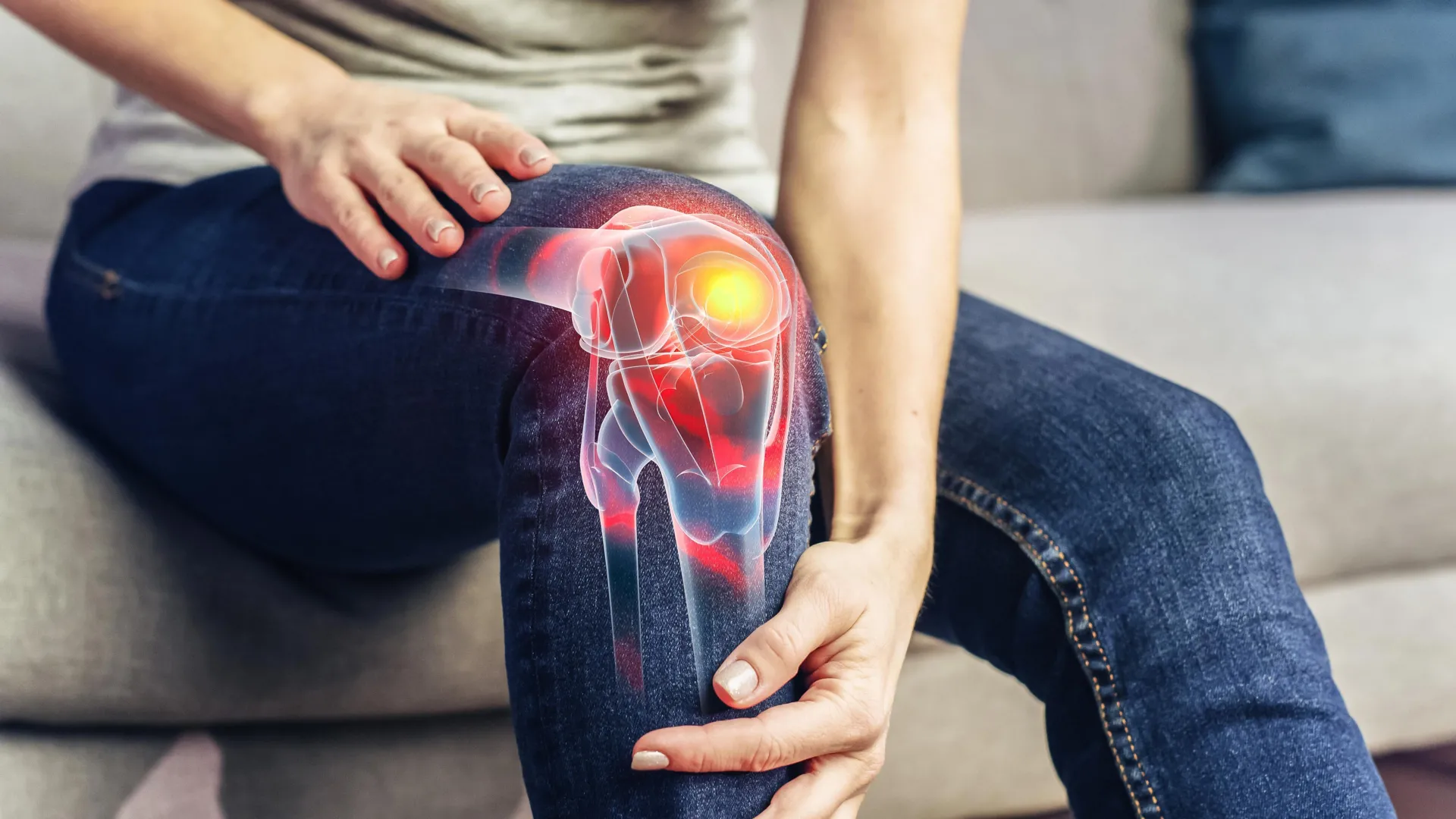
Growing older is a universal human experience, bringing with it a lifetime of memories, wisdom, and, unfortunately, the gradual degradation of our musculoskeletal system. Among the most common complaints of aging are achy, stiff, or swollen joints. For many, this discomfort becomes a self-fulfilling prophecy: as joints begin to hurt, individuals reduce their activity levels to "protect" them. However, contemporary orthopedic science suggests that this sedentary approach may be the very thing accelerating joint decline.
The Main Facts: Why Joints Wear Down
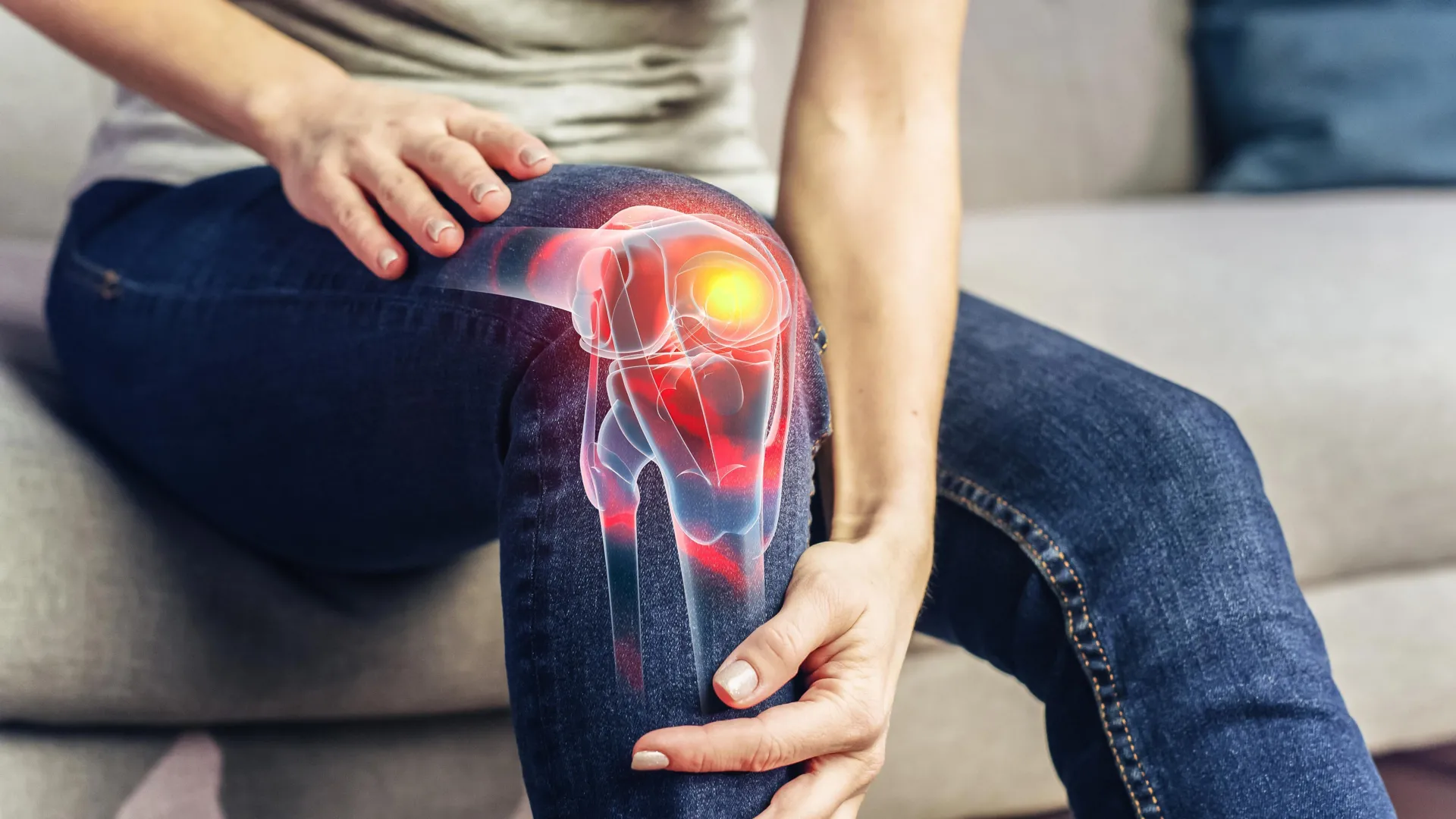
To understand why movement is essential, one must first understand the anatomy of a joint. Our joints are complex structures cushioned by articular cartilage, a specialized, resilient connective tissue that caps the ends of our bones. This tissue provides a low-friction surface that allows for smooth, painless motion. Complementing this is synovial fluid, a viscous lubricant that fills the joint space, reduces friction between cartilage surfaces, and—critically—acts as a delivery system for nutrients.
The central challenge of joint health is that cartilage is avascular; it lacks its own direct blood supply. It relies entirely on the movement of synovial fluid to "wash" nutrients in and waste products out. As we age, the volume and quality of this fluid decrease, and the cartilage itself begins to thin and fray. This process, when it reaches a clinical threshold, is diagnosed as osteoarthritis (OA). Affecting over 500 million people worldwide, OA is the leading cause of chronic pain and disability, particularly in weight-bearing joints like the hips, knees, and spine.
A Chronology of Joint Decline and Recovery
The journey of joint health typically follows a predictable arc, though it can be altered by lifestyle interventions.
- Early Adulthood (20s–30s): Joints are at their peak. Synovial fluid is abundant, and cartilage is highly resilient. However, repetitive high-impact loading without adequate recovery can set the stage for future micro-trauma.
- Middle Age (40s–50s): The first signs of "wear and tear" appear. Proprioception—the body’s innate ability to sense its position in space—begins to decline. If not addressed, the brain struggles to coordinate complex movements, leading to uneven weight distribution across the joints.
- Late Adulthood (60s and beyond): Without intervention, joint degradation accelerates. The reduction in muscle mass (sarcopenia) means that the "shock absorbers" surrounding the joints weaken, placing even more direct pressure on the already thinning cartilage.
- The Reversal Phase: By introducing low-impact, consistent movement, the aging joint enters a recovery cycle. Synovial fluid is recirculated, muscles are strengthened to offload pressure, and proprioceptive pathways are recalibrated, potentially stalling the progression of degenerative symptoms.
Supporting Data: The Science of Movement
The shift in medical consensus—from "rest your joints" to "move your joints"—is backed by rigorous clinical data. A landmark Cochrane review, which aggregated global evidence on exercise and osteoarthritis, concluded that structured exercise provides significant relief from pain and improves functional mobility in patients with knee OA.
Perhaps most striking is the finding that exercise serves as a potent, non-pharmacological alternative to anti-inflammatory medications. While NSAIDs and other analgesics carry risks of gastrointestinal, renal, or cardiovascular side effects, exercise offers a "side effect profile" that includes improved cardiovascular health, better glucose control, and enhanced mental wellbeing.
Furthermore, proprioception research highlights why stability training is vital. As we age, our joints bear weight unevenly if our neural feedback loop is sluggish. A 2026 systematic review on postural control demonstrated that training on unstable surfaces (such as grass or foam pads) significantly improves balance. This is not merely about comfort; it is a matter of life and safety. With falls serving as the leading cause of injury-related death in adults over 65, the balance-training benefits of low-impact exercise are a public health priority.
Official Perspectives: Physiotherapy and Orthopedics
Leading professional bodies, including the American Academy of Orthopaedic Surgeons (AAOS), increasingly emphasize "conservative management" as the first line of defense against joint pain. This involves a shift toward physical therapy, strength training, and lifestyle modifications before considering surgical interventions like total joint arthroplasty.
Physiotherapists and exercise physiologists now advocate for a "Load Management" model. This approach posits that joints require a "Goldilocks" amount of stress: too little causes atrophy and fluid stagnation, while too much causes acute damage. The goal is to identify the optimal "dose" of movement. For instance, while high-impact running might be aggravating for a patient with advanced knee OA, the same patient may thrive with aquatic therapy, where the buoyancy of water supports up to 90% of body weight, allowing for high-repetition movement without the crushing force of gravity.
Implications for Longevity
The implications of these findings are profound. We are no longer looking at aging as an inevitable slide into immobility. Instead, we are viewing joint health as a manageable biological process.
The Role of Muscles as Shock Absorbers
The quadriceps are arguably the most important muscles for knee longevity. When these muscles are strong, they absorb the kinetic energy of every step, preventing that energy from being absorbed by the knee joint itself. Strengthening exercises, such as controlled weightlifting or resistance band training, create a protective muscular envelope around the joint.
The Power of Low-Impact Modalities
- Swimming and Water Aerobics: Ideal for those with significant pain, as water provides resistance for muscle building while eliminating impact forces.
- Tai Chi: Beyond the physical, this practice integrates breathing and deliberate movement, which clinical trials suggest can be as effective as formal physical therapy for knee pain.
- Cycling: A low-impact, repetitive motion that encourages the production and distribution of synovial fluid, keeping the joint lubricated without the impact of foot-to-ground contact.
Practical Implementation: How to Begin Safely
For those who have been sedentary, the prospect of starting an exercise regimen can be daunting. Experts recommend a three-pillar strategy:
- Start with "Functional" Surfaces: Instead of avoiding walking, shift your terrain. Walking on grass, sand, or gravel forces the stabilizing muscles around the ankle, knee, and hip to activate in ways that pavement does not. This is "low-impact training" that yields high-reward stability.
- Prioritize Safety and Support: Never attempt balance training without a safety net. Whether it is a kitchen counter, a sturdy park bench, or a set of trekking poles, having support ensures that you can push your limits without the risk of a fall.
- Consult the Professionals: Every body is unique. A history of injury, specific anatomical alignments, or varying degrees of cartilage loss mean that a "one-size-fits-all" program is insufficient. Consulting with a physiotherapist allows for a customized approach that identifies which movements are beneficial and which—such as deep, uncontrolled lunges—might be detrimental.
The Bottom Line
The aches and pains associated with aging are not a permanent sentence to inactivity. By viewing our joints as dynamic, living systems that require mechanical stimulation to thrive, we can reclaim our mobility. Whether it is a ten-minute walk on a park lawn or a session of tai chi, every movement counts. The science is clear: to keep your joints moving, you must keep moving your joints. The earlier this habit is established, the more years of independent, pain-free living you are likely to enjoy.