For decades, the prevailing narrative of travel has been one of extraction: arrive, consume, document, and depart. Most travelers follow a well-trodden path, checking off iconic landmarks, dining at algorithmically recommended restaurants, and retreating to the familiar social bubbles of hostels or tourist-centric bars. This "passive" mode of exploration allows individuals to witness the world, but rarely to understand it.
However, a shift is occurring in the way we perceive global mobility. As the "digital nomad" trend faces scrutiny for its lack of local integration and high barrier to entry, a more grounded, sustainable, and accessible alternative is rising: the working holiday. By embedding oneself into a local economy, travelers are moving away from the role of the spectator and toward that of a participant.
The Myth of the "Anti-Tourist"
There is a long-standing tradition among long-term travelers to claim they are "not tourists." They move at a slower pace, count their pennies, and avoid the most blatant tourist traps. Yet, fundamentally, their relationship with the destination remains unchanged. They are still passing through, observing from the periphery.
True, transformative travel—the kind that shifts one’s worldview—rarely happens during a weekend city break. It requires duration. It requires the friction of daily life: navigating local transit, understanding regional professional norms, and building relationships that are based on shared experience rather than fleeting encounters. In short, it requires being embedded.
The Evolution of Working Abroad: The Rise of Structured Programs
Historically, the logistical hurdles of moving abroad acted as a gatekeeper for all but the most intrepid. Securing a visa, navigating local employment laws, finding housing, and overcoming language barriers are enough to discourage even the most enthusiastic travelers.
In the past, the "digital nomad" lifestyle was positioned as the pinnacle of this experience. Yet, that model is inherently elitist; it requires a remote-compatible career, a stable income, and a level of professional experience that many younger travelers simply do not possess.
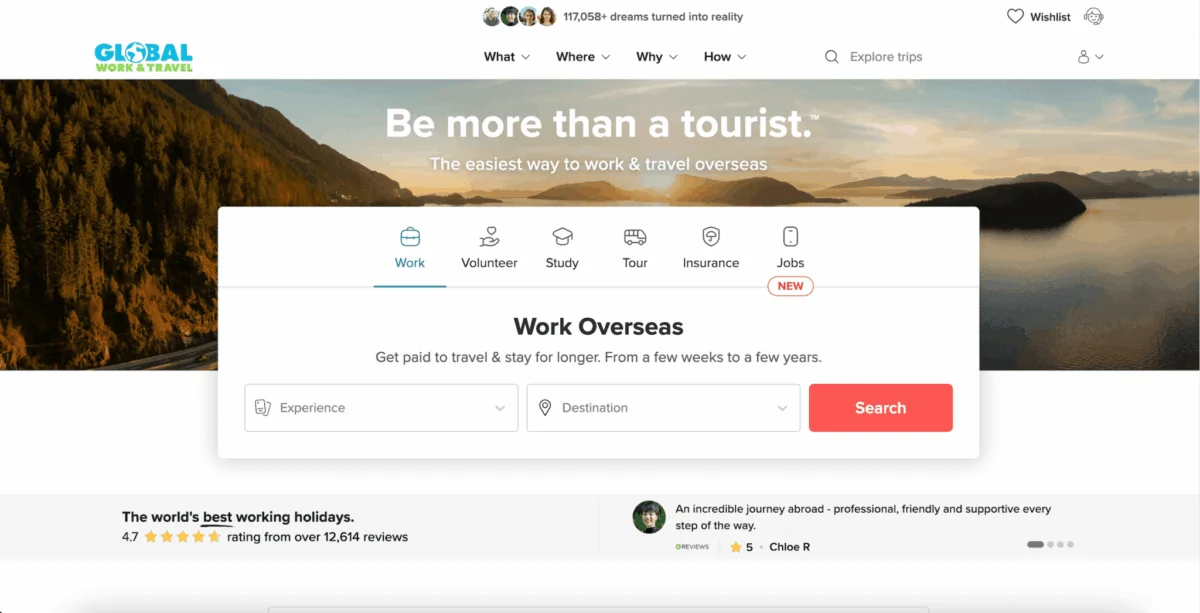
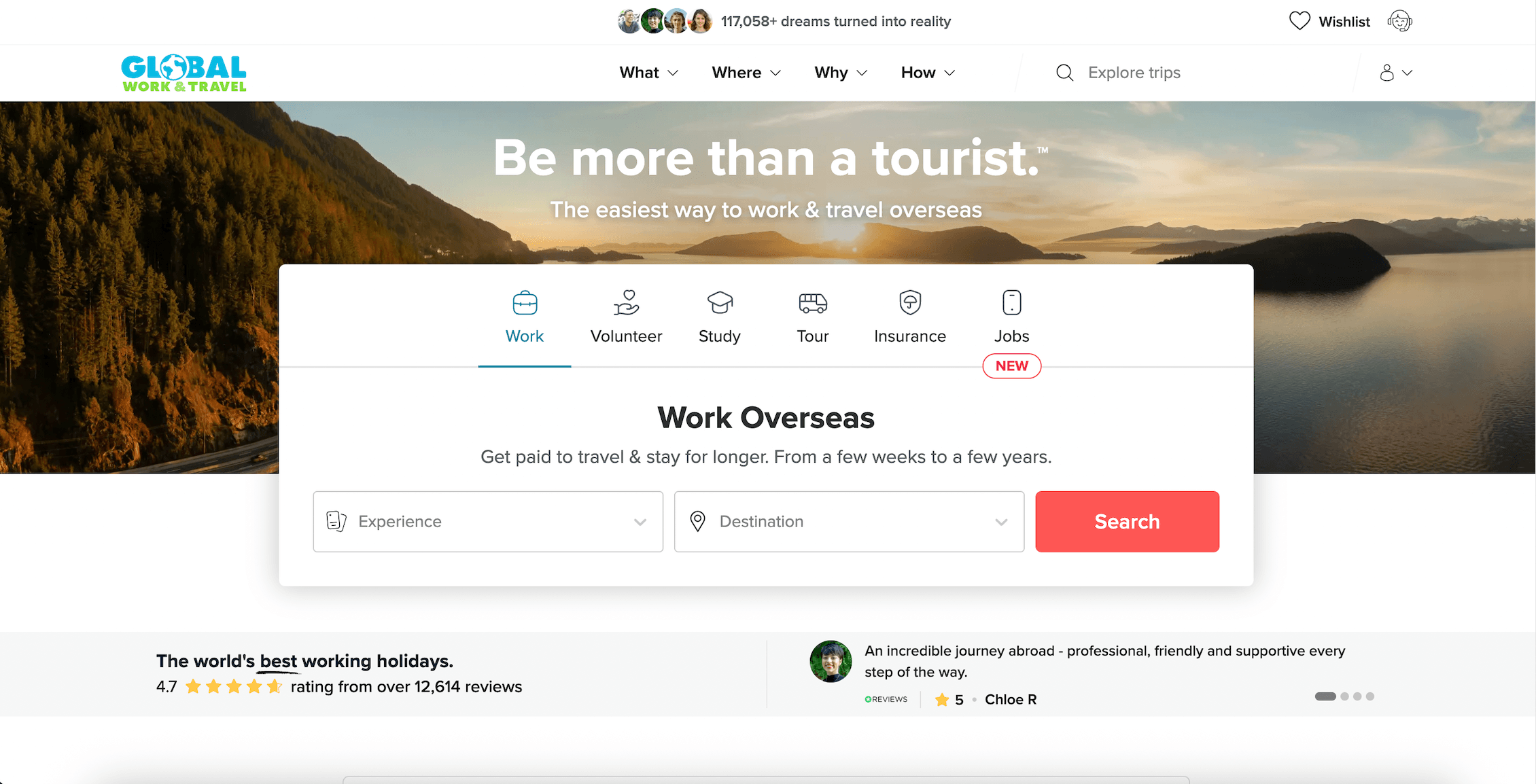
Enter the professionalized working holiday. Companies like Global Work & Travel have spent nearly two decades refining the "scaffolding" required for international immersion. By providing a safety net—handling visa guidance, job placement, and pre-departure support—they have democratized the ability to live abroad.
Key Logistics and Support Mechanisms
The modern approach to working abroad involves:
- Job Matching: Eliminating the grueling process of competing against locals for entry-level positions without local credentials.
- Visa Guidance: Navigating the complex, often bureaucratic, legal requirements for international work permits.
- The gWorld Portal: A centralized digital management tool that keeps participants organized, providing a sense of security in an otherwise chaotic transition.
- Ongoing Assistance: A support structure that mitigates the isolation often felt by solo travelers.
The Working Holiday Maker: A New Paradigm
If the digital nomad is the transient freelancer floating above the local economy, the "working holiday maker" is the integrated resident. By taking a job upon arrival, these travelers enter the local ecosystem, fostering organic relationships with colleagues and neighbors.
This model is inherently more sustainable. Because these travelers are earning in the local currency and contributing to the local workforce, they are less likely to be perceived as "gentrifiers" and more as members of the community. They gain access to the "hidden" side of a destination—the neighborhood cafes that don’t appear in guidebooks, the local holidays, and the nuanced rhythm of daily life.
Furthermore, this path is significantly more accessible. One does not need to be a software developer or a high-level creative to participate. It requires only the willingness to work, the curiosity to learn, and the courage to commit to a longer stay.
The Ethical Dimension: Volunteering with Purpose
The conversation around volunteering abroad is fraught with historical baggage. For years, the industry was plagued by "voluntourism"—profit-driven enterprises that prioritized the traveler’s desire to "feel good" over the actual needs of the host community.
Today, there is a clear distinction between performative volunteering and ethical engagement. The latter is defined by collaboration with local stakeholders to address problems they have identified as priorities. Whether it is wildlife conservation in South Africa, community development in Zanzibar, or elephant rehabilitation in Thailand, the most effective programs are those that integrate the traveler into existing local conservation or social efforts.
Global Work & Travel, for instance, vets its programs to ensure they provide tangible benefits. Their "Global Animal Welfare Fund" represents an attempt to ensure that the impact of a volunteer’s presence is not limited to their own personal growth, but extends to the long-term health of the ecosystem or community they are serving.
Implications for the Modern Traveler
What does this shift signify for the future of global exploration?
1. The Death of the Two-Week Vacation
As people increasingly seek meaning over mere leisure, the traditional two-week "vacation" is being supplemented—and in some cases replaced—by the "extended stay." The goal is no longer to see as much as possible, but to understand as much as possible.
2. Economic and Professional Development
Working abroad provides a competitive edge that a standard vacation cannot match. Navigating a foreign workplace, adapting to different cultural expectations, and managing the challenges of international living are highly transferable skills that are increasingly valued by employers.
3. Sustainability and Community Integration
When travelers spend months in one location rather than moving every few days, their carbon footprint is reduced, and their economic impact is more evenly distributed across local businesses. They are no longer just consumers of landmarks; they are contributors to the local economy.
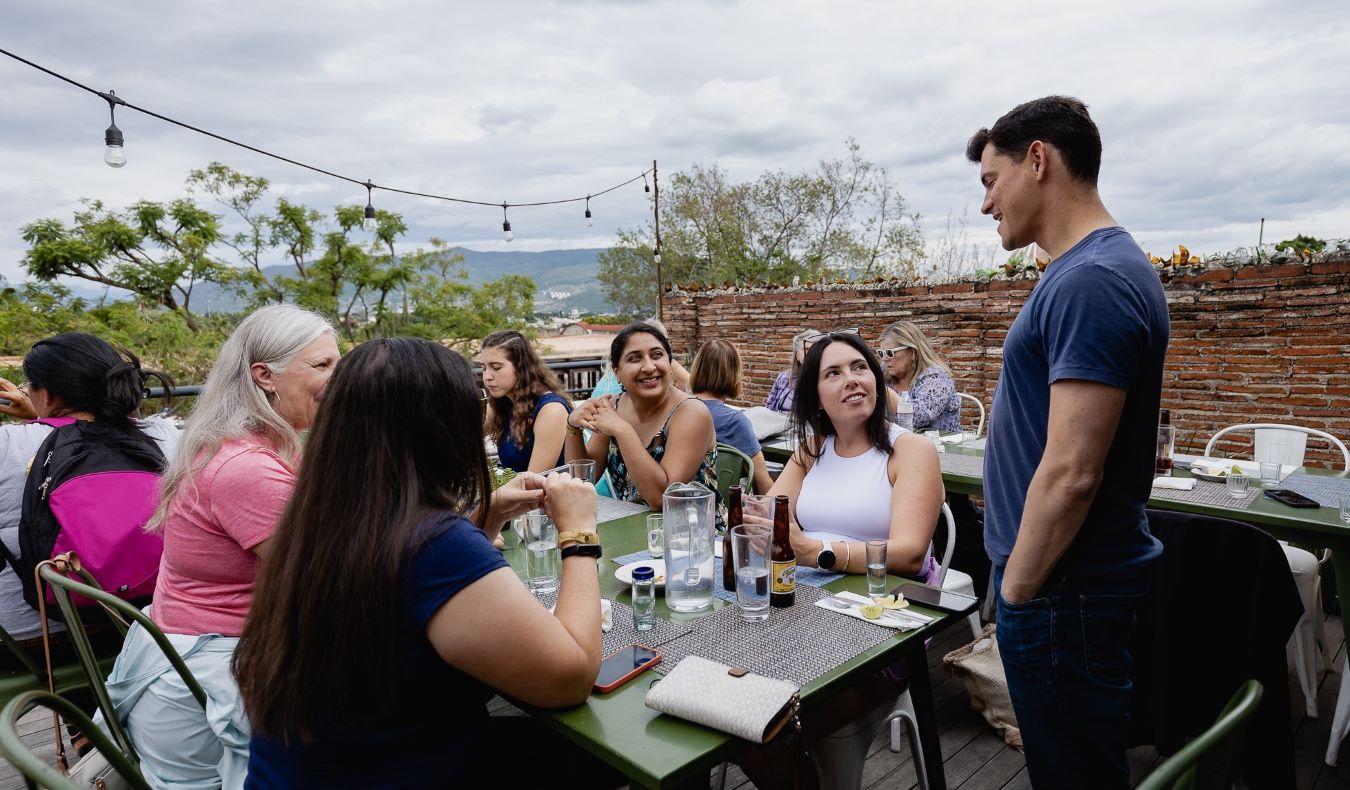
Expert Perspectives: Why Experience Matters
We reached out to industry experts regarding the recent surge in working holiday participation. The consensus is clear: the barrier to entry has never been lower.
"The biggest obstacle to living abroad has always been the fear of the unknown," says a representative from the sector. "By removing the ‘unknown’—the visa application, the job hunt, the housing search—we allow the traveler to focus entirely on the cultural experience. We aren’t just selling a trip; we are providing a career and life-path transition."
For those who are intimidated by the prospect of moving abroad, the "scaffolded" approach offers a bridge. It allows for the thrill of independence while maintaining a safety net that protects against the realities of a globalized, often unforgiving, labor market.
How to Get Started: A Practical Guide
For those looking to transition from tourist to resident, the following steps are recommended:
- Define Your Goal: Are you looking to develop a specific skill, contribute to a social cause, or simply experience a new way of life?
- Assess the Timeline: A working holiday requires a commitment. Most successful applicants spend 6-12 months in the planning phase to ensure they have the proper visas and documentation.
- Choose Your Program: Look for organizations that prioritize transparency, have a long-standing track record (10+ years), and offer 24/7 support.
- Financial Preparation: While working holidays pay, it is essential to have a "cushion" for the initial settling-in period.
Conclusion: The Depth of Doing
The most memorable moments of travel are rarely those captured in a photo. They are the moments of connection: a conversation with a colleague after a long shift, the shared effort of a conservation project, or the simple, profound realization that you have found a rhythm in a foreign land.
Tourism will always exist, but the "tourist" mindset is no longer the only way to engage with the world. By choosing to work, volunteer, and live abroad, we move away from the extractive habits of the past and toward a more meaningful, grounded way of participating in the global community. Whether through a working holiday in Europe or a conservation program in Asia, the opportunity to truly understand a place is finally within reach—not just for the wealthy or the elite, but for anyone with the curiosity to seek it.
For those ready to take the leap, using resources like the Global Work & Travel portal can remove the logistical noise, allowing you to focus on the only thing that truly matters: the experience.