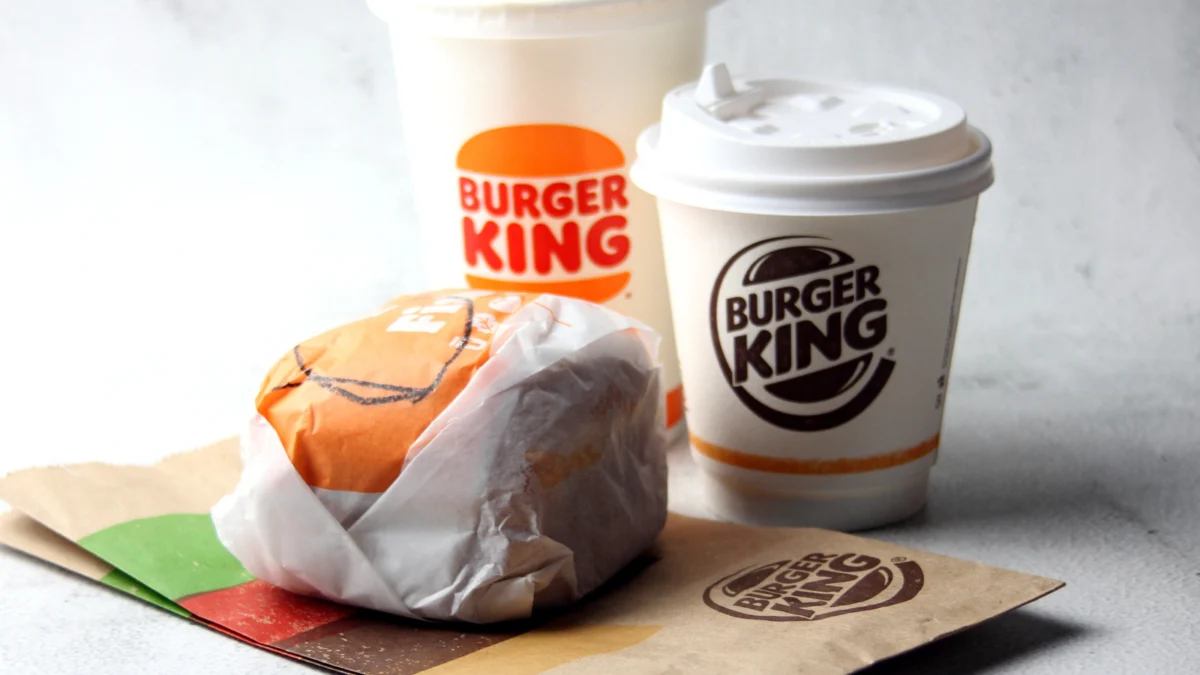
For millions of commuters, the morning ritual is defined by the illuminated menu board of a drive-thru lane. It is a convenience born of necessity, offering a warm, savory start to the day. However, as inflationary pressures continue to weigh on household budgets, the cost of this daily habit has become increasingly difficult to justify. While fast-food giants like Burger King remain industry staples, savvy consumers are increasingly turning to a surprising alternative: the freezer aisle at Aldi.
By offering a frozen breakfast croissant sandwich that mimics the experience of a fast-food staple at a fraction of the cost, Aldi has tapped into a growing demand for "at-home convenience." This shift not only challenges the dominance of major quick-service restaurants (QSRs) but also raises questions about the long-term viability of the $8 breakfast sandwich in a price-conscious economy.
Main Facts: The Price War at the Breakfast Table
The primary catalyst for this trend is pure economics. At many Burger King locations across the United States, a single signature Croissan’wich can retail for as much as $8, depending on the region and the specific protein selection. While the menu offers a vast array of variations—including turkey ham, bacon, sausage, and even mushroom-Swiss combinations—the price point remains a significant barrier for the daily consumer.
In stark contrast, Aldi’s private-label frozen breakfast croissant sandwiches are typically sold in boxes of four, priced around $6. This brings the per-unit cost to approximately $1.50. When comparing the two, the math is undeniable: a consumer could eat an entire week’s worth of breakfast from Aldi for the price of just two or three meals at a traditional drive-thru.
While the Aldi product is primarily available in a standard sausage, egg, and cheese configuration, it has garnered a loyal following. It serves as a direct competitor to the fast-food experience, promising similar textures—a buttery, flaky croissant paired with a savory protein—without the added overhead of labor, real estate, and delivery premiums associated with QSRs.
Chronology: The Rise of the "Dupe" Culture
The phenomenon of the grocery-store "dupe" has evolved rapidly over the last five years.
- Pre-2020: The frozen breakfast market was dominated by legacy brands like Jimmy Dean. While popular, these products were often viewed as secondary to the "fresh" experience of a restaurant-made sandwich.
- 2021–2022: As supply chain disruptions and labor shortages caused menu prices at major fast-food chains to spike, consumers began to experiment with private-label freezer brands as a cost-saving measure.
- 2023: Social media platforms, particularly TikTok and Reddit, began highlighting the surprising quality of store-brand frozen goods. The Aldi "Breakfast Best" line emerged as a specific focus, with users comparing them favorably to McDonald’s McGriddles and Burger King Croissan’wiches.
- 2024: The current climate has cemented these items as more than just a temporary fix; they are now considered a permanent fixture in the meal-planning strategies of budget-conscious families.
Supporting Data: Consumer Sentiment and Preparation Hacks
The shift toward at-home alternatives is not solely driven by price; it is driven by an improvement in the "at-home experience." The stigma of frozen food having a "rubbery" texture is being dismantled by the proliferation of air fryers and improved microwave-thaw techniques.
The Reddit Consensus
Online communities, particularly the r/aldi subreddit, have become the unofficial R&D labs for these products. One recurring sentiment among shoppers is that the quality of the Aldi croissant often exceeds that of the direct competitor, provided the consumer follows specific preparation protocols.
"I don’t know what it is about them… but I think they’re better than every other direct competitor’s equivalent breakfast croissant," one Reddit user noted. "As long as you follow the instructions and eat it right away, they hold their structure remarkably well."
The "Pro-Chef" Preparation Method
To bridge the gap between "frozen" and "fresh," shoppers have shared elaborate preparation techniques that mimic a commercial kitchen:
- The Thaw: Experienced fans suggest placing the sandwich components in the refrigerator overnight to ensure even heating.
- The Air Fryer Revolution: Rather than relying on the microwave, which can make bread soggy, users recommend air frying the components. By placing the croissant, sausage, and hashbrown in the air fryer at a moderate temperature, the exterior gains the crispness usually reserved for restaurant ovens.
- Customization: Many consumers now treat the Aldi sandwich as a base, adding condiments like honey, jelly, or hot sauce to recreate the bespoke experience of a customized drive-thru order.
Official Responses and Market Implications
While Burger King has not issued a formal statement regarding the specific threat of Aldi’s frozen inventory, the quick-service industry is clearly aware of the "value" wars. Most major chains have responded by introducing "value menus" or app-based discounts to lure customers back into the drive-thru. However, the convenience of having a breakfast sandwich waiting in one’s own freezer is a difficult value proposition to beat.
Market analysts suggest that this trend is a symptom of a larger "kitchen-centric" shift. With the cost of dining out rising faster than the general rate of inflation, the "at-home-but-convenient" category is expected to grow. Retailers like Aldi, which rely on limited overhead and highly curated inventory, are perfectly positioned to capitalize on this.
Furthermore, Aldi’s success with the Breakfast Best Griddle Sandwiches—often cited as a superior alternative to the McDonald’s McGriddle—has emboldened the retailer to expand its frozen breakfast offerings. By coupling these sandwiches with other frozen sides, such as Season’s Choice Potato Puffs, Aldi provides a complete, restaurant-style breakfast experience that costs less than the price of a single coffee at many high-end cafes.
Implications: The Future of the Morning Commute
What does this mean for the future of the American breakfast?
For the average consumer, the choice is no longer between "good food" and "cheap food." It is becoming a choice between "paying for convenience" and "creating convenience." The rise of the frozen breakfast sandwich signifies a decline in the reflexive nature of the drive-thru visit. When a consumer can spend $6 for four days of breakfast, the $8-per-sandwich price at a drive-thru begins to look less like a service and more like a luxury.
This poses a significant challenge for QSRs. To maintain their market share, fast-food chains must do more than just provide food; they must provide an experience that cannot be replicated in an air fryer at home. For the time being, however, the balance of power remains with the shopper. By simply walking down the freezer aisle instead of pulling into a lane, the modern consumer is exercising a new level of financial agency.
A New Standard of Value
The "Aldi Effect" serves as a reminder that brand loyalty is often secondary to value. As long as the product meets a minimum threshold of quality—and the Reddit reviews suggest that it does—the consumer is willing to bypass the traditional icons of the fast-food industry.
Whether this is a temporary trend or a permanent shift in eating habits remains to be seen. However, as grocery store technology improves and the cost of living remains a primary concern for households, the humble frozen croissant sandwich is poised to remain a staple of the American morning, one that might just make the drive-thru line a relic of the past.