In the modern cinematic landscape, the act of going to the movies has evolved from a simple pastime into an exercise in logistics, optimization, and, increasingly, high-stakes competition. With the release of Christopher Nolan’s latest epic, The Odyssey, the discourse surrounding projection formats—IMAX 70mm, 35mm, Dolby Vision, and various “Premium Large Format” (PLF) alternatives—has reached a fever pitch.
While the technological marvels of large-format cinema are undeniably impressive, they have birthed a culture of gatekeeping and "Fear of Missing Out" (FOMO) that threatens to alienate the average viewer. For many, the joy of cinema is being eclipsed by the anxiety of whether they are viewing the film in the "correct" way.
The Pursuit of Perfection: A Chronology of the Format Obsession
The current trend of "prestige projection" did not happen overnight. It is the culmination of a decade-long shift in how Hollywood markets its tentpole releases.
- The Early 2010s: Christopher Nolan’s The Dark Knight series began the modern push for IMAX integration, utilizing large-format cameras to offer a visual fidelity that standard digital projection simply could not match.
- The Mid-2010s: Digital projection technology improved significantly, narrowing the gap between standard theater experiences and specialized formats.
- The 2023–2024 "Event" Surge: Following the massive commercial success of Oppenheimer, studios realized that the "format wars" were a viable marketing strategy. By turning cinema-going into a scavenger hunt for specific theater capabilities, studios like Universal and Warner Bros. incentivized repeat viewings.
- July 2026: The release of The Odyssey marks the peak of this trend. With an official website dedicated to explaining the "bewildering range of aspect ratios" and cast members campaigning for their preferred film stocks, the industry has effectively gamified the experience of simply watching a movie.
Understanding the Landscape: Data and Distribution
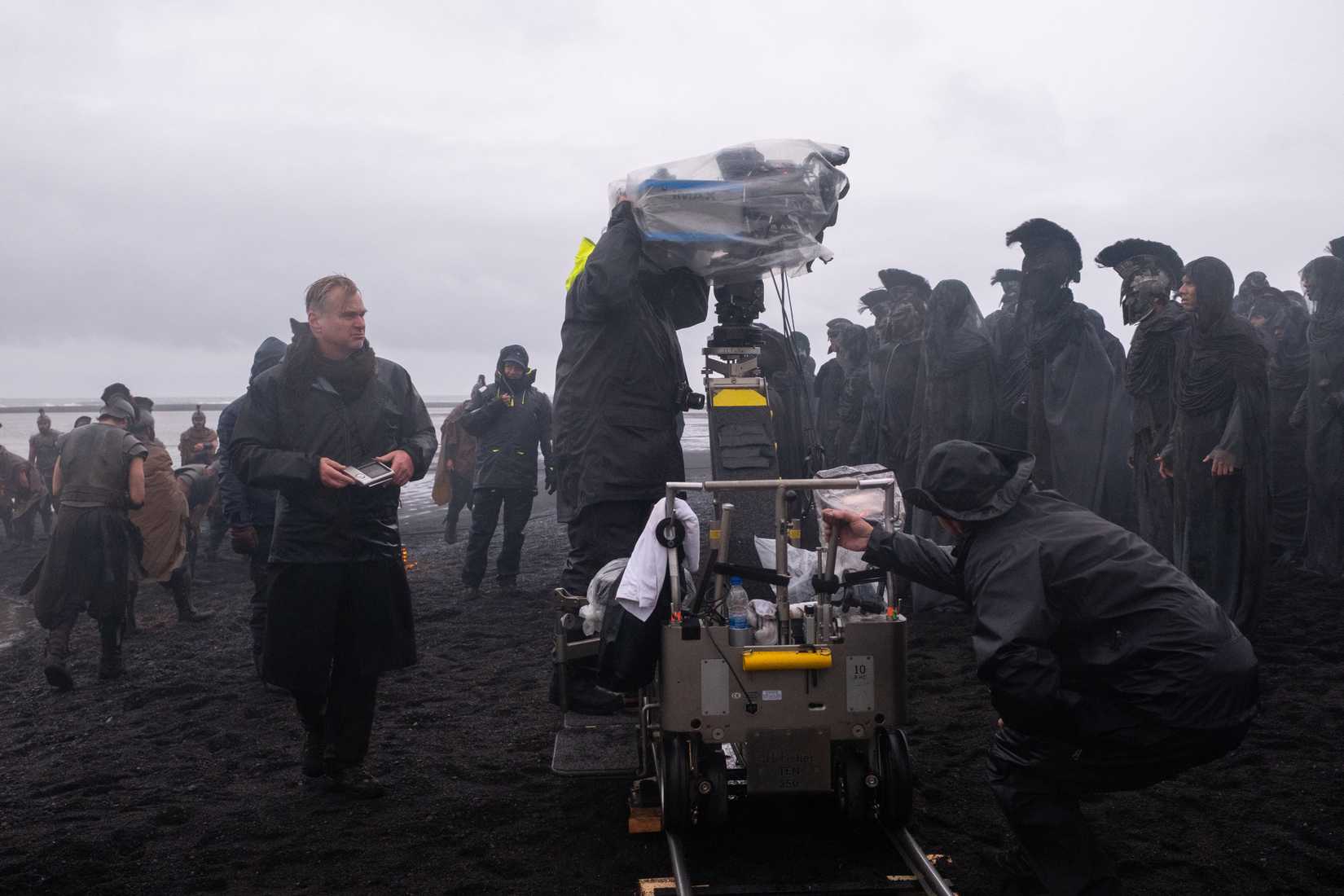
For the uninitiated, the options available for The Odyssey are staggering. The film is being presented in a variety of configurations: IMAX 70mm, standard 70mm, 35mm film, digital IMAX, Dolby Vision, and various proprietary PLF screens.
According to industry data, the scarcity of true IMAX 70mm projectors—often limited to only a few venues in major global metropolitan areas like London, New York, and Los Angeles—has created a supply-demand imbalance. In cities like London, where only two theaters possess the capability to screen the film in its "native" format, tickets for the entire run have sold out months in advance.

This scarcity creates a hierarchy of viewing:
- The Purist Experience: IMAX 70mm (The "intended" format).
- The Enthusiast Experience: 70mm or 35mm film (A nod to tradition).
- The Premium Digital Experience: Dolby or Digital IMAX (High brightness/contrast).
- The "Normie" Experience: Standard digital projection (The baseline).
The irony, as noted by many who have visited local, high-quality digital theaters, is that the baseline experience in 2026 is vastly superior to the standard theater experience of the 1990s. High-definition digital projection and immersive sound systems mean that even a "standard" screening is a technical marvel compared to the celluloid projection of decades past.
Official Stances: The Director’s Intent vs. The Viewer’s Reality
Christopher Nolan has long been a champion of the theatrical experience, arguing that his films are crafted specifically for the expansive canvas of IMAX. His commitment to film stock is not merely a stylistic choice; it is an ideological stand against the degradation of image quality in an increasingly digital world.
However, the industry’s response to this passion has been a double-edged sword. While studios have successfully revitalized interest in cinema, they have also created a marketing ecosystem that implies any format other than the "best" one is a "lesser" experience.
Industry analysts suggest that this strategy is highly effective for the bottom line. By positioning The Odyssey as an event that must be seen in a specific way, studios encourage a "completionist" mindset. Websites like Letterboxd have leaned into this by offering digital "punch cards," allowing users to track how many versions of the film they have viewed. While fun for superfans, it creates a psychological barrier for casual viewers, who may feel that if they cannot secure an IMAX ticket, they are better off waiting for streaming rather than "settling" for a standard theater.

The Implications: Gatekeeping and the Erosion of Democracy
The most concerning implication of the current format wars is the creeping snobbery within film culture. When a movie-going experience is validated only by the technical specifications of the projector, the art form itself becomes secondary to the equipment.
The "Film Bro" Phenomenon
Online communities, colloquially referred to as "film bros," have begun to dominate the discourse. By emphasizing the superiority of one format over another, they create an environment where the average theater-goer feels alienated. A viewer who enjoys a film in a local, comfortable, and accessible theater might be met with disdain from those who insist that the experience was "ruined" by the lack of 70mm projection.
Accessibility and Comfort
The pursuit of "the best" often ignores the realities of the average moviegoer’s life. A three-hour film, such as The Odyssey, requires significant physical comfort. Local, modern multiplexes often offer superior seating, ample legroom, and shorter commutes—factors that arguably contribute more to the enjoyment of a long film than an extra inch of vertical aspect ratio.
By pushing the narrative that only the premium formats matter, the industry is subtly suggesting that the democratic nature of cinema—the idea that it is an art form for everyone—is being replaced by a model of exclusive, high-cost, and high-effort engagement.
Conclusion: Reclaiming the Experience
Large formats are undeniably cool. The grandeur of a massive, crisp, high-resolution image is a testament to the progress of visual technology. However, we must be careful not to let the marketing of these formats spoil the magic of the movies.
The "intended" way to see a film is, ultimately, the way that allows the audience to connect with the story, the performances, and the director’s vision. If that happens in a state-of-the-art IMAX theater, that is wonderful. If it happens in a comfortable, local theater with a friend, that is just as valid.
As we look toward the future of the industry, we should celebrate the diversity of options without creating a hierarchy of value. Cinema should remain a place of wonder and accessibility, not a battleground for technical superiority. Don’t let FOMO or the gatekeeping of self-appointed purists dictate your relationship with the screen. After all, the best seat in the house is the one where you can truly lose yourself in the story.