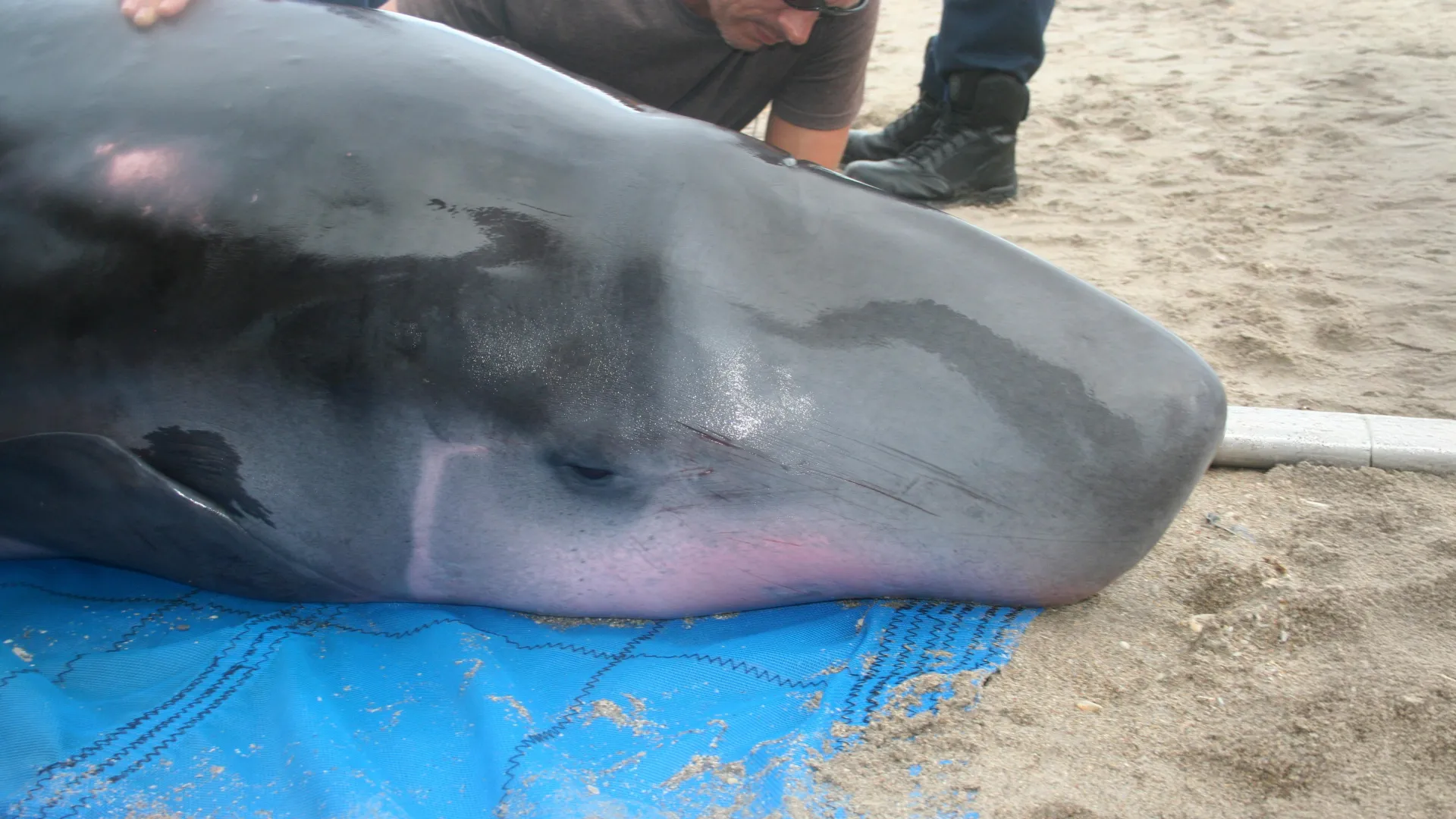
The pygmy sperm whale (Kogia breviceps) is a ghost of the open ocean. A deep-diving, elusive creature that spends its life far from the continental shelf, it is rarely seen by human eyes, and even less understood by science. Because they are quiet, secretive, and avoid the surface, they remain one of the most enigmatic mammals on the planet.
However, a groundbreaking study published in the Journal of Wildlife Diseases has peeled back the veil on these mysterious creatures. By analyzing over two decades of data from stranded whales, researchers at Florida Atlantic University’s (FAU) Harbor Branch Oceanographic Institute have identified three previously unknown genotypes of Helicobacter bacteria. This discovery not only provides a new window into the physiological health of these deep-sea dwellers but also poses critical questions about the invisible threats lurking within our oceans.
A Legacy of Strandings: Decades of Scientific Persistence
Much of the human knowledge regarding Kogia breviceps is born from tragedy. Along the southeastern United States, pygmy sperm whales strand more frequently than almost any other large marine mammal. For decades, the FAU Harbor Branch team has been at the forefront of responding to these events, turning each unfortunate stranding into an opportunity for scientific discovery.
The study, which spanned from 1999 to 2020, involved the response to 59 pygmy sperm whale strandings. Researchers performed post-mortem examinations on approximately 80% of these animals. This rigorous, long-term approach to data collection allowed the team to look beyond the immediate cause of death and delve into the microscopic ecosystems existing within the whales’ gastrointestinal tracts.
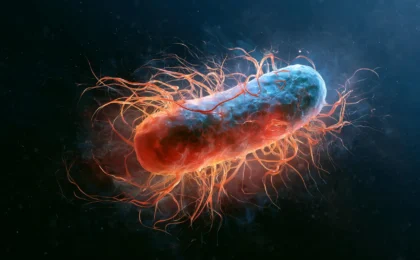
During these examinations, scientists noticed a recurring pattern of medical issues, most notably stomach ulcers. When pathologists observed spiral-shaped, "spirilliform" bacteria within the stomach tissue of four specific whales, the investigation intensified. By employing advanced histopathology, molecular testing, and DNA sequencing, the team confirmed the presence of three distinct Helicobacter genotypes—now officially named Kogia Helicobacter 1, 2, and 3.
The Microbiological Breakthrough: Defining the New Genotypes
The identification of these bacteria represents a significant milestone in marine veterinary medicine. Helicobacter is a genus of bacteria long associated with gastrointestinal distress in humans and terrestrial animals, including chronic gastritis, ulcers, and gastric cancer. Finding these pathogens in a deep-diving whale species was both surprising and revelatory.
"Two of the genotypes, Kogia Helicobacter 1 and 2, are genetically similar to known Helicobacter species previously found in other cetaceans—such as dolphins and porpoises—and in humans," explained Wendy Marks, a research coordinator at the marine wildlife veterinary medicine and research lab at FAU Harbor Branch and the corresponding author of the study.
The third genotype, Kogia Helicobacter 3, however, stands as a biological outlier. According to the research team, this strain belongs to a much more divergent lineage. This discovery suggests that the ocean’s microbial diversity is vastly greater than current scientific models account for. In one notable instance, researchers discovered that a single whale was host to both Kogia Helicobacter 1 and 3 within its forestomach tissue, highlighting the complex, multi-species bacterial colonization occurring inside these mammals.
Clinical Observations: Linking Bacteria to Pathology
The study did not merely identify the presence of these bacteria; it established a clear correlation between the infections and physical damage to the whales’ digestive systems. Each of the four whales that tested positive for the novel Helicobacter strains exhibited visible gastrointestinal pathology.
"All four whales that tested positive for Helicobacter had visible gastric pathology," noted Dr. Annie Page, D.V.M., Ph.D., a senior author and clinical veterinarian at FAU Harbor Branch. "We saw signs of gastritis, gastric ulcers, fibrosis and nematode infestations. In one case, there was also colitis, which suggests that the infection may not be limited to the stomach."
While the researchers were careful to note that Helicobacter was not identified as the primary cause of death in these cases, the consistent presence of tissue scarring, inflammation, and ulcers points to a chronic, debilitating condition. The symptoms observed in these whales—loss of appetite, regurgitation, and general lethargy—closely mirror the clinical presentation of Helicobacter-related illnesses in humans.
This raises a compelling question: Does a persistent bacterial infection weaken a whale’s ability to hunt, navigate, or survive the rigors of the deep, ultimately predisposing them to stranding?
Broader Implications: Ocean Health and Vulnerable Populations
The discovery of these bacterial genotypes carries significant weight for marine conservation. Whales and dolphins serve as "sentinel species"—indicators of the overall health of the marine environment. If chronic Helicobacter infections are widespread among pygmy sperm whales, the impact on individual animal health could scale up to threaten entire populations.
"Whales, like humans, appear to be susceptible to certain microbial infections that we’re only beginning to understand," Marks said. "If chronic Helicobacter infections are causing health issues in these animals, it could have implications not only for individual whale health, but for entire populations—especially for species that are already vulnerable."
Because Kogia breviceps is so difficult to monitor in its natural habitat, the prevalence of these bacteria remains unknown. Are these strains a natural part of the whale’s microbiome that only becomes pathogenic under stress, or are they an emerging threat exacerbated by environmental shifts? The researchers emphasize that further investigation is required to determine the epidemiological scale of these infections and whether they play a role in the high stranding rates observed in the southeastern United States.
A Collaborative Scientific Effort
This research represents the power of interdisciplinary cooperation. The project was a collaborative effort between FAU Harbor Branch, the University of Florida’s College of Veterinary Medicine, Colorado State University, and Marine Mammal Pathology Services. The team of co-authors included specialists in veterinary pathology, molecular biology, and marine ecology, all of whom contributed to the monumental task of analyzing decades of tissue samples.
The project was made possible by the Florida State Specialty License Plate Program through the "Protect Florida Whales" grant, managed by the Harbor Branch Oceanographic Institute Foundation. Such funding highlights the necessity of long-term financial support for stranding response programs. Without the ability to preserve tissue and maintain longitudinal records, the discovery of Kogia Helicobacter 1, 2, and 3 would have been impossible.
"This research underscores the value of long-term marine mammal stranding response programs," Dr. Page concluded. "Without the ability to study these stranded animals over decades, we never would have discovered these bacteria. Every whale tells a story, and sometimes that story leads us into entirely new scientific territory."
Moving Forward: The Future of Marine Pathology
The identification of these new bacterial strains is just the beginning. The FAU team hopes that their findings will encourage other researchers to screen for Helicobacter in stranded whales globally. By standardizing testing protocols and expanding the genetic database for marine cetacean pathogens, the scientific community may one day be able to assess how these microscopic residents influence the survival of the world’s largest mammals.
As the oceans face increasing pressure from climate change, pollution, and human activity, understanding the internal health of marine life is more critical than ever. The "ghosts of the ocean" may be quiet, but thanks to the diligent efforts of the FAU Harbor Branch team, their story is finally being told, reminding us that even in the deepest, most inaccessible corners of the earth, the delicate balance of life and disease remains in constant flux.