For decades, the medical community has recognized the APOE4 gene as the most significant genetic risk factor for Alzheimer’s disease. Carried by roughly one in four people and present in up to 75% of those diagnosed with the condition, APOE4 has long been viewed as a looming shadow over the lives of millions. However, the precise mechanisms by which this gene variant precipitates cognitive decline have remained frustratingly elusive—until now.
In a landmark study published in Nature Aging, researchers at the Gladstone Institutes have identified a critical molecular pathway that explains how APOE4 wreaks havoc on the brain long before a patient experiences their first "senior moment." By mapping this sequence, the team has not only uncovered the "why" behind early-stage cognitive deterioration but has also identified a potential therapeutic target, Nell2, which may be capable of reversing brain damage even after it has begun.
The Silent Architect of Cognitive Decline
The conventional wisdom regarding Alzheimer’s has historically focused on the accumulation of amyloid-beta plaques and tau tangles. While these remain hallmark features of the disease, the new research from Gladstone shifts the focus toward the "pre-clinical" phase—a period where the brain’s electrical architecture begins to warp, yet memory remains intact.
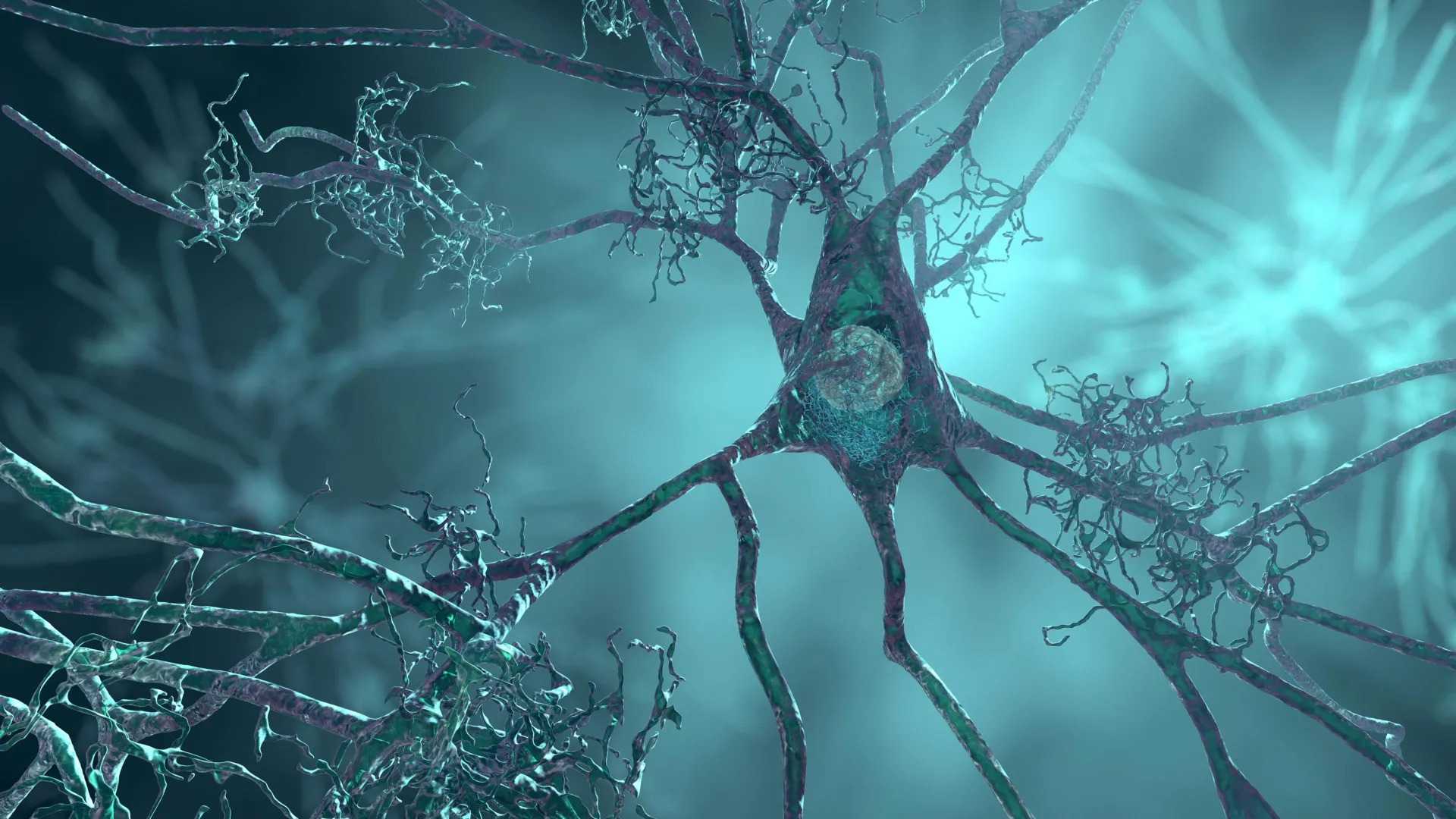
The study reveals that APOE4 does not merely wait for old age to cause damage; it actively alters the physical structure and electrical excitability of neurons during the prime of life. By utilizing mouse models, the team discovered that APOE4 triggers an overproduction of a protein known as Nell2. This protein acts as a catalyst for cellular dysfunction, causing neurons in the hippocampus—the brain’s primary memory hub—to shrink and become dangerously hyperactive.
This hyperactivity is not a neutral side effect; it is a clinical precursor. The researchers found that the intensity of this early-stage neural "misfiring" directly predicted the severity of cognitive impairment the mice would exhibit in their later years.
Chronology of a Breakthrough
The path to this discovery involved a multi-year effort to isolate exactly where and when APOE4 exerts its influence.
Phase I: The Early Warning Signs
In the initial stages of the study, researchers performed detailed electrical recordings of hippocampal neurons in young, asymptomatic mice carrying the APOE4 variant. The findings were stark: these young mice exhibited a level of neuronal excitation typically seen in much older, cognitively impaired subjects. By comparing these results to mice carrying the APOE3 variant—a version of the gene associated with lower Alzheimer’s risk—the team established that APOE4 effectively "accelerates" the aging process of neural circuits.
Phase II: Pinpointing the Source
A major point of contention in neurobiology has been the role of astrocytes, the support cells of the brain that produce most of the body’s APOE. For years, scientists believed that astrocytes were the primary culprits in APOE4-driven decline. The Gladstone team challenged this by using conditional gene deletion techniques. They discovered that deleting APOE4 from astrocytes had no effect on the hyperactive neurons. However, when they deleted the gene specifically from neurons themselves, the cells reverted to their normal size and firing patterns. This confirmed that the threat originates from within the neurons themselves, not the surrounding support cells.
Phase III: The Nell2 Connection
With the source confirmed, the team utilized transcriptomic analysis to search for gene expression patterns that differed between healthy and APOE4-carrying neurons. Nell2 emerged as a clear outlier. Elevated levels of this protein were present in every instance where the "APOE4 signature" of shrinkage and hyperactivity was found.
Phase IV: Reversal and Intervention
The final and most promising stage of the study involved the use of CRISPRi—a gene-silencing technology—to lower Nell2 levels in adult mice that were already exhibiting APOE4-related damage. The results were unprecedented: as Nell2 levels declined, the neurons regained their structural integrity and returned to normal firing behavior. This suggests that the damage caused by APOE4 is not a one-way street, but a reversible state of cellular dysfunction.
Supporting Data: The Quantitative Case
The evidence provided by the Gladstone team rests on three primary pillars of data:
- Predictive Correlation: The researchers established a direct mathematical correlation between the degree of hippocampal hyperactivity in youth and the subsequent performance on spatial learning and memory tests in old age.
- Morphological Alteration: Measurements confirmed that APOE4-bearing neurons are structurally smaller than their APOE3 counterparts. This reduction in size lowers the threshold for neuronal stimulation, creating a "hair-trigger" effect that leads to chronic, excessive firing.
- Protein Expression Levels: Through longitudinal analysis, the team observed that while APOE3-carrying neurons eventually become more excitable due to natural aging, this process occurs significantly later in life compared to the premature, APOE4-driven escalation.
Official Responses and Expert Perspective
The significance of these findings has sent ripples through the Alzheimer’s research community.
"To the best of our knowledge, this is the first study that has directly examined what APOE4 does to the function of neurons at different ages," explains Misha Zilberter, PhD, principal staff research scientist at Gladstone and a senior author of the study. "We found fundamental changes in brain circuits occurring in young mice that still had normal learning and memory, and importantly, those changes predicted the development of cognitive deficits at older ages."
Dr. Yadong Huang, associate director of the Gladstone Institute of Neurological Disease and a senior author, views this as a potential turning point for drug development. "This study is a big breakthrough for the field of Alzheimer’s research," Dr. Huang stated. "It opens the door to a better understanding of how APOE4 alters the function of neurons at a young age to increase risk of cognitive decline, and to the development of therapies that could block the detrimental effects of APOE4 early on."
The team emphasizes that while the findings are based on mouse models, the parallels between the observed hippocampal hyperactivity in these mice and the known brain activity patterns in human APOE4 carriers provide a strong rationale for human clinical trials.
Implications for the Future of Alzheimer’s Therapy
The identification of Nell2 as a drug target offers a new, tangible goal for the pharmaceutical industry. Currently, most Alzheimer’s treatments focus on the clearance of amyloid-beta plaques, which have shown mixed results in clinical efficacy. By targeting the underlying neural excitability mediated by Nell2, future drugs could theoretically address the disease at the level of cellular function before permanent neurological damage occurs.
A Window for Intervention
Perhaps the most optimistic takeaway from this research is the notion of a "therapeutic window." Because the researchers were able to restore neuronal health in adult mice, the findings imply that Alzheimer’s may not be a strictly progressive, irreversible condition, provided the underlying molecular drivers can be neutralized.
Shifting the Paradigm
This research effectively shifts the focus of Alzheimer’s prevention from "plaque management" to "circuit stabilization." If clinicians can eventually monitor Nell2 levels or identify biomarkers associated with this specific hyperactivity, they may be able to identify "at-risk" patients decades before symptoms appear. This would represent a fundamental transition in medicine: from treating the aftermath of neurodegeneration to preventing it at the molecular source.
As the scientific community digests these findings, the path forward involves rigorous testing of Nell2-inhibitors in more complex models and eventually human trials. While a cure is not yet on the shelf, the Gladstone study has provided the most detailed map to date of the "APOE4 landscape," turning what was once a vague genetic shadow into a clear, actionable target for the next generation of Alzheimer’s medicine.
The research described was supported by grants from the National Institute on Aging (R01AG061150, R01AG087323, R01AG092390, R01AG085468, R01AG055682, R01AG071697, P01AG073082, F32AG0859612), the National Institute of Neurological Disorders and Stroke (K99NS134734), and the National Center for Research Resources (C06 RR018928).