Executive Summary: A Catastrophe Unfolding
Afghanistan is currently teetering on the edge of a humanitarian catastrophe of staggering proportions. A recent report from Human Rights Watch (HRW) has sounded the alarm on the country’s deteriorating economic landscape, where millions of citizens face the harrowing reality of severe hunger. This crisis is not merely a byproduct of natural misfortune; it is the culmination of a decade-long economic decline, the evaporation of international aid, and the implementation of restrictive, gender-based policies by the Taliban administration that have effectively severed the lifeline for the country’s most vulnerable populations.
As of mid-2026, the data provided by the United Nations Office for the Coordination of Humanitarian Affairs (OCHA) suggests that nearly half of the Afghan population—approximately 46 percent—is in dire need of emergency assistance. With over 17 million people projected to experience acute food insecurity, the international community is facing a moral and logistical crisis that threatens to destabilize the region further.
The Chronology of Decline: From Transition to Near-Collapse
The current state of Afghanistan is the result of a downward trajectory that began with the withdrawal of international forces and the subsequent collapse of the previous government in August 2021.
- 2021-2022 (The Initial Shock): The sudden cessation of direct development aid, which had previously accounted for nearly 75 percent of the Afghan government’s public spending, triggered an immediate economic contraction. The freezing of Afghan central bank assets abroad further crippled the banking system.
- 2023 (The Widening Gap): As the world’s attention shifted toward other geopolitical theaters, aid funding began to stagnate. Climate-induced droughts and flash floods exacerbated the precarious food supply, while the Taliban intensified their prohibitions on women’s participation in public life.
- 2024-2025 (The Erosion of Resilience): Household purchasing power plummeted as hyper-inflation and high unemployment became the status quo. By the end of 2025, humanitarian organizations reported that their funding-to-need ratio had begun to diverge dangerously.
- 2026 (The Current Crisis): April 2026 marked a grim milestone: only 20 percent of Afghan households reported having access to an adequate food supply without external intervention. The funding gap for the 2026 Humanitarian Needs and Response Plan reached a record high, signaling a systemic failure to address the basic caloric needs of a nation.
Supporting Data: The Quantitative Reality of Hunger
The scale of the crisis is best understood through the stark, unforgiving statistics provided by international aid monitors.
The Funding Gap
The financial shortfall is the most immediate driver of the crisis. To meet the basic needs of the population in 2026, the humanitarian sector required US$1.71 billion. As of the end of May, however, only US$269 million had been secured. This leaves a staggering deficit of US$1.44 billion—a $110 million increase in the funding gap compared to the same period in 2025.
Household Food Security
The decline in domestic food security is absolute. With nearly 17 million people categorized as food insecure, the reliance on foreign humanitarian aid has shifted from a supplement to a necessity for survival. However, as donor countries—notably the United States, which once provided 40 percent of total humanitarian aid to the region, as well as the United Kingdom—have pulled back funding, the capacity of NGOs to provide rations has been slashed.
The Migration Factor
The crisis is compounded by a massive, forced migration event. Since late 2023, approximately 6 million Afghans have returned to their country, largely due to deportations from neighboring Iran and Pakistan. These returnees arrive with no assets, no employment, and no social safety net, placing an immense burden on an already overstretched internal economy.
Official Responses and Obstacles: The Taliban’s Gender Policies
A primary obstacle to the delivery of aid is the Taliban’s internal governance structure, which places severe limitations on the female workforce.
The Mahram Rules and Gender Segregation
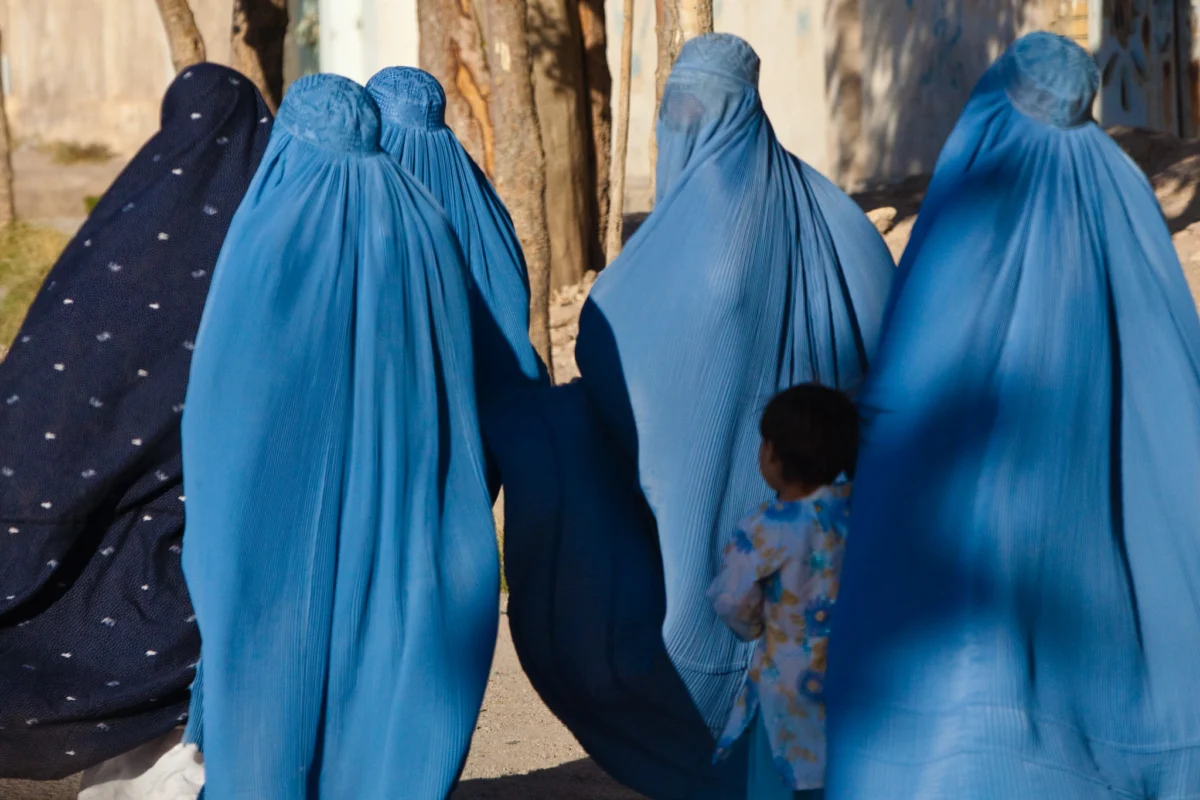
The Taliban’s insistence on "mahram" rules (the requirement for women to be accompanied by a male guardian) has effectively paralyzed the aid sector’s ability to reach women and children. Because male aid workers are often prohibited from interacting with female beneficiaries, and because female aid workers face extreme restrictions on their mobility and employment within UN and NGO structures, the "last mile" of aid delivery has been broken.
The Impact on Women-Led Households
Women-led households are statistically the most vulnerable in Afghanistan. In a patriarchal society where social stigmas prevent women from accessing markets or employment, the absence of female aid workers means that female-headed families often fall through the cracks of the humanitarian net. Humanitarian groups have argued that without the ability to employ local women to conduct assessments and distribute resources, the effectiveness of aid is diminished by as much as 50 percent in some regions.
Implications for the Future: A Nation at a Crossroads
The implications of this ongoing crisis are far-reaching, extending well beyond the borders of Afghanistan.
1. The Regional Stability Risk
The inability of the Afghan state to provide for its citizens, coupled with the mass influx of returnees, poses a significant threat to regional stability. Continued economic misery is a known driver of radicalization, migration, and illicit economies, such as opium production and trafficking. Neighboring nations, already struggling with their own economic pressures, are likely to face further domestic instability if the Afghan crisis remains unaddressed.
2. The Erosion of Humanitarian Principles
The international community faces a dilemma: how to provide aid in an environment where the governing authorities actively hinder the inclusion of women. If the world abandons Afghanistan, millions will perish. If the world provides aid without conditions, it risks implicitly validating policies that strip women of their fundamental rights. This tension has left donor governments hesitant, causing the very funding shortfall that is currently killing the vulnerable.
3. The Long-Term Developmental Cost
Beyond the immediate threat of starvation, the long-term impact on the Afghan population—specifically the youth—is catastrophic. Malnutrition in children has lifelong consequences on cognitive development and physical health. By failing to meet the basic needs of the population, the international community is effectively presiding over the "lost generation" of Afghanistan.
Conclusion: A Call for Urgent Intervention
Aid agencies, including OCHA and Human Rights Watch, have issued a unified, desperate warning: "Without immediate support, millions risk being left without assistance."
The path forward requires a two-pronged approach. First, donor governments must urgently bridge the $1.44 billion funding gap. Second, there must be a sustained, coordinated diplomatic effort to press the Taliban to roll back gender-based restrictions. Without a change in policy, the humanitarian sector will be forced to continue "triage" operations—effectively choosing which portions of the population will be allowed to starve. The clock is ticking, and the lives of millions depend on the world’s willingness to prioritize humanitarian necessity over political impasse.
The people of Afghanistan, already battered by decades of conflict, are now victims of a man-made famine. The time for passive observation has passed; the time for direct, principled, and adequately funded intervention is now.