Introduction: A Fragile Democracy Under Strain
The Democratic Republic of the Congo (DRC) is currently navigating a period of profound political volatility. On Thursday, Human Rights Watch (HRW) released a scathing report detailing the systematic use of excessive force by Congolese security services against citizens protesting a contentious constitutional reform. The proposed changes, which have sparked widespread outcry, are viewed by critics as a strategic maneuver to extend the presidential term of Félix Tshisekedi.
As the nation grapples with deep-seated instability, the events in Kinshasa underscore a narrowing democratic space. The crackdown on the "Article 64 Coalition" (C64)—a collective of opposition figures—has ignited fresh debates regarding state accountability, the weaponization of political youth wings, and the fundamental right to peaceful assembly.
The Chronology of the Crackdown
The recent violence is the culmination of weeks of mounting friction between the Tshisekedi administration and the political opposition.
June 16: The Legislative Trigger
The legislative catalyst for the unrest was the Congolese Senate’s adoption of a constitutional reform bill on June 16. The bill, which has not yet been fully enacted, contains provisions that could facilitate an extension of the incumbent president’s tenure. Opposition leaders immediately characterized the move as an "institutional coup," leading to a series of planned demonstrations throughout Kinshasa.
The Standoff at Parliament
In the lead-up to the protests, the C64 coalition formally applied for permission to hold a sit-in directly in front of the national parliament building. Citing public order concerns, the governor of Kinshasa denied the request, instead proposing an alternative, less high-profile site. The opposition, asserting their constitutional right to protest in a location of symbolic significance, rejected the governor’s offer and proceeded with their original plans.
The Day of the Protest
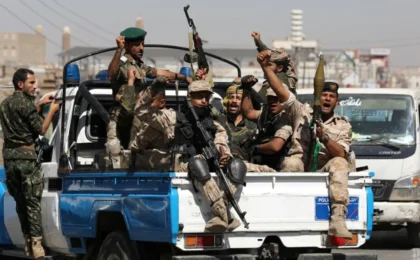
When demonstrators arrived at the parliamentary precinct, they were met by a heavy security presence. According to HRW, security forces—acting in coordination with groups affiliated with the ruling Union for Democracy and Social Progress (UDPS)—deployed batons and tear gas to disperse the crowd. The resulting chaos left more than a dozen demonstrators injured, including several high-profile opposition politicians, and led to a series of arbitrary arrests.
Supporting Data: The Anatomy of the Abuse
The HRW report provides a disturbing glimpse into the methods employed by state and para-state actors. Central to these findings is the role of the "Force of Progress," a militant wing associated with the ruling UDPS party.
Evidence of Coordination
Witness testimonies collected by HRW suggest that the violence was not merely a spontaneous reaction by overzealous police officers. Instead, members of the Force of Progress admitted that they had been mobilized by ruling party officials with the express mandate to prevent the sit-in at all costs. This collaboration between state security and partisan vigilante groups represents a dangerous blurring of the lines between legitimate law enforcement and political violence.
Violations of International Standards
The conduct of the security forces stands in direct violation of the UN Basic Principles on the Use of Force and Firearms by Law Enforcement Officials. These principles dictate that:
- Proportionality: Security forces must exhaust all non-violent means before resorting to force.
- Restraint: In cases of non-violent, albeit unlawful, assemblies, the use of force must be strictly restricted to the minimum extent necessary.
HRW documentation confirms that the use of tear gas and physical beatings against peaceful demonstrators failed to meet these thresholds, suggesting a punitive, rather than a protective, intent behind the dispersal.
Official Responses and the Quest for Accountability
The fallout from the June crackdown has forced the government into a defensive position, with various state institutions scrambling to distance themselves from the violence.
Government Condemnation
In the immediate aftermath of the protests, the Congolese government issued a formal condemnation of the violence. The Prosecutor General’s Office has announced the commencement of a formal investigation into the incidents. While this move has been welcomed by rights groups, the efficacy and independence of such an investigation remain under intense scrutiny.
The UDPS Defense
The ruling party, the UDPS, has sought to insulate its leadership from the fallout by filing its own legal complaint. The party’s Secretary General has explicitly denied authorizing the use of force, labeling those involved as a "fake entity" or impostors attempting to tarnish the party’s reputation. This "deniability strategy" highlights the fragmented nature of political control in Kinshasa, where unofficial militias often act with impunity in the name of political patrons.
HRW’s Stance
Human Rights Watch has expressed cautious optimism regarding the government’s promise of an investigation. However, they emphasize that for justice to be served, the inquiry must be transparent, impartial, and free from political interference. The organization stressed that accountability must reach beyond low-level security personnel to include those who provided the orders for the mobilization.
Broader Implications for the DRC
The current crisis cannot be viewed in isolation. It is a symptom of a larger, systemic malaise affecting the Democratic Republic of the Congo.
Deepening Political Polarization
The tension surrounding the constitutional reform has effectively paralyzed the dialogue between the government and the opposition. By restricting the avenues for peaceful dissent, the state is inadvertently pushing the opposition toward more radical or extra-parliamentary strategies, which could lead to further instability as the country approaches future electoral cycles.
The Shadow of Eastern Conflict
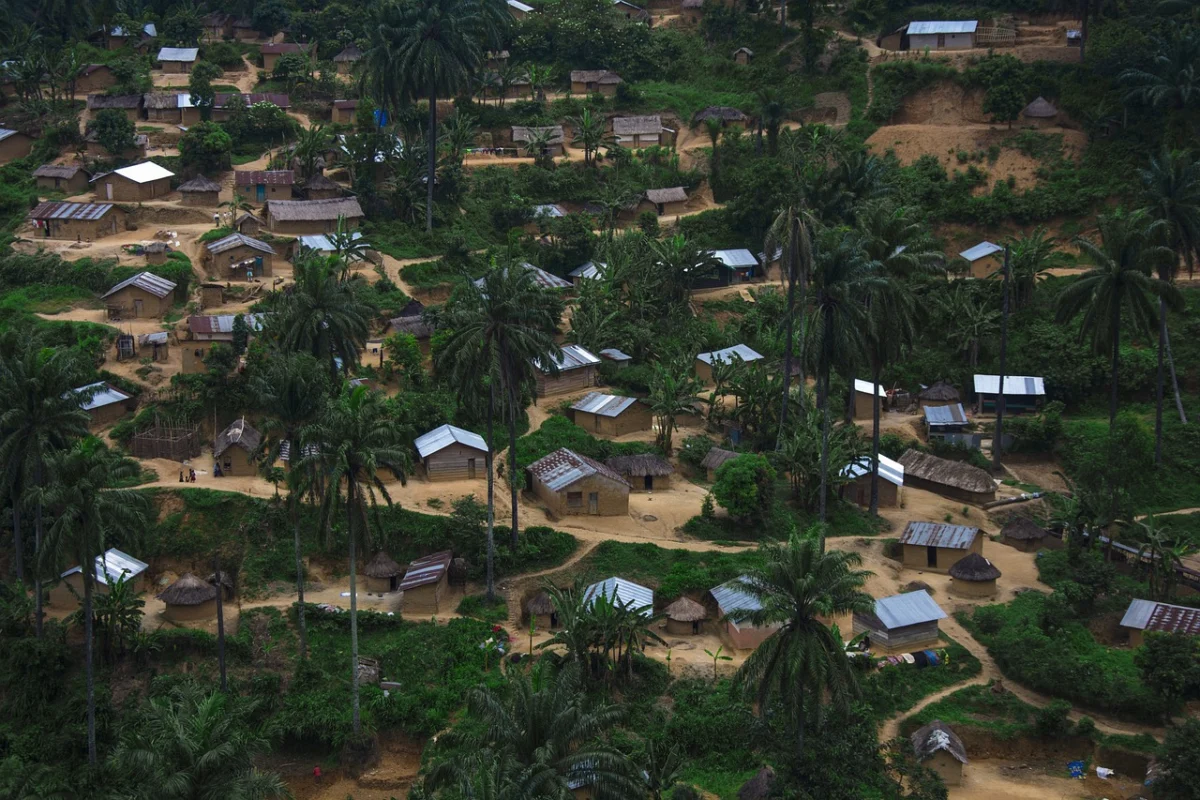
The situation in Kinshasa is exacerbated by the ongoing and brutal conflict in the eastern DRC. While the capital focuses on constitutional debates, large swaths of the country remain under the thumb of armed groups. The UN has repeatedly warned of war crimes and crimes against humanity in the east, and the government’s preoccupation with maintaining power in the capital may be distracting from the urgent need to address the humanitarian catastrophe plaguing the eastern provinces.
Democratic Backsliding
The constitutional reform, combined with the violent suppression of protests, fits a troubling pattern of "democratic backsliding" seen across several nations in the Great Lakes region. When constitutional mechanisms are modified to favor the incumbent, and when the state uses its monopoly on violence to suppress opposition, the legitimacy of the entire democratic process is compromised.
Conclusion: A Turning Point
The events in Kinshasa represent a critical juncture for the administration of President Tshisekedi. The international community is watching closely, with organizations like HRW setting a clear expectation: the government must either uphold the fundamental rights of its citizens—including the right to assemble and express political grievances—or risk further isolation and domestic unrest.
For the people of the DRC, the struggle for constitutional integrity is not just a legal battle; it is a fight for the future of their republic. As the investigation into the recent violence unfolds, the primary question remains whether the Congolese state can prove it is an institution governed by the rule of law, or if it will continue to rely on the heavy hand of security forces to silence the voices of those who demand change.
True stability in the DRC will not be found in the extension of a presidential term, but in the restoration of trust between the state and its citizens. Until that trust is rebuilt, the specter of political violence will continue to haunt the halls of power, threatening to undo the fragile progress made toward peace and democratic consolidation.