For the modern digital nomad, the romanticized vision of working from a beachside hammock has long been replaced by a more pragmatic reality: the grueling hunt for a stable Wi-Fi connection, the discomfort of cramped hostel seating, and the isolation that often accompanies a life on the move. As the global workforce continues to embrace location independence in the post-pandemic era, the infrastructure supporting these travelers is undergoing a radical transformation.
Leading this charge is Outsite, a global network of coliving and coworking spaces designed to bridge the gap between professional productivity and the social benefits of travel. By offering a hybrid model that functions like a boutique hotel fused with a high-end office, Outsite is addressing the "nomad’s dilemma"—the struggle to balance career output with the desire for authentic exploration.
The Core Concept: What is Outsite?
Founded in 2015, Outsite began with a singular, focused vision: providing a sanctuary for surfers and entrepreneurs in Santa Cruz, California, who needed a space to balance their passion for the outdoors with the demands of their careers. Over the last decade, the platform has scaled significantly, now boasting over 5,000 members and a network of 50 properties spanning diverse landscapes—from the rugged mountains of the Alps to the bustling streets of Bordeaux and the tranquil shores of Costa Rica.
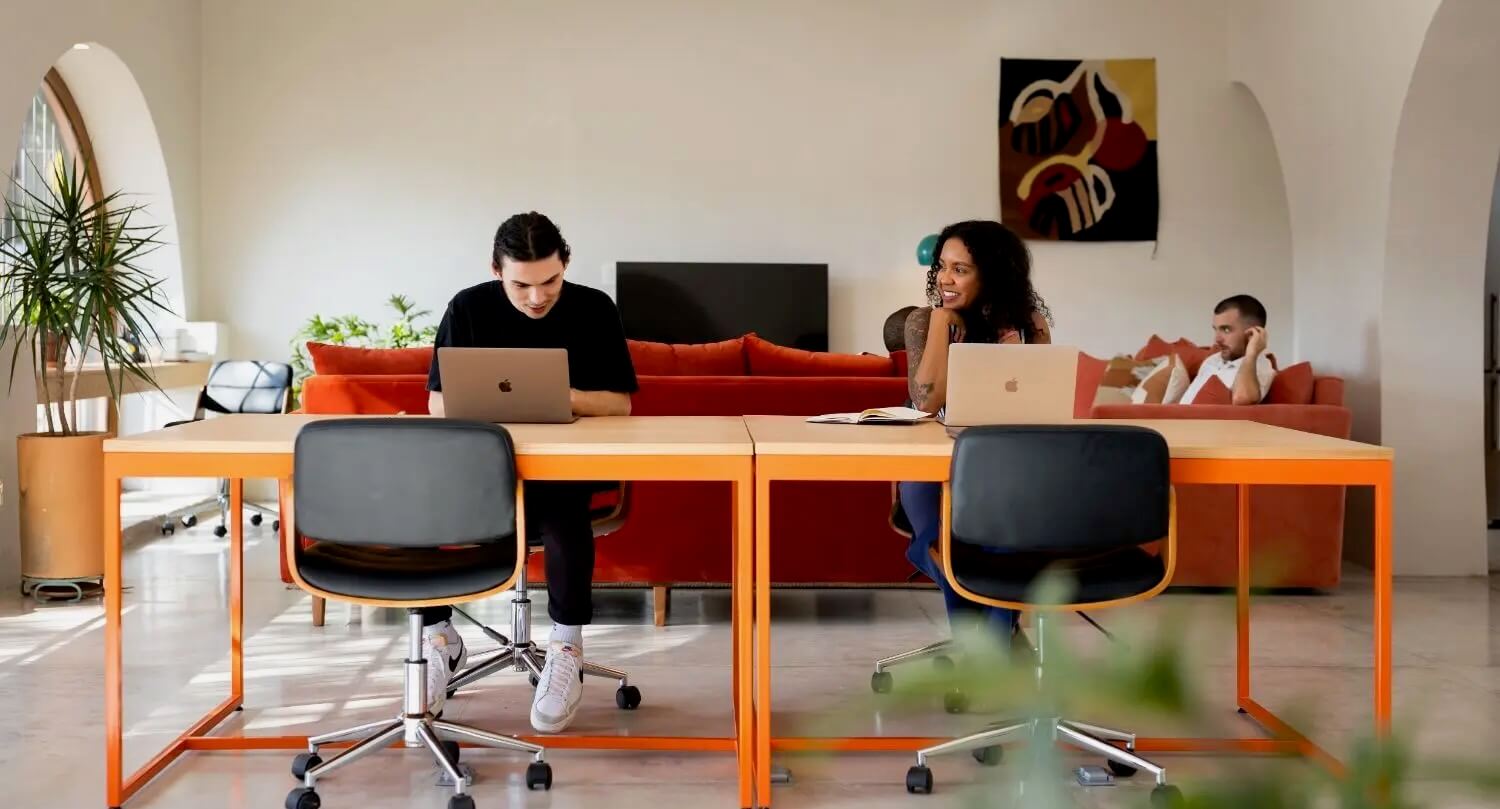
At its core, Outsite is a professional-grade hospitality service. It offers a curated environment where individuals can secure private, aesthetically designed rooms within a communal, residential setting. Unlike a standard hotel, however, these locations are built with the remote worker’s workflow in mind. Every property includes a dedicated, enterprise-grade coworking space equipped with ergonomic furniture, high-speed fiber-optic internet, and secondary monitors, ensuring that residents can transition from "traveler" to "deep-focus professional" in minutes.
A Chronology of the Coliving Movement
The rise of coliving is not an isolated trend; it is a direct response to the evolution of global labor markets.
- Pre-2015: The digital nomad era was characterized by a "DIY" approach. Remote workers relied on fragmented solutions: private Airbnbs with unpredictable internet or hostels that prioritized social atmosphere over professional utility.
- 2015–2019: The inception of Outsite marked a pivot toward intentional design. By recognizing that nomadic professionals required more than just a bed—they needed a "plug-and-play" infrastructure—the company began standardizing the nomadic experience.
- 2020–2022: The COVID-19 pandemic acted as an accelerant for the remote work revolution. As companies moved to distributed teams, the demand for short-to-medium-term, work-ready housing skyrocketed, moving coliving from a niche subculture to a mainstream travel category.
- 2023–Present: The market has entered a phase of professionalization. Platforms like Outsite now integrate community management, member-only perks, and lifestyle programming, treating the digital nomad as a distinct demographic with specific, high-value needs.
Supporting Data: The Economics of the Nomad Life
A common critique of coliving spaces is the price point. When compared to the $15-a-night hostel dorms of Southeast Asia, Outsite’s rates appear significantly higher. However, industry analysts suggest that this is a "false comparison" based on value extraction.
When a remote worker rents a standard apartment via a site like Airbnb, they must account for:
- Base Rent: Often higher for short-term stays.
- Coworking Membership: Many cities charge $200–$400 per month for a reliable, professional desk space.
- Community Costs: The hidden expense of social isolation and the time investment required to "find your people" in a new city.
Outsite bundles these costs. By offering a membership model ($199/year or $499/lifetime), guests gain access to preferred rates, flash sales, and a pre-vetted network of peers. For the professional, the "hidden ROI" lies in productivity; the time saved searching for a suitable coffee shop or troubleshooting unreliable Wi-Fi in a private rental often covers the premium cost of a coliving membership.
Official Perspective and User Experience
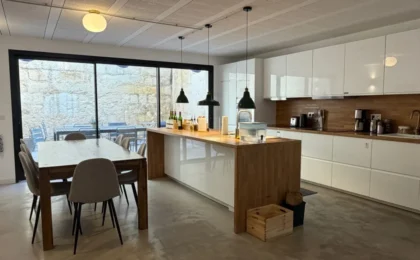
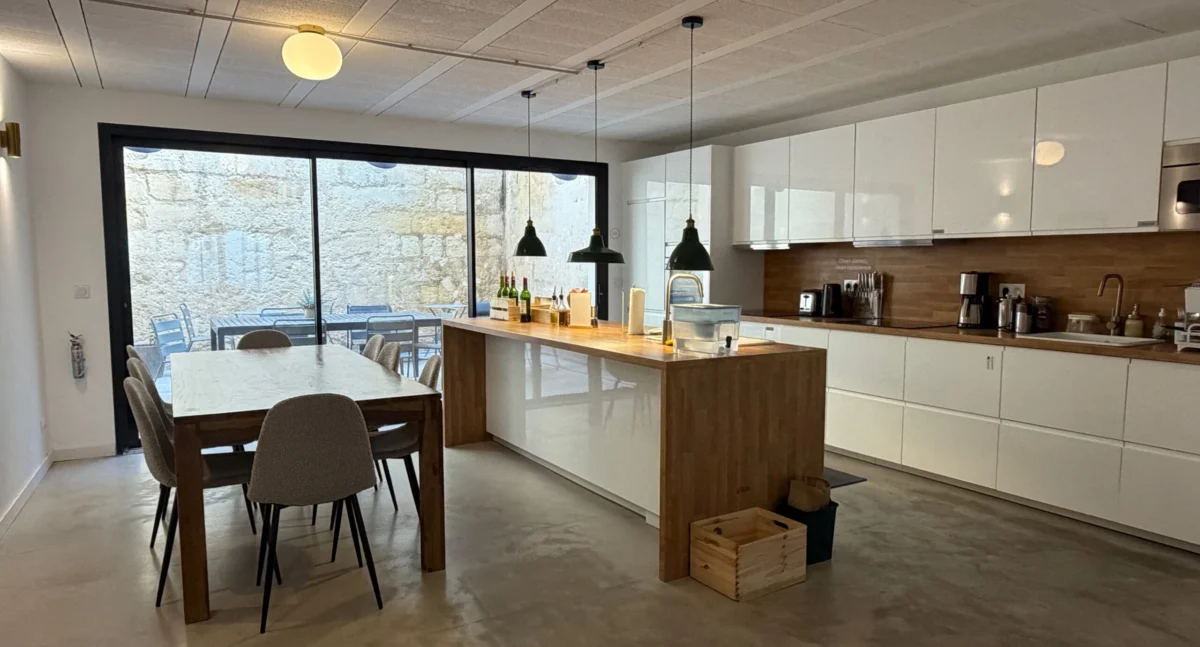
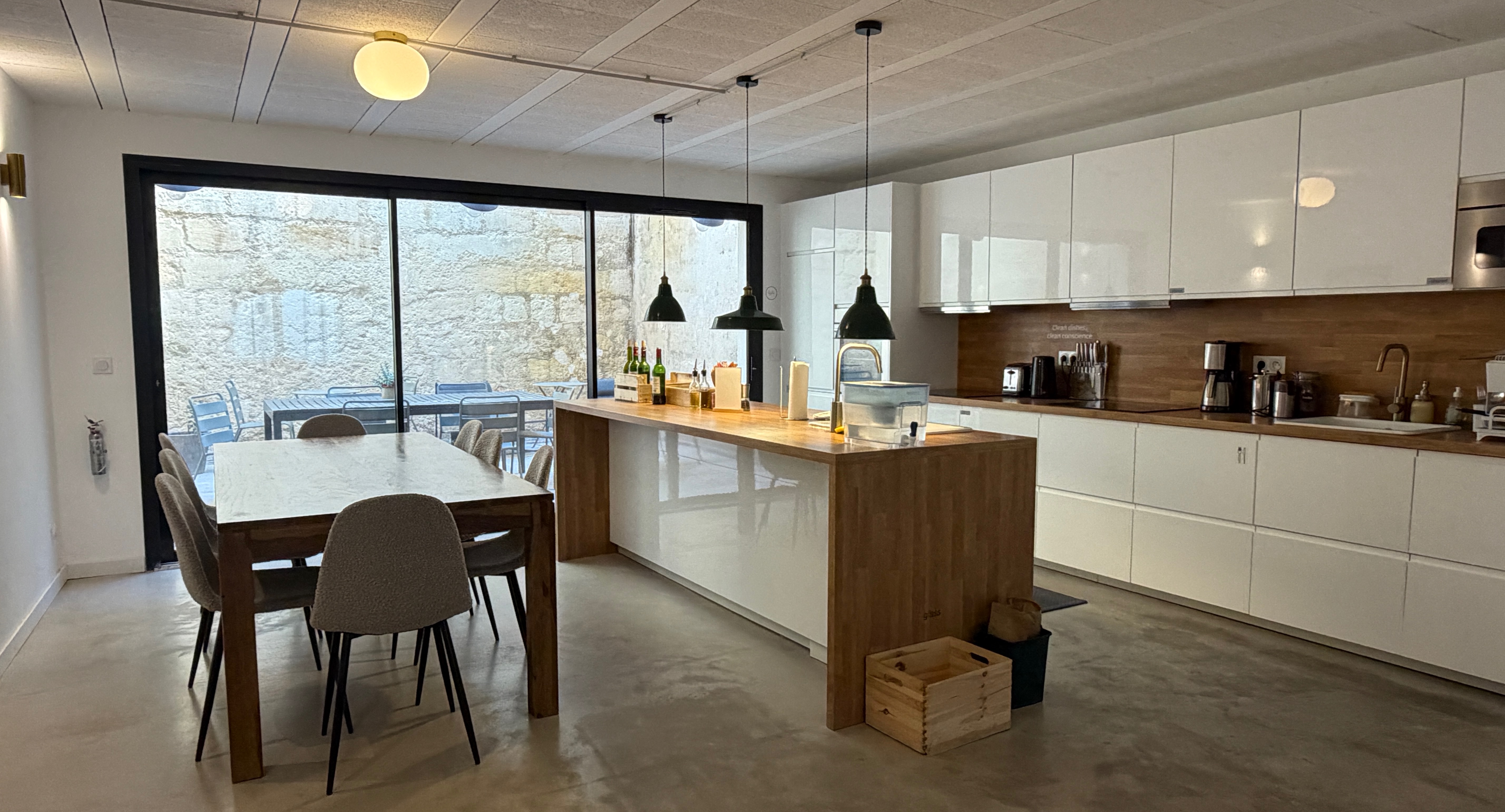
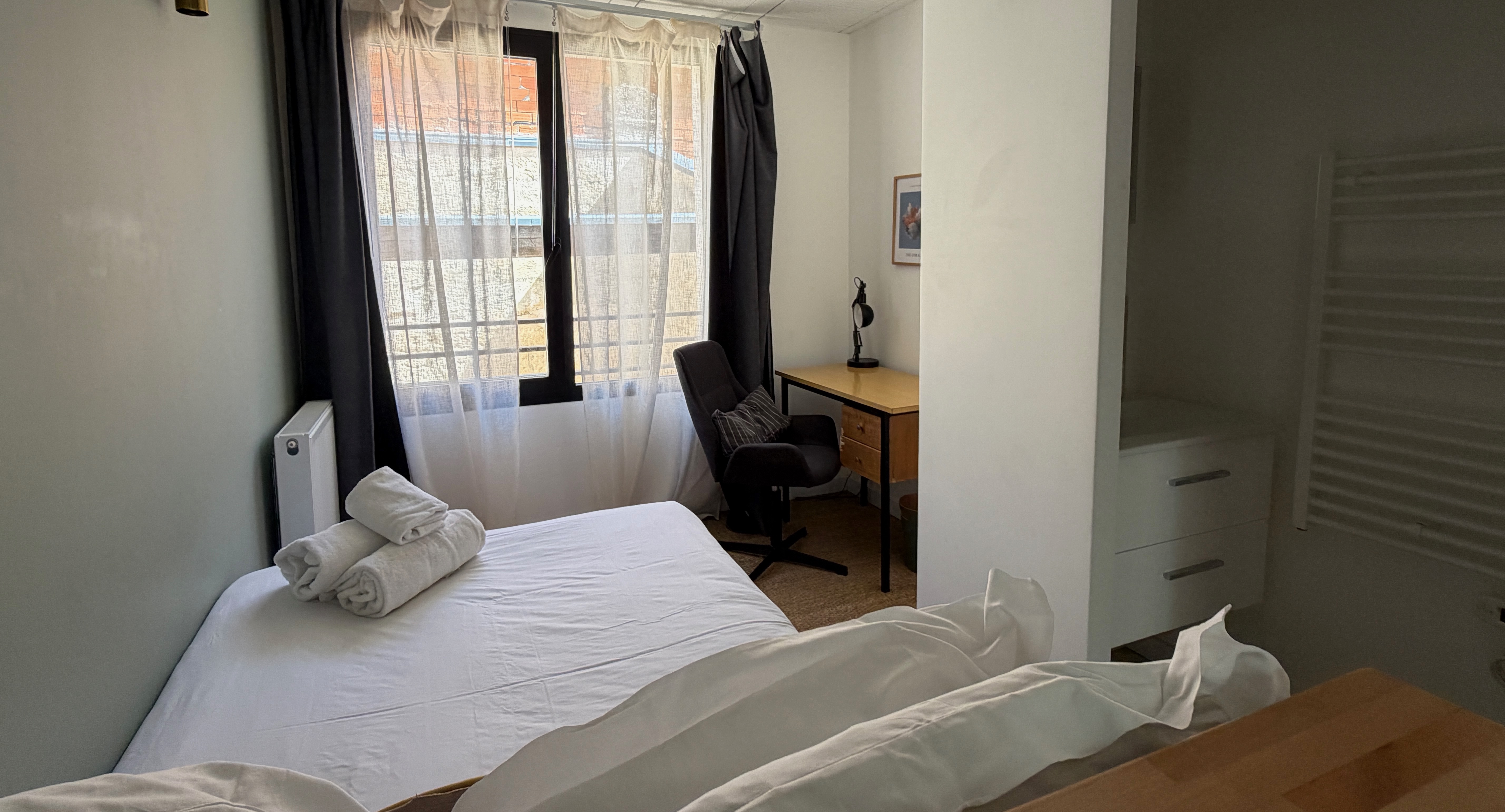
In a recent assessment of their Bordeaux location, the integration of physical design and community management became apparent. The property features modern, minimalist aesthetics, high-speed connectivity, and communal spaces that foster organic interaction.
According to Outsite’s internal data and user testimonials, the most successful guests are those who stay for extended periods—typically two weeks to three months. This duration allows for a "deeper integration" into the local community. The presence of a dedicated Community Manager is the "secret sauce" of the Outsite model. These managers act as local liaisons, facilitating everything from family-style dinners and tapas crawls to morning yoga, effectively removing the friction of making new friends in a foreign city.
"The space feels like staying at a wealthy, well-traveled friend’s house," says one regular guest. "You have the privacy of a hotel room, but you never have to eat dinner alone unless you want to."
Implications: The Future of Distributed Work
The emergence of platforms like Outsite signals a broader shift in how society views the intersection of work and leisure. We are witnessing the death of the "work-life balance" dichotomy, replaced by the concept of "work-life integration."
The Professionalization of Travel
As remote work becomes a permanent fixture for millions, corporations are beginning to recognize that employee productivity is not tied to a headquarters. This has significant implications for urban planning and real estate. Cities that fail to offer high-speed, flexible infrastructure will lose out on the influx of high-earning, location-independent professionals.
Addressing Isolation
One of the most significant, yet rarely discussed, challenges of the digital nomad lifestyle is the psychological toll of chronic transience. By providing a structured community, companies like Outsite are addressing a genuine public health concern: loneliness in the gig economy. The "cohort-based" living model ensures that whether you are in a tech hub like Lisbon or a cultural center like Bordeaux, you have a built-in support system of peers who understand the unique challenges of building a career on the move.
The Barrier to Entry
While the model is highly effective, it remains a luxury for many. The requirement to be an adult (18–21+ depending on the location) and the premium pricing structure suggest that this sector currently caters to the middle-to-upper-class professional demographic. Future expansion will likely depend on whether these companies can lower their price floors or integrate with corporate benefit programs to make coliving an accessible option for a wider range of employees.
Final Thoughts: Finding Your Tribe
Living the digital nomad life no longer requires sacrificing your career progression or your comfort. The era of hunching over a laptop in a noisy, overcrowded cafe is giving way to a more sophisticated, intentional way of living.
Platforms like Outsite offer a blueprint for the future of work: a life where travel is not an interruption to your career, but an enrichment of it. By focusing on the three pillars of productivity, community, and comfort, they have successfully created a niche that serves as the backbone for the next generation of global workers.
Whether you are a seasoned nomad or a corporate employee looking to test the waters of location independence, the key to success lies in the environment you choose. By opting for a space designed specifically for the digital professional, you aren’t just booking a room—you are securing a seat at a table of like-minded individuals. The tools exist; the infrastructure is growing; all that remains is to pick your next destination and pack your laptop.
Quick Logistics for Your Next Nomad Trip
If you are planning your first (or fiftieth) remote work stint, keep these essential logistics in mind to ensure your trip remains professional and stress-free:
- Book Well in Advance: The most desirable Outsite locations, particularly in European hotspots during the summer months, often reach capacity months in advance. Spontaneity is a virtue of the backpacker, but planning is the virtue of the successful remote professional.
- Check Local Laws: Before booking, especially in major metropolises like New York, be aware that local housing regulations may dictate minimum stay lengths. Always verify these details on the booking platform to avoid last-minute cancellations.
- Insurance is Non-Negotiable: As a digital nomad, you are responsible for your own safety and health. Always secure comprehensive travel insurance that covers equipment theft and emergency medical expenses.
- Leverage Technology: Utilize tools like Skyscanner for flight optimization and GetYourGuide for curated local experiences to maximize your time outside of working hours.
By prioritizing your logistics and choosing environments that support your professional needs, you can transform the nomadic dream into a sustainable, fulfilling career path.