For the modern digital nomad, the promise of “working from anywhere” often collides with the harsh reality of the road. The romanticized image of a laptop perched on a beach chair quickly dissolves when faced with unstable Wi-Fi, the isolation of a sterile hotel room, or the ergonomic nightmare of a cramped hostel common area. As remote work transitions from a temporary pandemic-era necessity to a permanent professional fixture, a new housing paradigm has emerged: the coliving space.
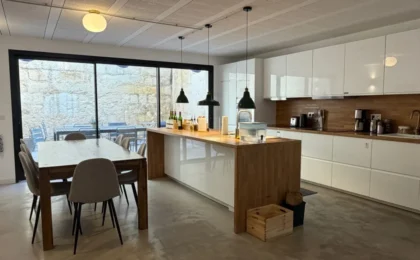
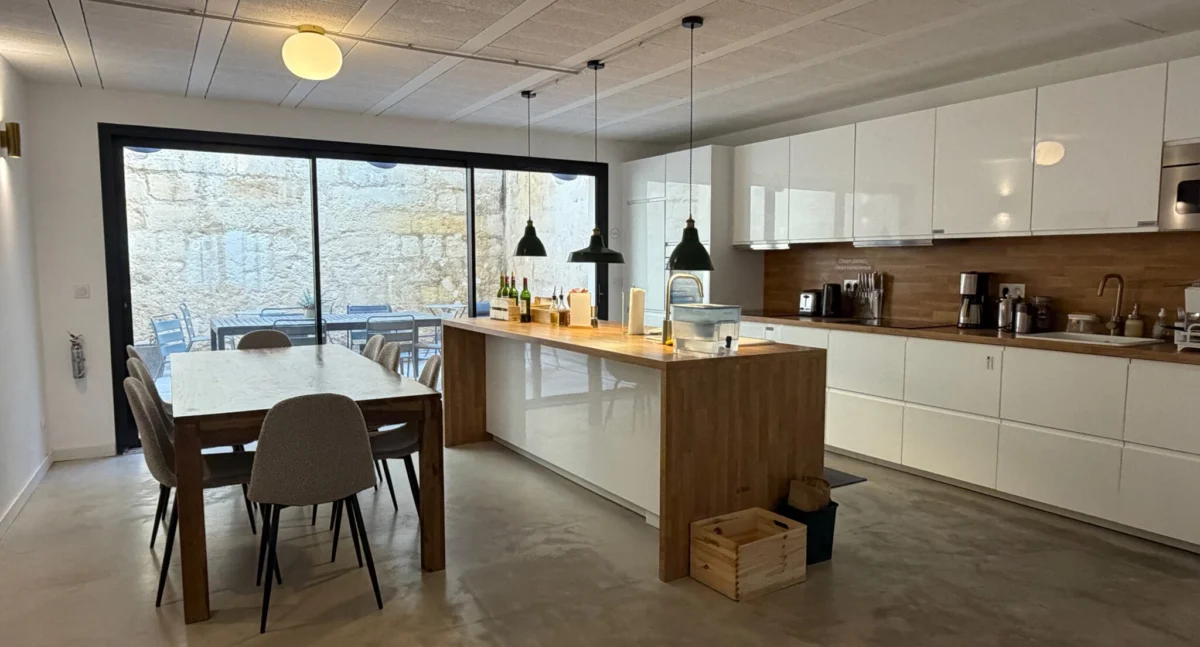
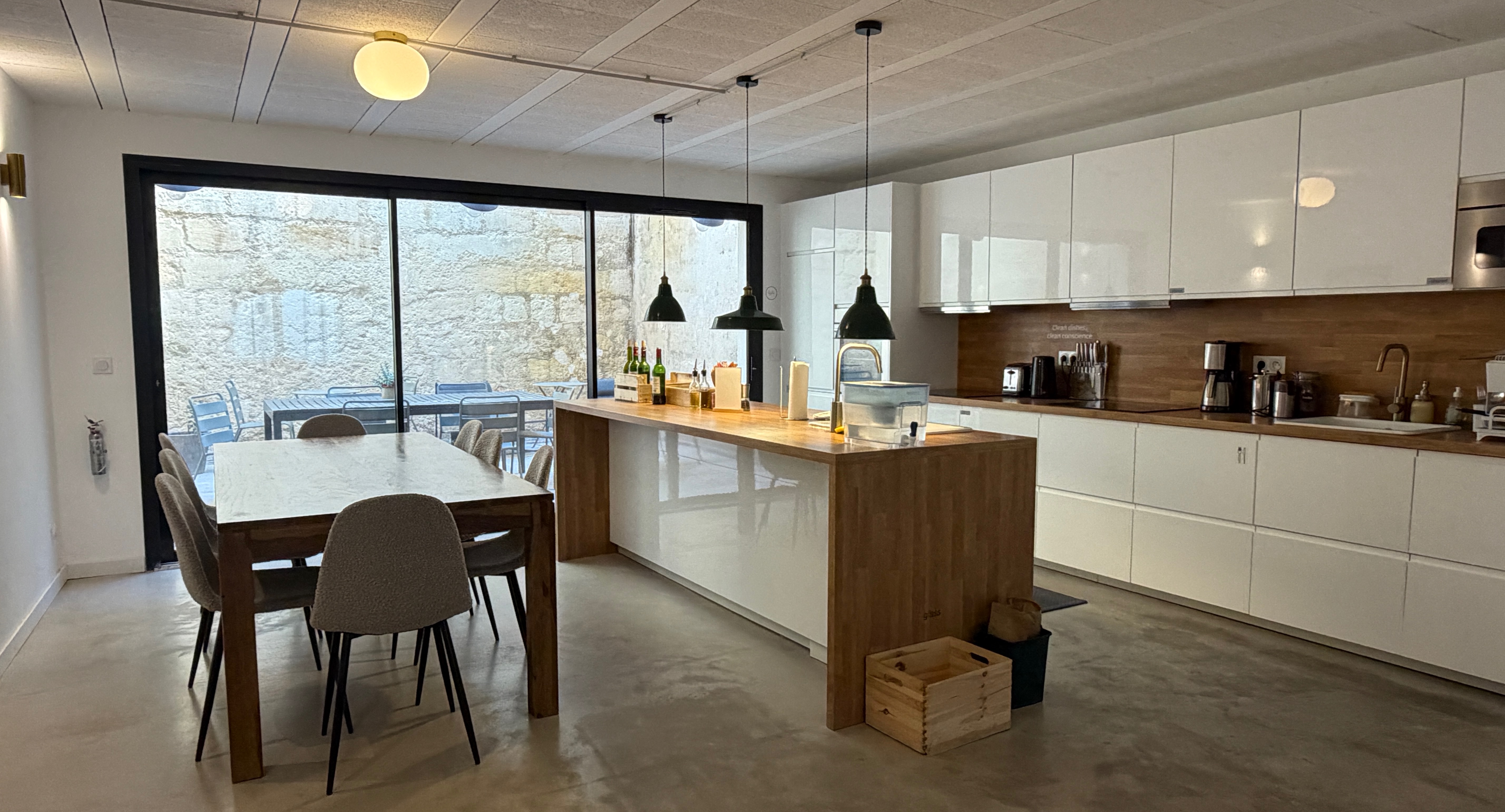
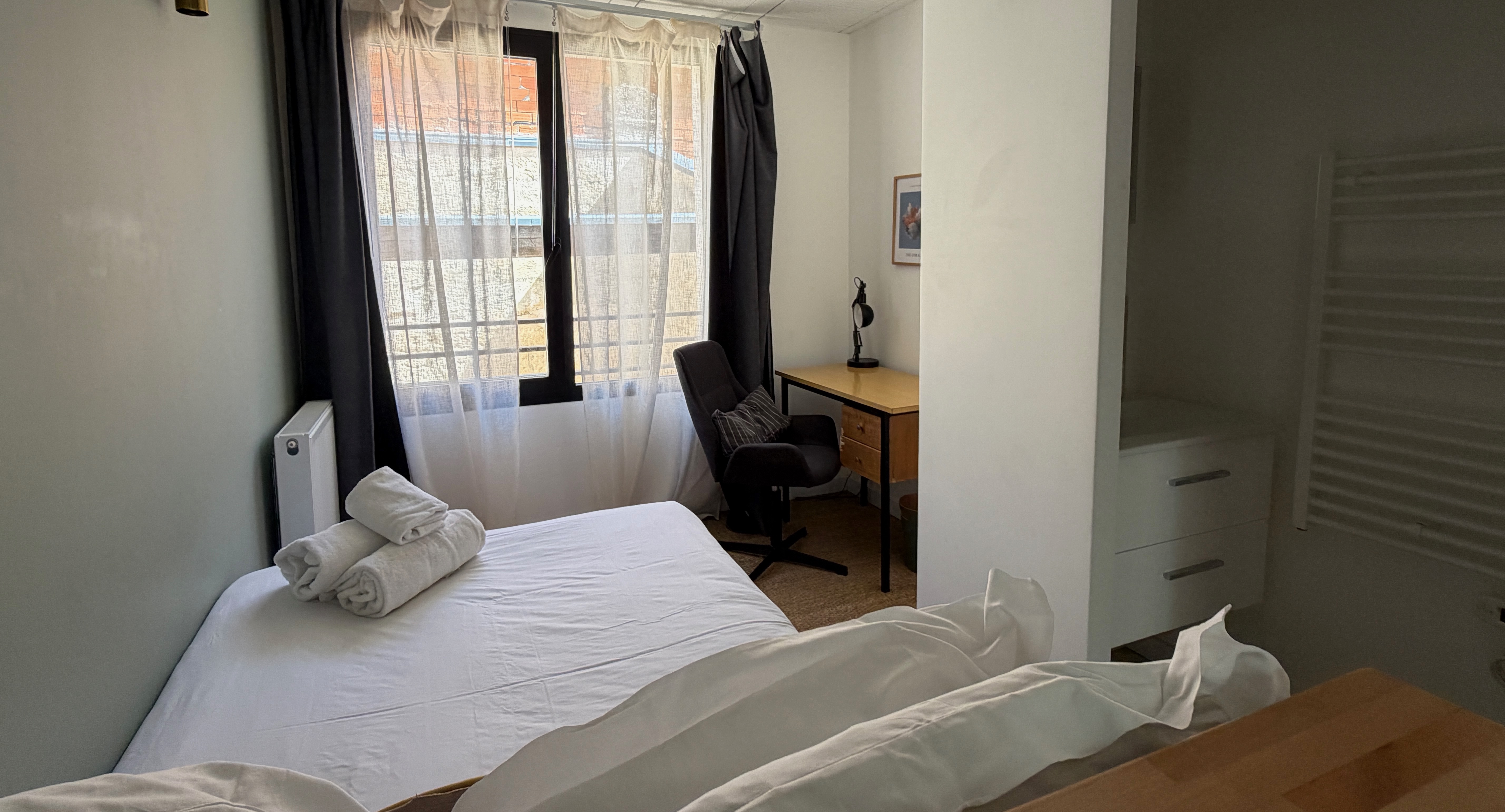
Leading this charge is Outsite, a global network of curated work-and-live properties that seeks to bridge the gap between a high-end boutique hotel and a collaborative office. After years of struggling to find the perfect equilibrium between productivity and travel, I recently spent time at the Outsite location in Bordeaux to test whether this model finally solves the nomad’s greatest challenge.
The Genesis of a Movement: What is Outsite?
Founded in 2015, Outsite was born out of a niche desire: to create a space for remote-working surfers in Santa Cruz, California. What began as a single house for individuals who prioritized both professional output and outdoor recreation has ballooned into a sophisticated global network. Today, the company boasts over 5,000 members and a portfolio of 50 locations spanning major metropolitan hubs and scenic retreats worldwide.
At its core, Outsite is designed to provide the stability of a home office without sacrificing the spontaneity of travel. While the platform is open to the general public, it operates on a membership model designed to incentivize long-term nomads. For an annual fee of $199 or a one-time lifetime fee of $499, members gain access to preferential pricing, "members-only" properties, and a suite of perks, including 50% discounts during flash sales and priority access to new destination launches.
Chronology: From Hostel Hop to Curated Coliving
The history of nomad travel has evolved through three distinct phases.
- Phase One (The Backpacking Era): For decades, those working on the road relied on hostels. While social, they offered zero privacy and minimal infrastructure for deep work. The "common room" was often a cacophony of travelers, making professional focus impossible.
- Phase Two (The Airbnb Experiment): As remote work grew, nomads pivoted to short-term apartment rentals. While private, these spaces often lacked community, leaving travelers isolated. Furthermore, the "super-fast Wi-Fi" advertised by hosts was frequently a gamble, leading to "Wi-Fi anxiety" during important conference calls.
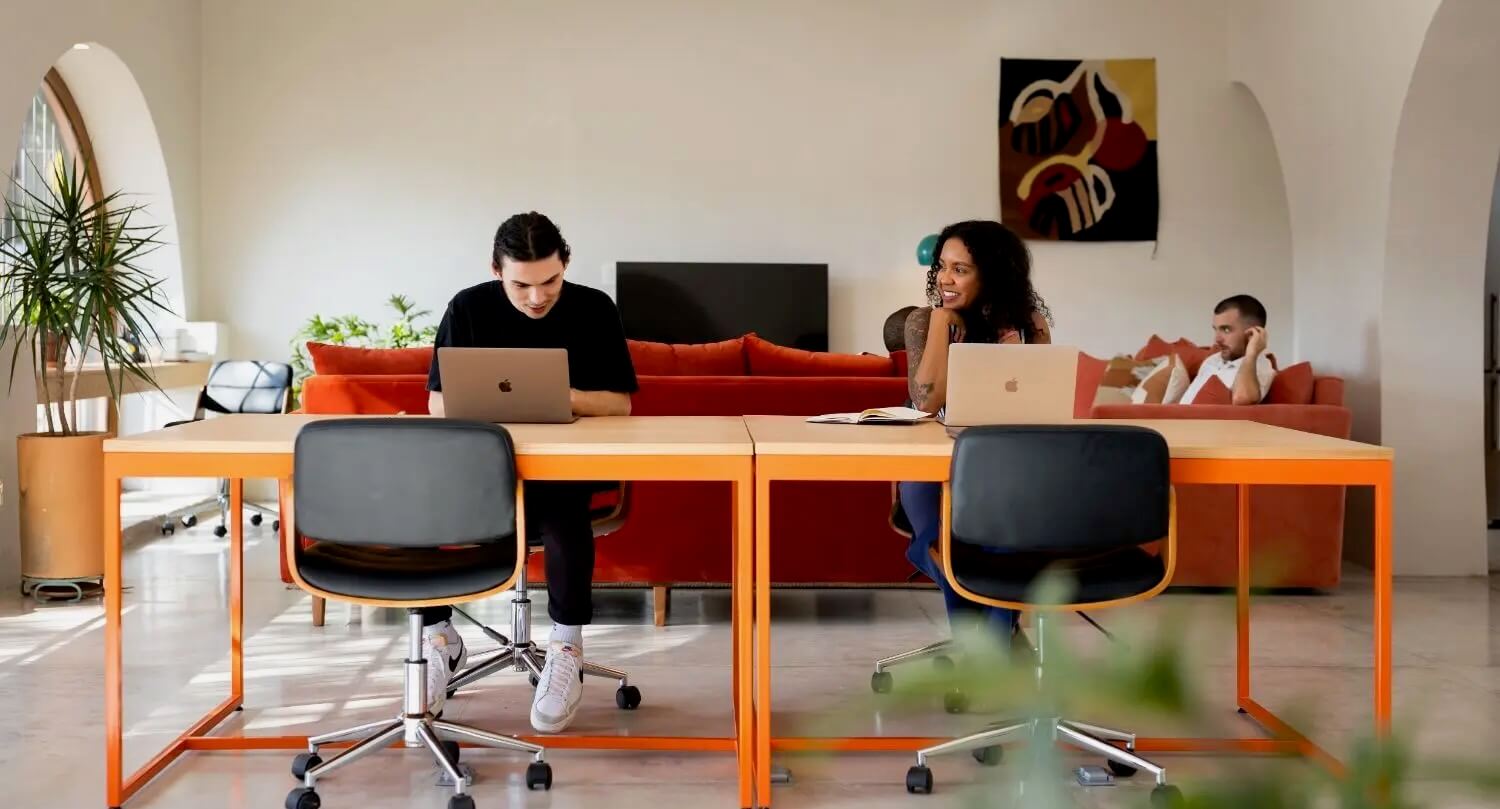
- Phase Three (The Coliving Revolution): The current era, championed by brands like Outsite, combines the best of both worlds. By integrating enterprise-grade internet, ergonomic workspaces, and communal living, these spaces have effectively institutionalized the digital nomad lifestyle.
During my recent stay in Bordeaux, the transition was seamless. I moved from the bustle of the city into a meticulously designed, quiet workspace within minutes. This shift represents a maturation of the nomad industry—it is no longer about just finding a place to sleep; it is about curating an environment that optimizes both mental well-being and career output.
Supporting Data: Why the Infrastructure Matters
The necessity for these spaces is backed by the rising trend of "workations." According to recent industry surveys, productivity among remote workers hinges on three critical factors: reliable connectivity, ergonomic furniture, and environmental control.
Outsite’s infrastructure is specifically engineered to address these metrics. Each property features dedicated coworking areas equipped with high-speed, enterprise-grade Wi-Fi, ergonomic chairs, and external monitors. The economic logic is equally compelling. While the upfront cost of an Outsite room may be higher than a budget hostel, it eliminates the hidden costs of nomad life:
- Coworking Membership Costs: At $200–$400 per month for a professional desk space in a city, adding this to an Airbnb rental is often more expensive than an all-inclusive Outsite stay.
- Productivity Loss: The cost of a lost client or a failed Zoom call due to poor internet is incalculable.
- Time Efficiency: The time spent searching for reliable cafes is effectively reclaimed.
Official Perspectives: The Value of Community Curation
One of the most frequent criticisms of the nomad lifestyle is the inherent loneliness. When working remotely in a foreign city, the social barrier to meeting like-minded professionals is significant. Outsite mitigates this through "Community Management."
Each Outsite location employs a dedicated manager whose role is to foster social cohesion. This isn’t just about party planning; it’s about professional networking. From WhatsApp groups initialized before arrival to organized weekend excursions, tapas crawls, and morning yoga, the social programming is intentional.
"The goal is to create a sense of intimacy," says one Outsite representative. "We want people to feel like they are staying at a wealthy, well-traveled friend’s house, rather than a sterile corporate hotel."
This strategy seems to be working. By attracting a demographic of working professionals—typically in their 30s and 40s—the community dynamic is markedly different from that of a standard youth hostel. There is a "shared bond" among the residents, as most are balancing active professional roles with their travel aspirations.
Implications: The Future of Professional Mobility
The implications for the future of work are profound. As more companies adopt "remote-first" policies, the demand for standardized living environments will only increase. We are seeing a shift away from the "vacation" mindset and toward the "lifestyle" mindset.
However, this model is not without its limitations. For the spontaneous traveler, the "fast-book" culture of top-tier destinations presents a challenge. Popular spots like Lisbon or Costa Rica require booking months in advance. Additionally, the lack of pet-friendly options at most locations remains a hurdle for those looking to travel with companions.
Furthermore, the "premium" price tag of these facilities means they are not a substitute for low-budget backpacking. If your goal is to travel on $15 a day, Outsite will not fit your budget. But if you value your time, your health, and your career trajectory, the investment provides a level of ROI that budget options cannot match.
Conclusion: Finding Your Tribe
The digital nomad life should not be an exercise in deprivation. For years, I struggled to find a balance between my desire to see the world and my need to maintain a high level of professional performance. Staying at the Outsite in Bordeaux was a revelation; it allowed me to work with focus, eat in a chef-grade kitchen, and socialize with a community that understood the specific stresses and joys of being a digital professional.
As you look to plan your next trip, consider whether you are looking for a simple bed or a support system. If it’s the latter, the coliving model offers a bridge between the freedom of travel and the requirements of a modern career. Don’t settle for a noisy coffee shop or an unreliable Wi-Fi connection. Whether you are in Bordeaux, New York, or Bali, the evolution of the workplace has arrived—it’s time to find your tribe and start working from a place that actually works for you.
Logistical Tips for the Modern Nomad
- Transportation: Always leverage tools like Skyscanner to monitor flight trends before committing to a long-term stay.
- Insurance: Never skip travel insurance. Companies like SafetyWing or World Nomads are essential for those who move between countries frequently.
- Financing: Use travel-optimized credit cards to maximize points on your accommodation spend, which can often cover your next flight or stay.
- Activities: Use platforms like GetYourGuide to book local experiences, ensuring that you balance your work hours with meaningful exploration of your destination.