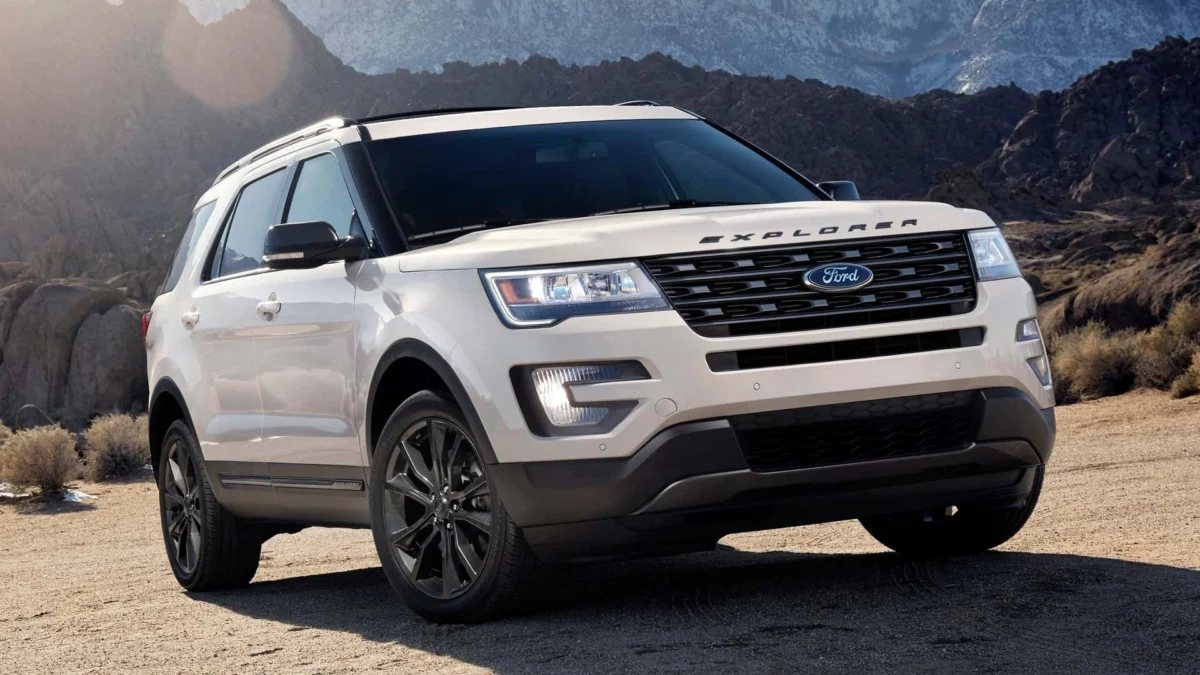
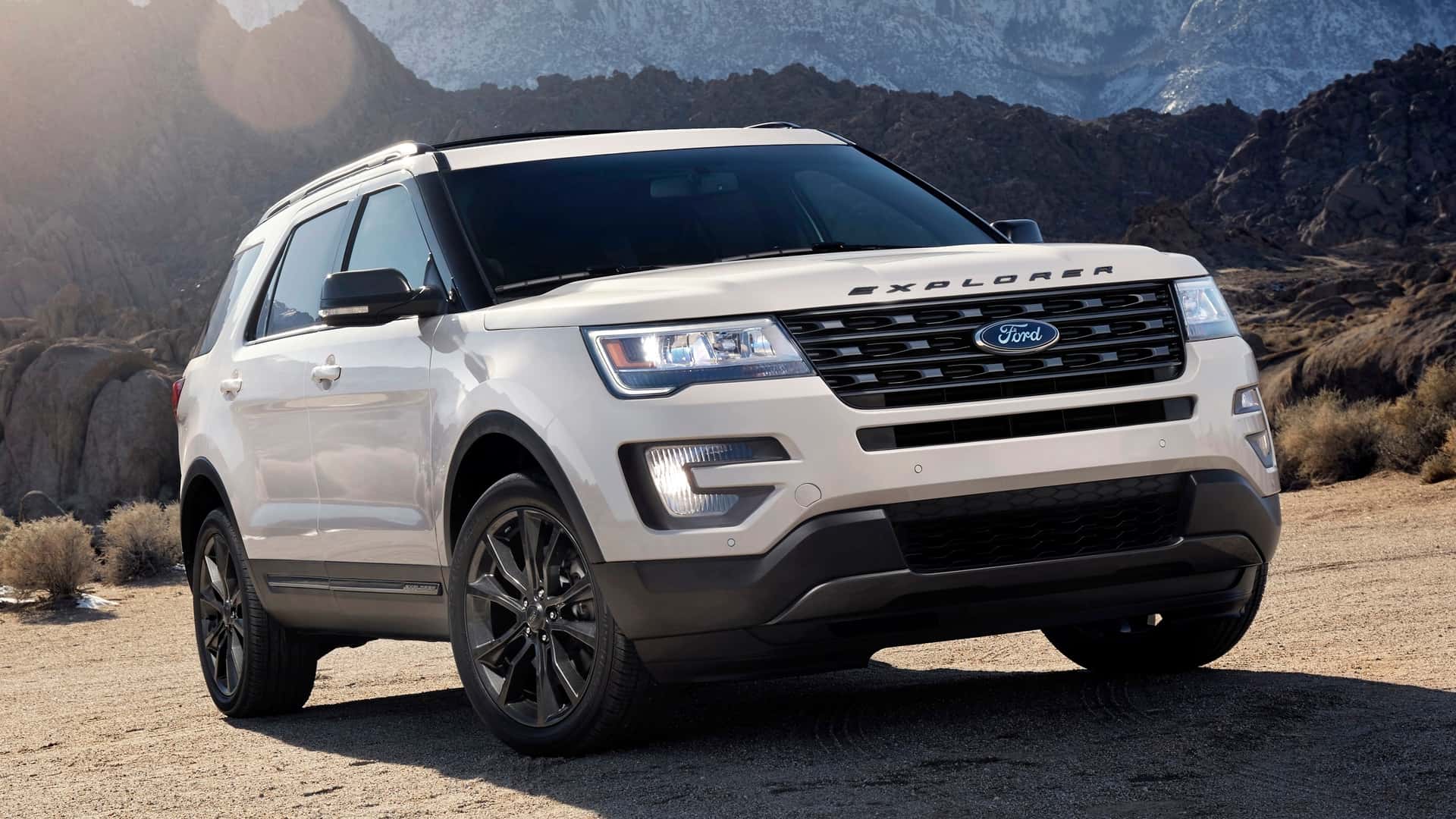
In an aggressive push to address lingering quality control concerns, Ford Motor Company has announced its 57th recall of the calendar year. This latest safety campaign impacts 288,314 Ford Explorer SUVs, specifically model years 2016 through 2019. The recall addresses a persistent and hazardous issue: roof rail covers that may loosen, rattle, or completely detach while the vehicle is in motion, posing a significant risk to motorists and other road users.
This recall is particularly notable because it targets a subset of vehicles that were purportedly repaired during previous service campaigns. The failure of those initial fixes highlights a growing challenge for the automaker: the difficulty of ensuring "technician-sensitive" repairs are performed with absolute precision across a massive dealer network.
The Scope of the Issue: Understanding the Hazard
The roof rail covers in question—which include satin-plated, chrome-plated, and painted variants—are designed to provide both aesthetic appeal and aerodynamic integration for the Explorer’s roofline. However, reports indicate that these covers are prone to degradation in their retention systems.
According to technical documentation provided by the National Highway Traffic Safety Administration (NHTSA), the primary failure mechanism involves the retention clips or the structural integrity of the bond between the cover and the vehicle frame. When these components fail, owners typically report increased cabin wind noise, persistent squeaking, and audible rattles. In the most severe cases, the gap between the cover and the roofline widens, eventually leading to a complete detachment of the exterior trim piece.
The implications of a roof rail flying off at highway speeds are severe. A dislodged component can become a projectile, striking following vehicles or distracting drivers, potentially causing secondary accidents. Ford has acknowledged at least one documented instance of a collision directly linked to a roof rail detachment, underscoring the urgency of the corrective action.
A Chronology of Failures: From Warranty to Recall
The history of this issue is a testament to the complexities of long-term automotive reliability and the iterative nature of safety recalls.
2020: The Extended Warranty Period
Ford’s awareness of the problem dates back to 2020. At that time, the company attempted to mitigate the issue by offering a one-time repair program under an extended warranty. This initial fix relied heavily on the application of a two-part epoxy or industrial adhesive. The intention was to bond the loose covers securely to the roof structure. However, this early remedy relied on perfect surface preparation and precise environmental conditions—a standard that proved difficult to replicate consistently across thousands of service centers.
2021: The First Official Recall
By April 2021, the volume of reports regarding loose roof rails had grown to a point where federal intervention became necessary. Following discussions with the NHTSA, Ford issued its first official safety recall for 2016-2019 Explorers.
In this campaign, dealers were instructed to replace damaged clips and secure the covers with four plastic push-pin fasteners. At the time, the recall was selective: it excluded vehicles equipped with satin- or chrome-plated covers. Ford justified this exclusion by citing internal data that suggested these plated components had a significantly lower rate of failure and were more resistant to "solar loading"—the thermal stress caused by intense sunlight that degrades adhesives and plastics over time.
2026: A Re-evaluation of the Data
The current 2026 recall serves as a realization that the previous strategies were insufficient. In March 2026, the NHTSA’s Office of Defects Investigation (ODI) presented Ford with 46 Vehicle Owner Questionnaires (VOQs). These reports detailed recurring issues with roof rails, including on vehicles that had already been subject to previous warranty repairs or the 2021 recall fixes.
Following a three-month investigation, Ford discovered that the "technician-sensitive" nature of the adhesive-based repairs was the culprit. In many instances, technicians failed to replace damaged retention clips, applied incorrect quantities of epoxy, or worked in suboptimal temperature conditions, preventing the adhesive from curing properly. Crucially, the data showed that vehicles repaired with the mechanical push-pin method were not experiencing the same failure rate as those treated with adhesives.
The Technical Breakdown: Why Previous Fixes Failed
The primary failure point of the 2021 recall was the over-reliance on chemical bonding. Automotive repair is notoriously difficult when dealing with exterior trim, as the materials are subjected to extreme temperature fluctuations, high-speed wind resistance, and vibration.
When a technician applies an adhesive, the structural integrity of the bond is contingent on three factors:
- Surface Preparation: The area must be perfectly clean of road grime, wax, and oxidation.
- Precision Application: The exact amount of epoxy must be applied to the specified contact points.
- Curing Conditions: The vehicle must be kept in a controlled environment for a specific duration to allow the chemical bond to reach maximum strength.
In a high-volume service department, these steps are easily compromised. The current recall mandates that Ford dealers inspect all roof rail covers. If the covers are loose, the dealer must replace the damaged clips and, if the push-pin fasteners were missing from previous configurations, install them. This shift away from chemical bonding toward mechanical fastening represents a permanent solution to the retention problem.
Implications for Ford’s Quality Control
The fact that Ford is recalling older models—some as old as ten years—is indicative of a broader shift in the automotive industry’s approach to consumer safety and long-term product reputation. For years, OEMs (Original Equipment Manufacturers) often viewed a vehicle as "out of scope" once it passed a certain age or mileage threshold. However, with the current regulatory environment becoming increasingly stringent, manufacturers are under more pressure than ever to resolve known defects, even on legacy platforms.
For the Ford Explorer—a cornerstone of the brand’s SUV lineup—this recall is a reminder of the challenges posed by high-volume manufacturing. The Explorer’s popularity means that even minor design oversights, such as the attachment method for a roof trim piece, can balloon into massive, expensive, and logistically difficult recalls.
Next Steps for Affected Owners
Owners of 2016-2019 Ford Explorers should not wait for their vehicle to exhibit symptoms before seeking a resolution.
- Check Your VIN: Owners should visit the NHTSA recall website or Ford’s owner portal to enter their Vehicle Identification Number (VIN) to see if their specific vehicle is included in the campaign.
- Watch for Symptoms: Even if a vehicle has not yet received a recall notice, owners should be mindful of "wind whistle" or rattling sounds coming from the roof area. A visible gap between the rail and the roof is a red flag.
- Schedule Service: Once notified, owners should contact their local Ford dealer to schedule the inspection. Because this involves replacing clips and potentially installing fasteners, it is a service that should be performed by authorized personnel to ensure the work is documented and covered under the recall campaign.
The Future of Vehicle Trim Safety
As vehicles become more aerodynamic and incorporate more complex trim pieces to satisfy consumer demand for aesthetics, the industry faces an ongoing battle with material science. The "solar loading" mentioned in the recall report is a significant factor that many manufacturers are still learning to combat. As plastics and adhesives age, they become brittle, and the expansion and contraction cycles of a vehicle parked in the sun versus one driven in winter snow create a "fatigue cycle" that will eventually lead to component failure.
This 57th recall of the year for Ford is not just a logistical hurdle; it is a signal of the company’s commitment to revisiting the performance of its past designs. While the inconvenience to nearly 300,000 owners is undeniable, the move to replace faulty adhesive-based repairs with mechanical fasteners is a necessary step toward ensuring that these vehicles remain safe and roadworthy for years to come.
Ford has pledged to continue working with the NHTSA to ensure that the remedies provided in this campaign are permanent, moving away from the "patchwork" solutions that have characterized the last five years of this specific issue. For now, the automaker remains focused on regaining consumer trust by proving that they are willing to stand by their products, regardless of their age.