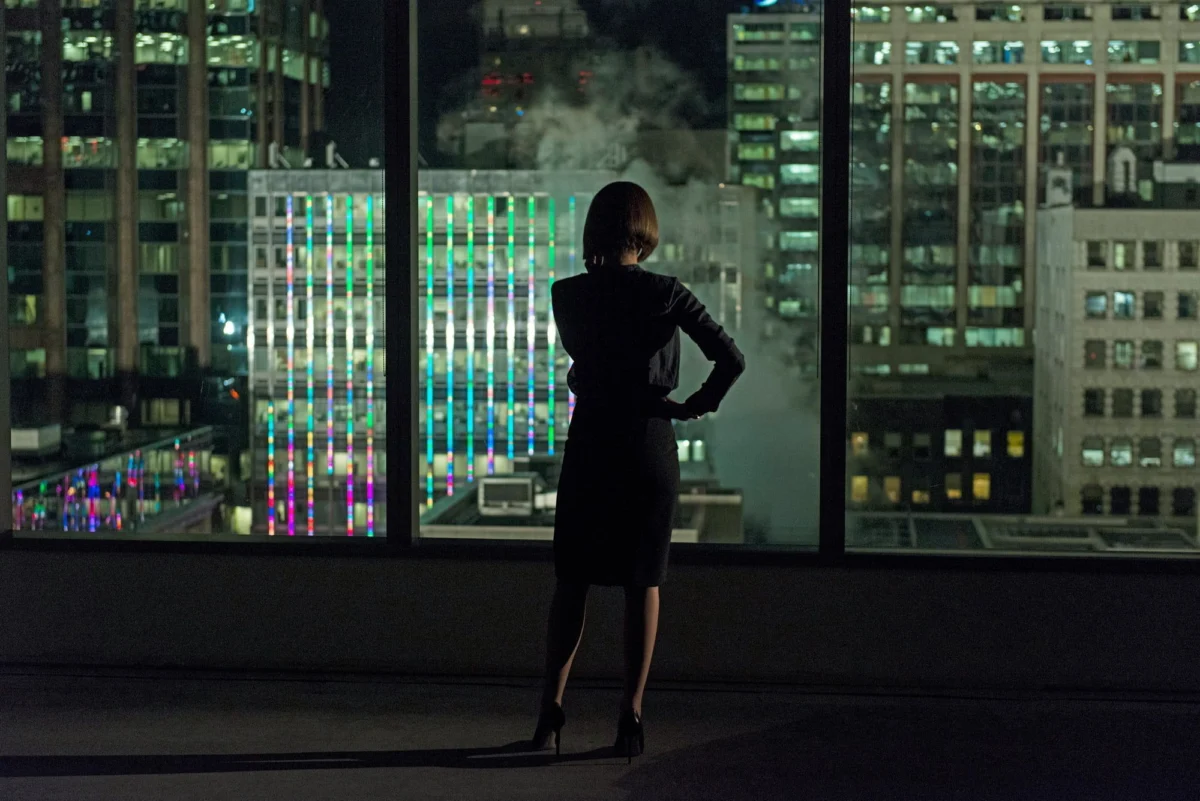
In the landscape of modern television, few genres are as underrepresented yet philosophically vital as "biopunk." While its cousin, cyberpunk, has long dominated the aesthetic of dystopian fiction with its neon-soaked streets, cybernetic limbs, and artificial intelligence, biopunk pivots the focus toward the most intimate canvas of all: the human body. It explores the terrifying intersection of genetic engineering, corporate ownership of life, and the existential vertigo of identity.
More than a decade after its debut, the BBC America series Orphan Black stands as the genre’s crowning achievement. Currently available in its entirety on Netflix, the show is not merely a relic of the 2010s; it is a prescient, pulse-pounding, and deeply human exploration of what it means to own one’s self in an era of rapid technological acceleration.
The Genesis of a Modern Classic: Main Facts
Created by John Fawcett and Graeme Manson, Orphan Black premiered in 2013 to immediate critical acclaim, largely centered on a premise that sounded like a logistical nightmare for any production team. The story follows Sarah Manning, a street-smart British con artist who witnesses the suicide of a woman who is, for all intents and purposes, her mirror image.
What begins as a high-stakes identity theft quickly spirals into a massive, multi-layered conspiracy. Sarah discovers she is one of many "Project Leda" clones—women engineered in a laboratory and scattered across the globe, living lives they believe are their own, all while being monitored by the shadowy Dyad Institute. The series spans five seasons, totaling 50 episodes, and serves as a masterclass in serialized storytelling. At its core, the show balances the frantic energy of a thriller with the cold, sterile horror of genetic experimentation.
A Technical Marvel: The Tatiana Maslany Phenomenon
It is impossible to discuss Orphan Black without addressing the singular, gravity-defying performance of Tatiana Maslany. To say she "plays multiple roles" is a massive understatement. Over the course of the series, Maslany portrayed 17 distinct clones, each with a unique cadence, posture, fashion sense, and moral compass.
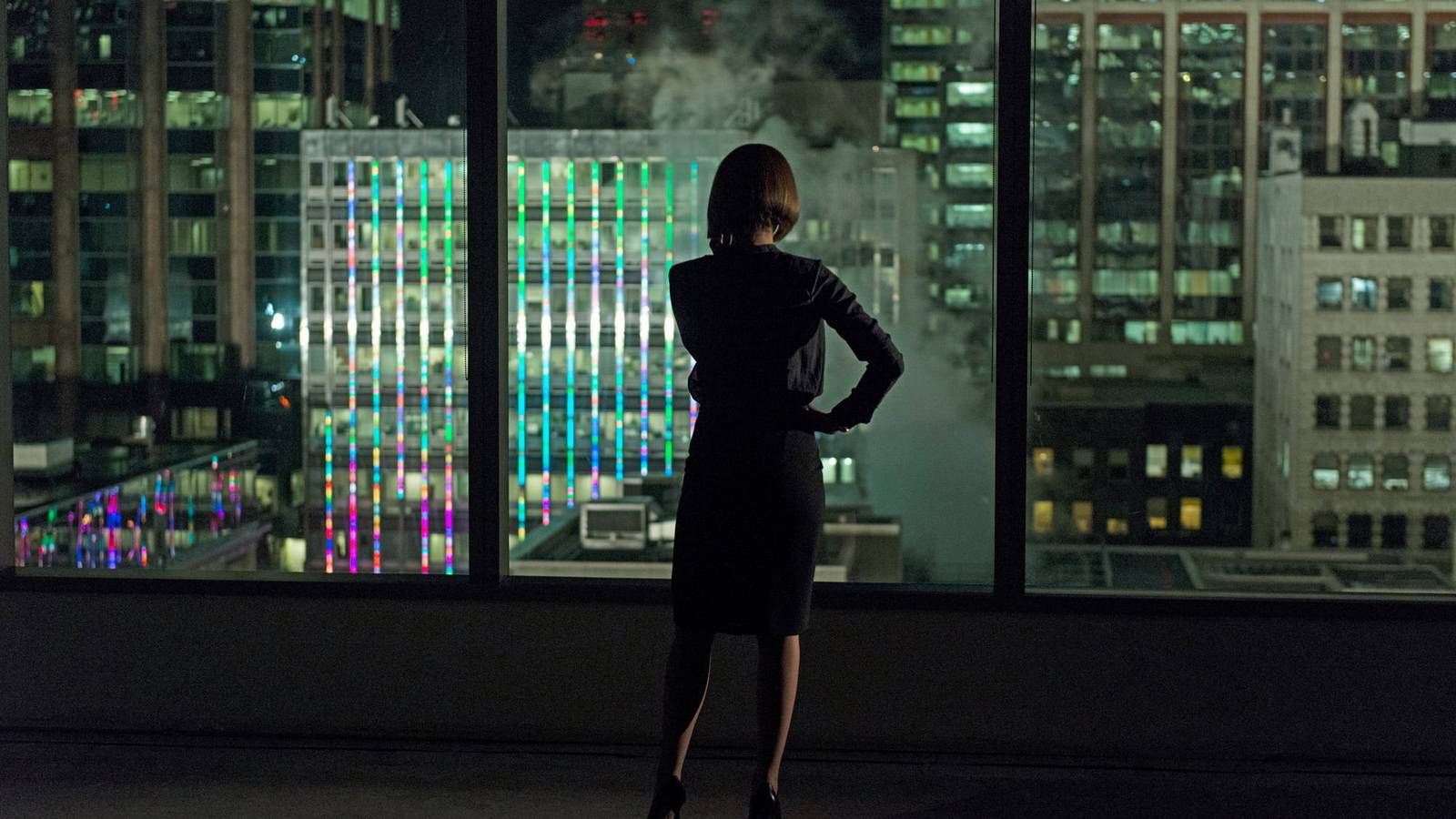
In an era before AI-generated deepfakes became a household anxiety, the show utilized practical effects, body doubles, and groundbreaking motion-control cinematography to place multiple versions of Maslany in the same frame. Watching Sarah Manning, the hardened survivor, interact with Alison Hendrix, the suburban soccer mom with a dark secret, or Cosima Niehaus, the brilliant evolutionary biologist, feels like watching an ensemble cast of high-tier character actors. That they are all the same person remains a testament to one of the greatest acting feats in television history, earning Maslany a well-deserved Emmy Award in 2016.
Chronology of the Clone Conspiracy
The narrative arc of Orphan Black is defined by its relentless momentum. The show is structured in a way that respects the audience’s intelligence, rarely stalling for filler episodes.
- Season 1: The Awakening. The introduction to the Leda project. Sarah discovers her nature and the immediate threats to her existence, culminating in the realization that she is not just a person, but property.
- Season 2: The Expansion. As the circle of "sestras" grows, the show explores the cult-like religious fervor surrounding the project, introducing the Proletheans, who view cloning as an abomination against God.
- Season 3: The Male Counterpart. The narrative pivots to introduce "Project Castor," a group of male clones raised in a military environment, raising the stakes by contrasting the Leda clones’ struggle for autonomy with the Castor clones’ struggle with biological degradation.
- Season 4: The Origins. The show digs deep into the history of the Dyad Institute and the original experiments, shifting into a more claustrophobic, paranoid thriller mode.
- Season 5: The Conclusion. The final chapter focuses on Neolution—the ultimate goal of the villains—and the final stand for the clones’ right to their own biological autonomy.
The Biopunk Aesthetic: Why It Matters
Biopunk is defined by the "mad scientist" trope updated for the age of CRISPR and genome sequencing. Unlike cyberpunk, which deals with the digital soul in a mechanical body, Orphan Black deals with the biological soul in a manufactured body.
The series asks: If a corporation owns the patent to your genome, do they own your life? Is your consciousness merely a byproduct of a series of chemical reactions that can be optimized or discarded? These questions were relevant in 2013, but in 2026, they are urgent. As we navigate a world where genetic data is a commodity, the themes of bodily autonomy and the ethical implications of "editing" human life feel more like a documentary than a sci-fi premise.
Supporting Data and Production Context
The success of Orphan Black was a "perfect storm" of creative talent. John Fawcett and Graeme Manson brought with them the grit of their previous works—Fawcett’s cult classic Ginger Snaps provided the necessary horror sensibilities, while the duo’s work on Cube ensured the show never lost its claustrophobic, puzzle-box tension.

Production-wise, the show was a triumph of efficiency. Despite the complex VFX required to make the clones interact, the show was produced on a modest budget compared to modern blockbusters. This forced the writers to rely on character-driven plot beats rather than spectacle, which ultimately strengthened the narrative. The show consistently held high critical ratings on platforms like Rotten Tomatoes, with the final season maintaining an 89% critical approval rating, a rarity for long-running genre shows that often lose steam in their later years.
Official Responses and Cultural Legacy
Upon its conclusion, critics were nearly unanimous in praising the show’s "sticking the landing." While many sci-fi series collapse under the weight of their own mythology (the "Lost" effect), Orphan Black managed to provide a coherent, emotionally satisfying finale.
In various retrospective interviews, the creators have noted that the show was always intended to be a story about the "sisterhood of the oppressed." Tatiana Maslany has frequently cited the role as the most challenging and rewarding of her career, noting that the show allowed her to explore the "fluidity of identity" in a way few other scripts ever have. It has since become a staple of academic discussion in film and media studies, often cited as a primary example of feminist science fiction.
Implications for Future Sci-Fi
Why is Orphan Black still "waiting to be rediscovered"? Because it sits in the sweet spot of television history—just old enough to have been forgotten by the rapid-fire streaming cycle, but modern enough to feel entirely contemporary.
The implications of the show for future writers are clear:
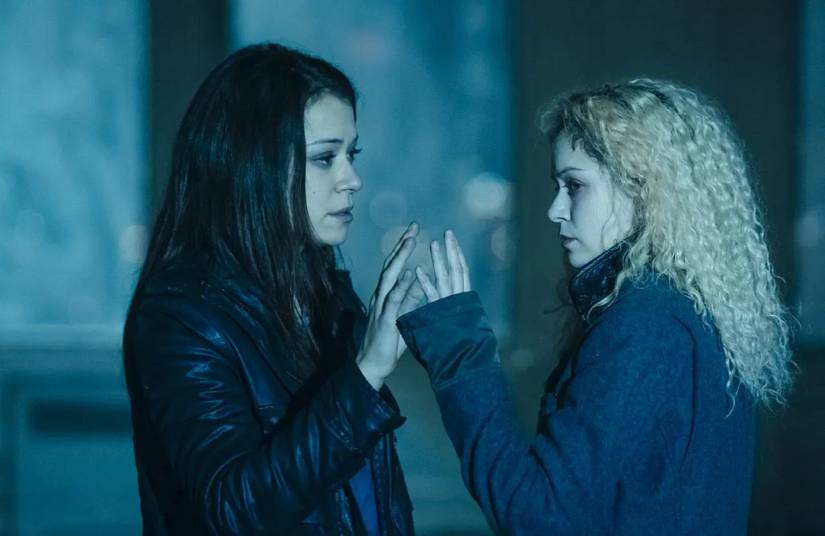
- Focus on the "Person," not just the "Tech." The technology of cloning is merely the inciting incident; the heart of the show is the relationship between the sisters.
- Lean into the Horror. Biopunk thrives when it makes the viewer uncomfortable about their own skin.
- The Power of the Ensemble. By allowing one actress to carry the load of an entire ensemble, the show proved that the most important element of any story is the diversity of the character perspectives, even if those perspectives share the same DNA.
As we move deeper into the 21st century, we are likely to see more stories that grapple with the reality of genetic manipulation. Orphan Black serves as the gold standard for how to handle these heavy themes without sacrificing the joy of a good, pulpy conspiracy thriller. It is a show that invites the viewer to look at the mirror and ask: Who am I, and who owns the blueprint of my existence?
If you haven’t watched it yet, or if it has been a decade since you last visited the Dyad Institute, now is the time to go back. Orphan Black is not just a show about clones; it is a show about the resilience of the individual in the face of a system that views them as nothing more than a product. It remains the best biopunk series ever produced, and its legacy is only just beginning to be fully understood.