For most of human evolutionary history, the human gut was a bustling, crowded ecosystem. We were not merely hosts to our own cells; we were ecosystems unto ourselves, teeming with bacteria, fungi, and, frequently, helminths—parasitic worms. In the modern, industrialized world, the triumph of sanitation and advanced medicine has largely purged these organisms from our systems. Yet, as these ancient biological companions have vanished, we have witnessed an unprecedented surge in autoimmune disorders, chronic inflammation, and inflammatory bowel diseases (IBD).
A compelling new study published in Nature Communications by researchers at the Biology Centre of the Czech Academy of Sciences (BC CAS) offers a provocative explanation for this correlation. The findings suggest that intestinal worms are not just passive inhabitants of the gut; they are active, dietary-dependent agents of our immune health. However, there is a catch: these worms can only exercise their anti-inflammatory magic if the host provides them with a diet rich in structural fiber.
The Evolutionary Paradox of Helminth Therapy
For nearly two decades, the scientific community has been captivated by the "Old Friends Hypothesis." This theory posits that the rise of modern inflammatory conditions is a direct consequence of our "hygienic" lifestyles, which have deprived our immune systems of the regulatory stimuli provided by microbial and parasitic partners. This line of inquiry birthed "helminth therapy"—the intentional use of specific parasitic worms to treat autoimmune conditions like Crohn’s disease, ulcerative colitis, and multiple sclerosis.
While the concept is elegant, clinical trials have been notoriously frustrating. In some cases, patients experienced dramatic relief from their symptoms, while in others, the treatment failed to move the needle at all. This inconsistency has long puzzled researchers. Why would a therapy that works in one instance fail so completely in another?
"The results of helminth therapy have been inconsistent—sometimes the worms suppress inflammation, sometimes they do not," explains Kateřina Jirků of the Institute of Parasitology at the Biology Centre CAS. "That is precisely why we decided to focus on the extrinsic factors that dictate their behavior within the gut."
Chronology: Unlocking the Fiber Connection
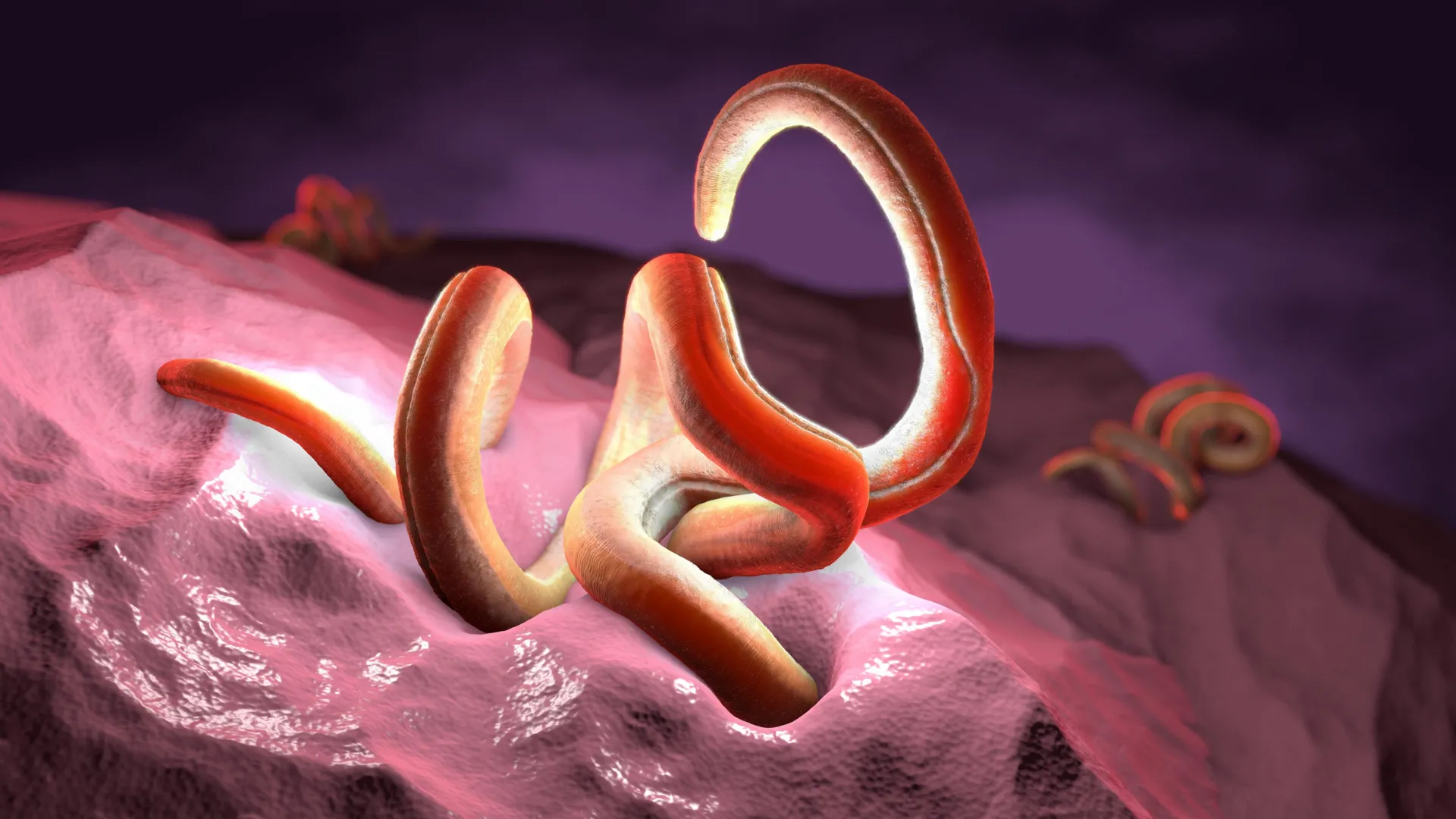
To solve the riddle of inconsistent results, the Czech research team embarked on a rigorous experimental study using the rat tapeworm Hymenolepis diminuta. This species is the gold standard for parasitology research because it is non-pathogenic to humans and possesses well-documented anti-inflammatory properties.
The Experimental Design
The researchers split their study subjects into two distinct groups, each fed a radically different diet. The first group received a high-fiber, plant-based diet, while the second was placed on a low-fiber, "Western-style" diet. The goal was to observe how the H. diminuta tapeworms would respond to the metabolic environment created by these specific dietary inputs.
Phase 1: The Hibernation Response
The initial results were immediate and startling. In the low-fiber cohort, the tapeworms entered what the researchers described as an "energy-saving state" that bore a striking resemblance to mammalian hibernation. Deprived of the fiber they required to thrive, these organisms became several times smaller than their counterparts. Genetic sequencing revealed a massive downregulation in genes associated with metabolism, reproduction, and development. Most importantly, these starved worms completely lost their ability to induce an anti-inflammatory response in the host.
Phase 2: The Thriving Host
Conversely, the group fed a high-fiber diet saw the tapeworms flourish. The parasites grew to their full, mature size and successfully reached sexual maturity. Crucially, the presence of these healthy worms acted as a "brake" on the host’s immune system, suppressing the inflammatory cascades that typically lead to gut distress. The fiber was not just feeding the worm; it was enabling the worm to regulate the host’s immune system.
Supporting Data: A Multi-Layered Ecosystem
The study’s findings go beyond a simple "worm-eats-fiber" relationship. The researchers found that dietary fiber acts as a foundational pillar for the entire gut ecosystem, influencing the microbiome, the parasite, and the immune system in a complex feedback loop.
Microbial Dysbiosis
The study confirmed that the host’s diet acts as a master switch for gut bacteria. High-fiber diets encouraged the proliferation of beneficial microbial colonies associated with gut integrity and metabolic health. In contrast, the low-fiber "Western" diet led to a precipitous decline in microbial diversity, paving the way for dysbiosis—an imbalance of the gut microbiota that is a known precursor to systemic inflammation.
The Immune Interface
The research suggests that the worm acts as a "biologic bridge" between fiber and the immune system. When the worm is healthy, it secretes metabolites and signals that modulate the host’s T-cells and cytokines, effectively quieting an overactive immune response. When the fiber is removed, the worm shuts down, the immune system loses its regulatory signal, and the gut environment becomes increasingly hostile.
Official Responses and Scientific Context
The implications of this research are being felt across the fields of immunology and gastroenterology. Experts who were not involved in the study have noted that it provides a long-sought explanation for the "missing link" in helminth therapy.
"The data is robust," says Dr. Elena Rossi, an immunologist specializing in parasite-host interactions. "We have known for a long time that diet influences the gut, but seeing the causal link between structural fiber, worm vitality, and immune suppression changes the game. It suggests that we cannot expect biological therapies to work if the host’s internal environment is fundamentally incompatible with the parasite’s needs."
The Biology Centre CAS team emphasizes that this research is not a call to introduce parasites to the general population. Rather, it is an urgent lesson in the power of the "fiber gap." With the average adult in Western nations consuming only 25–30 grams of fiber per day—a far cry from the 80–120 grams consumed by traditional, agrarian societies—the research highlights a potential dietary deficit that may be driving the global surge in inflammatory diseases.
Implications: The Future of Digestive Health
The implications of this study reach far beyond the niche field of parasitology. They underscore a fundamental truth about human physiology: we are not autonomous units, but hosts to a vast, interconnected ecosystem that requires specific inputs to function optimally.
The Microbiome-Brain-Immune Axis
The researchers point out that the consequences of low-fiber intake extend to mental health and neurodegeneration. A weakened gut microbiome, caused by a lack of fiber, is increasingly linked to:
- Cognitive Decline: Emerging data suggests that chronic inflammation originating in the gut can cross the blood-brain barrier, potentially contributing to Alzheimer’s and other neurodegenerative conditions.
- Psychological Well-being: The gut-brain axis is heavily influenced by microbial metabolites. Low-fiber diets have been statistically linked to higher rates of anxiety and depression, potentially due to the disruption of these vital chemical messengers.
- Allergic Responses: By failing to properly "educate" the immune system via healthy microbial and parasitic interactions, the modern body may be becoming more prone to overreacting to harmless environmental triggers.
A New Paradigm for Nutrition
For the general public, the study serves as a stark reminder of the importance of dietary fiber. While we may not be able to—or want to—reintroduce intestinal parasites to our modern lives, we can mimic the conditions that keep our internal ecosystem in balance. High-fiber, plant-rich diets are the primary fuel for a healthy gut environment, even in the absence of helminths.
By consuming diverse sources of fiber—legumes, whole grains, fruits, and vegetables—individuals can support the diversity of their microbiome, which in turn acts as the primary barrier against the inflammation that drives modern chronic disease.
Future Research Directions
The team at the Biology Centre of the Czech Academy of Sciences plans to continue their research by investigating the specific metabolites that worms produce when they interact with fiber. If they can isolate these anti-inflammatory compounds, it may be possible to develop "worm-mimetic" therapies—drugs that provide the immune-calming benefits of helminths without the need for an actual parasitic infection.
"The takeaway is that we are part of a larger system," concludes Jirků. "When we ignore the needs of the smallest members of our gut community, we ultimately pay the price in our own systemic health."
As we move forward, this research invites us to re-evaluate our relationship with our internal biology. Perhaps the cure for our modern, inflamed state is not to continue sanitizing our internal world, but to nourish the complex, ancient ecosystem that has evolved to protect us. The road to health, it seems, is paved with fiber.