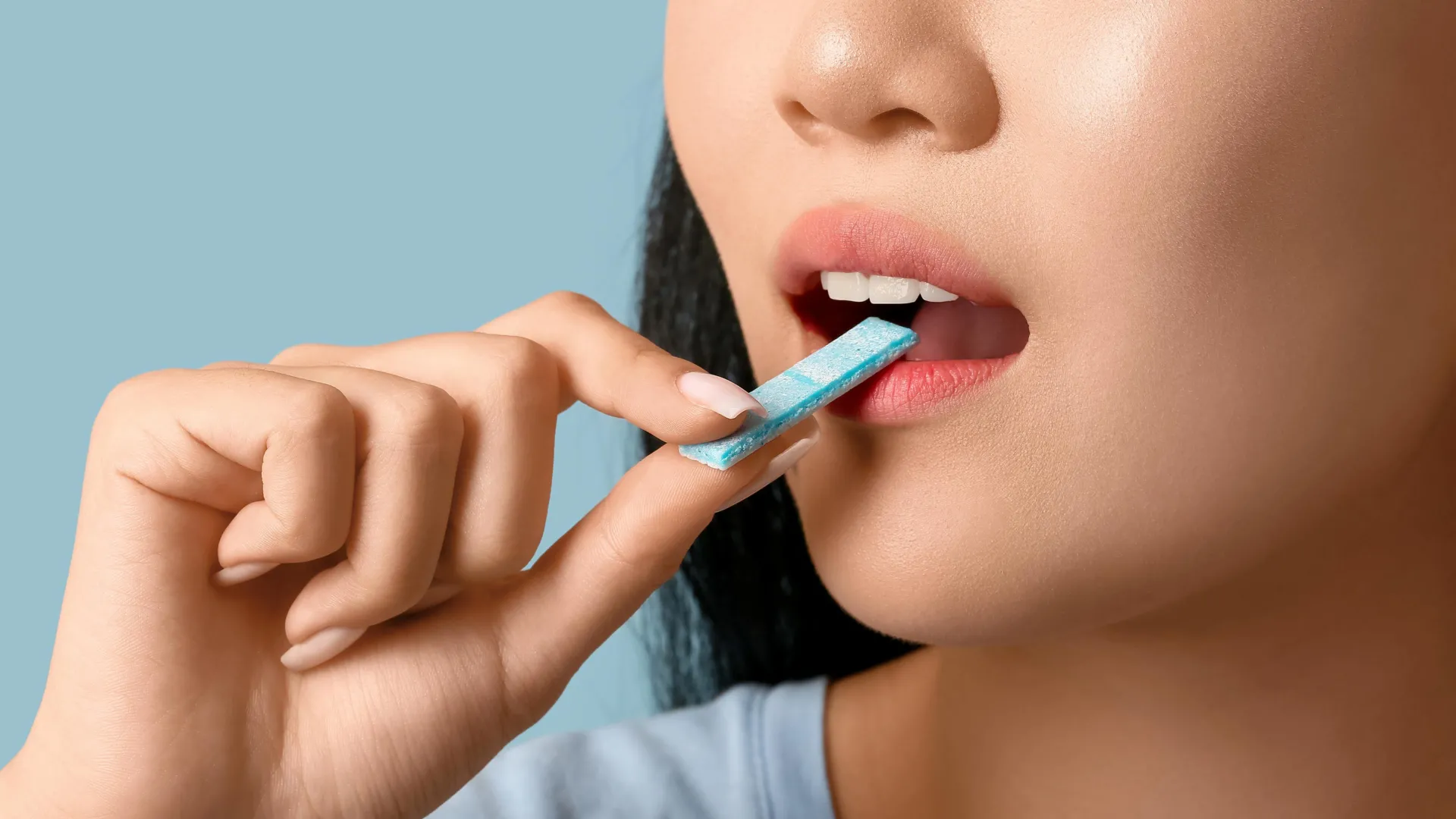
In a counterintuitive finding that bridges the gap between dental health warnings and cardiovascular physiology, researchers at King’s College London have uncovered a surprising synergy: chewing sugary gum after consuming nitrate-rich vegetables may temporarily lower blood pressure. The study, published in the British Journal of Clinical Pharmacology, suggests that by altering the chemical environment of the mouth, simple sugars can act as a catalyst for the body to better utilize the health-promoting compounds found in staples like beetroot, spinach, and kale.
While the medical community has long cautioned against the consumption of excess sugar due to its deleterious effects on metabolic health and dental hygiene, this new research provides a nuanced "proof of concept" regarding how oral chemistry influences systemic health.
The Nitrate-Nitrite Pathway: A Biological Balancing Act
To understand the significance of this discovery, one must first examine the journey of dietary nitrate through the human body. Nitrate is a compound that naturally accumulates in leafy greens and root vegetables from the soil. However, in its raw form, nitrate is biologically inert. It provides no direct benefit to the cardiovascular system until it undergoes a critical transformation.
This transformation occurs within the oral cavity. Commensal bacteria residing on the tongue and oral mucosa act as the body’s primary "nitrate-processing plant," reducing dietary nitrate into nitrite. Once swallowed, this nitrite enters the bloodstream, where it is converted into nitric oxide. Nitric oxide is a potent vasodilator—a substance that signals blood vessels to relax and widen, thereby improving blood flow and reducing systemic blood pressure.
Because this process is entirely dependent on the efficiency of oral bacteria, the limiting factor for many individuals is the speed and efficacy of this conversion. For years, scientists have sought ways to optimize this pathway, leading to the hypothesis that the pH level of the saliva plays a more vital role than previously understood.
The Hypothesis: Can Acidity Be an Ally?
Dr. Andrew Webb, Clinical Senior Lecturer in the School of Cardiovascular & Metabolic Medicine & Sciences at King’s College London, has been at the forefront of investigating these physiological variables. "Whether and how the acidity of the saliva in the mouth impacts the conversion of the inactive nitrate to the more active nitrite is a fundamental question," Dr. Webb explained.
Previous studies in the field had often suggested that increased acidity might inhibit the conversion process, yet the majority of this research was fragmented or conducted in limited environments. The team at King’s College London decided to test the opposite hypothesis: could a slight, temporary increase in oral acidity actually create a more favorable chemical environment for the bacteria responsible for the nitrate-to-nitrite conversion?
The research was prompted by a curious earlier observation: the team had previously noted that when participants combined beetroot juice with grapefruit juice, the resulting decrease in saliva acidity actually inhibited the conversion process. This realization sparked a formal investigation into whether increasing the acidity—through the medium of sugar-containing chewing gum—would yield the inverse, beneficial result.
Chronology of the Clinical Study
To test this, the research team designed a rigorous, randomized crossover study involving healthy volunteers. The protocol was designed to minimize external variables and ensure high-quality data collection.
Phase 1: The Baseline
Participants began the study by consuming a standardized shot of concentrated beetroot juice, a well-known source of dietary nitrate. Following consumption, the cohort was divided to test two different types of chewing gum: a sugar-containing variety (Hubba Bubba®) and a sugar-free alternative (Wrigley’s Extra®).
Phase 2: Monitoring and Collection
For a duration of three to six hours post-consumption, researchers monitored the participants continuously. The team collected comprehensive samples of both saliva and blood at set intervals. Simultaneously, they utilized medical-grade equipment to track shifts in systolic and diastolic blood pressure.
Phase 3: The Cross-Over
To ensure the validity of the results, the study employed a "crossover" design. After a minimum one-week washout period, the participants returned to the laboratory to repeat the exact experiment, this time switching the type of gum they chewed. This allowed the researchers to compare the physiological response within the same individuals under identical conditions, effectively neutralizing the influence of baseline genetic or lifestyle differences.
Supporting Data: The Impact of pH on Nitrite Levels
The findings were statistically significant and offered a clear picture of how oral pH dictates systemic outcomes. The data indicated that chewing the sugar-containing gum induced a measurable 1.4-point drop in salivary pH, confirming the hypothesis that the sugar effectively increased the acidity of the oral environment.
This shift in pH had a profound effect on bacterial performance:
- Nitrite Production: Participants who chewed the sugary gum exhibited a 45% increase in nitrite levels within the mouth compared to those who used the sugar-free option.
- Circulating Nitrite: This localized increase translated into a 25% increase in nitrite levels circulating throughout the bloodstream.
- Hemodynamic Response: The cardiovascular benefits were immediate and measurable. Systolic blood pressure decreased by approximately 3 mmHg, while diastolic blood pressure fell by nearly 2 mmHg.
While these numbers may appear modest in isolation, in the context of cardiovascular health, even small, sustained reductions in blood pressure can significantly lower the risk of heart disease and stroke across a population.
Official Responses and Medical Caveats
Despite the positive findings, the researchers were quick to temper public enthusiasm with a stern warning: this study is not a prescription for a sugary diet.
"The effects were only short-term, lasting several hours, and long-term use of sugar-containing products would not be recommended for dental health," Dr. Webb noted. The medical consensus remains that high sugar intake is a primary driver of tooth decay, inflammation, and metabolic syndrome. The study provides a "proof of concept" for biochemistry, not a dietary recommendation for daily life.
Dr. Charlotte Mills, a co-author of the study from the University of Reading, emphasized the necessity of separating the mechanism from the method. "We are certainly not suggesting that people should start chewing sugary gum regularly," she said. "The challenge now is to identify alternative strategies that are both effective and appropriate for long-term use."
The researchers suggested that the traditional culinary habit of finishing a meal—which might include nitrate-rich vegetables—with a piece of fruit or a sweet dessert might accidentally be engaging this mechanism. Because chewing gum remains in the mouth for a longer period than a quick bite of food, it is particularly effective at altering the salivary pH, but the team is now looking for "tooth-friendly" ways to replicate this chemical environment without the negative side effects of sugar.
Implications for Athletes and Future Research
One of the most promising applications of this research lies in the world of professional sports. Dietary nitrate is already an established ergogenic aid—a substance used to enhance exercise performance. Athletes frequently supplement with beetroot juice to improve oxygen efficiency and delay fatigue.
If the conversion of nitrate to nitrite can be optimized through simple, safe oral interventions, it could represent a massive shift in how athletes fuel their performance. By identifying a non-sugary way to shift oral pH, the researchers believe they can help athletes extract significantly more value from the nitrate they already consume.
The research team at King’s College London and the University of Reading is already planning a larger, more comprehensive study. This next phase will involve high-performance athletes to further examine the relationship between salivary pH, nitrate metabolism, and endurance capacity.
Ultimately, this study serves as a reminder that the human body is a complex ecosystem where seemingly disparate factors—like the type of chewing gum used after lunch—can influence deep-seated physiological functions. By unlocking the secrets of our oral microbiome, scientists hope to develop smarter, more effective nutritional strategies that support cardiovascular health without compromising the integrity of our teeth or our long-term metabolic stability.