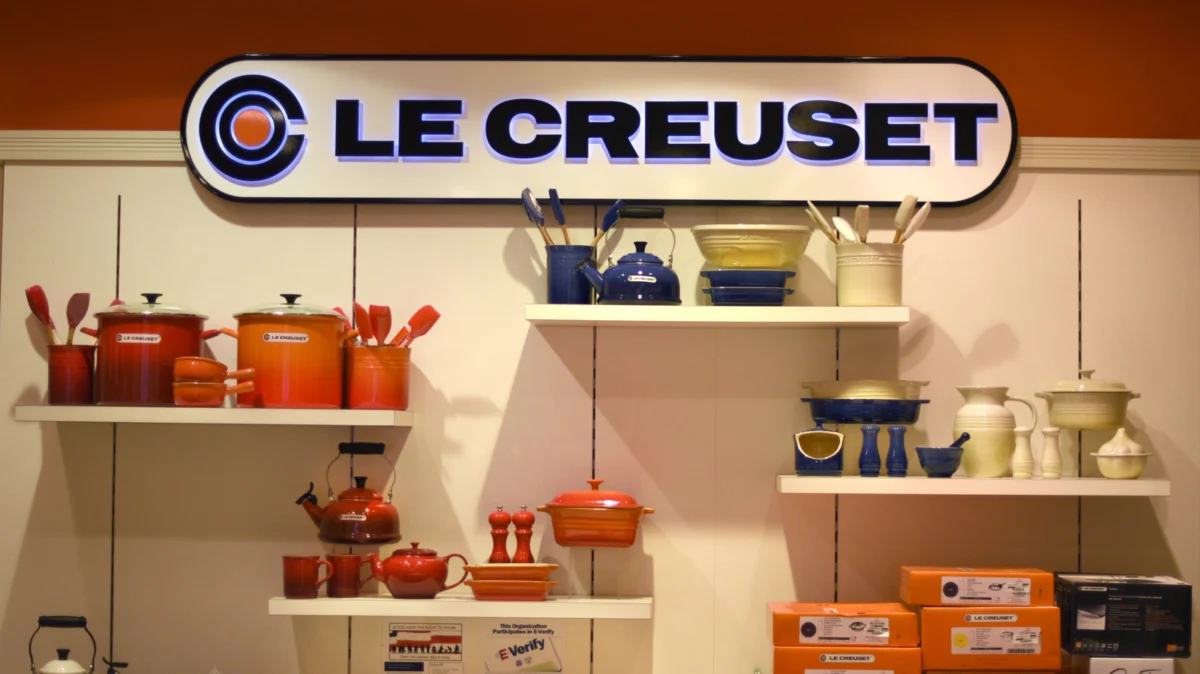
Since its inception in 1925 in Fresnoy-le-Grand, France, Le Creuset has cultivated a reputation as the gold standard of kitchenware. The company’s name—French for "the crucible"—serves as a nod to the intense heat required to melt iron for casting. For nearly a century, the brand has been synonymous with durability, artisanal craftsmanship, and the iconic, vibrant enameled cast iron Dutch oven that has become a staple of professional kitchens and home culinary arsenals alike.
However, the prestige surrounding the brand often obscures the practical realities of owning and maintaining such high-performance equipment. While Le Creuset pieces are frequently framed as "heirloom" items intended to be passed down to future generations, they are not impervious to the laws of physics or the rigors of modern kitchen use. Before committing to a significant financial investment in this premium cookware, it is essential to look past the marketing and understand the common challenges associated with the brand.
1. The Premium Price Point: A Financial Commitment
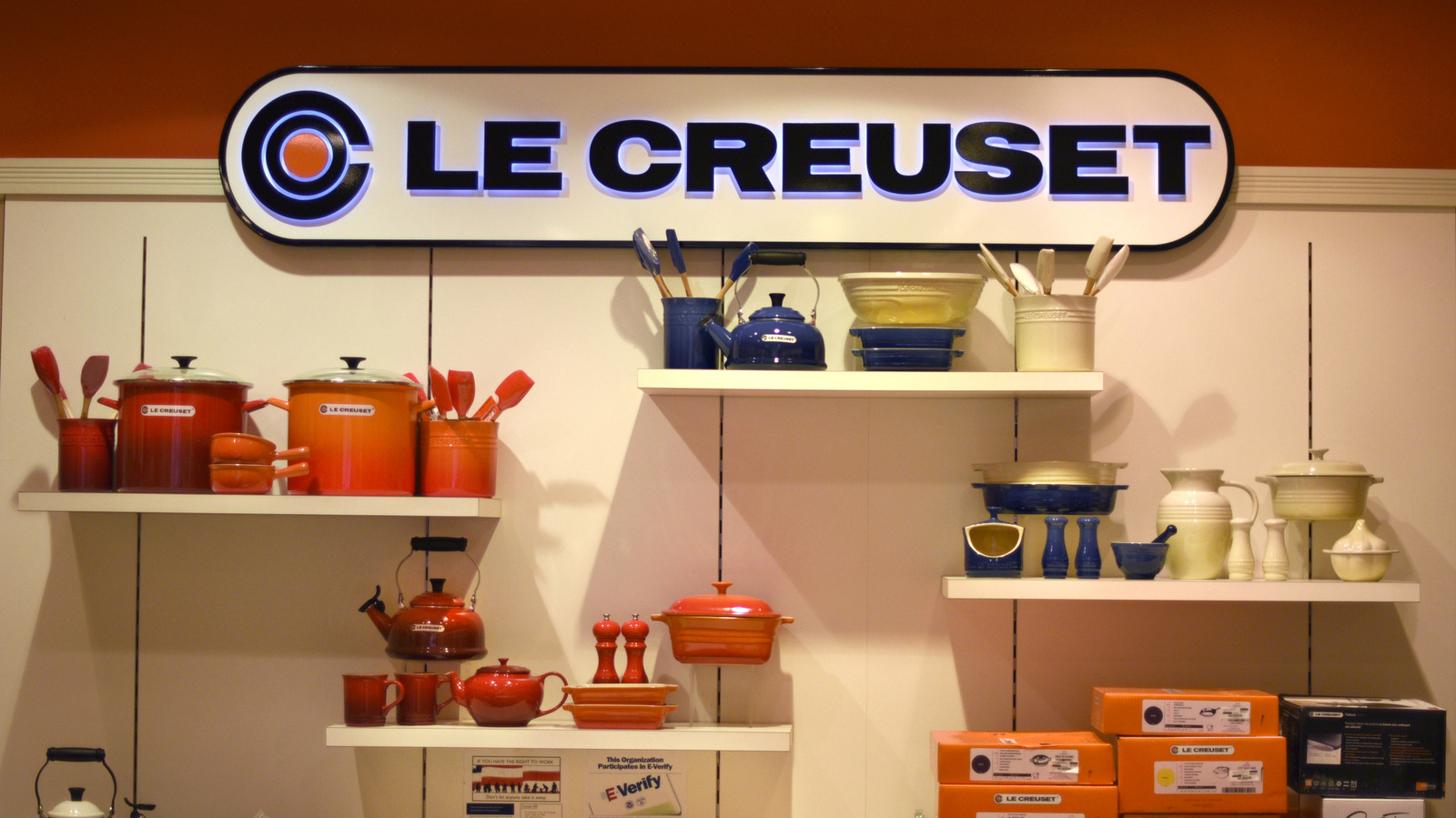
The first and most obvious hurdle for many consumers is the cost. Le Creuset is a premium product, and you are paying for artisanal, hand-made craftsmanship that is rare in an era of mass-produced, low-cost manufacturing. Each piece of cast iron is still cast in individual sand molds, which are broken after each use.
While the prices are not as extreme as high-end copperware from manufacturers like Mauviel or de Buyer—which can reach four figures for a single vessel—a standard 3.5 to 4-quart Le Creuset Dutch oven typically retails in the $400 to $500 range. For the average home cook, this represents a substantial budget allocation. While the secondary market (thrift stores and estate sales) offers an opportunity to acquire vintage pieces at a fraction of the cost, the new retail price remains a significant barrier to entry for many.
2. The Weight Factor: Ergonomics and Utility
Beneath the glossy, vibrantly colored enamel coating lies solid cast iron. The material is renowned for its heat retention and even distribution, but it is undeniably heavy. A 6-quart Dutch oven can weigh over 11 pounds empty; when filled with a standard pot roast and aromatics, that weight can easily climb toward 20 pounds.
This physical weight presents a legitimate ergonomic challenge. For individuals with limited grip strength, joint issues, or limited storage accessibility, maneuvering these heavy pots from a high shelf to a stovetop can be a hazardous endeavor. It is a critical, often-overlooked factor that should dictate the size of the vessel you choose to purchase.

3. The Brittleness of Enamel
The signature enamel finish is a triumph of function, acting as a non-reactive barrier that eliminates the need for the seasoning required by traditional bare cast iron. It allows for the cooking of acidic ingredients—such as tomato sauces or wine-based braises—that would otherwise strip seasoning or impart a metallic taste to food.
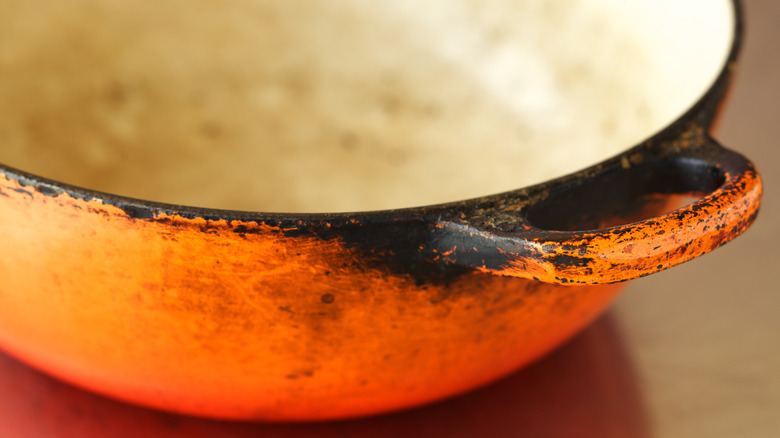
However, enamel is essentially glass fused to metal, and it is inherently brittle. Unlike raw cast iron, which can take a beating and be restored, a significant chip in the enamel of a Le Creuset pot can expose the iron beneath. This not only invites rust but can also lead to further flaking of the coating into your food. This vulnerability requires a shift in how one handles their cookware, moving away from the "rough-and-tumble" approach often associated with traditional cast iron.

4. Thermal Shock: The Physics of Damage
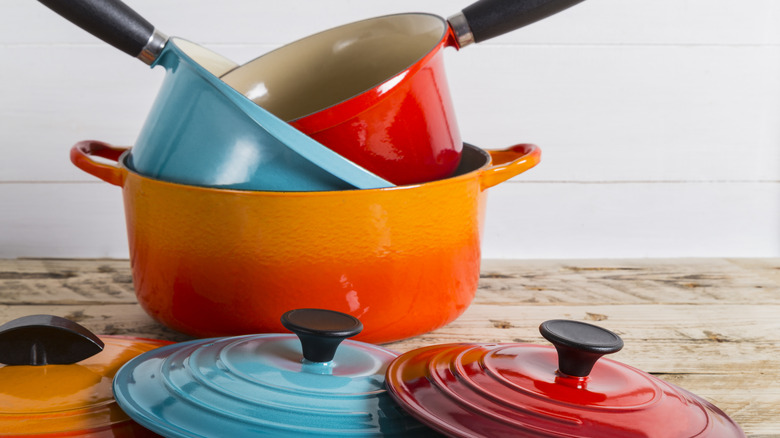
Perhaps the greatest threat to an enameled piece is "thermal shock." This occurs when the cookware is subjected to rapid temperature fluctuations. Because the iron base and the glass-like enamel coating expand and contract at different rates, sudden changes—such as placing a scorching hot pot onto a cold granite countertop or running cold water into a hot pan—can cause the enamel to "spiderweb" or crack.
Once the integrity of the enamel is compromised, the pot becomes significantly less effective and, in severe cases, potentially unsafe to use. Preventing this requires discipline: always allow your cookware to return to room temperature naturally before cleaning or storing it.
5. The Dishwasher Dilemma
While Le Creuset officially markets much of its enameled cast iron as "dishwasher safe," the reality is more nuanced. The high-heat cycles and abrasive detergents used in modern dishwashers can gradually dull the vibrant, lustrous finish that is a hallmark of the brand.
Furthermore, the mechanical impact of the dishwasher is a major risk. During a wash cycle, the intense water jets can cause pots and lids to collide with other dishes or the dishwasher rack itself. Given the weight and brittleness of the pieces, these collisions are prime candidates for chipping the enamel. Most culinary experts strongly recommend hand-washing to ensure the longevity of the piece’s aesthetic and structural integrity.
6. The Danger of Metal Utensils
Many home cooks are accustomed to using metal spatulas and whisks without a second thought. On a Le Creuset piece, this habit must be broken. Metal tools, particularly those with sharp or jagged edges, can gouge the enamel. Using a hand mixer inside an enameled pot is particularly destructive, as the high-speed metal beaters can quickly create deep scratches. To preserve the finish, users should strictly adhere to silicone, wooden, or heat-resistant nylon utensils.
7. High-Heat Limitations
There is a common misconception that because cast iron is "heavy-duty," it can handle any level of heat. In reality, enameled cast iron has a lower heat tolerance than its bare counterpart. Most Le Creuset products are rated for oven use up to 500°F (260°C). Exceeding these manufacturer-recommended temperatures can stress the enamel and cause it to fail. For searing at extremely high temperatures, traditional raw cast iron or carbon steel remains a more robust choice.
8. Handle and Knob Failure Points
The hardware on your cookware—the knobs and handles—is often the weakest link. While the pots themselves might be oven-safe up to 500°F, the lid knob may have a different rating depending on whether it is made of phenolic (black plastic), stainless steel, or wood. For example, some older or "Classic" range knobs are rated only to 390°F. Failing to verify the heat rating of your specific knob before placing a pot in a high-temperature oven can lead to melted components.
9. Product Diversification and Confusion
Le Creuset has expanded significantly beyond its flagship cast iron, now offering stoneware, stainless steel, and non-stick collections. It is vital for the consumer to understand that these materials are not interchangeable in their usage.
Stoneware, for instance, is not designed for direct contact with a stovetop burner; attempting to use it as a substitute for a Dutch oven will almost certainly result in thermal shock and catastrophic failure. Furthermore, the handling of stainless steel requires a different approach to heat management compared to the heat-retentive properties of enameled cast iron.
10. The Reality of the Warranty
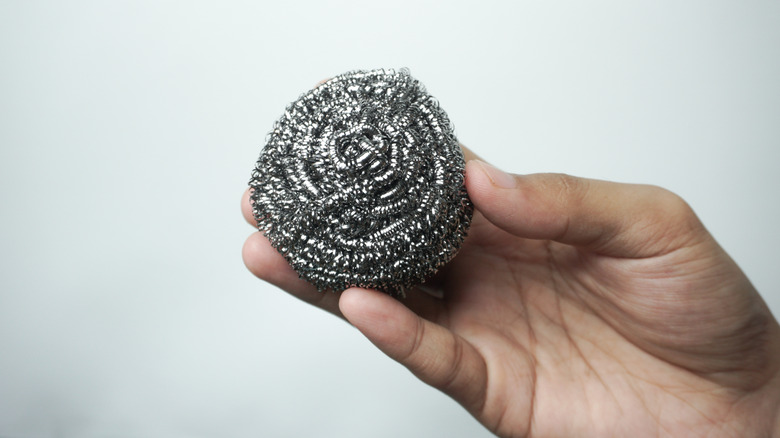
Le Creuset’s lifetime warranty is a powerful marketing tool, but it is not a "no-questions-asked" guarantee. The warranty covers defects in materials and craftsmanship under normal domestic use. It specifically excludes damage caused by accidental mishandling, such as dropping the pot, thermal shock, or the use of improper cleaning methods like metal scrubbers.
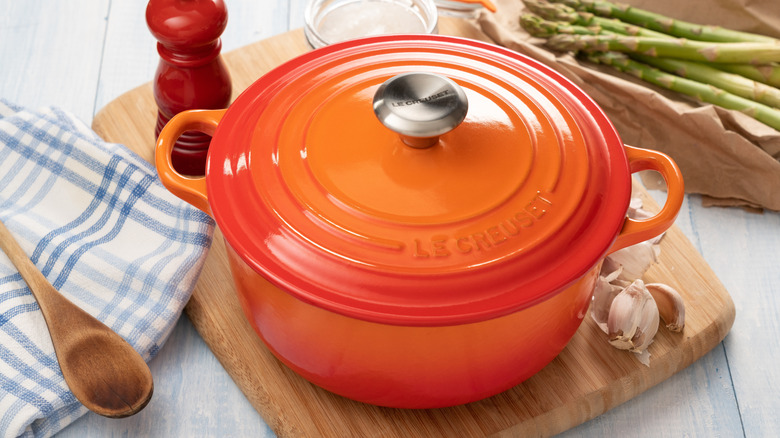
Furthermore, even when a warranty claim is validated, the consumer is typically responsible for the shipping costs to the repair facility. Given the weight of these items, shipping a heavy Dutch oven can be costly, making the warranty a safety net rather than a free replacement program.
Chronology of Care and Maintenance
To ensure your investment lasts as long as the marketing promises, a structured approach is required:
- Initial Use: Always preheat your pot gradually on low to medium heat. Avoid "shocking" the pan with high heat immediately.
- Daily Cooking: Utilize wood or silicone tools to protect the interior glaze.
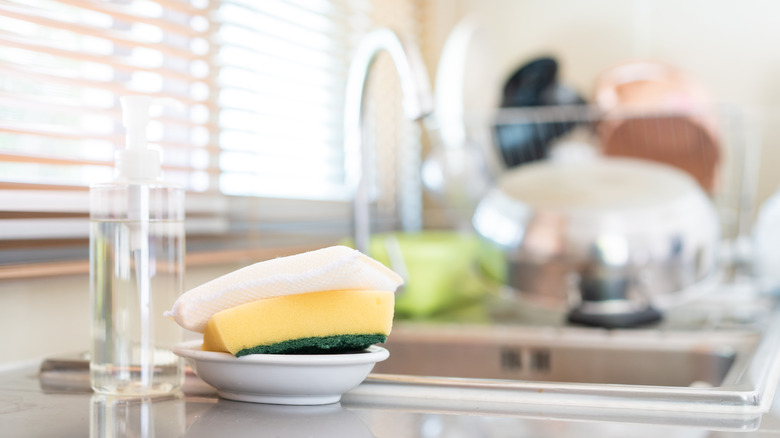
- Cleanup: Wait for the pot to cool completely. Use non-abrasive sponges and, if necessary, a specialized cleaner like Le Creuset’s own or a mild cleanser like Barkeeper’s Friend to remove stubborn stains.
- Storage: Avoid stacking pots directly on top of one another without protective layers (like felt pads) to prevent scratching the enamel.
Official Response and Expert Perspective
Le Creuset maintains that its products are designed to last a lifetime, emphasizing that the majority of issues arise from user error rather than manufacturing defects. In response to consumer queries regarding chips or discoloration, the company consistently points to their "Care and Use" guidelines, which highlight the importance of avoiding thermal shock and abrasive cleaning agents. Culinary professionals often suggest that while Le Creuset is indeed a "luxury" item, it functions best when treated as a tool of precision rather than a "workhorse" that can withstand any level of abuse.
Implications for the Consumer
Ultimately, Le Creuset cookware is a superior product that offers unmatched performance for specific tasks—primarily slow-cooking, braising, and baking. However, it requires a "high-maintenance" relationship. If you are looking for a set of pots that you can toss in the dishwasher, scrub with steel wool, and use on the highest heat setting, Le Creuset will likely frustrate you. If, however, you value the aesthetic appeal, the consistent performance, and are willing to adapt your cooking habits to respect the material’s limitations, the investment is one that can genuinely span generations.