Introduction: A Resource-Driven Catastrophe
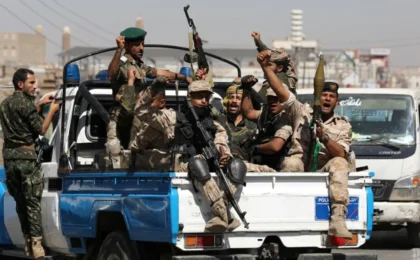
Three years into a devastating civil war, the Republic of Sudan has become the epicenter of one of the world’s most acute humanitarian catastrophes. While global attention has often focused on the brutal clashes between the Sudanese Armed Forces (SAF) and the paramilitary Rapid Support Forces (RSF), a new, damning report from the United Nations has illuminated a darker, structural reality: the conflict is being sustained by a sophisticated, self-perpetuating war economy.
As the costs of military engagement skyrocket, warring parties have pivoted from traditional military strategy to the systematic exploitation of Sudan’s vast natural wealth. From the gold mines of Darfur to the gum arabic orchards of Kordofan, the commodities that should sustain the Sudanese people are instead being weaponized to finance their destruction.
The Mechanics of the War Economy
The Commodities-Conflict Nexus
The United Nations High Commissioner for Human Rights, Volker Türk, recently underscored a harrowing irony: Sudan’s natural bounty, rather than serving as a foundation for national development, has become the fuel for its disintegration. The conflict has transitioned into a "self-perpetuating" cycle where the control of territory is no longer just a tactical advantage—it is a fiscal necessity.
The belligerents have established a shadow economy built on three primary pillars:
- Gold Extraction and Smuggling: As the most lucrative asset, gold serves as the lifeblood of the war effort. Control over mines and smuggling routes allows factions to generate hard currency, which is subsequently converted into weaponry and mercenary support.
- Livestock and Agricultural Monopoly: By controlling transit corridors, armed groups impose "taxes" on the movement of cattle and crops. These informal levies act as a constant revenue stream for commanders on the ground.
- The Gum Arabic Value Chain: Perhaps the most alarming finding is the systematic subversion of the gum arabic trade. Sudan is the world’s leading producer of this vital commodity, used globally in pharmaceuticals, cosmetics, and food production. The UN report reveals that the trade has been hijacked by armed groups, leading to widespread extortion, looting, and the forced displacement of local farmers to secure export control.
A Chronology of Escalation
The current conflict, which began in April 2023, has evolved from a power struggle into a total war of attrition.
- April 2023: Hostilities erupt in Khartoum, quickly spreading to Darfur and the Kordofan regions. Early international efforts at mediation fail to account for the financial incentives of the warring parties.
- Late 2023 – Early 2024: As the intensity of the fighting creates an arms-race dynamic, both the SAF and RSF formalize their control over economic hubs. Reports begin to surface of "taxation" checkpoints along major trade arteries.
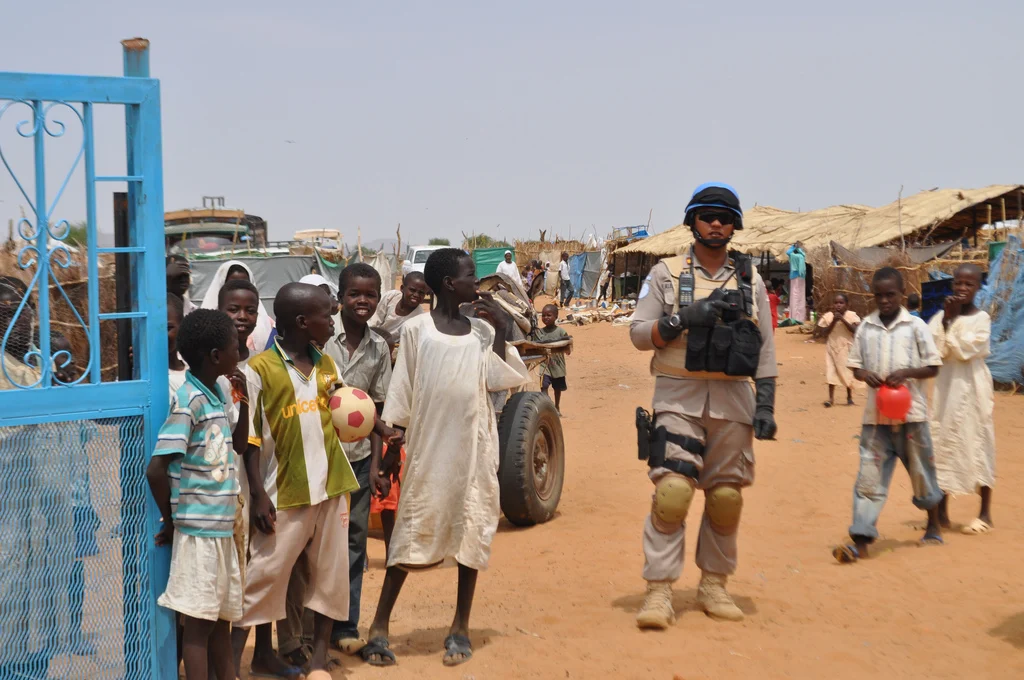
- Mid-2025: The humanitarian situation reaches a breaking point. The UN warns that the healthcare system has effectively collapsed, with malnutrition rates hitting historic, life-threatening levels.
- Early 2026: The UN marks 1,000 days of conflict. Global human rights organizations document a significant uptick in foreign military involvement and private mercenary deployment, financed directly by the proceeds of resource extraction.
- July 2026: The UN releases its comprehensive report on the war economy, specifically highlighting the exploitation of the gum arabic supply chain and calling for immediate international corporate accountability.
Supporting Data: The Human Cost
The numbers associated with the Sudanese crisis are staggering. According to UN data, the conflict has displaced millions, leaving the population in a state of perpetual instability.
- Human Rights Violations: The report highlights that the control of commodity routes has led to the systematic targeting of civilians. Farmers and traders are frequently subjected to arbitrary detention, extortion, and the looting of their livelihoods.
- Traceability Crisis: The fragmentation of trade routes and the rise of cross-border smuggling into neighboring countries have rendered the global supply chain opaque. Companies sourcing from Sudan can no longer verify the ethical provenance of their raw materials, effectively meaning that consumer goods in Europe and North America may be inadvertently subsidizing the violence in Sudan.
- Healthcare Infrastructure: The destruction of medical facilities is not merely a byproduct of urban warfare but a strategic element in weakening local resistance. The lack of funding, combined with the diversion of resources toward military spending, has created a void where preventable diseases are now a primary cause of death.
Official Responses and Calls to Action
Volker Türk’s Mandate
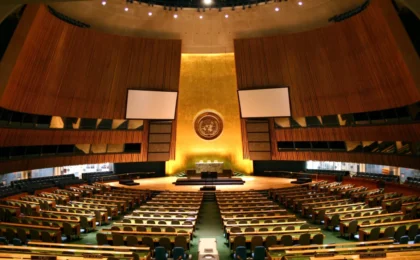
High Commissioner Volker Türk has been unequivocal in his condemnation of both the warring parties and the international entities that facilitate this trade. He has urged states and corporations engaged in the Sudanese commodities trade to adhere strictly to the UN Guiding Principles on Business and Human Rights.
"We cannot allow the pursuit of profit to override the fundamental right to life," Türk stated during the press conference regarding the July 2026 report. His office has demanded:
- Enhanced Due Diligence: Companies must implement rigorous, third-party oversight of their supply chains to ensure no revenue is reaching parties to the conflict.
- Scrutiny of Intermediaries: The UN is calling for a global crackdown on the illicit brokers who facilitate the sale of gold and gum arabic, moving them from conflict zones to international markets.
- Collaborative Enforcement: Responsibility is not restricted to Sudan; neighboring countries and international trading partners share a duty to close the borders to smuggled, conflict-funded goods.
The Global Implications: A Responsibility to Act
The UN report serves as a wake-up call for the international community. The "war economy" model in Sudan is not unique, but its scale is unprecedented in the region.
Fragmentation of Global Trade
The disruption of the gum arabic trade is a microcosm of a larger issue. When global supply chains are compromised by civil war, the resulting volatility harms legitimate producers, destabilizes regional markets, and forces a reliance on illicit actors. This "shadow trade" is now so deeply embedded that it threatens to undermine the sovereignty of Sudan’s neighbors, as the conflict’s economic tentacles reach across borders.
The Role of Corporate Responsibility
For decades, the "Business and Human Rights" framework has been seen as a set of voluntary guidelines. The UN’s latest findings suggest that the time for voluntary compliance has passed. If global companies continue to source materials from regions where the state has collapsed and warlords control the means of production, they risk becoming complicit in war crimes.
The mandate is clear: investors and consumers must demand transparency. If a commodity cannot be traced to a conflict-free origin, the trade must be halted until stability can be restored.
Conclusion: The Path Ahead
The tragedy of Sudan is that it possesses the wealth to be a prosperous nation, yet it is trapped in a cycle of greed that benefits only a select few. The war is no longer merely about who sits in the presidential palace in Khartoum; it is about who controls the gold mines, the cattle, and the gum arabic orchards.
To break this cycle, the international community must move beyond rhetorical condemnation. It must target the financial veins of the conflict. By choking off the revenue streams that sustain the RSF and the SAF, the global community can force a shift in the strategic calculus of the warring parties.
As the population faces the prospect of further displacement and systemic starvation, the moral imperative is clear: the trade of Sudanese commodities must no longer be a transaction of blood. The survival of millions depends on the ability of the international community to disentangle the global market from the war machine, ensuring that the wealth of Sudan finally returns to those who have sacrificed everything for its future.