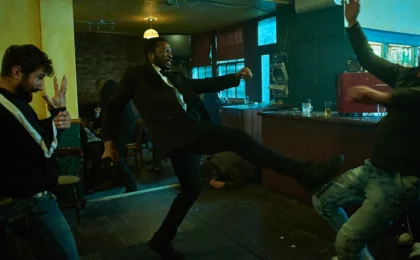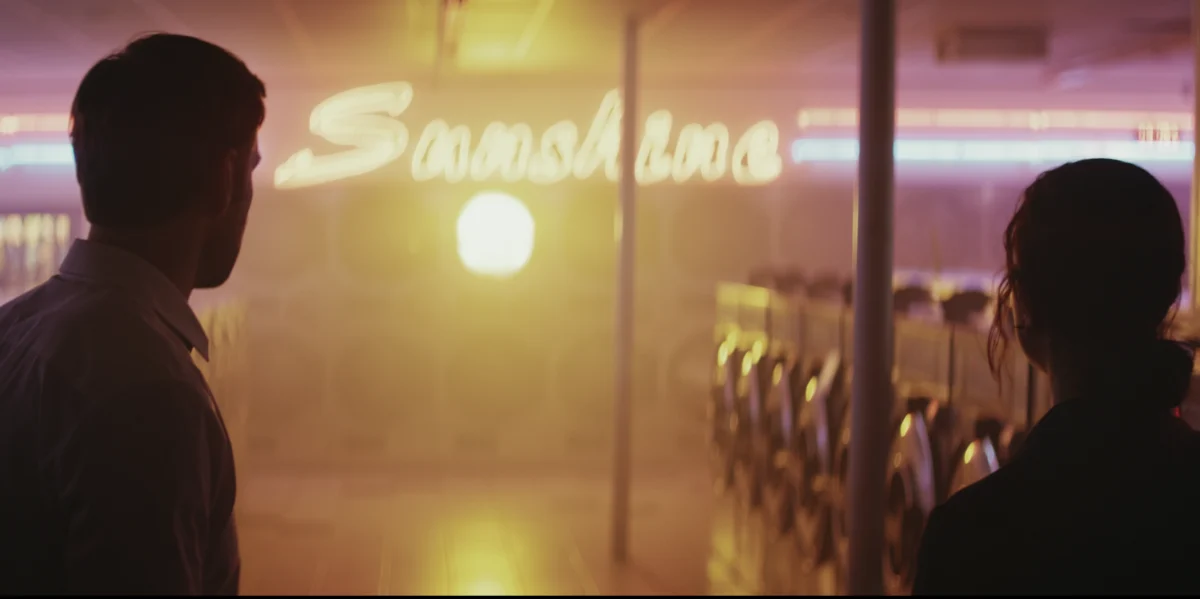
In a significant acquisition for the independent horror landscape, Cineverse and its specialized horror subsidiary, Bloody Disgusting, have secured the U.S. video-on-demand (VOD) and streaming rights to Portal to Hell. The debut feature film from director Woody Bess, which previously garnered buzz on the festival circuit at Slamdance and Frightfest, promises to inject a unique blend of supernatural dread and dark comedy into the summer streaming slate.
With a star-studded cast that includes genre icon Keith David and comedic veteran Richard Kind, the film has positioned itself as one of the most anticipated indie horror releases of the year. Following a limited theatrical rollout across North America, Portal to Hell is slated for a wide digital release, signaling a robust distribution strategy aimed at maximizing the reach of Bess’s inventive vision.
The Plot: A Laundromat to the Underworld
Portal to Hell introduces audiences to Dunn, played by Trey Holland (The Diabolical). A man defined by his rigid adherence to routine, Dunn works as a debt collector, a profession that requires a certain level of detachment and professional stoicism. His quiet, predictable life is shattered when a literal gateway to the infernal realm manifests inside his local laundromat.
The narrative takes a sharp turn into the macabre when a demon, portrayed by Richard Kind (Spin City), emerges from the portal with a specific mission: to collect the soul of Dunn’s neighbor, Mr. Bobshank (Keith David, The Thing), to settle an outstanding debt with the underworld.
While Dunn is accustomed to helping people navigate their financial liabilities, he finds himself woefully unprepared for the currency of souls. When the demon proposes a Faustian bargain—three souls in exchange for Bobshank’s freedom—Dunn refuses, setting the stage for a high-stakes, horror-comedy showdown. The film is bolstered by a strong supporting cast, including Romina D’Ugo (12 Monkeys), Michael McDonald, Casey Deidrick, Trevor Newlin, Ryan Follesé, Kevin Fonteyne, and Monet Weir.
Chronology of Production and Development
The journey of Portal to Hell from concept to screen reflects the grit and determination characteristic of modern independent filmmaking.
The Creative Genesis
Director Woody Bess, who also gained industry acclaim for his 2024 Blacklist-recognized script Total Landscaping, spent the last several years refining the screenplay for Portal to Hell. The project was developed through a collaborative effort between Little Shadows and a consortium of production houses, including Hello Moon, Ford Films, This is Swington, Dalmatian Cow, and Baked Studios.
The Festival Run
The film first made its mark at Slamdance and Frightfest, where it was noted for its unconventional tonal shifts and technical ambition. These screenings served as a launchpad, allowing the filmmakers to connect with genre-focused distributors. The positive reception from festival audiences was the primary catalyst for the interest shown by Cineverse and Bloody Disgusting, who saw an opportunity to capitalize on the film’s "horror-forward" appeal.
The Distribution Deal
The acquisition was finalized through a multi-party negotiation involving Raven Banner’s Cecilia Brush and Michael Paszt, alongside Dan Fisher, the vice president of acquisitions at Cineverse. The deal covers the U.S. market, though Raven Banner retains worldwide rights and continues to secure international distribution. Already, the film has found homes with Lighthouse in Germany and 9th Planet in Poland, with further sales expected to be finalized at the upcoming Cannes Film Festival.
Supporting Data: The Theatrical Rollout
The film’s theatrical strategy is designed to build grassroots momentum before it hits digital platforms. By targeting independent cinemas across North America, the distributors are leaning into the cult-classic potential of the film.
Confirmed Theatrical Schedule (2026):
- July 9: Paradise (Toronto, ON)
- July 24–25: Laurelhurst Theater (Portland, OR)
- July 31: Screenland Amour (Kansas City, MO)
- July TBD: The Palace Eastwood (Syracuse, NY)
- August TBD: Rio Theater (Vancouver, BC)
- August 8: Cinema Art Theater (Rehoboth Beach, DE)
- August 21: The Independent (Huntsville, AL)
- August TBD: Chase Park Plaza Cinema (St. Louis, MO)
- August TBD: Bama Theatre (Tuscaloosa, AL)
- September 5: Shoals Theatre (Florence, AL)
- September TBD: Darkside Cinema (Corvallis, OR)
- September TBD: Lumiere Cinema (Beverly Hills, CA)
- October TBD: Rodeo Cinema (Oklahoma City, OK)
Official Responses and Creative Vision
The filmmakers have expressed significant enthusiasm regarding the partnership with Cineverse, citing the distributor’s specialized focus on the horror genre as a primary factor in the decision.
"We’re excited to bring Portal to Hell to Cineverse and work with the passionate group of genre folks over there to release the film," the production team stated in a joint press release. "Their reach and partnership felt like a natural home to bring our film to a larger audience that truly appreciates the nuances of horror-comedy."
Dan Fisher of Cineverse echoed this sentiment, emphasizing why the film fits the brand’s identity: " Portal to Hell is exactly the kind of sharp, wildly entertaining genre film that Cineverse and Bloody Disgusting audiences respond to—inventive, funny, and genuinely horror-forward, with a terrific cast led by Keith David and Richard Kind."
Fisher noted that the synergy between David’s gravitas and Kind’s comedic timing provides the film with a "magnetic quality" that is rare in low-budget indie horror.
Implications for the Independent Horror Market
The acquisition of Portal to Hell serves as a case study for the current state of independent genre film distribution. Several key implications emerge:
The "Bloody Disgusting" Effect
By housing the film under the Bloody Disgusting banner, Cineverse is effectively utilizing a "niche-first" strategy. In an era of content saturation, audiences are increasingly looking to trusted curators to identify high-quality horror. By leveraging the Bloody Disgusting brand, the film gains immediate credibility among dedicated genre enthusiasts.
The Return of the "Limited Theatrical" Strategy
While streaming is the end goal, the reliance on a multi-city limited theatrical run suggests that distributors still value the "event" nature of cinema. By creating a physical footprint in cities from Toronto to Tuscaloosa, the production generates a sense of scarcity and community that is often lost in a purely digital release.
Global Market Resilience
The fact that Portal to Hell secured distribution in Germany and Poland even before its U.S. digital release underscores the enduring global appetite for high-concept horror. With Raven Banner continuing to negotiate at the Cannes Film Festival, the film is likely to see further expansion into Asian and South American markets, proving that a well-executed, character-driven horror-comedy can transcend linguistic and cultural barriers.
The Rise of the "Genre-Comedy" Hybrid
The success of films like Portal to Hell signals a shift away from the "grim-dark" obsession that dominated indie horror for much of the early 2020s. By balancing genuine scares with the absurdity of a demonic debt collector, the film aligns with a broader industry trend of "fun-first" horror—films that aim to leave the audience unsettled, but also thoroughly entertained.
As the film prepares for its July debut, all eyes will be on how this unique blend of talent and tone resonates with the broader public. With a strong distribution partner and a clear vision, Portal to Hell is well-positioned to become a standout title in the 2026 horror canon.