July 9, 2026 – The fragile stability of the Middle East has shattered as the United States and Iran entered a new, volatile phase of direct military confrontation. Following a night of intense aerial bombardment, the Strait of Hormuz—the world’s most critical maritime chokepoint—has become the epicenter of a widening regional war.
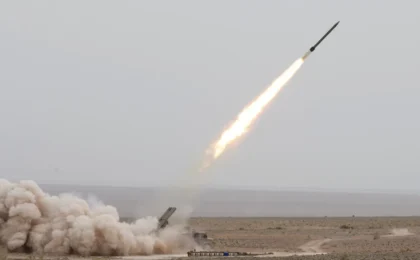
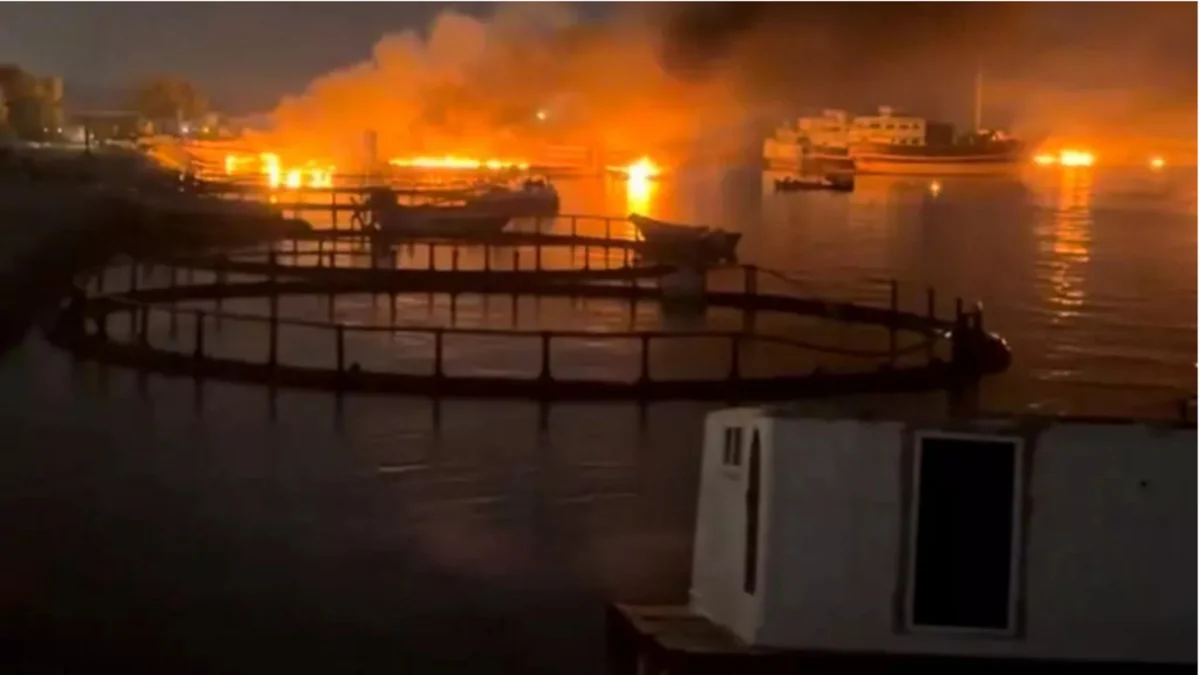
As of Thursday morning, US military officials confirmed that approximately 90 Iranian military targets along the coastline were successfully struck in a series of precision raids. The operations, which saw plumes of smoke rising from the port of Kuhestak in Hormozgan Province, were a direct response to a coordinated Iranian offensive that targeted infrastructure and assets in Bahrain, Kuwait, and Qatar.
The escalation follows US President Donald Trump’s declaration on Wednesday that the brief ceasefire between Washington and Tehran was “over,” effectively nullifying efforts to de-escalate the hostilities that have plagued the region since the passing of Iran’s supreme leader, Ayatollah Ali Khamenei.
1. The Breakdown of Diplomacy: A Chronology of Conflict
The current hostilities represent a rapid deterioration of a situation that had been teetering on the edge for weeks. The sequence of events leading to the current crisis highlights the fragility of regional security frameworks:
- The Catalyst: The conflict intensified following a series of maritime skirmishes within the Strait of Hormuz, where merchant vessels were reportedly attacked, prompting an immediate US military response.
- The Funeral Procession: Amidst the military tension, the funeral procession for Ayatollah Ali Khamenei drew millions into the streets of Iraq’s holy cities. Analysts suggest that the logistical focus on these processions may have provided a strategic window for the subsequent military escalation.
- The Collapse of the Truce: On Wednesday, July 8, President Donald Trump officially terminated the interim ceasefire, citing Iran’s continued aggression. Despite the rhetoric, the White House has left a narrow door open for potential future negotiations, though the current reality on the ground remains defined by kinetic warfare.
- The Overnight Raids: Moving into Thursday, July 9, the US launched a massive campaign targeting coastal Iranian military installations, aiming to neutralize long-range missile batteries and naval command centers.
2. Strategic Implications: The Hormuz Flashpoint
The Strait of Hormuz serves as the transit route for roughly 20% of the world’s petroleum consumption. Any sustained conflict in this corridor threatens to disrupt global energy markets, spiking oil prices and triggering supply chain shocks that could be felt as far away as Tokyo and London.
The Military Landscape
The US military’s decision to strike 90 targets simultaneously suggests a strategy of "degradation"—a move designed to strip Iran of its ability to project power across the Gulf. By targeting the Hormozgan Province, the US is explicitly aiming to disable the facilities responsible for the recent attacks on neighboring Gulf Cooperation Council (GCC) states.
However, the retaliatory strikes by Iran against Bahrain, Kuwait, and Qatar signify that Tehran is willing to expand the geographical scope of the war. These countries host significant US military installations, making them both strategic allies and vulnerable targets in the event of a total regional meltdown.
3. Geopolitical Ripple Effects: Israel and Turkey
The conflict is not merely a bilateral struggle between Washington and Tehran; it has begun to realign existing regional alliances. A significant point of friction has emerged between the United States and Israel regarding the broader security architecture of the region.
Prime Minister Benjamin Netanyahu has voiced sharp public opposition to President Trump’s recent proposal to sell F-35 fighter jets to Turkey. Netanyahu argues that such a sale would fundamentally "destroy" the balance of power in the Middle East. This discord highlights a growing rift between the US and its traditional partners, who fear that Washington’s shifting strategic priorities may leave them exposed to both Iranian aggression and the rising influence of regional rivals like Turkey.

4. Humanitarian and Political Context
The backdrop of this conflict is the profound power vacuum left by the death of Ayatollah Ali Khamenei. The massive crowds flooding Iraq’s holy cities for his funeral underscore the deep-seated emotional and religious mobilization currently occurring within the Shia world.
For the Iranian leadership, the funeral is a display of legitimacy and resolve. For the international community, it serves as a reminder that the ideological fervor driving the Iranian state remains intact, even as its military infrastructure faces unprecedented pressure from US air power.
5. Official Responses and Global Reaction
The White House Stance
President Trump’s rhetoric has remained combative, characterizing the strikes as a necessary measure to protect American interests and regional allies. While the administration claims the ceasefire is "over," the inclusion of an offer to return to talks suggests a "coercive diplomacy" model: the US intends to negotiate from a position of absolute military dominance, forcing Iran to the table by dismantling its offensive capabilities.
The Iranian Perspective
Tehran has framed the US strikes as an act of "blatant aggression" and an encroachment on its sovereign territory. Iranian state media has focused on the resilience of its armed forces and the unity of the populace in the face of what it describes as "Western imperialism." There is no immediate indication that Iran intends to de-escalate; rather, the rhetoric points toward further retaliation.
International Concerns
Global powers, including the European Union and members of the UN Security Council, have expressed deep concern over the "uncontrolled escalation." Energy markets have already begun to reflect this uncertainty, with crude oil futures surging as investors fear a total blockade of the Strait of Hormuz.
6. Looking Ahead: The Path to Resolution or Ruin
As the dust settles on the initial round of strikes, the world watches to see if the conflict will spiral into an all-out regional war or remain a high-intensity, contained confrontation. Several factors will determine the trajectory of the next 48 hours:
- Iranian Retaliatory Capacity: Can Iran mount a significant counter-offensive against US assets, or has the US strike effectively neutralized their long-range capabilities?
- The Role of Proxies: Will Iranian-backed militias in Lebanon, Yemen, and Iraq activate, effectively opening multiple fronts in the conflict?
- Diplomatic Backchannels: Are there secret negotiations taking place to prevent a wider conflagration, or has communication between Washington and Tehran fully broken down?
The situation remains fluid. As the US military continues to monitor the coastline and Iran weighs its options for response, the world remains on edge. The events of July 9 have firmly established that the era of regional stability in the Gulf has ended, replaced by a new, unpredictable chapter of global security challenges.
This article will be updated as more information becomes available. Follow our live-blog for real-time reporting on the situation in the Strait of Hormuz.