CHICAGO — The landscape of type 2 diabetes management has been irrevocably altered by the rise of glucagon-like peptide-1 (GLP-1) receptor agonists. Drugs like liraglutide, semaglutide, and tirzepatide have become cornerstones of modern metabolic medicine, offering not only glycemic control but also significant cardiovascular and renal protection. However, a new, large-scale analysis presented Sunday at ENDO 2026, the Endocrine Society’s annual meeting, suggests that the "real-world" usage of these medications is far more fluid—and fragmented—than clinical trial data previously indicated.
For the millions of Americans navigating type 2 diabetes, the path to long-term health is often paved with hurdles, from insurance coverage gaps to the physical toll of side effects. The new study, which examined over 60,000 patient records, highlights a pervasive "start-stop" cycle, where medication adherence is far from linear.
The Core Findings: A Pattern of Intermittent Care
The study, led by researchers at the Boston University School of Public Health, aimed to fill a significant void in metabolic research: exactly how many patients maintain consistent therapy, and for those who drop off, how many eventually return to the fold?
"Our study asked two questions that haven’t been well answered until now: How many people with type 2 diabetes taking GLP-1 medications actually stop using them? And how many restart them?" said Sainikhil Sontha, M.S., a research associate at the Boston University School of Public Health.
By analyzing Komodo Health U.S. claims data spanning from January 2019 to June 2025, the research team identified a striking trend. Among adults aged 18 to 64 with a body mass index (BMI) of 25 kg/m² or higher, discontinuation is a common occurrence. The team defined "discontinuation" as a lapse of more than 60 days between prescription refills.
The numbers are sobering: Approximately 40% of patients stopped their GLP-1 medication within the first year of treatment. By the end of the second year, that figure climbed to nearly 60%. However, the data also revealed a more nuanced, "stop-and-start" reality rather than a permanent abandonment of therapy. More than 40% of those who initially halted treatment returned to their medication within a year, and nearly 60% had reinitiated therapy within two years.
Chronology and Scope of the Analysis
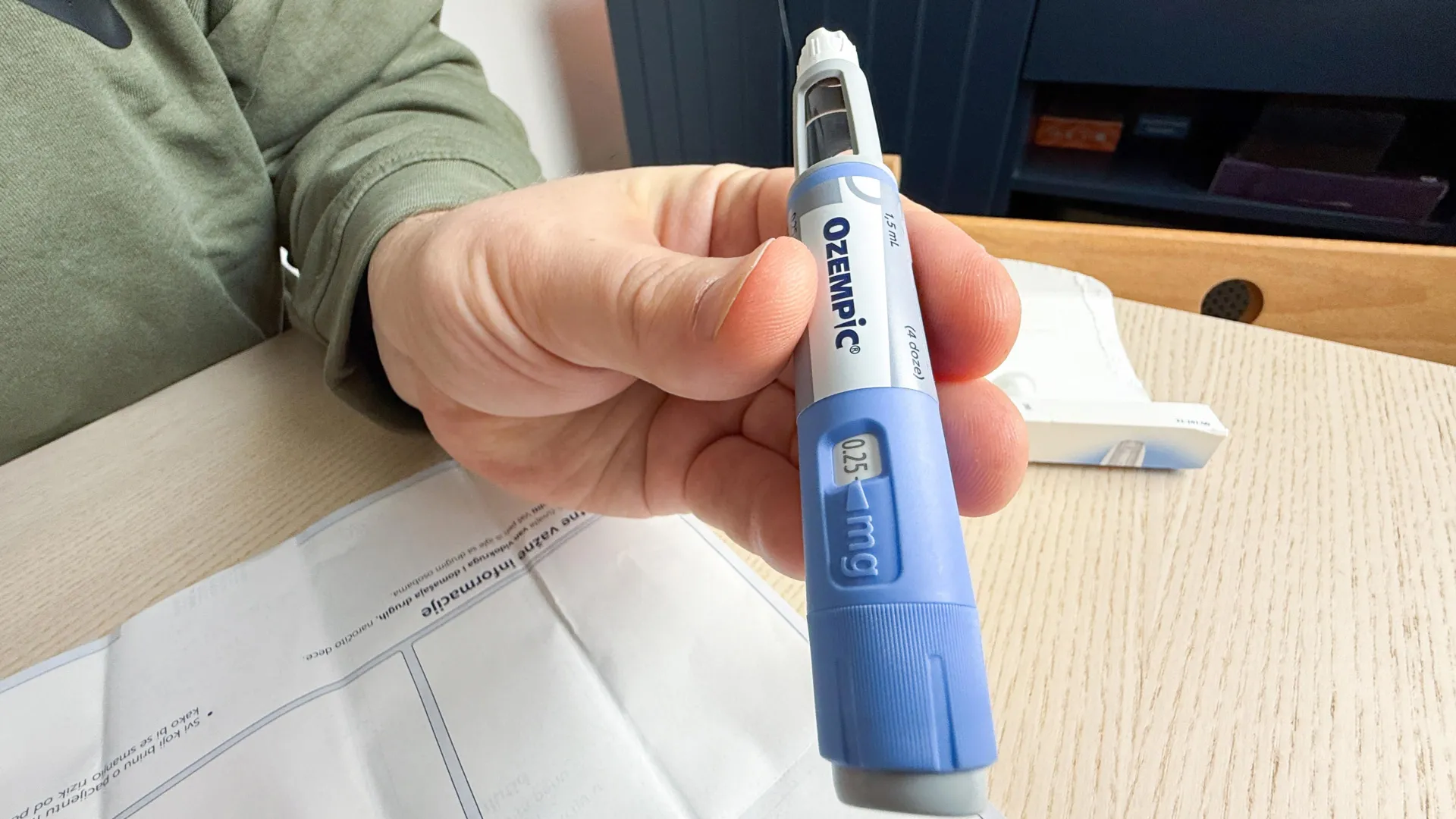
To arrive at these findings, the research team conducted a retrospective cohort study covering a six-year period of American healthcare claims. The dataset included individuals who initiated treatment with one of three primary GLP-1 therapies: liraglutide (Victoza), semaglutide (Ozempic), or tirzepatide (Mounjaro).
The inclusion criteria were rigorous: participants were required to be between 18 and 64 years old, have a diagnosis of type 2 diabetes, and possess a BMI indicative of overweight or obesity. To ensure the reliability of the "discontinuation" metric, the researchers required all participants to have been enrolled in the health plan for at least one year prior to treatment initiation, with at least six months of follow-up data available for analysis.
This chronological window is critical because it captures the period during which GLP-1 therapies moved from niche treatments to blockbuster medications, reflecting the changing landscape of supply chain issues, cost-sharing models, and increased public awareness.
Supporting Data: Drivers of Discontinuation
The research team employed Cox proportional hazards models to dissect the factors contributing to treatment gaps. The variables examined were broad, ranging from socioeconomic status to the specific medical specialty of the prescribing physician.
Socioeconomic and Demographic Disparities
The data indicated that vulnerability to treatment interruption is not distributed equally. Patients covered by Medicaid or Medicare were significantly more likely to discontinue therapy within the first year compared to those with private insurance. Furthermore, Black patients showed a higher propensity for early discontinuation. These findings suggest that systemic barriers—such as drug costs, insurance authorization hurdles, and perhaps social determinants of health—play a major role in whether a patient stays on their regimen.
The Role of Clinical Experience
The study highlighted a protective effect associated with the source of the prescription. Patients who initiated their GLP-1 therapy under the guidance of an endocrinologist were 10% less likely to discontinue treatment. This suggests that the specialized oversight of an endocrinologist—who may be better equipped to manage expectations, navigate insurance appeals, and proactively address side effects—leads to higher retention rates.
The Impact of Adverse Events
Gastrointestinal distress remains the "Achilles’ heel" of GLP-1 therapy. The study found that 37% of patients who experienced nausea or other GI-related side effects were significantly more likely to stop treatment within the first year. This underscores the critical need for better patient education and symptomatic management to prevent early drop-off due to manageable side effects.
The "New Generation" Advantage
One of the most encouraging aspects of the study was the comparison between older and newer GLP-1 agents. The findings suggest that the clinical evolution of these drugs has contributed to improved adherence.
- Tirzepatide: Patients on tirzepatide were 41% less likely to discontinue treatment compared to those on older, daily-injectable options like liraglutide.
- Semaglutide: Users of semaglutide were 28% less likely to discontinue therapy compared to those on older medications.
The researchers attribute this, in part, to the evolution of delivery systems and potentially improved tolerability or efficacy profiles that encourage patients to remain committed to their treatment plans.
Implications for Healthcare Policy and Patient Care
The implications of this research are far-reaching. Consistent adherence to GLP-1 therapy is not merely a metric for pharmaceutical companies; it is a vital component of long-term disease management.
"This research matters because consistent use of these medications is what produces their protective effects," Sontha emphasized. "Stopping early may mean missed opportunities to prevent heart attacks, kidney disease progression and other complications."
The Need for Proactive Support
The findings serve as a clarion call for healthcare providers and insurers. If 60% of patients are dropping off within two years, the healthcare system is effectively failing to deliver the full potential of these life-saving drugs. The study suggests that providers should identify "high-risk" patients—such as those on government insurance or those beginning therapy with older formulations—and provide them with intensified counseling and monitoring during the first 12 months of treatment.
Identifying "Stop-and-Start" Populations
Policymakers may also look to this data to reform insurance coverage policies. If patients are restarting therapy at high rates, the "stop-and-start" cycle could be creating significant administrative waste. Identifying the reasons for these gaps—whether they are due to supply chain shortages, high co-pays, or lack of physician follow-up—is essential for stabilizing patient access.
Looking Forward: A Call for Longitudinal Vigilance
As the use of GLP-1 medications continues to expand, the "start-stop" behavior identified at ENDO 2026 suggests that the transition from a clinical trial environment to real-world application is fraught with friction. The success of these therapies in preventing chronic disease complications is contingent upon the patient’s ability to remain on the medication.
While the high rate of reinitiation is a sign of hope—indicating that patients recognize the value of these drugs and are willing to return to them—the instability of the treatment path remains a significant challenge for the medical community. The future of diabetes care will likely depend on more than just the efficacy of the molecules themselves; it will depend on the systems we build to support the individuals taking them.
As Sontha concluded, the goal is to identify those who could benefit from additional support, ensuring that when a patient begins a GLP-1 regimen, they are not just starting a medication, but embarking on a sustainable journey toward improved metabolic health. By addressing the barriers that lead to the first 60 days of inactivity, the healthcare system can turn a "start-stop" pattern into a path of consistent, life-preserving treatment.