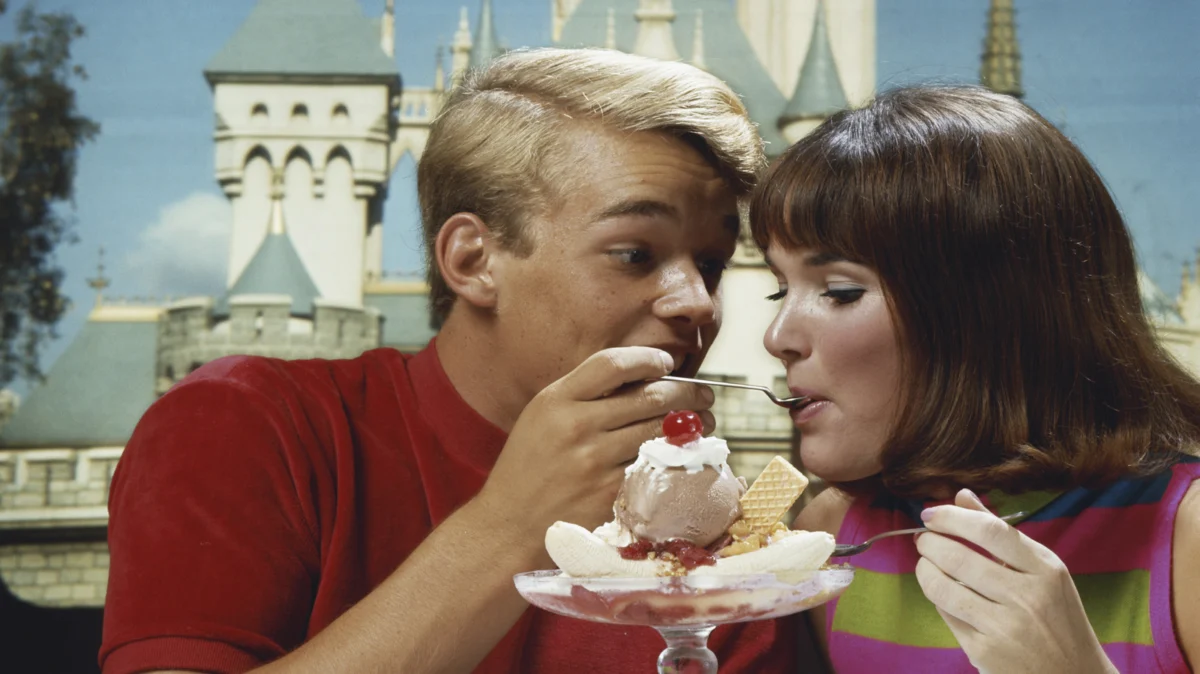
For modern consumers, the frozen dessert aisle is a battlefield of premium pints. Brands like Häagen-Dazs, Ben & Jerry’s, and Tillamook command significant shelf space, offering everything from non-dairy swirls to small-batch, artisanal creations. Yet, to those who came of age during the 1960s, these contemporary giants feel like relative newcomers. For the post-war generation, the ice cream experience was not defined by a freezer-aisle grab, but by a cultural ritual—the jingle of a truck, the neon glow of a local soda fountain, and the elaborate theatricality of a family-run parlor.
The Cultural Landscape of 1960s Confections
The 1960s represented a golden age for American dairy culture. Following the post-WWII economic boom, ice cream evolved from a simple commodity into a centerpiece of social life. It was a decade where technology—such as advancements in refrigeration and logistics—met an insatiable appetite for convenience and communal experiences.
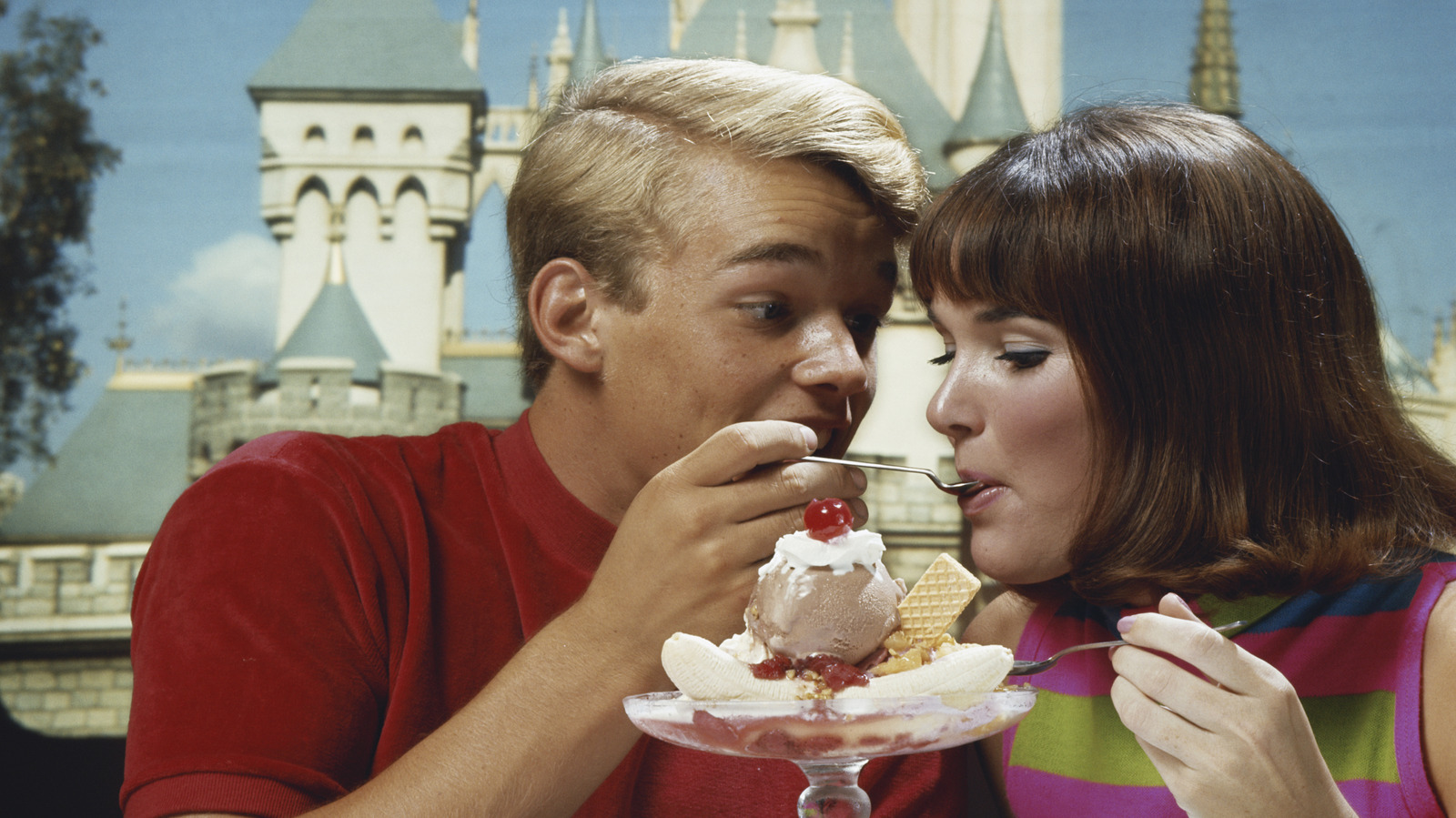
During this era, ice cream was rarely a solitary, late-night snack eaten over the kitchen sink. It was a destination. Whether it was the "soda jerks" at the local drug store or the frantic sprint to the curb at the sound of a approaching truck, the consumption of ice cream was a public, often communal, event. These brands did not just sell milk and sugar; they sold an identity and a sense of belonging to a rapidly modernizing suburban America.
A Chronology of Frozen Legends
The rise and fall of these iconic brands mirror the trajectory of 20th-century American commerce, shifting from local dairy cooperatives to massive corporate conglomerates.
- 1930s–1950s (The Formative Years): Brands like Sealtest, Borden’s, and Carnation leverage their dominance in the condensed milk and general dairy industry to dominate the frozen dessert market.
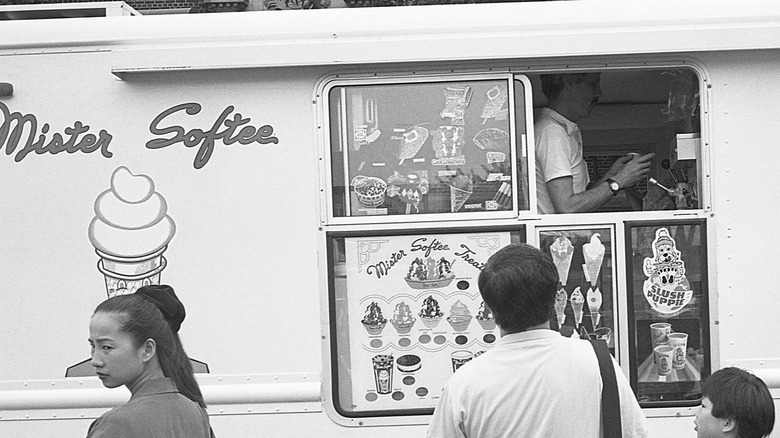
- 1950s (The Mobile Revolution): Mister Softee is founded in Philadelphia, pioneering the "mobile parlor" concept that would change neighborhood dynamics forever.
- 1963 (The Parlor Peak): Farrell’s Ice Cream Parlour opens its first location, turning ice cream into a high-stakes, high-volume theatrical performance.
- 1970s–1980s (The Era of Acquisition): Large multinational corporations begin aggressively buying up independent and regional dairy brands, leading to the dilution of many signature lines.
- 1990s–2000s (The Great Disappearance): Iconic names are either mothballed or relegated to niche, localized markets as consumer preferences shift toward "super-premium" retail pints.
Supporting Data: The Mechanics of a Bygone Era
The success of 1960s ice cream was driven by aggressive product differentiation and specialized service models.
The Parlor Economics
Farrell’s Ice Cream Parlour remains the quintessential example of the "experience economy" long before the term existed. Their business model relied on high-margin, high-volume sales. The "Pig Trough," a 24-scoop monstrosity, was not merely a menu item; it was a marketing tool. It encouraged group consumption and created a "challenge" culture that turned a simple dessert into a viral, real-world event. By utilizing sirens and marching bands of staff, Farrell’s ensured that every customer in the building became part of the marketing campaign for the next table over.
The Pharmacy Connection
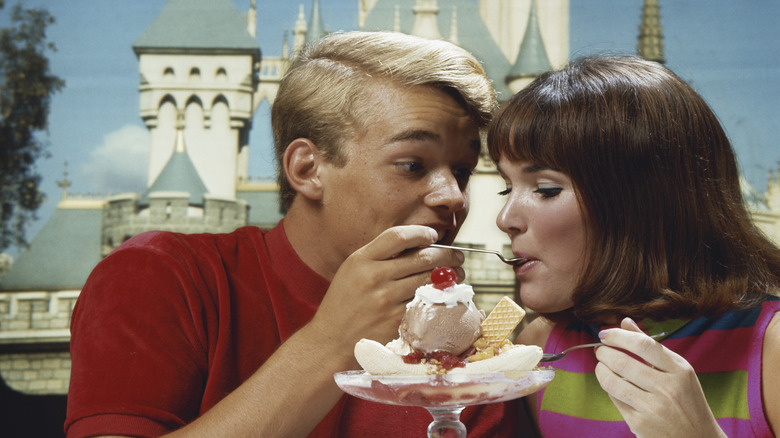
The Thrifty Drug Store model represented the intersection of healthcare and indulgence. By offering five-cent scoops, these stores achieved massive foot traffic. The secret to their success, beyond price, was the "frilly" scoop—a proprietary mechanical design that ensured uniform portion sizes while creating an aesthetic, signature look that could not be replicated by a standard household scoop.
Official Responses and Corporate Shifts
While most of these brands have vanished from the national consciousness, the corporate entities that acquired them have occasionally acknowledged their historical footprint.
The transition of brands like Sealtest and Carnation to corporate behemoths like Unilever and Nestlé respectively marked the end of the "local" era. In the case of Sealtest, rumors have persisted for decades that Unilever maintains the rights to the name. However, corporate strategy shifted toward global brand consolidation, effectively killing off regional favorites that did not fit a standardized, international product portfolio.
Regarding the collapse of the Thrifty chain, the recent bankruptcy of Rite Aid in 2025 served as the final nail in the coffin for one of the West Coast’s most enduring retail legacies. While the ice cream itself survived through various ownership changes, the physical "drug store" environment—the primary venue for its consumption—has effectively been erased from the American landscape.
Implications: What We Lost, What Remains
The disappearance of these brands is more than a trivial shift in snack preferences; it represents the decline of the "third space" in American life. The 1960s ice cream parlor served as a community hub, a neutral ground where birthday parties, sports team celebrations, and first dates occurred.
The Shift to "Super-Premium"
The rise of brands like Ben & Jerry’s and Häagen-Dazs shifted the focus from the experience of eating to the quality of the ingredient. While today’s ice cream is undeniably more sophisticated in terms of flavor profiles and source transparency, the communal aspect has been lost. We have traded the soda jerk and the siren-blaring waiter for the sterile convenience of a grocery store freezer aisle.
A Legacy of Nostalgia
Despite the closure of nearly all these major chains, the cultural impact remains. Facebook groups and subreddits dedicated to "1960s memories" are filled with thousands of testimonials. Users recount the exact flavor of Swift’s "Party Peach" or the specific jingle of the Mister Softee truck with an intensity that suggests these brands were a fundamental part of their developmental years.
Conclusion
The 1960s may be defined by its political and social upheavals, but for the children of that era, the decade tasted like Sealtest, sounded like the Mister Softee jingle, and felt like a birthday celebration at Farrell’s. While the corporations that owned these brands have moved on to more profitable ventures, the legacy of these frozen treats persists in the collective memory of a generation. We may have gained a more diverse and artisanal ice cream market, but in the process, we have lost the theater, the community, and the simple, five-cent joy that once defined the American summer. As the last remnants of these institutions—such as the final Borden’s parlor in Louisiana—slowly fade, they remind us that the most powerful brands are not those with the best marketing, but those that successfully anchored themselves in the childhood memories of a nation.